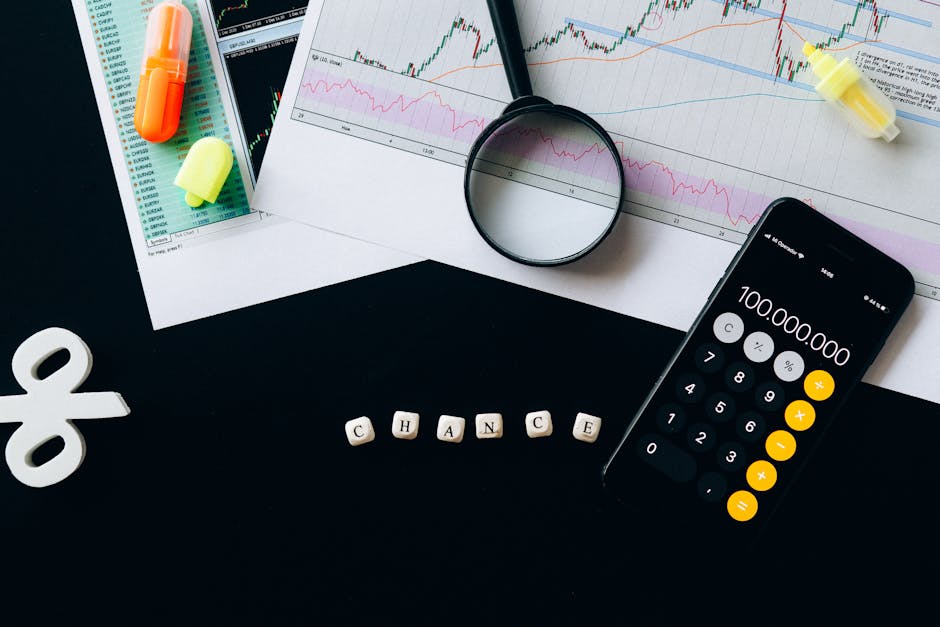
얼마 전 지인 한 명이 조심스럽게 물어왔어요. “요즘 금값이 사상 최고치라던데, 선물(Futures)로 투자하면 더 빠르게 수익 낼 수 있지 않냐”고요. 그 눈빛엔 기대와 불안이 동시에 담겨 있었습니다. 원자재 선물 투자는 분명히 매력적인 도구이지만, 구조를 모르고 들어가면 원금을 순식간에 날릴 수도 있는 양날의 검이라고 봅니다. 오늘은 그 구조를 차근차근 뜯어보면서, 2026년 현재 시점에서 이 투자가 어떤 의미를 가지는지 함께 살펴보겠습니다.
📌 원자재 선물 투자란? 기본 구조부터 짚어보기
선물(Futures) 계약이란, 특정 원자재를 미래의 정해진 날짜에, 오늘 합의한 가격으로 사고팔겠다는 약속입니다. 실물 원자재(금, 원유, 구리, 대두 등)를 직접 보유하지 않고도 가격 변동에 베팅할 수 있다는 점이 핵심이에요.
거래는 주로 미국 CME(시카고상품거래소), ICE(인터컨티넨탈거래소), 국내의 KRX 파생상품시장 등을 통해 이루어집니다. 2026년 현재 글로벌 원자재 선물 시장의 하루 평균 거래 규모는 약 4조 달러(약 5,400조 원) 수준으로 추산되며, 이는 웬만한 국가의 연간 GDP를 뛰어넘는 수치라는 사실이 시장의 규모감을 실감하게 해줍니다.
📈 원자재 선물 투자의 주요 장점
레버리지 효과: 증거금(Margin)만 납입하면 계약 전체 금액을 운용할 수 있어요. 예를 들어 WTI 원유 선물 1계약(1,000배럴)의 명목 가치가 약 7,000만 원이라면, 실제 증거금은 그 5~10% 수준인 350~700만 원으로 진입이 가능한 경우도 있습니다. 자본 효율성이 극단적으로 높죠.
인플레이션 헷지: 2026년 현재도 미국·유럽의 구조적 인플레이션 압력이 완전히 해소되지 않은 상황에서, 원자재는 실물 자산으로서 화폐 가치 하락에 대한 방어 수단이 될 수 있습니다.
포트폴리오 분산: 주식·채권과 상관관계가 낮은 자산군이라, 전통적인 포트폴리오의 변동성을 줄이는 데 도움이 된다고 봅니다.
양방향 투자 가능: 가격 하락 시에도 ‘매도(Short) 포지션’으로 수익을 낼 수 있어 시장 방향에 무관한 전략이 가능합니다.
높은 유동성: CME 거래소 기준 금(Gold) 선물의 하루 거래량은 수십만 계약에 달해, 대규모 자금도 비교적 수월하게 진입·청산할 수 있습니다.
⚠️ 원자재 선물 투자의 주요 단점과 리스크
레버리지의 역습: 장점이 가장 큰 위험이 되기도 합니다. 레버리지 10배 구조라면 가격이 단 10%만 반대 방향으로 움직여도 원금 전액이 소멸됩니다.
롤오버 비용(Roll Cost): 선물 계약에는 만기가 있어요. 만기가 도래할 때마다 다음 월물로 교체(롤오버)해야 하는데, 이 과정에서 콘탱고(Contango) 시장(원월물이 근월물보다 비싼 상태)에서는 지속적인 비용이 발생합니다. 유가 선물 ETF들이 장기 보유 시 현물 가격과 괴리가 생기는 원인이 바로 이 롤오버 비용입니다.
강제 청산(Margin Call): 증거금 이하로 계좌 잔고가 떨어지면 거래소나 증권사가 자동으로 포지션을 청산합니다. 잠깐의 변동성에도 강제 청산을 당할 수 있죠.
지정학·정책 리스크: 원자재 가격은 중동 정세, OPEC+ 감산 결정, 미·중 무역 갈등, 이상 기후 등 예측 불가한 외부 충격에 극도로 민감합니다.
높은 진입 장벽: 국내 투자자가 해외 선물 계약에 직접 참여하려면 해외선물 계좌 개설, 달러 환전, 시차 대응 등 현실적인 허들이 적지 않습니다.
🌍 국내외 실제 사례로 보는 현실
[해외 사례] 2020년 WTI 원유 선물 마이너스 사태: 가장 충격적인 사례 중 하나입니다. 2020년 4월, 코로나19 수요 급감과 저장 공간 포화로 WTI 원유 5월물 선물 가격이 배럴당 -37.63달러라는 역사상 최초의 마이너스를 기록했습니다. 롤오버 시점을 놓친 투자자들은 돈을 더 내야 하는 황당한 상황에 처했죠. 이 사건은 선물 구조를 충분히 이해하지 않은 채 진입하는 것이 얼마나 위험한지를 전 세계에 각인시켰습니다.
[국내 사례] DLS·ELS 파생상품 손실 교훈: 국내에서는 2019년 해외금리 연계 DLS 사태 이후 파생상품에 대한 경계심이 높아졌어요. 직접 선물 투자는 아니지만, 기초자산의 가격 움직임에 연동된 파생상품에서 수천억 원 규모의 손실이 발생했고, 이는 레버리지·구조 이해의 부재가 얼마나 치명적인지를 보여줍니다. 2026년 현재 금융당국이 파생상품 투자자 교육 의무화를 강화한 배경도 여기에 있습니다.
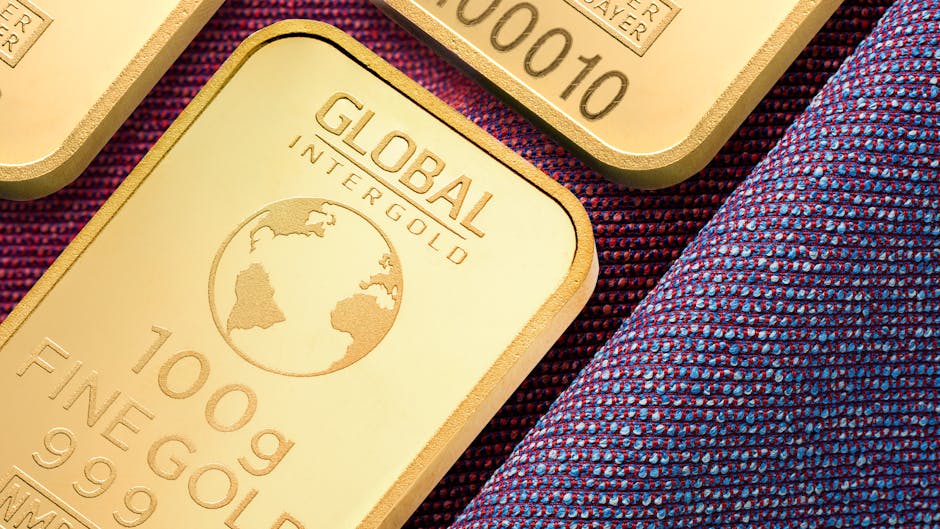
[2026년 현황] 금(Gold) 선물 강세: 2026년 현재 금 현물 가격은 트로이온스당 3,100달러대를 오가며 강세를 이어가고 있는 것으로 파악됩니다. 글로벌 중앙은행들의 금 매입 지속, 달러 패권 분산 흐름, 미국 재정적자 우려가 복합적으로 작용하고 있어요. 금 선물에 대한 관심이 다시 높아지고 있는 이유라고 봅니다.
💡 원자재 선물 투자, 현실적인 대안은?
선물 직접 투자가 부담스럽다면, 다음과 같은 대안적 접근 방식을 고려해볼 수 있어요.
원자재 ETF 활용: SPDR Gold Shares(GLD), iShares Silver Trust(SLV), Invesco DB Oil Fund(DBO) 같은 ETF를 통해 선물 직접 투자보다 낮은 리스크로 원자재 가격에 노출될 수 있습니다. 단, DBO처럼 선물 기반 ETF는 롤오버 비용을 감안해야 합니다.
원자재 관련 주식 투자: 금광 기업(뉴몬트, 배릭골드), 에너지 기업(엑슨모빌, 쉐브런) 주식을 매수하면 간접적으로 원자재 가격 상승 수혜를 받을 수 있어요.
소액 테스트 후 진입: 만약 선물 직접 투자를 결심했다면, 반드시 증거금의 30% 이하로 포지션을 시작하고, 손절 라인을 사전에 설정하는 것이 기본 중의 기본이라고 봅니다.
KRX 금시장 활용: 국내에서는 한국거래소(KRX) 금 현물 시장을 통해 증권 계좌로 금을 직접 매매할 수 있습니다. 부가세 면제 혜택도 있어 실물 금 투자보다 세제 측면에서 유리한 경우가 많아요.
에디터 코멘트 : 원자재 선물은 ‘빠른 수익’의 도구가 아니라, ‘가격 위험을 관리하는 전문적 수단’이라는 관점에서 출발해야 한다고 생각해요. 레버리지의 마법은 수익을 극대화하기도 하지만, 손실도 정확히 같은 속도로 증폭시킵니다. 2026년 현재처럼 지정학적 불확실성과 원자재 수급 변동성이 공존하는 시장에서는, 직접 선물보다는 ETF나 관련 주식을 통해 원자재 노출도를 조절하는 방식이 대부분의 개인 투자자에게 더 현실적인 선택지인 것 같습니다. 구조를 이해한 뒤에 투자해도 절대 늦지 않아요.
Picture this: you walk into your favorite hardware store in early 2026, and the price tag on a simple sheet of copper piping makes you do a double-take. You ask the store owner, and he just shrugs — “It’s the markets, man.” That shrug encapsulates something massive happening right now across the global economy. Raw material price surges aren’t just a supply-chain footnote anymore; they’re a seismic force reshaping how governments spend, how businesses plan, and how everyday people stretch their paychecks.
Let’s think through this together — because once you understand the mechanics, the headlines stop feeling so overwhelming and start making a lot more sense.
What’s Actually Driving Raw Material Prices in 2026?
The commodities market in 2026 is being squeezed from multiple directions simultaneously. The energy transition is accelerating demand for lithium, cobalt, and rare earth elements, while geopolitical tensions — particularly ongoing disruptions in Eastern Europe and the South China Sea trade corridors — are constraining supply chains. Add to that the lingering effects of extreme weather events on agricultural commodities and timber, and you have a perfect pressure cooker.
Here’s a snapshot of where things stand as of early 2026:
Lithium carbonate prices have climbed roughly 34% year-over-year, driven by EV battery demand that consistently outpaces mining output.
Crude oil has stabilized in the $95–$105/barrel range — not catastrophic, but persistently elevated compared to the 2019–2022 average.
Wheat and soybeans remain 18–22% above their 5-year averages due to drought conditions in South America and Southern Europe.
Copper — often called “Dr. Copper” because it diagnoses economic health — is trading near all-time highs, signaling robust industrial demand despite high costs.
Timber and lumber prices spiked again in late 2025 and haven’t meaningfully corrected, keeping construction costs stubbornly elevated.
The Macroeconomic Transmission Mechanism: How It All Spreads
Here’s where it gets really interesting. A lot of people think commodity prices only affect industries that directly use those materials. But that’s like saying a pebble only disturbs the water where it lands — it misses the entire ripple effect.
Economists describe this transmission through several channels:
Cost-push inflation: When producers face higher input costs (raw materials, energy), they pass those costs downstream. A steel manufacturer pays more for iron ore → charges more to auto companies → cars get pricier → consumers spend less on other goods → retail slows down. That chain reaction is very real in 2026.
Central bank policy pressure: Persistent commodity-driven inflation forces central banks into a tough spot. The U.S. Federal Reserve and the European Central Bank have both indicated that “higher for longer” interest rate postures remain on the table specifically because commodity inflation keeps core inflation stickier than models predicted.
Currency effects: Countries that are net importers of raw materials (Japan, South Korea, much of the EU) see their trade deficits widen, putting downward pressure on their currencies and making imports even more expensive — a vicious cycle.
Sovereign fiscal stress: Developing nations that rely heavily on imported commodities — think Sri Lanka’s 2022 crisis as a cautionary tale — face shrinking fiscal space. In 2026, several Sub-Saharan African economies are navigating exactly this challenge.
Real-World Examples: From Seoul to São Paulo
Let’s ground this in specifics, because abstract economics can feel disconnected from real life.
South Korea is a fascinating case study. As one of the world’s most resource-import-dependent economies, Korea’s manufacturing competitiveness is acutely sensitive to raw material price swings. In 2026, the Korea Institute for Industrial Economics & Trade (KIET) reported that secondary industries — particularly petrochemicals and electronics components — are facing margin compression of 8–12%, prompting companies like Samsung SDI and LG Energy Solution to accelerate investment in domestic battery recycling to reduce virgin material dependence.
Brazil presents the opposite dynamic. As a major commodity exporter (iron ore, soybeans, oil), Brazil’s government coffers are fatter, the real (BRL) has strengthened, and Petrobras has reported record revenues. But here’s the paradox: domestic consumers in Brazil are still paying more for food because global commodity prices lift domestic prices too — a phenomenon called “price transmission” that often frustrates policymakers who expected export windfalls to translate to household prosperity.
Germany, the EU’s industrial engine, is in a particularly difficult position. The phase-out of Russian energy, combined with high lithium and copper costs for its automotive transition, has pushed Germany’s industrial output into a prolonged soft patch. The Bundesbank’s 2026 Q1 outlook described the situation as “a structural adjustment period with no near-term tailwinds from commodity markets.”
Who Actually Benefits — and Who Gets Hurt Most?
It’s worth being clear-eyed about this, because the distributional effects are stark:
Winners: Resource-rich exporting nations (Australia, Canada, Brazil, Saudi Arabia, Chile), commodity trading firms, mining companies, and — counterintuitively — some green energy firms whose products become relatively more attractive when fossil fuels are expensive.
Losers: Manufacturing-heavy import-dependent economies, low-income households (who spend a higher proportion of income on food and energy), small businesses with thin margins, and construction sectors facing unrelenting input cost pressure.
Mixed outcomes: Central banks (more inflation to fight, but higher rates can attract capital), large multinationals (pricing power helps, but supply uncertainty hurts), and agricultural nations that export some commodities but import others.
Realistic Strategies: What Can You Actually Do?
Whether you’re a policymaker, a business owner, or just someone trying to make sense of your rising grocery bill, there are practical angles worth considering.
For businesses: This is genuinely the moment to diversify your supplier base and invest in material efficiency technologies. Companies that locked in long-term supply contracts or invested in circular economy practices (recycling, remanufacturing) in 2023–2024 are now reaping the benefits. It’s not too late to start — but the window of competitive advantage is narrowing.
For investors: Commodity-linked assets (ETFs tracking natural resources, shares in mining or agricultural firms) can serve as a portfolio hedge during sustained price surges. That said, timing commodity markets is notoriously difficult — a diversified approach beats speculation every time.
For households: Practical steps like locking in fixed-rate energy contracts, buying durable goods before anticipated price increases, and reducing discretionary spending on commodity-intensive products (new cars, renovation projects) can meaningfully offset personal cost-of-living pressures.
For policymakers: Strategic commodity reserves, bilateral trade agreements that guarantee supply stability, and investment in domestic resource development are all tools on the table. The EU’s Critical Raw Materials Act, which took full effect in 2025, is a policy blueprint worth watching closely.
The deeper truth is that raw material price surges in 2026 are not a temporary blip — they reflect a genuine structural realignment of global supply and demand as the world transitions energy systems, rebuilds supply chains post-pandemic, and navigates a more fractured geopolitical order. Understanding the ripple effects isn’t just academic; it’s a practical life skill right now.
Editor’s Comment : The commodity price story of 2026 is ultimately a story about interdependence — how a mine in Chile, a drought in Argentina, and a policy decision in Beijing all land in your grocery cart or your mortgage payment. The most resilient individuals, businesses, and governments aren’t the ones who predicted the exact price of lithium — they’re the ones who built flexibility into their plans and didn’t assume any single commodity cycle would last forever. Stay curious, stay diversified, and remember: the ripple always reaches the shore.
지난 주말, 마트에 장을 보러 갔다가 식용유 가격표를 보고 잠시 멈칫했어요. 1년 전과 비교해도 확실히 올랐는데, 계산대 앞에서 ‘이게 다 어디서 시작된 걸까?’ 하는 생각이 스쳐 지나갔습니다. 사실 우리가 마트에서 체감하는 그 물가 상승의 출발점은 상당 부분 원자재 가격에서 찾을 수 있다고 봐요. 에너지, 금속, 농산물 등 이른바 ‘1차 산품’의 가격이 출렁이면, 그 파동은 생각보다 훨씬 넓고 깊게 경제 전반으로 퍼져 나갑니다. 2026년 현재 글로벌 공급망 재편과 지정학적 리스크가 여전히 진행 중인 상황에서, 이 문제를 한번 차분하게 들여다볼 필요가 있을 것 같아요.
📊 숫자로 보는 원자재 가격 상승의 충격
원자재 시장을 추적하는 대표적인 지수인 S&P GSCI(Goldman Sachs Commodity Index)는 2026년 1분기 기준으로 에너지 부문에서만 전년 대비 약 18~22% 수준의 변동성을 보이고 있는 것으로 추정됩니다. 구리, 알루미늄 등 산업용 금속류도 글로벌 제조업 회복 기대감과 맞물려 상당한 수준을 유지하고 있어요.
이 숫자들이 왜 중요하냐면, 원자재는 거의 모든 제조업의 ‘투입재(Input)’이기 때문입니다. 경제학에서는 이를 비용 인상 인플레이션(Cost-Push Inflation)이라고 부르는데요, 원자재 가격이 오르면 기업의 생산 비용이 늘어나고, 이 부담은 결국 최종 소비자 가격에 전가되는 구조입니다. 한국은행의 분석에 따르면, 국제 원유 가격이 배럴당 10달러 상승할 경우 국내 소비자물가지수(CPI)는 약 0.2~0.4%p 추가 상승하는 효과가 있다고 알려져 있어요.
더 중요한 건 연쇄 효과(Cascading Effect)입니다. 에너지 가격이 오르면 물류비가 오르고, 물류비가 오르면 모든 품목의 가격이 따라 올라요. 농산물 가격 상승은 식품 가공업체의 원가를 압박하고, 이는 다시 외식 물가를 자극합니다. 이 연쇄고리가 충분히 오래 지속되면 기대 인플레이션(Inflation Expectations)까지 자극해서, 임금 협상에도 영향을 미치는 ‘인플레이션 악순환’으로 이어질 수 있다고 봅니다.
🌍 국내외 사례로 읽는 파급효과의 현실
[해외 사례 — 유럽의 에너지 위기 후유증]
2022~2023년 러-우 전쟁으로 촉발된 유럽의 에너지 가격 급등은 원자재 충격이 어디까지 퍼질 수 있는지를 생생하게 보여준 사례입니다. 독일의 경우 천연가스 가격 폭등으로 에너지 집약 산업인 화학·철강 업계가 직격탄을 맞았고, 제조업 PMI(구매관리자지수)가 급격히 하락하며 경기 침체 우려가 현실화됐어요. 그 여파는 2026년인 지금도 독일 경제의 구조적 약점으로 남아 있다고 봅니다.
[국내 사례 — 수입 의존도의 민낯]
한국은 에너지 자급률이 채 5%도 되지 않고, 원유·천연가스·주요 금속 광물의 대부분을 수입에 의존하는 구조입니다. 이 말은 곧 원자재 가격 상승의 충격을 ‘흡수’할 완충장치가 상대적으로 부족하다는 뜻이에요. 2026년 현재 원/달러 환율이 고환율 기조를 유지하고 있다는 점도 문제입니다. 달러로 결제되는 원자재를 수입할 때 환율 상승은 ‘이중 부담’으로 작용하거든요. 실제로 국내 중소 제조업체들은 원자재 가격 상승분을 판매 가격에 충분히 반영하지 못해 수익성이 악화되는 ‘원가 압착(Margin Squeeze)’ 현상을 겪고 있다는 보고가 이어지고 있습니다.
🔗 원자재 가격 상승이 촉발하는 거시경제 파급 경로 요약
물가 상승 (Cost-Push Inflation): 생산 비용 증가 → 소비자물가 상승 → 실질 구매력 하락
기업 수익성 악화: 원가 압박 → 투자 위축 → 고용 감소 가능성
무역수지 악화: 수입 원자재 비용 급증 → 경상수지 적자 압력 확대
통화정책 딜레마: 인플레이션 억제를 위한 금리 인상 → 경기 둔화 압력 증가 (스태그플레이션 위험)
환율 불안: 경상수지 악화 → 원화 약세 → 수입 물가 추가 상승이라는 악순환
소득 불평등 심화: 식품·에너지 등 필수재 가격 상승은 저소득층에 더 큰 타격
글로벌 공급망 재편 가속화: 기업들의 리쇼어링(Reshoring) 또는 프렌드쇼어링(Friendshoring) 전략 가속
💡 그렇다면 현실적인 대응 전략은?
거시경제 충격 앞에서 개인이 할 수 있는 일이 얼마나 될까 싶기도 하지만, 사실 방향을 아는 것만으로도 꽤 많은 것이 달라진다고 생각해요.
기업 차원에서는 원자재 가격 변동성을 헤지(Hedge)하기 위한 선물 계약(Futures Contract) 활용, 공급처 다변화, 대체 소재 연구·개발 투자가 핵심 대응 전략으로 꼽힙니다. 특히 에너지 비용 절감을 위한 재생에너지 전환 투자는 단기 비용이 들더라도 중장기 리스크 관리 차원에서 점점 더 중요해지고 있어요.
정책 차원에서는 전략 비축 물자(SPR, Strategic Petroleum Reserve) 확충, 자원 외교 강화, 핵심 광물 공급망 확보를 위한 국가 간 협력이 요구됩니다. 2026년 현재 한국 정부도 배터리 핵심 광물인 리튬·니켈·코발트의 공급망 다변화를 위해 여러 국가와 MOU를 체결하고 있는 상황이라고 봅니다.
개인 차원에서는, 인플레이션 환경에서 현금 자산의 실질 가치가 감소한다는 점을 인지하고 실물 자산 또는 인플레이션 헤지 자산(금, 물가연동채권 TIPS, 에너지 관련 ETF 등)으로의 분산 투자를 고려해볼 수 있습니다. 물론 이는 개인의 리스크 성향과 재정 상황에 따라 신중하게 접근해야 해요.
에디터 코멘트 : 원자재 가격 상승은 ‘저 멀리 있는 국제 뉴스’가 아니라 내 장바구니, 내 월급의 실질 가치, 내 직장의 안위와 직결된 이야기입니다. 특히 한국처럼 원자재 수입 의존도가 높은 나라에서는 이 충격이 더 빠르고 직접적으로 전달될 수밖에 없어요. 중요한 건 이 흐름을 인지하고, 내가 통제할 수 있는 범위 안에서 유연하게 대비하는 자세라고 봅니다. 거시경제라는 큰 파도를 막을 수는 없어도, 서핑하는 법은 배울 수 있으니까요.
Picture this: It’s early 2026, and headlines are screaming about slowing GDP growth across the G7, a cooling Chinese manufacturing sector, and central banks caught between stubborn inflation and rising unemployment. Sound familiar? If you’ve been watching the markets lately, you already know this isn’t hypothetical — it’s Tuesday. A colleague of mine who manages a mid-sized portfolio recently told me, “I feel like I’m trying to navigate a ship through fog with half a compass.” That’s exactly where commodity investing enters the conversation.
Raw material investing — gold, silver, oil, agricultural commodities, industrial metals — has historically acted as both a hedge and an opportunity during economic downturns. But not all commodities behave the same way in a recession, and blindly throwing money at “hard assets” can burn you just as fast as ignoring them. So let’s think through this together, logically and realistically.
Why Commodities Matter During a Global Recession
In a traditional recession, equities fall, consumer spending contracts, and credit tightens. But commodities exist in a different dimensional space of the market. Their prices are driven by supply-demand fundamentals, geopolitical events, and currency dynamics — not just corporate earnings reports. This is what makes them uniquely positioned during downturns.
Here’s what the 2026 data is telling us right now:
Gold: Hovering near $3,100/oz as of Q1 2026, driven by central bank purchases (particularly from BRICS-aligned nations) and de-dollarization trends. The World Gold Council reported that central banks added over 1,000 tonnes for the third consecutive year.
Crude Oil (WTI): Trading in a volatile $68–$82 range due to OPEC+ supply cuts being partially offset by weaker industrial demand from Europe and East Asia.
Copper: Known as “Dr. Copper” for its predictive power on global economic health — currently under pressure at around $3.80/lb, signaling genuine demand contraction.
Agricultural Commodities (Wheat, Corn): Elevated due to ongoing climate disruptions and the lingering fragmentation of Black Sea trade routes, keeping food inflation persistent.
Silver: Benefiting from dual demand — both as a safe-haven asset AND as a critical industrial input for solar panels and EV batteries, making it a uniquely interesting play in 2026.
The Recession Playbook: Not All Commodities Are Created Equal
Let’s be honest about something most financial content glosses over: recessions are deflationary for some commodities and inflationary for others. Industrial metals like copper and aluminum tend to drop because factories slow down. Meanwhile, gold and silver often rise as investors flee to safety. Energy is complicated — demand drops, but geopolitical supply shocks can override that logic entirely.
Think of it as a Venn diagram. One circle is “recession pressure” (reduces commodity prices), and the other is “safe-haven demand” (increases them). Where those circles overlap is where you find the most nuanced investment decisions — and frankly, the most interesting ones.
Real-World Examples: How Countries and Investors Are Adapting in 2026
Let’s ground this in what’s actually happening globally right now:
South Korea’s National Pension Service (NPS) — one of the world’s largest sovereign wealth funds — quietly increased its allocation to commodity-linked ETFs and gold-backed instruments by approximately 4% in its 2026 rebalancing, citing “macroeconomic uncertainty and currency volatility” as key drivers. This is significant because NPS is famously conservative.
In the United States, retail investor interest in commodity ETFs like PDBC (Invesco Optimum Yield Diversified Commodity Strategy) and IAU (iShares Gold Trust) surged by double digits in Q1 2026 according to Morningstar flow data. This reflects a grassroots shift in how everyday investors are thinking about portfolio protection.
Brazil, the world’s largest soybean and iron ore exporter, has actually seen its currency (the Real) strengthen relative to the USD in early 2026 — a counterintuitive outcome driven by commodity export revenue providing a natural hedge against global risk-off sentiment. This is a textbook example of how commodity-producing economies behave differently during global slowdowns.
Japan and Germany, both heavily import-dependent for energy, are experiencing the flip side: their manufacturing sectors are being squeezed by commodity price volatility, which is dragging their Q1 2026 PMI readings below the critical 50-point expansion/contraction threshold.
Practical Strategies: How to Actually Position Yourself
Here’s where we shift from analysis to action. Your strategy should depend on your risk tolerance, investment horizon, and whether you’re working with a large institutional portfolio or your personal savings. Let’s cover both ends:
For conservative investors: Gold (physical, ETFs, or gold-backed savings accounts) remains the most time-tested recession hedge. Consider allocating 5–15% of your portfolio. Platforms like Sprott Physical Gold Trust offer direct gold exposure without storage headaches.
For moderate-risk investors: Diversified commodity ETFs (like DJP or PDBC) spread your exposure across energy, metals, and agriculture. This smooths out the volatility of any single commodity while giving you broad raw material exposure.
For higher-risk, forward-looking investors: Silver and lithium-linked assets offer a compelling dual narrative — safe-haven demand PLUS green energy industrial demand. This convergence is particularly strong in 2026 as the energy transition continues despite economic headwinds.
For those outside the US: Check whether your local brokerage offers commodity-linked structured products or currency-hedged commodity ETFs. Korean investors, for example, can access KODEX Gold Futures ETF (H) for won-hedged gold exposure.
What to avoid: Leveraged commodity ETFs during high-volatility periods — their daily rebalancing creates a decay effect that can erode value even if you get the directional call right. These are tools for short-term traders, not recession hedgers.
The Risks Nobody Wants to Talk About
Look, I’d be doing you a disservice if I painted commodities as a magical recession shield. There are real risks here that deserve honest discussion:
First, demand destruction is real. If the 2026 global slowdown deepens into a full-scale deflationary spiral (think 2008-style credit crunch), even gold initially sold off as investors raised cash. The early weeks of such an event can be brutal across the board.
Second, storage and carry costs for physical commodities are real expenses that eat into returns over time — particularly for energy and agricultural products.
Third, geopolitical surprises cut both ways. A sudden peace agreement in a conflict zone could cause oil to drop sharply; a new trade deal could crater agricultural futures. Commodities are inherently event-driven, which means the unexpected is always priced in — until it isn’t.
Realistic Alternatives If Commodity Investing Feels Too Complex
Not everyone is in a position to actively manage commodity exposure, and that’s completely valid. Here are some simpler alternatives that still provide meaningful recession protection:
Commodity-linked stocks: Investing in mining companies (Barrick Gold, Rio Tinto) or energy majors (ExxonMobil, TotalEnergies) gives you indirect commodity exposure with the added benefit of dividends and easier trading through a standard brokerage account.
Inflation-protected bonds (TIPS in the US, or equivalents in your country): These don’t track commodity prices directly but provide protection against the inflation that often accompanies commodity price spikes.
Multi-asset “all weather” funds: Inspired by Ray Dalio’s All Weather Portfolio concept, these funds automatically balance between stocks, bonds, gold, and commodities based on economic conditions — great for set-it-and-forget-it investors.
High-yield savings or money market funds: If you’re genuinely uncertain and prioritize capital preservation above all, keeping a larger cash buffer in high-yield accounts (currently offering 4–5% APY in the US) is a perfectly reasonable recession response.
The key takeaway? There is no single “right” answer — there’s only the right answer for your specific financial situation, timeline, and stomach for volatility. A 30-year-old with a stable income should approach this very differently from someone approaching retirement. That nuance is everything.
Editor’s Comment : Commodity investing in 2026 isn’t about chasing the hottest asset class — it’s about understanding that economic uncertainty creates both risk and genuine opportunity in the raw materials space. The investors who navigate recessions best aren’t the ones who panicked or the ones who ignored the signals, but the ones who stayed curious, stayed diversified, and made deliberate choices based on their own circumstances. Whether you go all-in on gold, dip a toe into diversified ETFs, or simply shift toward commodity-linked equities, the most important move is having a strategy rather than a reaction. Keep asking questions, keep pressure-testing your assumptions, and remember: the best portfolio is the one you can actually stick to when things get turbulent.
지난해 말, 오랫동안 주식 포트폴리오만 고집하던 지인이 갑작스럽게 연락을 해왔어요. “요즘 증시가 너무 출렁거리는데, 금이나 구리 같은 걸 사야 할까요?” 하는 질문이었죠. 그 분만의 이야기가 아닌 것 같습니다. 2026년 현재, 미국 연준(Fed)의 고금리 기조 장기화와 중국 부동산 시장의 구조적 침체, 그리고 중동·동유럽의 지정학적 긴장이 복합적으로 맞물리면서 ‘경기침체 헷지(hedge) 수단’으로서 원자재 투자에 대한 관심이 그 어느 때보다 뜨겁습니다. 오늘은 원자재 투자가 왜 경기침체 국면에서 주목받는지, 어떻게 접근하면 현실적인지 함께 고민해 보려 합니다.
📊 원자재 시장, 지금 어디쯤 와 있을까? — 수치로 보는 2026년 현황
2026년 1분기 기준, 주요 원자재 지표를 살펴보면 흥미로운 흐름이 보입니다.
금(Gold): 트로이온스당 3,200달러 내외를 기록하며 사상 최고치 근방에서 등락 중. 중앙은행들의 금 매입이 3년 연속 1,000톤 이상을 유지하고 있는 것이 주요 배경으로 꼽힙니다.
은(Silver): 태양광 패널 등 그린에너지 수요와 안전자산 수요가 겹치며 온스당 33~35달러 구간. 금·은 비율(Gold/Silver Ratio)이 90 이상으로 벌어져 상대적 저평가 논의가 활발해요.
구리(Copper): 전기차·반도체 인프라 수요로 장기 구조적 수요는 견고하지만, 중국 제조업 PMI가 49 이하로 수축 국면을 보이면서 단기 가격 변동성이 큰 상황입니다.
원유(WTI Crude): 배럴당 70~80달러 사이에서 OPEC+ 감산 정책과 글로벌 수요 둔화가 팽팽하게 맞서는 형국. 경기침체 심화 시 60달러대 진입 가능성도 배제할 수 없다는 분석이 있습니다.
농산물(소맥, 대두): 기후 이변과 물류 비용 상승으로 가격 하방이 지지되는 편이지만, 투기적 수요 변동이 크다는 점은 리스크 요인이라고 봅니다.
이처럼 원자재는 단일한 방향으로 움직이지 않아요. 경기침체 국면에서 ‘산업용 원자재(구리, 원유)’는 수요 감소로 하락 압력을 받는 반면, ‘안전자산형 원자재(금, 은)’는 오히려 반사이익을 누리는 경향이 있습니다. 이 차이를 이해하는 것이 투자의 출발점인 것 같습니다.
🌍 국내외 사례로 보는 원자재의 경기방어 효과
해외 사례 — 2008년 금융위기와 금의 역할
2008년 글로벌 금융위기 당시 S&P500 지수는 고점 대비 약 56% 폭락했지만, 금 가격은 같은 기간 오히려 약 25% 상승했습니다. 물론 2008년 하반기에는 금도 일시적으로 하락했지만, 이후 2011년까지 온스당 1,920달러 수준까지 3배 가까이 오르는 강세장을 연출했죠. 이 흐름이 ‘경기침체 → 양적완화 → 달러 약세 → 금 강세’라는 로직을 시장에 각인시킨 사건이라고 봅니다.
국내 사례 — 한국 투자자들의 원자재 접근 변화
국내에서는 2020년대 들어 금 ETF 및 원자재 관련 ETF 거래대금이 급격히 증가했어요. 한국거래소(KRX) 통계에 따르면 금 현물 ETF의 2025년 연간 거래대금은 전년 대비 40% 이상 늘어난 것으로 집계되었습니다. 2026년 현재는 기관투자자뿐 아니라 2030세대 개인 투자자들 사이에서도 ‘포트폴리오 분산’ 차원에서 원자재 ETF를 5~10% 내외로 편입하는 전략이 하나의 트렌드로 자리 잡았다는 점이 흥미롭습니다.
🛡️ 경기침체 국면, 원자재 투자 어떻게 접근할까?
경기침체를 헷지하는 원자재 투자 전략을 크게 세 가지 방향으로 나눠볼 수 있을 것 같습니다.
① 안전자산 비중 확대 전략: 금·은 ETF(예: KODEX 골드선물, ACE KRX금현물 등)를 포트폴리오의 10~15% 수준으로 편입. 달러 자산이기 때문에 원화 약세 국면에서 환차익이 추가되는 효과도 기대할 수 있어요.
② 원자재 분산 투자 — 원자재 인덱스 ETF: PDBC(인베스코 최적화 원자재 ETF)나 DJP(iPath Bloomberg 원자재 지수) 같은 상품은 에너지·금속·농산물을 한 번에 분산 투자할 수 있어 특정 원자재의 급락 리스크를 완충해 줍니다.
③ 구조적 성장 테마 연계 — 구리·리튬: 경기침체가 일시적이라고 판단한다면, 전기차·에너지 전환 인프라 수요가 장기적으로 받쳐주는 구리·리튬 관련 광산주나 ETF를 분할 매수하는 전략도 고려해볼 만합니다. 단, 변동성이 크다는 점은 반드시 감안해야 해요.
④ 실물 금 소액 투자: 한국거래소 금 현물 시장이나 KB·신한 등 주요 은행의 금 통장을 활용한 소액 분산 매수도 현실적인 방법입니다. 유동성이 낮고 부가가치세 문제가 있는 순금 실물 매입보다는 세금 구조가 유리한 편이에요.
⚠️ 원자재 투자, 이것만은 주의하세요
원자재는 주식처럼 기업의 이익 성장이 가격을 뒷받침하지 않습니다. 수요와 공급, 달러 인덱스(DXY), 지정학적 이슈, 날씨까지 가격에 영향을 미치는 변수가 매우 복잡합니다. 특히 레버리지 원자재 ETF나 선물 직접 거래는 롤오버 비용(contango 구조)으로 인해 장기 보유 시 기대와 다른 수익률이 나올 수 있다는 점을 꼭 인지하셨으면 해요. ‘경기침체 헷지’라는 목적이라면 파생상품보다는 현물 연계 ETF나 금 관련 주식에 접근하는 편이 더 직관적인 선택인 것 같습니다.
에디터 코멘트 : 2026년의 투자 환경은 어느 한 자산군에 올인하기 점점 어려운 구조로 바뀌고 있는 것 같습니다. 원자재, 특히 금은 ‘수익을 극대화하는 자산’이 아니라 ‘포트폴리오의 충격 흡수재’로 보는 시각이 훨씬 현실적이라고 봐요. 경기침체가 얼마나 깊어질지, 언제 반등할지 아무도 모르는 상황에서 전체 자산의 10~15% 내외를 원자재로 분산해 두는 것만으로도 심리적 안정과 포트폴리오 방어라는 두 가지를 동시에 챙길 수 있다고 생각합니다. 투자는 결국 불확실성과 함께 살아가는 기술이니까요.
Picture this: it’s early 2026, and you’re sitting across from a financial advisor who says, “The Fed might cut rates this year — but honestly, it depends on about a dozen moving parts.” Sound familiar? If you’ve been following monetary policy even casually, you know that the Federal Reserve’s rate decisions have become the single most-watched economic event on the planet. And in 2026, the stakes feel higher than ever.
After the aggressive tightening cycle of the early 2020s that pushed the federal funds rate to multi-decade highs, investors, homeowners, and business owners alike are all asking the same question: When does the Fed actually pivot, and what does that mean for me? Let’s think through this together — carefully, realistically, and without the hype.
📊 Where We Actually Stand: The 2026 Rate Landscape
As of March 2026, the federal funds rate sits in a range that reflects the Fed’s ongoing balancing act between stubborn services inflation and a cooling — but not collapsing — labor market. After a cautious 25-basis-point cut in late 2025, the Fed has essentially paused, citing persistent core PCE (Personal Consumption Expenditures) inflation hovering around 2.7–2.9%, still above the 2% target.
Key data points shaping the 2026 narrative:
Core PCE Inflation (Feb 2026): ~2.8% year-over-year — sticky, driven largely by shelter costs and services
Unemployment Rate: Around 4.3%, slightly elevated but not alarming — what economists call a “soft landing zone”
GDP Growth (Q4 2025): Revised to approximately 1.9% annualized — slowing, but positive
10-Year Treasury Yield: Fluctuating between 4.2%–4.6%, reflecting investor uncertainty about cut timing
CME FedWatch Tool: As of early 2026, markets are pricing in roughly 2 cuts of 25 bps each by year-end — but with considerable disagreement
The honest takeaway? The Fed has room to cut, but not a burning reason to rush. Jerome Powell’s “data-dependent” mantra hasn’t changed — it’s practically been engraved in marble at this point.
🔍 The Three Most Likely Scenarios for 2026
Rather than pretending there’s one clean answer, let’s map out the realistic paths ahead. Think of these as probability-weighted outcomes, not certainties.
Scenario A: The Gradual Easing Path (Probability: ~45%) Inflation drifts toward 2.3–2.5% by mid-2026, the labor market stays stable, and the Fed executes two 25-bps cuts — likely in June and September. This is the “Goldilocks” scenario that markets are loosely pricing in. For investors, this means: equities get a modest tailwind, mortgage rates edge down slightly (think 6.2%–6.5% for 30-year fixed), and bond prices rise modestly.
Scenario B: The “Pause and Watch” Path (Probability: ~35%) Inflation remains stubborn above 2.6%, geopolitical disruptions (think energy price spikes or renewed supply chain issues) keep price pressures elevated. The Fed holds rates flat through most of 2026, cutting only once — or not at all. This scenario frustrates rate-sensitive sectors like real estate and small-cap growth stocks. If you’re waiting to refinance your mortgage, this is the frustrating scenario.
Scenario C: The Accelerated Cut Cycle (Probability: ~20%) A meaningful labor market deterioration — say, unemployment climbing toward 5%+ — or a financial market shock forces the Fed’s hand. Cuts come faster and deeper. This sounds good on the surface (lower borrowing costs!), but remember: aggressive Fed cutting usually signals economic distress, not celebration. History from 2007–2008 and 2019–2020 reminds us that rapid rate cuts often accompany recessions.
🌍 Global Context: What Other Central Banks Are Telling Us
Here’s something worth noting: the Fed doesn’t operate in a vacuum. In 2026, we’re watching a fascinating divergence in global monetary policy that actually constrains how aggressively the Fed can move.
The European Central Bank (ECB) began cutting rates earlier and more decisively in 2025, with the eurozone now dealing with slower growth than the U.S. The Bank of Japan, meanwhile, has been carefully — almost painfully slowly — normalizing rates after decades of ultra-loose policy, with the BOJ rate now at a historic (for Japan) 0.75%. This BOJ normalization has strengthened the yen and created ripple effects in carry trade dynamics globally.
South Korea’s Bank of Korea cut rates twice in late 2025, responding to export slowdowns linked to weaker Chinese demand. Meanwhile, emerging market central banks in countries like Brazil and India are navigating their own inflation-versus-growth dilemmas, often with less institutional credibility to absorb mistakes.
The key global lesson for 2026: dollar strength or weakness will be enormously sensitive to the Fed’s pace relative to peers. If the Fed cuts slower than the ECB, the dollar stays strong — great for U.S. travelers abroad, challenging for U.S. multinationals and emerging market debt.
💡 What This Actually Means for Real People (Not Just Wall Street)
Let’s get practical. Here’s how different rate scenarios play out for everyday financial decisions in 2026:
Homebuyers & Refinancers: Don’t wait for some magical “perfect” rate. If Scenario B plays out and rates stay elevated, waiting costs you opportunity. Consider ARM products with 7-year fixed windows if you plan to move within a decade — they’re pricing more attractively right now.
Bond Investors: Intermediate-duration bonds (3–7 year maturities) offer a sweet spot. You capture reasonable yield now while positioning for price appreciation if/when cuts materialize. Long-duration bonds remain risky if inflation surprises to the upside.
Stock Market Participants: Rate cuts historically lift P/E multiples, but the reason for cuts matters enormously. Cuts from strength (Scenario A) = bullish. Cuts from fear (Scenario C) = be careful. Sector-wise, utilities, REITs, and rate-sensitive consumer discretionary stocks have the most to gain from genuine easing.
Savers with High-Yield Accounts: Your 4.5–5% savings account yields are living on borrowed time if cuts come. Consider locking in CD rates now for 12–18 months as a hedge.
Small Business Owners: Variable-rate business loans tied to prime rate will benefit from any Fed cutting — but don’t over-leverage anticipating cuts that might not materialize in your timeline.
🧠 A Realistic Alternative Framework: Stop Predicting, Start Preparing
Here’s the most honest thing I can tell you: nobody — not Goldman Sachs, not the Fed itself — knows exactly when and how many cuts will happen in 2026. What you can control is building a financial posture that works across multiple scenarios.
Think of it as a “barbell approach”: keep some assets positioned for a higher-for-longer environment (short-duration bonds, dividend-paying value stocks, inflation-linked securities) while also holding some exposure to rate-sensitive opportunities (REITs, growth equities, longer bonds). Don’t go all-in on one scenario. Diversification in 2026 isn’t just a cliché — it’s genuinely the most rational response to genuine uncertainty.
And if you’re making major financial decisions — buying a home, refinancing, restructuring a business — run the numbers under all three scenarios outlined above. Ask yourself: “If rates don’t fall as expected, does this decision still make sense?” If the answer is yes, proceed with confidence.
Editor’s Comment : The Fed rate story in 2026 is really a story about patience meeting uncertainty — and how well you’ve prepared for both. The investors and households who thrive won’t be the ones who perfectly predicted the timing of cuts; they’ll be the ones who built flexible, resilient strategies that didn’t require a specific outcome to succeed. Think less about “when will the Fed cut?” and more about “how do I win regardless of when they do?” That mindset shift alone is worth more than any prediction.
지난해 말, 한 지인이 이런 말을 했어요. “금리가 내려간다고 하던데, 지금 대출을 늘려서 집을 사야 하나, 아니면 좀 더 기다려야 하나.” 결국 그는 결정을 미뤘고, 2026년 3월 현재도 여전히 고민 중이라고 합니다. 이 이야기가 남의 일처럼 느껴지지 않는 분들이 꽤 많을 것 같아요. 미국 연준(Fed, 연방준비제도)의 금리 결정은 단순히 월스트리트의 이야기가 아니라, 우리 삶의 대출 이자, 환율, 집값, 심지어 직장까지 영향을 미치는 거대한 변수니까요.
2026년 현재, 연준은 여전히 ‘신중한 인하’의 기로에 서 있습니다. 오늘은 연준의 금리 인하 시나리오를 여러 각도에서 함께 뜯어보고, 우리가 어떤 준비를 해야 할지 고민해 보겠습니다.
📊 현재 기준금리는 어디에 있나? — 숫자로 보는 2026년 연준 현황
2026년 3월 기준, 미국 연방기금금리(Federal Funds Rate)의 목표 범위는 4.25%~4.50% 수준으로 유지되고 있다고 봅니다. 이는 2023~2024년의 고금리 정점(5.25~5.50%)에서 두 차례 인하를 거친 결과예요. 연준은 2025년 하반기에 총 0.50%p(베이비 스텝 2회)를 내렸고, 2026년 들어서는 ‘데이터 의존적(data-dependent)’ 기조를 더욱 강화하고 있는 상황이라고 봐야 합니다.
시장의 관심은 이제 2026년 안에 추가 인하가 몇 번, 얼마나 이루어질 것인가에 집중되어 있어요. CME 페드워치(FedWatch Tool) 기준으로 시장은 연내 1~2회, 총 0.25%~0.50%p 추가 인하를 70% 이상의 확률로 반영하고 있다는 게 현재의 대체적인 시각입니다.
핵심 지표를 살펴보면:
PCE 물가지수(개인소비지출 디플레이터): 연준이 가장 중시하는 인플레이션 지표로, 2026년 초 기준 약 2.5% 내외 수준으로 여전히 목표치(2.0%)를 소폭 웃도는 상황이라고 봅니다.
실업률: 약 4.2~4.4% 수준으로, 과열도 침체도 아닌 ‘골디락스’적 고용 환경을 유지 중입니다.
GDP 성장률(연율): 2025년 4분기 기준 약 1.8% 수준으로 잠재성장률(2.0%)을 살짝 하회하고 있어, 경기 둔화 우려가 인하 압력으로 작용하고 있어요.
10년물 국채금리: 약 4.3~4.6% 구간에서 등락을 반복 중이며, 장단기 스프레드가 완만하게 정상화되는 중입니다.
🔍 세 가지 금리 인하 시나리오 — 낙관, 기본, 비관
연준의 행보는 크게 세 가지 경로로 나뉠 수 있다고 봐요. 각 시나리오를 현실적인 조건과 함께 살펴보겠습니다.
🟢 시나리오 A (낙관): 연내 3회 이상 인하, 연말 금리 3.50~3.75%
이 경우는 PCE 물가가 2분기 내 2.0% 목표에 근접하고, 실업률이 4.5%를 넘어서며 고용 냉각이 뚜렷해지는 상황이에요. 트럼프 2기 행정부의 관세 정책 부작용으로 경기 침체 우려가 고조될 경우 연준이 ‘선제적(pre-emptive)’ 인하로 선회할 수 있다는 시나리오입니다. 가능성은 약 20~25% 수준으로 보는 시각이 많아요.
🟡 시나리오 B (기본): 연내 1~2회 인하, 연말 금리 3.75~4.25%
가장 확률이 높은 기본 시나리오입니다. 물가는 완만하게 하락하되 목표치에 정확히 닿지는 않고, 고용은 완만한 냉각세를 유지하는 ‘연착륙(soft landing)’ 경로예요. 연준은 분기당 한 번씩 신중하게 베이비 스텝(0.25%p)을 밟는다는 구도입니다. 시장 확률 약 55~60%.
🔴 시나리오 C (비관): 동결 혹은 1회 인하에 그침, 연말 금리 4.25~4.50%
에너지 가격 재상승, 관세발 수입 물가 상승, 서비스 물가 고착화 등 ‘재인플레이션(re-flation)’ 우려가 현실화되면 연준은 금리를 오래 높게 유지하는 ‘Higher for Longer’ 기조로 돌아갈 수 있어요. 가능성은 약 20%로 보는 시각이 있습니다.
🌐 국내외 파급 효과 — 한국 경제와 내 자산에는 어떤 영향이?
과거 사례를 보면 패턴이 보입니다. 2019년 연준이 예방적 금리 인하(총 3회, 0.75%p)를 단행했을 때, 원/달러 환율은 인하 시작 직후 일시적으로 달러 약세(원화 강세) 방향으로 움직였고, 한국 주식시장(코스피)은 단기 랠리를 펼쳤어요. 반면 2022~2023년 급격한 금리 인상기에는 코스피가 연 25% 이상 하락하고 원/달러 환율이 1,400원을 돌파하는 충격을 받았죠.
2026년 시나리오 B(기본)가 현실화된다면, 다음과 같은 흐름을 예상해 볼 수 있을 것 같아요:
환율: 달러 인덱스(DXY) 완만한 하락 → 원/달러 환율 1,350~1,400원 구간에서 점진적 안정화 가능성
채권 시장: 국내 국고채 금리도 후행적으로 하락 압력 → 채권 가격 상승 기대
부동산: 시중 주택담보대출 금리 소폭 하락 가능성, 다만 국내 가계부채 규제와 DSR 한도 등 독립 변수가 작동 중이라 직접적 수혜는 제한적일 수 있어요.
주식 시장: 성장주(특히 반도체, AI, 바이오) 밸류에이션 개선 기대, 다만 실적 뒷받침 없는 유동성 랠리는 한계가 있다는 점을 기억해야 합니다.
💡 그렇다면 우리는 지금 무엇을 해야 할까?
거시경제 흐름을 공부하는 것은 좋지만, ‘연준이 금리를 내리면 무조건 사야 한다’는 단순한 공식은 위험하다고 봅니다. 2026년 금리 인하 사이클에서 현실적으로 고려해 볼 만한 접근법을 정리해 보면:
채권 ETF 분할 매수: 금리 인하 시 가격이 오르는 중장기 국채 ETF(예: TLT 류)에 소액 분산 투자를 고려해볼 수 있습니다. 다만 듀레이션(duration) 리스크를 반드시 이해하고 접근해야 해요.
변동금리 대출 점검: 현재 변동금리 대출을 보유 중이라면, 금리 인하 사이클에서 이자 부담이 완화될 수 있지만 타이밍 예측에 과도하게 의존하지 않는 게 좋습니다.
달러 자산 비중 조정: 연준 인하 → 달러 약세 흐름이 예상된다면, 외화 예금이나 달러 ETF 비중을 서서히 줄여가는 전략을 검토해볼 수 있어요.
성급한 레버리지는 금물: ‘금리 인하 = 자산 가격 상승’이라는 단순 등식이 통하지 않는 경우(스태그플레이션, 재인플레이션 등)도 충분히 있다는 걸 잊지 말아야 합니다.
에디터 코멘트 : 연준의 금리 인하는 ‘언제 시작되느냐’보다 ‘얼마나 지속되느냐, 그리고 그 배경이 경기 침체냐 연착륙이냐’가 훨씬 중요한 것 같습니다. 침체로 인한 금리 인하는 주식 시장에 악재가 될 수도 있거든요. 2026년 현재 가장 현명한 태도는 특정 시나리오에 모든 것을 베팅하기보다, 각 시나리오에 어느 정도 대응 가능한 분산된 포트폴리오를 유지하면서 연준의 FOMC 회의(연 8회)와 주요 물가·고용 지표 발표를 꾸준히 챙기는 것이라고 봅니다. 거시경제는 예측하는 게 아니라, 대응하는 것이니까요.
A colleague of mine — a mechanical engineer by trade — called me last month, genuinely puzzled. He’d been following the news about another massive solar farm breaking ground in the Mojave Desert and asked, “If clean energy is winning, why are copper and lithium prices so volatile? Shouldn’t demand be through the roof?” That single question, honestly, unlocks one of the most fascinating and misunderstood investment stories of our time. Let’s think through this together.
Why the Energy Transition Is a Raw Materials Story First
Here’s the counterintuitive truth: the shift away from fossil fuels is one of the most materials-intensive transitions in human history. A traditional gas-powered car uses roughly 20–30 kg of copper. An electric vehicle (EV) uses 80–100 kg. A single offshore wind turbine requires approximately 4–15 tonnes of copper wiring and cabling alone. When you multiply these numbers across the global electrification targets set by the EU’s Green Deal, the U.S. Inflation Reduction Act’s ongoing rollout, and China’s 14th Five-Year Plan extensions into 2026, you’re looking at demand curves that mining supply simply hasn’t caught up with.
According to the International Energy Agency’s 2026 Critical Minerals Outlook, demand for lithium is projected to grow 4x by 2030 compared to 2023 levels, while copper demand from clean energy sectors alone could add 4.5 million metric tonnes annually by the end of this decade. That’s not a niche trend — that’s a structural reshaping of commodity markets.
The Key Materials and What’s Actually Driving Their Value
Copper: The undisputed backbone of electrification — used in EVs, grid infrastructure, solar panels, and wind turbines. Supply has been constrained by aging mines (many Chilean and Peruvian operations are decades old), rising energy costs for extraction, and permitting delays. As of early 2026, copper is trading near multi-year highs around $4.80/lb, with analysts at Goldman Sachs projecting a potential push toward $6/lb by 2028.
Lithium: After a dramatic price crash in 2023–2024 due to oversupply speculation, lithium has stabilized and is quietly rebuilding. The lesson? Short-term price cycles don’t erase long-term structural demand. Battery gigafactories in Germany, South Korea, and Tennessee are locking in offtake agreements right now.
Cobalt: More complex. DRC supply dominance (over 70%) creates geopolitical risk, but battery chemistry innovation (LFP batteries reducing cobalt dependence) means cobalt is a more nuanced, higher-risk play.
Rare Earth Elements (REEs): Neodymium and dysprosium are critical for EV motors and wind turbine generators. China controls roughly 85% of processing capacity, making Western supply chain diversification a massive policy priority — and investment opportunity.
Uranium: Often overlooked in clean energy conversations, nuclear power is back in a serious way in 2026. France restarting reactors, the U.S. approving new SMR (Small Modular Reactor) sites, and South Korea’s nuclear expansion have pushed uranium spot prices significantly higher. Uranium royalty companies and ETFs have become increasingly mainstream portfolio additions.
Nickel: Essential for high-density batteries (NMC chemistry). Indonesia’s dominance in production and its evolving export policies create both opportunity and risk for investors.
Real-World Examples: Who’s Already Acting on This
Let’s look at how smart money and smart governments are positioning themselves in 2026:
South Korea’s POSCO Holdings has invested aggressively in Chilean lithium brine operations and Argentine salt flat projects, aiming to vertically integrate its battery materials supply chain. This is a textbook case of industrial companies becoming de facto commodity investors.
The EU’s Critical Raw Materials Act, which came into full operational effect in late 2025, requires member states to source at least 10% of critical minerals domestically and 40% within allied nations by 2030. This has triggered a wave of investment into Scandinavian nickel deposits, Portuguese lithium hard-rock projects, and even reopening of historical mining sites in Germany. For investors, this policy pressure creates a floor under European-sourced critical mineral projects.
Australia’s Lynas Rare Earths continues to be one of the few non-Chinese REE processors of scale, with its Malaysian and Texas processing facilities running at expanded capacity in 2026. Their stock performance has closely mirrored geopolitical tension spikes with China — a pattern worth understanding before investing.
In the United States, the Department of Energy’s Loan Programs Office has been actively financing domestic lithium, cobalt, and graphite projects through 2025–2026, essentially de-risking early-stage mining ventures in ways that attract private capital alongside government support. Ioneer’s Rhyolite Ridge lithium-boron project in Nevada is one high-profile example of this public-private dynamic playing out in real time.
How to Actually Invest: Realistic Options at Different Risk Levels
Not everyone has the stomach — or the capital — to go direct into individual mining stocks. Here’s a layered approach that makes sense depending on your situation:
Low risk / beginner entry: Diversified commodity ETFs like the Sprott Energy Transition Materials ETF or the Global X Lithium & Battery Tech ETF (LIT) give you broad exposure without single-stock concentration risk. These are great starting points if you’re new to materials investing.
Moderate risk / intermediate: Major diversified miners like BHP, Rio Tinto, and Glencore have significant energy transition material exposure while also offering dividend income and balance sheet stability. They’re not pure-play, but they’re not gambling either.
Higher risk / experienced investors: Junior mining companies and royalty/streaming companies (like Wheaton Precious Metals or EMX Royalty) offer amplified leverage to commodity price movements. The upside is significant, but so is volatility — especially around exploration results and permitting timelines.
Thematic consideration: Don’t ignore the picks and shovels angle. Companies making mining equipment (Caterpillar, Sandvik), battery recycling infrastructure (Li-Cycle, Redwood Materials), and specialty chemicals for battery production can offer cleaner exposure with different risk profiles.
The Risks You Can’t Ignore
Let’s be honest — this isn’t a one-way bet. The risks are real and worth mapping out clearly:
Battery technology disruption: Solid-state batteries, sodium-ion chemistry, and other innovations could reduce or redirect demand for specific materials. Cobalt and even lithium face this uncertainty.
Permitting and ESG backlash: Mining projects in democratic countries face intense regulatory and community scrutiny. The average time from discovery to production for a new mine is now 16+ years in many jurisdictions.
Geopolitical concentration: Heavy reliance on politically unstable regions (DRC for cobalt, China for REE processing) can cause sudden supply shocks that hurt short-term positions even when long-term thesis is intact.
Currency and commodity cycle timing: Commodity investing rewards patience but punishes poor timing. Entering at peak sentiment — as many did with lithium in early 2023 — can mean years of underwater positions even if the long-term thesis plays out.
Putting It All Together: A Logical Framework for 2026
Think of your energy transition materials exposure as a portfolio within a portfolio. The most logical approach in 2026 is to ask yourself three questions: What’s the demand certainty? (Copper and uranium score highest right now.) What’s the supply constraint? (Rare earths and cobalt have the tightest supply dynamics.) What’s my time horizon? This isn’t a six-month trade — the full payoff of this thesis likely unfolds over 5–15 years, aligned with the actual pace of energy infrastructure buildout.
If you’re a patient, research-oriented investor who can tolerate sector-level volatility, energy transition materials represent one of the most compelling structural stories available in 2026’s market landscape. If you’re looking for something more stable, the ETF and major miner routes give you a toe in the water without diving into the deep end.
Editor’s Comment : What makes this space genuinely exciting — and genuinely humbling — is that we’re witnessing a once-in-a-generation rewiring of the global energy system, and raw materials are its unglamorous but indispensable foundation. The solar panels get the headlines; the copper wiring in the ground makes them work. As you explore this space, I’d encourage you to prioritize understanding the supply chain over chasing price momentum. The investors who will win here are the ones who understand why certain materials matter, not just that they’re trending. Do your homework, size your positions thoughtfully, and remember — the energy transition is a marathon, not a sprint. Your portfolio strategy should reflect that same patience.
지난해 말, 한 지인이 조심스럽게 물어왔어요. “구리랑 리튬 ETF를 좀 담아두려는데, 지금이 괜찮은 타이밍일까?” 그 친구는 주식 투자 경험이 5년 넘은 사람인데도, 원자재 시장만큼은 왠지 낯설고 두렵다고 하더라고요. 사실 저도 처음엔 그랬어요. 원자재 투자는 ‘석유 부자’나 ‘선물 거래 고수’들의 세계라는 선입견이 있었으니까요.
그런데 2026년 현재, 에너지 전환(Energy Transition)이라는 거대한 물결이 원자재 시장의 판도를 완전히 바꿔놓고 있다고 봅니다. 태양광 패널, 풍력 터빈, 전기차 배터리… 이 모든 것들의 공통점이 뭔지 아시나요? 바로 특정 광물 없이는 단 하나도 만들 수 없다는 점이에요. 오늘은 그 흐름을 같이 짚어보면서, 현실적으로 어떤 투자 기회가 있는지 천천히 살펴볼게요.
📊 숫자로 보는 에너지 전환과 원자재 수요: 얼마나 커졌을까?
국제에너지기구(IEA)의 2025년 말 보고서에 따르면, 2030년까지 청정에너지 인프라 구축에 필요한 핵심 광물 수요는 2020년 대비 평균 3~6배 증가할 것으로 전망됩니다. 특히 주목할 만한 수치들을 정리해보면 이렇습니다.
구리(Copper): 전기차 한 대에는 일반 내연기관차보다 약 3~4배 많은 구리가 필요해요. 2026년 기준 전 세계 구리 수요는 연간 2,600만 톤을 넘어섰으며, 공급 부족(디피싯) 우려가 현실화되고 있는 상황입니다.
리튬(Lithium): 배터리의 핵심 소재로, 2025~2026년 사이 일시적인 공급 과잉 조정기를 거쳐 2027년 이후 다시 타이트한 수급 상황으로 전환될 것이라는 분석이 우세합니다.
니켈(Nickel): 고성능 배터리(NMC 계열)의 주재료로, 인도네시아와 필리핀 공급 의존도가 높아 지정학적 리스크가 꾸준히 가격에 반영됩니다.
코발트(Cobalt): 콩고민주공화국(DRC)이 전 세계 생산량의 약 70% 이상을 차지하고 있어 공급 집중 리스크가 매우 높은 광물입니다.
희토류(REE): 풍력 터빈의 영구자석과 전기차 모터에 필수적인데, 중국이 글로벌 공급의 60% 이상을 통제하고 있어 공급망 다변화가 가장 시급한 광물군으로 꼽힙니다.
이 수치들이 의미하는 바는 단순해요. 에너지 전환이 빨라질수록, 이 광물들에 대한 구조적 수요는 증가할 수밖에 없다는 거예요. 단기 가격 변동성은 있겠지만, 중장기적 방향성은 비교적 뚜렷한 편이라고 봅니다.
🌍 국내외 주요 사례: 누가 이 흐름을 선점하고 있나?
해외 사례 — 미국의 ‘핵심 광물 동맹’ 전략
미국은 2022년 인플레이션감축법(IRA) 이후 핵심 광물 공급망 내재화를 국가 안보 문제로 격상시켰어요. 2026년 현재, 미국 정부는 캐나다·호주·일본 등과 ‘핵심 광물 파트너십(Critical Minerals Partnership)’을 운영 중이며, 자국 내 구리·리튬 광산 개발에 보조금을 직접 투입하고 있습니다. 이 흐름은 광산 개발 기업들의 주가에 이미 상당 부분 반영되어 있는 것 같습니다.
해외 사례 — BHP·리오 틴토의 구리 집중 전략
세계 최대 광산 기업들인 BHP와 리오 틴토(Rio Tinto)는 2024~2025년 사이 구리 광산 M&A에 공격적으로 나섰어요. BHP는 앵글로 아메리칸(Anglo American) 인수를 시도하기도 했고, 리오 틴토는 미국 알타 리튬(Arcadium Lithium)을 66억 달러에 인수하며 리튬 사업까지 확장했습니다. 이런 ‘빅 플레이어’들의 움직임은 시장의 방향성을 읽는 데 좋은 힌트가 되라고 봅니다.
국내 사례 — 포스코홀딩스와 POSCO 인터내셔널의 광물 밸류체인
국내에서는 포스코홀딩스가 아르헨티나 리튬 염호 개발, 호주 니켈 광산 투자, 국내 리튬 정제 공장 건설 등을 통해 ‘광물→소재→배터리’로 이어지는 수직 통합 전략을 추진 중이에요. 2026년 기준 아직 수익화 단계에 완전히 진입하지는 않았지만, 중장기 성장 스토리로서 시장의 주목을 받고 있는 상황입니다.
💡 개인 투자자가 접근할 수 있는 현실적인 방법들
그렇다면 일반 개인 투자자는 어떻게 이 흐름에 올라탈 수 있을까요? 사실 직접 광산을 살 수는 없으니까요. 아래 방법들을 고려해볼 수 있을 것 같아요.
ETF 활용: ‘COPX(Global X Copper Miners ETF)’, ‘LIT(Global X Lithium & Battery Tech ETF)’, ‘REMX(VanEck Rare Earth/Strategic Metals ETF)’ 같은 해외 상장 ETF가 접근성이 높아요. 국내에서도 구리·리튬 관련 ETF가 출시되어 있으니 증권사 앱에서 검색해보시면 찾을 수 있어요.
광산 기업 개별주: BHP, 리오 틴토, 프리포트-맥모란(Freeport-McMoRan, 구리), 앨버말(Albemarle, 리튬) 등이 대표적이에요. 다만 개별 기업 리스크가 있어 분산이 중요합니다.
국내 소재 기업 연계: 에코프로, 코스모화학 등 국내 배터리 소재 기업들도 원자재 가격 흐름과 연동되는 측면이 있어요. 다만 기업별 재무 상태와 공급계약 현황을 꼼꼼히 확인하는 게 필요합니다.
분할 매수 & 장기 보유: 원자재 가격은 변동성이 상당히 커요. 단기 트레이딩보다는 분할 매수를 통해 평균 단가를 조절하고, 에너지 전환 사이클을 믿고 5~10년 관점으로 접근하는 게 현실적으로 유리할 수 있다고 봅니다.
⚠️ 놓치면 안 되는 리스크 요인들
물론 장밋빛 전망만 있는 건 아니에요. 몇 가지 리스크는 반드시 함께 고려해야 합니다.
기술 대체 리스크: 리튬인산철(LFP) 배터리의 확산으로 코발트·니켈 수요가 예상보다 줄어들 수 있어요.
지정학적 리스크: 미·중 갈등, 아프리카·남미 산지 정정 불안 등이 공급망을 교란할 수 있습니다.
환경 규제 리스크: 광산 개발에 대한 환경 규제가 강화될수록 공급 지연이 발생할 수 있고, 이건 가격에 양방향으로 작용할 수 있어요.
수요 둔화 리스크: 전기차 보급 속도가 예상보다 느려질 경우 원자재 수요 전망이 하향 조정될 수 있습니다.
이런 리스크들이 있기 때문에, 원자재 투자는 포트폴리오의 일부로만 가져가는 것이 합리적이라고 봐요. 전체 자산의 10~20% 내외를 원자재·실물 자산 관련 영역에 배분하는 정도가 일반적으로 권장되는 수준인 것 같습니다.
에디터 코멘트 : 에너지 전환은 수십 년에 걸쳐 진행되는 ‘구조적 변화’이지, 단기 테마가 아니에요. 그렇기 때문에 이 흐름에 연동된 원자재 투자는 ‘지금 당장 수익을 내겠다’는 마음보다 ‘이 거대한 변화의 수혜를 조금씩 담아두겠다’는 관점으로 접근하는 게 맞는 것 같습니다. 특히 구리는 에너지 전환의 ‘진짜 숨은 주인공’으로 불릴 만큼 거의 모든 청정에너지 인프라에 필수적이에요. 리튬처럼 화려하게 주목받지는 않지만, 오히려 그 때문에 더 안정적인 장기 투자처가 될 수 있다고 봅니다. 무엇보다 투자하기 전에 해당 광물이 어떤 기술에, 어떤 방식으로 쓰이는지 기본 구조를 이해하는 것 — 그게 가장 든든한 투자 근거가 되어줄 거예요.
Picture this: You’re planning a trip to Paris in the summer of 2026, and you notice that not only are hotel prices stubbornly high, but the euro feels weaker than expected, local shops are half-empty, and your French friends are grumbling about stagnant wages. That uncomfortable cocktail — rising prices meeting a sluggish economy — has a name: stagflation. And right now, Europe is dancing dangerously close to it.
Let’s unpack what’s happening, why it matters even if you’re not a finance person, and what you can realistically do about it.
What Exactly Is Stagflation? (And Why It’s So Tricky)
Stagflation is the economic equivalent of having a fever and hypothermia at the same time. It combines stagnation (slow or negative economic growth, high unemployment) with inflation (persistently rising prices). Central banks hate it because their usual tools backfire — raise interest rates to fight inflation, and you crush growth further; cut rates to stimulate growth, and inflation spirals.
The classic stagflation episode most economists reference is the 1970s oil crisis. Europe in 2026 is showing an eerily similar fingerprint, though the causes are more complex and layered.
The Data Behind Europe’s 2026 Stagflation Risk
Let’s look at some hard numbers that are shaping the conversation this year:
Eurozone GDP growth for Q4 2025 came in at a tepid 0.3%, and early 2026 projections from the European Central Bank (ECB) have been revised downward to approximately 0.8% for the full year — well below the 2% threshold considered healthy.
Inflation in the Eurozone remains sticky around 3.4–3.8% in early 2026, far above the ECB’s 2% target, driven largely by persistent energy costs and food price pressures from disrupted supply chains.
Unemployment in Southern Europe — particularly in Spain, Greece, and Italy — is creeping back up toward 11–13%, reversing gains made in 2023–2024.
Germany, the Eurozone’s traditional engine, posted a second consecutive quarter of negative GDP growth in late 2025, officially entering a technical recession. Its industrial output, heavily dependent on energy-intensive manufacturing, has contracted by nearly 4% year-on-year.
ECB interest rates, while cut modestly from their 2024 peaks, remain elevated enough to suppress business investment and consumer borrowing across the bloc.
What’s Driving This? A Multi-Layered Problem
Unlike the 1970s oil shock, Europe’s 2026 stagflation risk isn’t driven by a single event — it’s a confluence of structural and cyclical forces:
Energy dependency redux: Despite massive renewable energy investment, Europe’s industrial backbone still relies on natural gas. Ongoing geopolitical instability in Eastern Europe and the Middle East has kept energy prices elevated and volatile.
De-industrialization pressure: Global competitiveness from cheaper Asian manufacturing and high domestic energy costs are squeezing European manufacturers, particularly in Germany and France.
Aging demographics: Europe’s shrinking working-age population is reducing productivity growth while increasing social spending pressures — a slow-burn structural drag.
Weak consumer confidence: After years of cost-of-living pressure, European households are spending cautiously, starving the services sector of demand.
Fragmented fiscal policy: While the ECB handles monetary policy, 20 different national governments have very different fiscal approaches, making a coordinated stimulus response nearly impossible.
Real-World Examples: How It’s Playing Out
Germany — Industrial Contraction: Volkswagen and BASF, two of Germany’s flagship corporations, have both announced significant European workforce reductions in late 2025 and early 2026. This isn’t just corporate belt-tightening — it signals that businesses see structural, not temporary, headwinds.
France — Retail Pain: French consumer spending data for Q1 2026 showed the weakest performance in over a decade outside of COVID-era lockdowns. Supermarket chains are reporting lower basket sizes even as food prices remain high — a classic stagflationary consumer squeeze.
Italy — Debt Dynamics: Italy’s debt-to-GDP ratio is hovering above 140%, meaning the Italian government has almost no room to stimulate its way out of weakness without risking sovereign debt concerns — a scenario that haunts ECB policymakers.
Poland and Eastern Europe — A Relative Bright Spot: Interestingly, Eastern European EU members like Poland and Romania are showing stronger growth due to defense spending surges, lower debt levels, and dynamic domestic consumption. This east-west divergence within the EU is becoming sharper in 2026.
What This Means for You — Practical Lifestyle Implications
Whether you live in Europe or interact with European markets as an investor, traveler, or business owner, this matters to your daily life:
Travel planning: The euro’s weakness relative to other currencies (especially the US dollar and Korean won) in 2026 means European destinations are comparatively cheaper for international visitors — but expect uneven service quality as tourism businesses cut costs.
Investment portfolios: European equities, particularly in energy-intensive sectors, carry higher risk. Diversification toward Eastern European markets or defensive sectors (healthcare, utilities) within Europe may make sense.
Import costs: For businesses importing European goods — wine, luxury items, machinery — currency fluctuations and supply disruptions are creating pricing unpredictability. Build in more buffer margins.
Remote work opportunities: With European labor markets softening, there may be more talent available for remote hiring from EU countries, often at competitive rates relative to 2023–2024 levels.
Realistic Alternatives: What Can Europe (and You) Actually Do?
Here’s where I like to think practically rather than theoretically. For Europe as a whole, the realistic paths forward include deeper EU fiscal integration (politically difficult but increasingly discussed), accelerated green energy independence to break the commodity price link, and targeted immigration and upskilling policies to address demographic gaps.
For individual investors and lifestyle planners, here’s a grounded approach for 2026:
Don’t panic-diversify all at once. Stagflation risks are priced into many European assets already. Gradual rebalancing is smarter than wholesale exits.
Look at commodity-linked assets as a partial inflation hedge — energy ETFs or gold have historically held value during stagflationary periods.
If you’re in Europe, consider locking in fixed-rate mortgages or long-term rental agreements where possible, as rate volatility remains a risk in both directions.
Stay informed on ECB policy signals — any pivot toward more aggressive rate cuts could quickly change the investment calculus for European markets.
The stagflation risk in Europe in 2026 is real, but it’s not destiny. It’s a structural challenge that smart policy and individual preparedness can navigate. The worst thing to do is either ignore it entirely or catastrophize. As always, the informed middle path wins.
Editor’s Comment : Europe’s current economic puzzle is genuinely one of the most fascinating and consequential stories of 2026 — and it’s one that too many people outside of financial circles are sleeping on. Stagflation isn’t just an abstract economic term; it’s the slow erosion of purchasing power paired with the anxiety of a weakening job market. If you have any exposure to European markets, travel plans, or business connections to the continent, now is exactly the right time to think through your position — not with fear, but with clear-eyed strategy. Stay curious, stay flexible.