A friend of mine — let’s call her Dana — came to me last autumn buzzing with excitement. She’d just read a newsletter claiming that investing in agricultural commodities like wheat, soybeans, and corn was “the smartest hedge against inflation in 2026.” She was ready to dump a significant chunk of her savings into a commodity ETF before the week was out. I asked her one simple question: “Do you know what drives the price of soybeans on any given Tuesday?” She paused. That pause probably saved her from a very turbulent ride.
Agricultural commodity investing — or nongsan mul wontjaejae (농산물 원자재) investing, as it’s commonly referenced in Korean financial discussions — is genuinely fascinating and potentially rewarding. But it’s also one of the most complex, weather-dependent, geopolitically sensitive asset classes out there. Let’s think through this together, carefully and honestly.
What Exactly Are Agricultural Commodities?
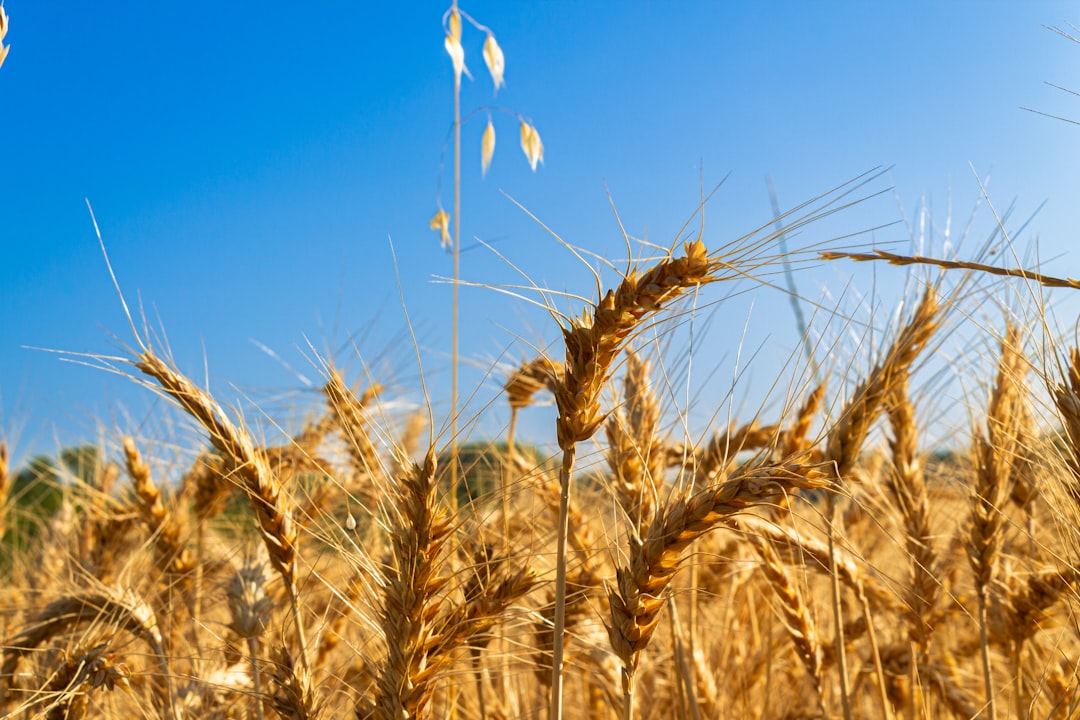
Agricultural commodities are raw, unprocessed food and fiber products traded on global exchanges. The major categories include:
- Grains & Oilseeds: Wheat, corn, soybeans, canola — these are the heavyweights, traded on the CME Group (Chicago Mercantile Exchange) and other global platforms.
- Soft Commodities: Coffee, cocoa, cotton, sugar — more volatile due to narrower geographic production zones.
- Livestock: Live cattle, lean hogs — tied closely to feed costs (which are themselves agricultural commodities).
- Specialty Crops: Rice, palm oil, rubber — often more regionally significant (e.g., palm oil dominates Southeast Asian markets).
Investors access these primarily through futures contracts, commodity ETFs (like the Invesco DB Agriculture Fund, ticker DBA), agricultural stocks (seed companies, fertilizer producers), or farmland REITs. Each entry point carries a very different risk profile — something Dana hadn’t considered at all.
The 2026 Risk Landscape: What’s Actually Happening Right Now
Let me give you the honest picture of where we stand in early 2026:
Climate Volatility Is No Longer a Tail Risk — It’s the Baseline. The 2025 La Niña cycle created significant disruption in South American soybean and corn production, with Argentine soybean output down roughly 12% from the prior year. Meanwhile, the U.S. Midwest experienced an unusually dry planting season. These weren’t black swans; they were increasingly predictable patterns of unpredictability. If that sounds paradoxical, welcome to agricultural investing.
Geopolitical Supply Chain Fragility. The Russia-Ukraine agricultural corridor remains a persistent concern. Ukraine, historically one of the world’s top exporters of sunflower oil and corn, continues to operate under constrained export capacity as of Q1 2026. Black Sea shipping premiums remain elevated, adding a structural cost layer to global grain pricing that wasn’t present five years ago.
Currency Dynamics. A stronger U.S. dollar (which has shown periods of strength in early 2026) typically suppresses agricultural commodity prices because most are dollar-denominated — making them more expensive for international buyers and reducing demand. This is counterintuitive for many first-time commodity investors: a strong dollar can hurt your agricultural commodity position even when crop fundamentals look bullish.
Biofuel Policy Whiplash. U.S. Renewable Fuel Standard (RFS) mandates and the EU’s evolving biofuel blending requirements directly impact corn and palm oil demand. In late 2025, a partial rollback of U.S. ethanol blend mandates caused a notable dip in corn futures — a policy-driven move that had nothing to do with supply or weather.
Return Potential: The Numbers Worth Knowing
Now, the part investors love to focus on — and often over-focus on.
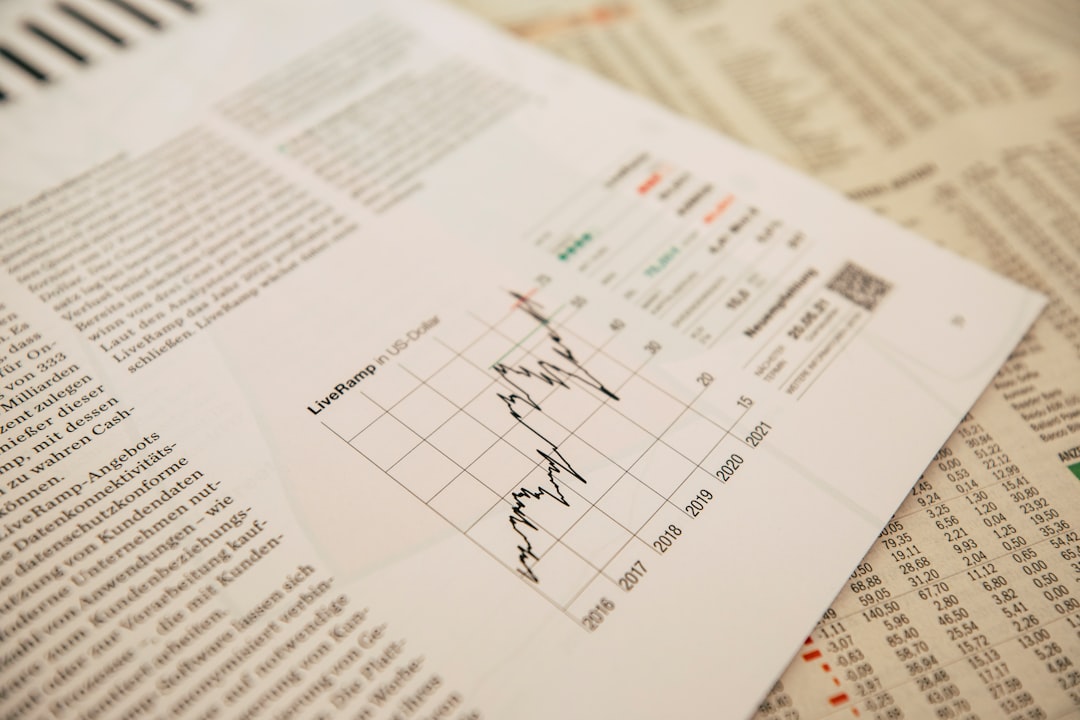
Looking at the Bloomberg Agriculture Subindex over the past decade, agricultural commodities have delivered average annualized returns of roughly 3–7%, but with standard deviation (a measure of volatility) that can exceed 20% in active years. Compare that to the S&P 500’s historical ~10% annualized return with roughly 15–17% standard deviation, and you start to see the risk-adjusted return story isn’t as straightforward as many newsletters suggest.
However, the compelling argument for agricultural commodities is their low correlation to traditional equity markets. During equity market crashes (like Q4 2022 or the AI valuation correction of mid-2025), certain agricultural commodities actually moved independently or even upward, providing genuine portfolio diversification. This is their real superpower — not necessarily high absolute returns, but returns that don’t move in lockstep with your stock portfolio.
Real-World Examples: Learning from Global and Domestic Cases
South Korea’s Strategic Agricultural Import Exposure (2025–2026): South Korea imports approximately 70% of its grain needs, making it one of the most agriculturally import-dependent OECD nations. In 2025, Korean food manufacturers like CJ CheilJedang and Daesang Corporation faced significant margin compression as global wheat and soybean prices spiked. Interestingly, some Korean institutional investors who had hedge positions in agricultural futures through commodity funds actually offset these operational losses — a textbook example of commodity investing as a business hedge, not just speculation.
The Coffee Rollercoaster of 2024–2026: Arabica coffee prices hit multi-decade highs in late 2024 due to drought in Brazil and Vietnam (the world’s top two producers). Investors who entered coffee futures positions in mid-2024 saw extraordinary short-term gains — only to watch prices partially correct through 2025 as Brazilian rains returned and speculative positions unwound. This cycle perfectly illustrates the mean reversion tendency in agricultural commodities: extreme weather creates price spikes, but production eventually responds, pulling prices back down.
Farmland REITs as a Quieter Alternative: U.S.-based Farmland Partners (FPI) and Gladstone Land Corporation (LAND) have attracted growing interest from investors who want agricultural exposure without futures volatility. These REITs own physical farmland leased to farmers, generating rental income. Their 2025 performance was notably more stable than direct commodity futures, though they come with their own liquidity constraints and interest rate sensitivity.
The Hidden Costs Nobody Talks About
This deserves its own section because it’s where many retail investors get quietly eroded:
- Roll Yield Drag: When you invest in commodity futures ETFs, the fund must regularly “roll” expiring futures contracts into new ones. When future prices are higher than current prices (a condition called contango), this rolling process creates a persistent cost drag that can significantly underperform the spot commodity price. Agricultural markets frequently experience contango.
- Storage and Logistics Costs: Unlike gold, you can’t physically store soybeans in your closet. The cost of physical delivery, warehousing, and transportation is built into futures pricing and can eat into returns.
- ETF Management Fees: Commodity ETFs typically charge 0.75–1.0% in annual fees — higher than most equity index funds. Over time, this compounds negatively.
- Tax Treatment Complexity: In many jurisdictions, commodity futures gains are taxed differently than equity gains. In the U.S., for example, futures contracts often fall under the “60/40 rule” (60% long-term, 40% short-term capital gains treatment regardless of holding period). Non-U.S. investors face additional treaty and withholding complexities.
Realistic Alternatives Worth Exploring
Here’s where I want to be genuinely helpful rather than just painting a scary picture. If you’re interested in agricultural commodity exposure but the direct risks feel too complex, consider these structured alternatives:
1. Agricultural Equity ETFs: Funds like the VanEck Agribusiness ETF (MOO) invest in companies across the agricultural value chain — seed producers, fertilizer manufacturers, farm equipment companies like Deere & Co., and food processors. You get indirect agricultural exposure with equity-level liquidity and without futures roll costs. The trade-off: you’re also exposed to company-specific management risk.
2. Diversified Real Asset Funds: Many balanced portfolios now include a “real assets” allocation (5–10%) that blends farmland, timberland, infrastructure, and commodities. This diversification within the real assets bucket smooths volatility considerably.
3. Inflation-Linked Bonds with Agricultural Tilt: TIPS (Treasury Inflation-Protected Securities) in the U.S. or similar instruments in Korea (물가연동국채) don’t directly track agricultural prices but protect against broad inflation — which agricultural commodity spikes often feed into. For risk-averse investors, this can be a cleaner inflation hedge.
4. Targeted Position Sizing: If you do want direct commodity exposure, financial planning consensus generally suggests limiting speculative commodity positions to no more than 5–10% of a total portfolio. Dana, after our conversation, allocated 6% to a diversified agricultural ETF — a position she can monitor without losing sleep.
The agricultural commodity space in 2026 is genuinely complex — shaped by climate science, geopolitics, monetary policy, and biological cycles all at once. That complexity isn’t a reason to avoid it entirely; it’s a reason to approach it with clear eyes, appropriate position sizing, and a realistic understanding of what you’re actually buying. The investors who do best in this space tend to treat it as a portfolio tool, not a get-rich-quick lever.
Editor’s Comment : Agricultural commodities are one of those rare asset classes where the more you learn, the more humbled you become — and that humility is actually your best risk management tool. If you’re just starting out, spending 30 minutes understanding what contango means in a futures ETF will do more for your returns than any market timing strategy. Think of agricultural investing as a relationship with the natural world — unpredictable, occasionally spectacular, and definitely requiring patience.
태그: [‘agricultural commodity investing’, ‘commodity ETF risks 2026’, ‘farming investment returns’, ‘agricultural futures trading’, ‘food commodity market’, ‘inflation hedge investments’, ‘farmland REIT alternatives’]
Leave a Reply