Picture this: it’s early 2026, and you’re sitting across from a financial advisor who keeps repeating the phrase “protect your purchasing power.” You nod along, but somewhere in the back of your mind you’re wondering — okay, but how exactly does buying a barrel of oil or a slice of wheat futures actually shield my savings from inflation? If that sounds familiar, you’re in the right place. Let’s think through this together, because building a commodity portfolio isn’t just about throwing money at gold and calling it a day.

Why Commodities Still Matter as an Inflation Hedge in 2026
Inflation in 2026 has taken on a more nuanced character than the blunt-force spikes we saw in prior years. Central banks across the G7 have been navigating a delicate balance — rates have softened slightly from their peaks, but structural inflation drivers like energy transition costs, labor shortages, and geopolitical supply disruptions haven’t gone away. According to IMF projections updated in early 2026, global inflation is expected to hover between 3.2% and 4.5% in emerging markets, and around 2.8% in advanced economies — still meaningfully above pre-2020 norms.
This is exactly where commodities enter the conversation. Unlike bonds (which lose real value when inflation rises) or cash (which erodes directly), commodities are real assets — their prices tend to move with inflation rather than against it. The logic: when the dollar buys less, it takes more dollars to buy a bushel of corn or an ounce of gold. That’s your hedge in action.
Breaking Down the Core Asset Classes
Not all commodities perform the same way under inflationary pressure. Let’s map out the main categories and what they’re actually doing in 2026:
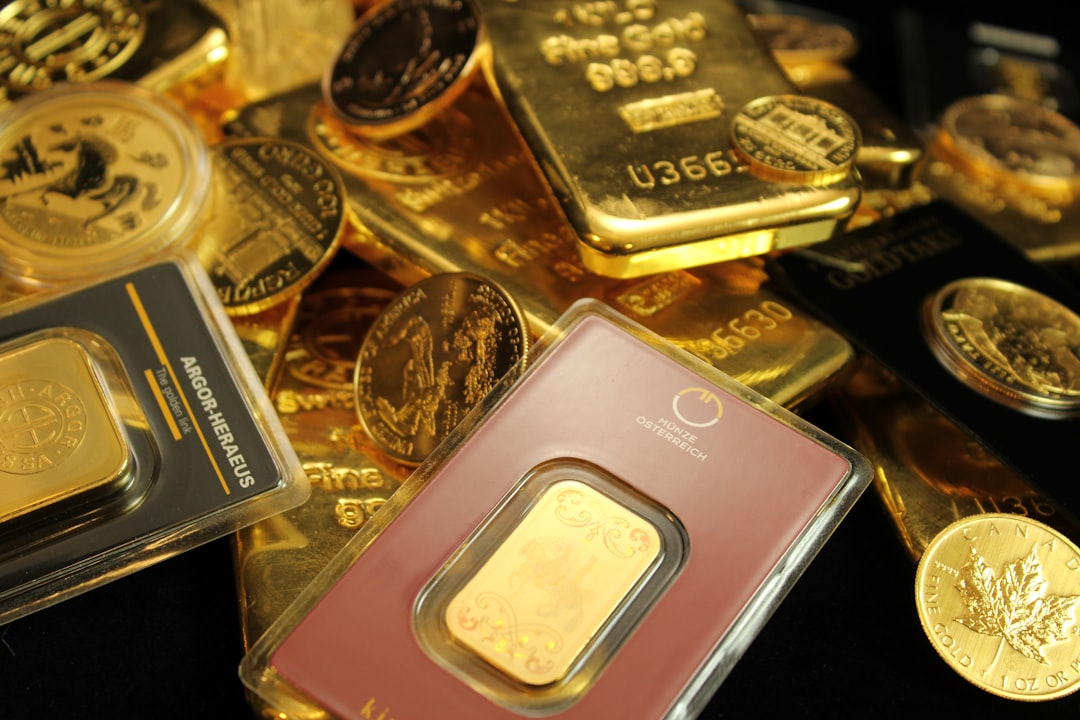
- Precious Metals (Gold & Silver): Gold crossed the $2,800/oz mark in late 2025 and has traded in the $2,750–$2,900 range through Q1 2026. It remains the classic store of value. Silver, meanwhile, benefits from dual demand — both as a monetary metal and as a critical input in solar panel manufacturing, which ties it to the green energy boom.
- Energy Commodities (Oil & Natural Gas): Brent crude has been oscillating between $82–$95/barrel, driven by OPEC+ production discipline and continued demand from Asia. Natural gas remains volatile but strategically important, especially in Europe where LNG infrastructure investments are still maturing.
- Agricultural Commodities (Wheat, Corn, Soybeans): Climate disruptions in major producing regions (Argentina, Australia, parts of Southeast Asia) have kept soft commodity prices elevated. These are particularly strong inflation hedges because food price inflation is itself one of the biggest components of CPI baskets globally.
- Industrial Metals (Copper, Lithium, Nickel): Copper in particular is often called “Dr. Copper” because it reflects broader economic activity. In 2026, copper demand is being supercharged by EV infrastructure and grid modernization. Lithium prices have stabilized after a sharp correction in 2024–2025, making entry points more attractive for long-term holders.
- Commodity ETFs & Broad Indexes: For those who don’t want direct exposure to futures contracts (which involve rollover costs and complexity), ETFs tracking indexes like the Bloomberg Commodity Index offer diversified exposure. The iPath Bloomberg Commodity Index Total Return ETN (DJP) and Invesco DB Commodity Index Tracking Fund (DBC) remain popular vehicles in 2026.
Real-World Portfolio Examples: Domestic & International Approaches
Let’s look at how investors in different contexts are approaching this in 2026:
South Korean Retail Investors: With the Korean won experiencing moderate depreciation pressure against the dollar in early 2026, Korean investors have shown increased interest in dollar-denominated gold ETFs and overseas commodity funds. The Korea Exchange (KRX) has also seen growing trading volume in gold futures contracts, and several domestic asset managers have launched commodity-linked structured products targeting the inflation-aware segment.
U.S. Institutional Approach: Large pension funds like the California Public Employees’ Retirement System (CalPERS) have maintained commodity allocations in the 4–7% range of their total portfolio as part of their inflation-sensitive asset strategy. They tend to favor diversified commodity indexes rather than single-commodity bets, smoothing out volatility.
European Family Offices: Given Europe’s ongoing energy security concerns, many high-net-worth European investors have deliberately overweighted energy commodities and agricultural inputs, viewing them as both inflation hedges and geopolitical risk buffers simultaneously.
The Mechanics: How to Actually Build This Portfolio
Here’s where we get practical. Building a commodity portfolio isn’t one-size-fits-all. Your approach should depend on your investment horizon, risk tolerance, and whether you’re in an accumulation or preservation phase. Here’s a logical framework to work from:
- Conservative (Capital Preservation Focus): 60–70% precious metals (mostly gold via ETF or physical), 20–30% broad commodity index ETF, 10% cash or short-term TIPS (Treasury Inflation-Protected Securities). This setup prioritizes stability over growth.
- Balanced (Moderate Risk): 30% gold/silver, 25% energy ETF or individual energy stocks with commodity exposure, 25% industrial metals (copper-focused), 20% agricultural commodity fund. This captures more upside across the commodity cycle.
- Aggressive (Growth with Inflation Protection): 20% gold, 30% energy (including uranium, which has had a remarkable run tied to nuclear energy expansion), 30% industrial metals (heavy lithium/copper weighting), 20% agricultural commodities with direct futures exposure. Higher volatility, but potentially stronger real returns.
One important concept for beginners: contango and backwardation. These are terms that describe the shape of futures curves. In contango (where future prices are higher than spot prices), rolling futures contracts forward costs you money over time — this is a hidden drag on commodity ETF returns. It’s worth checking whether the ETFs you choose use strategies to minimize this roll cost.
Realistic Alternatives for Different Situations
Maybe you’re reading this thinking: “I only have $500 to invest” or “I’m already heavily invested in equities — I can’t completely restructure.” Totally valid. Here are some realistic, accessible paths:
- If you have limited capital: Start with a single broad commodity ETF (like DBC or PDBC in the U.S.) or a gold accumulation account if you’re in Korea. These give you commodity exposure without needing large minimum investments or futures knowledge.
- If you prefer stocks to futures: Consider commodity-adjacent equities — mining companies (like Barrick Gold, Freeport-McMoRan), agricultural input companies, or integrated energy majors. These companies’ revenues are directly tied to commodity prices, giving you indirect inflation protection with the familiarity of stock investing.
- If you want inflation protection but hate volatility: TIPS (in the U.S.) or inflation-linked bonds in your home country offer a smoother ride. They won’t give you the upside of a copper surge, but they guarantee your real purchasing power on the bond portion of your portfolio.
- If you’re already diversified: Even a 5–10% allocation to a broad commodity index is enough to meaningfully shift your portfolio’s correlation to inflation. You don’t need to go all-in to benefit.
The key takeaway here is proportionality and intentionality. Commodities are one tool in the inflation-hedging toolbox — not the whole workshop. Pairing them with real estate exposure (REITs), dividend-paying stocks in resource sectors, and inflation-linked fixed income creates a much more resilient overall structure.
Editor’s Comment : What I find genuinely fascinating about 2026’s commodity landscape is that we’re not just hedging against “old school” inflation drivers anymore. The energy transition has permanently wired metals like copper, lithium, and uranium into the inflation narrative in ways that simply didn’t exist a decade ago. That means building a commodity hedge portfolio today requires thinking about both the macro cycle and the structural demand shift simultaneously. Start small, stay diversified across commodity classes, and resist the urge to chase any single hot commodity. The investors who’ll come out ahead are the ones who treat this as a long-game, thoughtful allocation — not a speculative bet.
태그: [‘inflation hedge commodities 2026’, ‘commodity portfolio strategy’, ‘gold silver inflation protection’, ‘copper lithium investment’, ‘commodity ETF guide’, ‘real assets portfolio’, ‘inflation investing tips’]
Leave a Reply