Author: likevinci

  • I Wasted 6 Months on High-Volume Keywords — Here’s the 2026 Strategy That Actually Works

    Let me tell you about a conversation I had with a fellow content creator back in early 2026. She’d spent half a year cranking out blog posts, obsessively targeting keywords with 50,000+ monthly searches. Traffic? Practically zero. Sound familiar? It’s a trap a lot of us fall into — and honestly, I fell into it too before I completely rethought my approach to keyword research. So let’s dig into what’s actually working right now, and why the old volume-first playbook is quietly killing your SEO.

    keyword research strategy, SEO intent analysis 2026

    Why High Volume No Longer Means High Traffic

    Here’s the hard truth: 58.5% of all searches in the US now result in zero clicks. Google answers the question right on the results page, and the user never visits your site. So chasing raw volume without considering what happens after the search is a recipe for disappointment. The fundamental shift we’re living through in 2026 is a move from volume-first to intent-first keyword strategy — and it changes everything about how we pick and cluster our keywords.

    Think about it this way: 91.8% of all searches are long-tail keywords, and research shows they convert at 2.5 times the rate of short-tail terms. That “how to lose weight” keyword with 673,000 monthly searches? It’s dominated by WebMD, Healthline, and NIH. But “best low-impact workout plan for women over 40 with bad knees”? Now that’s a winnable, intent-rich phrase with real buyers behind it.

    The Real Definition of Keyword Research in 2026

    Keyword research today means identifying the exact questions, problems, and decisions your target audience is searching for — then matching your content to the intent behind each search, not just the literal words used. It’s not enough to rank anymore; you have to be the right answer for the right person at the right moment in their journey.

    Modern search engines — including AI platforms like ChatGPT, Perplexity, and Google’s AI Overviews — rely on a combination of keywords, semantics, and contextual signals to interpret content. Without clear keyword signals in your titles, headers, and meta tags, even AI systems may struggle to understand what your page is actually about, especially in crowded niches.

    The 5-Phase Keyword Research Framework That’s Working Right Now

    Here’s the practical workflow I’ve landed on for 2026, refined from trial and error and a lot of wasted content budget:

    • Phase 1 — Seed Keyword Brainstorming: Before opening any tool, write down the 10–20 most common questions your customers ask before buying from you. Real customer language beats industry jargon every single time. These are your seed keywords.
    • Phase 2 — Volume & Difficulty Assessment: Expand your seeds using tools like Google Keyword Planner, Semrush, or Ahrefs. For newer sites, focus on keywords scoring below KD 30 — they’re far more accessible and still move the needle.
    • Phase 3 — Intent Mapping: Manually search your target keyword. Look at what’s actually ranking — are they blog posts, service pages, or product listings? If transactional results dominate, your blog post won’t crack page one, no matter how good it is.
    • Phase 4 — Topic Clustering: Rather than targeting one keyword per page, build clusters of thematically linked content. This increases topical authority and helps you rank for multiple related terms simultaneously.
    • Phase 5 — Editorial Calendar Build: Map your clusters to a content schedule. Think 8+ quality pages per month if you’re aiming for serious ROI — research from First Page Sage puts thought leadership SEO at 748% ROI over three years versus just 16% for unfocused content output.

    Tools Worth Using (And One to Avoid)

    The keyword toolbox in 2026 has expanded massively, with AI and predictive analytics built into most platforms. Here’s what actually matters for your stack:

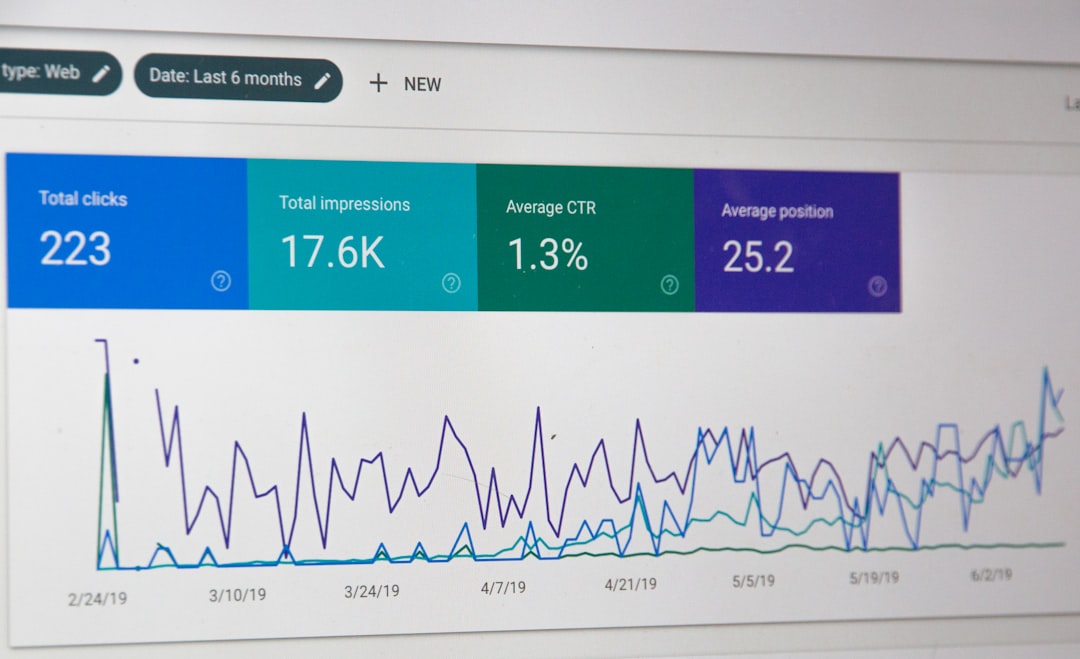
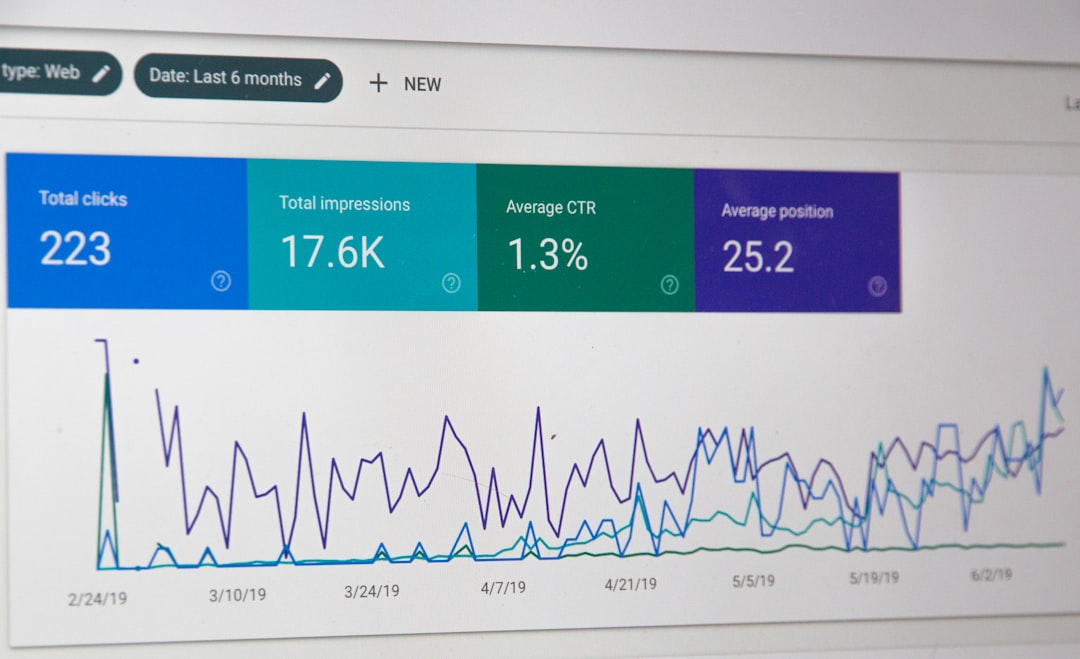
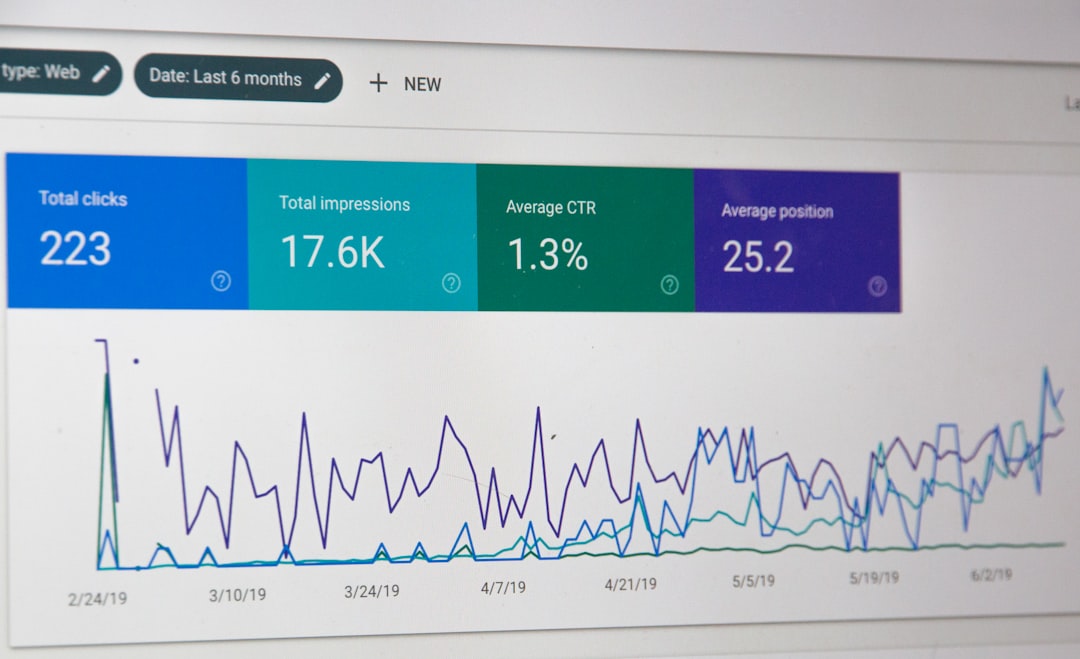
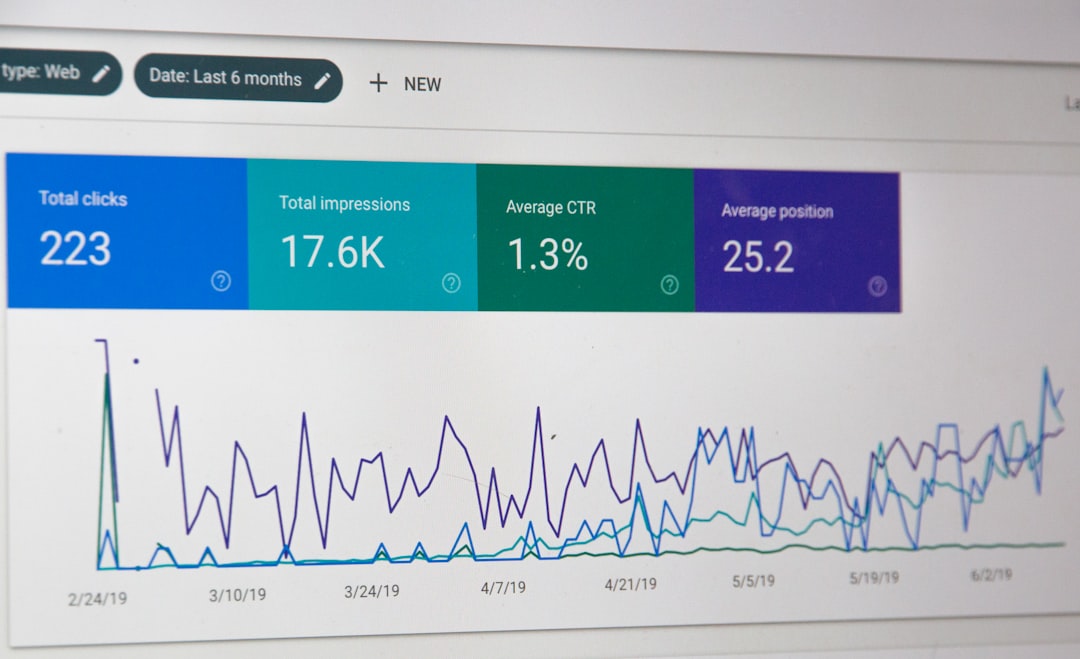
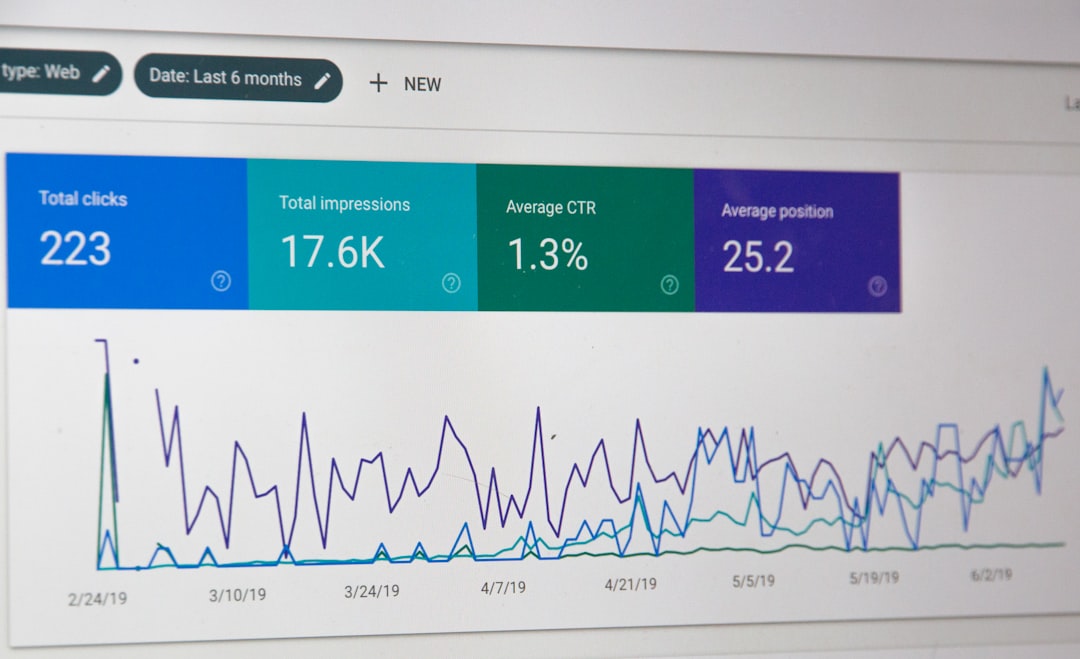
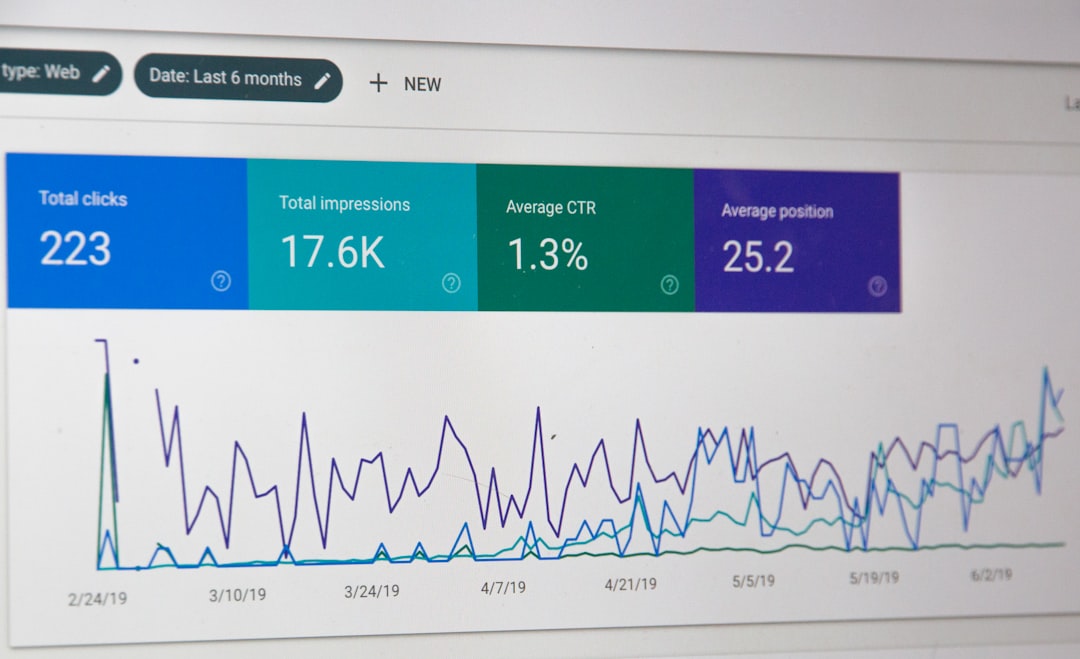
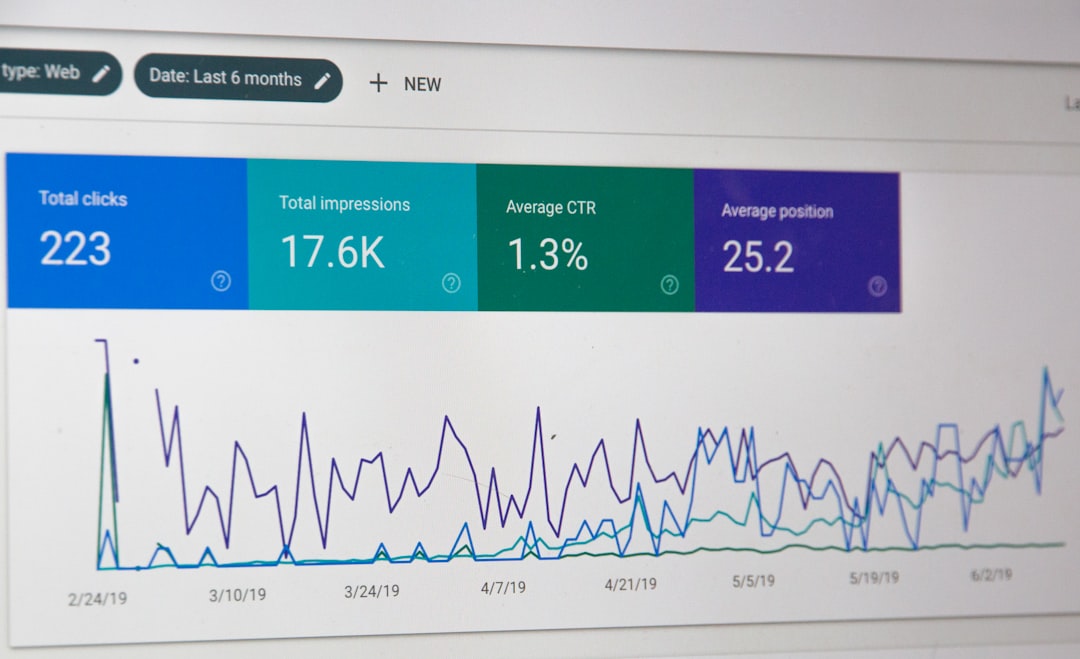
    • Google Search Console — Free, reliable, and now shows AI Overview query data. Non-negotiable.
    • Semrush / Ahrefs — Best for competitive gap analysis and SERP feature tracking (People Also Ask, video snippets).
    • AlsoAsked — Brilliant for uncovering question-based long-tail clusters around any seed topic.
    • TikTok, Reddit, YouTube Search — Seriously underrated. Social search queries reveal how your audience actually phrases their problems in natural language.
    • ChatGPT for keyword data — Avoid it. The volume and difficulty figures it produces are not grounded in real search data and can actively mislead your strategy.
    SEO keyword tools dashboard, long-tail keyword clustering

    The AI Search Layer You Can’t Ignore Anymore

    Here’s where 2026 gets genuinely different from anything we’ve dealt with before. Your keyword strategy now has to serve two masters: traditional Google SERPs and AI-generated answer engines. When someone asks ChatGPT or Perplexity a question, those platforms pull from structured, authoritative content — and keyword signals are still part of how they index and retrieve pages. Being cited in an AI answer is the new position zero.

    One practical move: check whether Google AI Overviews appear for your target keywords before writing. If they do, your content needs to directly and concisely answer the query — not dance around it for 800 words before getting to the point.

    A Note on Keyword Cannibalization — The Silent Traffic Killer

    One mistake I see constantly: multiple pages on the same site targeting the same primary keyword. This is keyword cannibalization, and it splits your domain authority, often causing neither page to rank well. The fix is simple in principle but requires discipline: each primary keyword maps to exactly one canonical page. Audit your site quarterly — search behavior and AI search patterns evolve fast enough in 2026 that annual reviews simply aren’t sufficient anymore.

    What the ROI Data Actually Says

    Let’s close the loop on the business case, because it’s compelling. B2B companies using strategic, intent-driven keyword research are seeing SEO ROI between 702% and 1,389% over three years. Organic search drives 44.6% of all B2B revenue — the single largest channel. And SEO leads close at a 14.6% rate versus just 1.7% for outbound methods. The math is not subtle. Keyword research done right isn’t a marketing nicety — it’s a revenue engine.

    If you’re a newer site or blog, focus on long-tail, low-competition phrases with clear informational or transactional intent. If you have domain authority and resources, layer in cluster strategies targeting mid-competition terms with AI Overview visibility. Either way, stop chasing vanity volume metrics and start asking: Why is this person searching, and am I genuinely the best answer?

    💬 Drop a comment below: What’s the biggest keyword research mistake you made before figuring this out? I’d love to hear your story — the messy, real version.


    📚 관련된 다른 글도 읽어 보세요

    태그: []

  • I Wasted Months Chasing Volume — The 2026 Keyword Research Guide That Actually Works

    A friend of mine — a talented writer who’d been blogging for two years — called me frustrated last spring. She’d spent months producing articles targeting keywords with 10,000+ monthly searches. Traffic? Virtually zero. Sound familiar? That exact conversation is what pushed me to dig deep into what keyword research actually looks like in 2026, because the old playbook is genuinely broken.

    Let’s unpack this together — from why volume-chasing fails, to the intent-first approach that’s working right now.

    keyword research strategy, SEO data analytics dashboard 2026

    The Volume Trap: Why High-Search Keywords Are Lying to You

    Here’s the uncomfortable truth most SEO guides won’t tell you up front: chasing high-volume keywords is a losing strategy in 2026. The landscape has shifted dramatically.

    With 58.5% of searches now resulting in zero clicks, and 91.8% of all searches being long-tail keywords, successful 2026 keyword research must serve two purposes: ranking in traditional search results and being cited in AI-generated answers. That zero-click stat alone should make you rethink your entire approach.

    For years, keyword research was simple — find a phrase with high volume and low competition. In 2026, in the era of AI Search and semantic understanding, this approach is doomed to fail.

    So what actually works? Intent. Context. Specificity.

    The Intent-First Shift: What Modern Keyword Research Really Means

    Keyword research has fundamentally shifted from volume-first to intent-first methodology. The fundamental shift is from volume-first to intent-first thinking. Keyword research is no longer about finding high-volume terms and creating content around them. The methodology now prioritises understanding what your audience needs to know, then identifying the queries that reflect those needs across both traditional search and AI platforms.

    Despite repeated claims that “keywords are dead,” the reality is nuanced: Keywords still signal relevance — they help search engines understand what the content is about. Exact match chasing is obsolete — keyword stuffing does not improve rankings. Context matters more — today’s systems focus on meaning, intent, and topic coverage rather than exact word counts.

    Think of it this way: instead of targeting “weight loss” (enormous volume, brutal competition, zero clarity on intent), you target “why am I not losing weight eating 1400 calories” — a question with clear intent, a real person behind it, and a far more winnable SERP.

    The Data Behind Long-Tail Keywords (It’s Bigger Than You Think)

    Long-tail keywords are specific phrases (3+ words) with lower volume but higher conversion rates. Research shows 91.8% of searches are long-tail, and they convert at 2.5 times the rate of short-tail terms. That conversion multiplier is the number most people sleep on.

    And the ROI case is staggering: thought leadership SEO with strategic keyword research (approximately 8 pages monthly) delivers 748% ROI over three years, whilst basic content marketing without proper keyword research (approximately 4 articles monthly) delivers only 16% ROI.

    The gap between doing keyword research well and doing it poorly isn’t marginal — it’s the difference between 16% and 748% return. Let that sink in.

    long-tail keyword intent funnel, SEO content strategy planning

    Semantic Keywords & the “People Also Ask” Goldmine

    One of the most underused tactics in 2026 is mining Google’s own SERP features for content direction. If you’re writing about “electric cars,” Google expects you to mention “batteries,” “charging stations,” “range,” and “Tesla.” The “People Also Ask” (PAA) section in Google results shows you real, related questions that users are asking. Each of these questions is a potential H2 or H3 heading in your article.

    Between 2023 and 2026, search engine algorithms have become almost sentient, leaning heavily on natural language processing and AI. The focus shifted from keyword density to content relevance and context. Covering a topic holistically — not just repeating one phrase — is now table stakes.

    The 2026 Keyword Research Toolkit: What to Use (and What to Skip)

    Let’s be practical. Here’s a breakdown of what the working toolkit looks like right now:

    • Semrush: SEMrush remains a favorite among marketers due to its extensive database and features. The tool provides comprehensive keyword analytics, including search volumes, trends, and competitiveness. Its keyword magic tool allows users to find long-tail keywords and related queries, making it invaluable for crafting content strategies.
    • Ahrefs: Ahrefs has become synonymous with high-quality backlink analysis, but its keyword research capabilities are equally impressive. The tool offers unique metrics, such as keyword difficulty and clicks per search, providing a holistic view of any keyword’s potential.
    • Google Search Console: Search Console shows you what people have searched when your site appears in the results. And yes, this includes AI Overviews / AI Mode queries, too. Free, first-party, and massively undervalued.
    • AlsoAsked / PAA tools: AlsoAsked is one of the best question-finding tools — just type in a keyword or trend and get a graph of all the related questions people are asking about the subject.
    • Google Keyword Planner: In 2026, there’s a shift toward smarter SEO tools focused on user intent and search patterns. Trusted platforms such as Google Keyword Planner remain free and provide access to reliable insights.
    • Skip ChatGPT for keyword data: Don’t ask ChatGPT to give you blog keywords; it’ll lie to you. The data is never accurate in terms of how popular or difficult a particular keyword is. Use it for ideation, not validation.

    A Practical 5-Phase Workflow You Can Start Today

    Use a five-phase framework: generate ideas, assess volume and difficulty, map to intent, cluster into topic silos, and build an editorial calendar. Here’s how that plays out in practice:

    1. Define your audience problems — What questions keep them up at night? Start there, not with a keyword tool.
    2. Generate seed keywordsBegin with real audience questions, problems, and goals. Prioritize terms with informational or navigational intent first, then map transactional terms to product pages or checkout paths.
    3. Assess difficulty vs. intent — High volume + high difficulty + vague intent = a trap. Low-to-medium volume + clear buying intent = opportunity.
    4. Build topic clustersBy targeting long-tail, intent-rich phrases you can outrank competitors for queries that matter most to your business. One pillar page + 6–10 supporting articles beats 10 disconnected posts every time.
    5. Review quarterlyReview keyword strategy quarterly for most businesses. Search behaviour, competitor positioning, and AI search patterns evolve continuously.

    AI Search Is Changing the Game — But Not Killing Keywords

    There’s panic in some corners of the SEO world about AI search cannibalizing traffic. The reality is more nuanced. Even in 2026, AI search isn’t fully “freeform.” It still leverages structured content signals (keywords being one of them) to index and retrieve relevant pages. Without those signals, AI models may struggle to interpret your content’s purpose, especially in crowded niches. So while AI makes search smarter, it doesn’t make keyword data obsolete — it actually enhances the need to understand and use keywords intelligently.

    Keyword research in 2026 combines traditional search analysis with AI search optimisation to identify the terms and topics your audience uses across Google, ChatGPT, and Perplexity. The process involves understanding search intent, building topical authority, and structuring content for both human readers and AI extraction.

    Quick Reference: The 2026 Keyword Research Checklist

    • ✅ Focus on intent signals (informational, navigational, transactional) — not just search volume
    • ✅ Target long-tail queries (3+ words) — they represent 91.8% of all searches and convert 2.5x better
    • ✅ Mine PAA boxes for H2/H3 heading ideas that Google already validates
    • ✅ Use NLP/LSI terms naturally throughout content — don’t just repeat the head keyword
    • ✅ Build topic clusters instead of isolated blog posts
    • ✅ Validate keyword data with Semrush, Ahrefs, or Google Search Console — not AI chatbots
    • ✅ Optimize for both traditional SERPs and AI-generated answers
    • ✅ Review and refresh your keyword strategy every quarter

    If You’re Just Starting Out vs. If You’re Scaling

    If you’re a new site or blogger with limited authority — focus exclusively on long-tail, low-competition, high-intent keywords for the first 6–12 months. Winning small builds the topical authority you need for bigger terms later. If you’re an established brand or agency scaling content — invest in topic cluster architecture, integrate keyword research with your content calendar, and track not just rankings but AI citation frequency.

    The formula hasn’t disappeared — it’s just gotten smarter. Right Keyword + Right Intent + Quality Content = Traffic.

    💬 Drop a comment below telling me the biggest keyword mistake you made before switching to an intent-first approach — I read every single one, and your story might just help someone else avoid losing those months my friend lost.


    📚 관련된 다른 글도 읽어 보세요

    태그: []

  • Stop Chasing Volume — The 2026 Keyword Research Reality Check Nobody Warned You About

    A colleague of mine — a sharp content marketer with five years of experience — spent three months building out a massive content hub, all anchored around high-volume, low-competition keywords she’d pulled from a tool. Traffic was flat. Conversions? Nearly nonexistent. When we dug into her strategy together, the problem was obvious: she was playing the 2019 keyword game in 2026. And she’s far from alone.

    Keyword research has always been the backbone of SEO, but right now, in mid-2026, the rules have genuinely shifted underneath our feet. Let’s unpack exactly what’s changed, what still works, and how to build a strategy that holds up — whether you’re a solo blogger or a B2B content team.

    keyword research strategy, SEO dashboard analytics 2026

    The Old Playbook Is Officially Broken

    For years, the keyword research formula was almost embarrassingly simple: find a phrase with high volume and low competition, write a piece targeting it, repeat. For years, keyword research meant finding a phrase with high volume and low competition — but in 2026, in the era of AI Search and semantic understanding, this approach is doomed to fail.

    Here’s the number that should stop you cold: with 58.5% of searches now resulting in zero clicks, understanding search intent has become more important than chasing volume. Think about that. More than half of all searches never produce a click to any website. If you’re optimizing purely for traffic volume, you may be winning rankings for terms that deliver nothing to your bottom line.

    And the shift isn’t just philosophical. Keyword research has fundamentally shifted from volume-first to intent-first methodology. With 91.8% of all searches being long-tail keywords, and AI search platforms accounting for growing search share, successful 2026 keyword research must serve two purposes: ranking in traditional search results and being cited in AI-generated answers.

    What “Intent-First” Actually Means in Practice

    Intent-first isn’t just a buzzword — it’s a complete rethinking of how you categorize and prioritize keywords. Understanding the types of keywords helps you address both what users search for and why they search — this principle is still relevant in 2026. Despite repeated claims that “keywords are dead,” the reality is nuanced: keywords still signal relevance and help search engines understand what content is about.

    But the execution has changed dramatically. Exact match chasing is obsolete — keyword stuffing does not improve rankings. Context matters more: today’s systems focus on meaning, intent, and topic coverage rather than exact word counts.

    Here’s what the new approach looks like in practice: AI Search further strengthens the importance of intent and context. People will ask more complex, conversational questions. Your research must focus on anticipating these questions and creating content that provides comprehensive, authoritative answers — not just matching keywords.

    A concrete example: NLP and LSI keywords aren’t just synonyms — they are terms and phrases that naturally co-occur in conversation about a given topic. If you’re writing about “electric cars,” Google expects you to mention “batteries,” “charging stations,” “range,” and “Tesla.”

    The Long-Tail Advantage Is Bigger Than Ever

    If you’ve been sleeping on long-tail keywords, now is the time to wake up. Long-tail keywords are specific phrases (3+ words) with lower volume but higher conversion rates. Research shows 91.8% of searches are long-tail, and they convert at 2.5 times the rate of short-tail terms.

    And here’s the counterintuitive insight that most people miss: many valuable B2B queries don’t register in keyword tools because search volume is too low — but they represent high-intent buyers. Terms like “HubSpot onboarding agency London” may show zero volume yet drive qualified pipeline.

    This is especially critical now that AI search tools (ChatGPT, Perplexity, Google’s AI Mode) are directly answering user questions. A keyword can be one word, a few words, or even a full sentence. People who use AI tools to find information are asking in full sentences, usually questions — so you’ll want to prioritize using and answering full questions in your blog posts.

    Tools That Actually Work Right Now

    Let’s get specific. Here’s what a solid 2026 keyword research tech stack looks like:

    • Semrush: Semrush remains a favorite among marketers due to its extensive database and features. The tool provides comprehensive keyword analytics, including search volumes, trends, and competitiveness. Its keyword magic tool allows users to find long-tail keywords and related queries, making it invaluable for crafting content strategies.
    • Ahrefs: Ahrefs has become synonymous with high-quality backlink analysis, but its keyword research capabilities are equally impressive. The tool offers unique metrics, such as keyword difficulty and clicks per search, providing a holistic view of any keyword’s potential.
    • Google Search Console: To get a good handle on your blog keywords this year, Search Console shows you what people have searched when your site appears in the results — and yes, this includes AI Overviews and AI Mode queries, too.
    • AlsoAsked / People Also Ask Analysis: The “People Also Ask” section in Google results shows you real, related questions that users are asking. Each of these questions is a potential H2 or H3 heading in your article.
    • Avoid ChatGPT for raw keyword data: Don’t ask ChatGPT to give you blog keywords — it’ll lie to you. The data is never accurate in terms of how popular or difficult a particular keyword is.
    SEO keyword tools comparison, Semrush Ahrefs interface

    The ROI Case: Why This Actually Matters Financially

    Still not convinced this strategic pivot is worth the effort? The numbers speak clearly. Organic search generates 44.6% of all B2B revenue — the largest single channel. Thought leadership SEO with strategic keyword research (approximately 8 pages monthly) delivers 748% ROI over three years, while basic content marketing without proper keyword research delivers only 16% ROI.

    The gap between “doing keyword research” and “doing it strategically” is not marginal — it’s a 46x difference in ROI. That should change how you think about the time you invest in this process.

    How Often Should You Revisit Your Keyword Strategy?

    This one catches a lot of people off guard. It’s not a “set it and forget it” exercise. Review keyword strategy quarterly for most businesses. Search behaviour, competitor positioning, and AI search patterns evolve continuously. Monthly reviews are appropriate for fast-moving industries or during major product launches. Annual keyword research is insufficient given the pace of change in 2026.

    Building a Realistic 2026 Keyword Strategy

    Here’s a simplified framework to get you started without drowning in complexity:

    • Start with intent, not volume. Ask yourself: “What problem is someone trying to solve when they type this?” Informational, transactional, or navigational — know the difference.
    • Build topic clusters, not isolated pages. Rather than targeting one keyword per page, create clusters of thematically linked content. This approach increases authority and ranks for multiple related terms.
    • Optimize for AI citation, not just blue links. Keyword research in 2026 combines traditional search analysis with AI search optimisation to identify the terms and topics your audience uses across Google, ChatGPT, and Perplexity. The process involves understanding search intent, building topical authority, and structuring content for both human readers and AI extraction.
    • Place keywords strategically, not obsessively. Focus on one primary keyword for a page, then look for questions that relate to it. Work those questions into the content naturally, making them headers (H2 or H3) where possible.
    • Use structured data. Incorporate structured data markup (like JSON-LD) with exact match phrases to improve AI recognition and visibility in SERP features.

    The good news: no, using keywords the way you did in 2010 won’t fly in 2026 — but if you were up to date on SEO best practices within the past three years, you’ll find that the shift to “2026 SEO” isn’t too dramatic, and keywords are indeed still relevant. The foundation is familiar; it’s the execution and prioritization that require updating.

    If you’re starting from zero, remember this: if you want to rank on Google in 2026, everything starts with keyword research. Without the right keywords, even the best content won’t bring traffic. But the right keywords now means the right intent, not just the right volume.

    💬 Drop a comment below: Are you still using a volume-first approach, or have you made the switch to intent-first keyword research? Share your biggest win — or your biggest stumble — from updating your strategy this year. We’re all figuring this out together.


    📚 관련된 다른 글도 읽어 보세요

    태그: []

  • I Wasted 6 Months on the Wrong Tool — Real Keyword Research Guide for 2026

    A friend of mine — a smart content strategist with years of experience — told me recently that she’d spent the better part of last year paying for three different SEO subscriptions simultaneously, never quite feeling like she had a full picture of her rankings, keyword gaps, or competitor moves. Sound familiar? I’ve been there too. The keyword research space is loud, full of conflicting advice, and honestly, pretty easy to get wrong, especially when the tooling landscape keeps shifting under your feet.

    So let’s slow down, think this through together, and figure out what actually matters in 2026 — not just what the sales pages tell you.

    keyword research tools dashboard, SEO strategy 2026

    Why Keyword Research Still Makes or Breaks Your SEO in 2026

    Choosing the right keyword research tool can make or break your SEO strategy. In 2026, the digital landscape is more crowded than ever, and simply “guessing” what your audience is searching for is a recipe for invisibility. That’s not marketing hyperbole — it’s the lived reality for anyone who’s published content and watched it disappear into page 5 of Google.

    Keyword research tools help you understand what people search for, how competitive those queries are, and which pages already win — and in 2026, strong keyword research also means understanding AI Overview potential, search intent, SERP features, and topical clusters. That’s a significantly expanded job description compared to just hunting for high-volume terms a few years back.

    Here’s a hard truth that most comparison articles skip: the most common mistake in SEO is writing for keywords instead of people. In 2026, Google’s algorithms prioritize intent matching over raw keyword placement. That means if your content doesn’t answer the why behind the search, it won’t rank.

    And if you’re still keyword-stuffing? Keyword stuffing is still one of the fastest ways to hurt your rankings. In 2026, Google’s natural language processing tools easily detect forced keyword usage and penalize pages that sacrifice readability.

    The Tool Overload Problem (And How to Escape It)

    With over 100 tools currently flooding the market, the challenge isn’t finding a tool — it’s finding the one that actually delivers accurate, actionable data without draining your marketing budget. Many marketers find themselves trapped in a cycle of paying for three different subscriptions just to get a clear picture of their rankings, competitor gaps, and search volumes.

    The fix? Before choosing a tool, identify what is slowing your SEO growth. Buying a full suite makes no sense if your only problem is technical crawling. A content tool will not fix poor backlinks. A rank tracker will not help if your pages are not indexed. Start with your specific bottleneck, not with a feature checklist.

    Also — and this is something beginners constantly get wrong — the biggest mistake beginners make is buying paid tools before using free ones properly. Free tools can handle indexing checks, keyword discovery, technical basics, speed testing, and content ideas.

    The 2026 Tool Landscape: Who’s Who

    The market in 2026 is divided into a few categories: the established “legacy” giants, budget-friendly entry-level tools, and the new wave of AI-native platforms. Here’s a practical breakdown of what’s worth your attention:

    • Ahrefs Keywords Explorer: One of the most robust and reliable keyword research tools, popular among SEO professionals for its vast database and comprehensive keyword analysis. Ideal when backlinks and keyword depth matter most.
    • Semrush Keyword Magic Tool: Preferred for in-depth competitor and keyword research — granular keyword metrics, search intent, SERP features, and competitive keyword gap insights are all included. Better integrated with PPC, content, competitor research, and reporting.
    • Google Keyword Planner: A free tool within Google Ads used for keyword research and planning advertising campaigns. It provides data on keyword search volume, competition, and forecasts, making it valuable for advertisers, SEO professionals, and content creators.
    • Ubersuggest: A great fit if you’re running a small business or doing SEO for your own website and don’t want to burn money on expensive tools. Ubersuggest has also introduced a new report called AI Keyword Overview as part of their keyword research tools.
    • KeySearch: Great for any content or SEO professional just starting out — super budget-friendly and a great way to start learning how to use premium keyword research tools. The Starter Plan is $24/month, giving you up to 200 keyword searches per day and 80 tracked keywords.
    • SpyFu: A competitive research tool that helps users find the best-performing keywords used by their competitors, ideal for competitive analysis and uncovering hidden keyword opportunities.
    • Answer The Public: A unique keyword research tool that generates keyword suggestions based on questions people ask on search engines, particularly useful for content creators looking for inspiration for blog posts and articles.

    What Separates a Good Tool from a Great One in 2026

    Beyond the brand names, there are specific features that actually separate useful tools from fancy-looking dashboards. The best SEO tools for keyword research will go beyond search volume and difficulty level. By highlighting intent, gaps in the competition, and new trends, they help marketers create content that engages, ranks, and delivers results.

    In 2026, machine learning algorithms play a massive role. Tools like ClickRank use AI to predict future search trends and calculate “true” keyword difficulty by analyzing hundreds of on-page and off-page factors simultaneously. By blending real-time data with historical archives, these tools provide a 360-degree view of the search landscape.

    One thing worth noting: AI visibility tracking is one of the fastest-growing categories in SEO tools in 2026. If you’re not thinking about how your content appears in AI Overviews and platforms like Perplexity or ChatGPT, you’re already a step behind. According to the Google team, SEO and AI SEO are not separate disciplines. The fundamentals that have always mattered, such as helpful content and genuine expertise, are the same fundamentals that AI search rewards.

    SEO keyword intent analysis, AI search overview tools

    If Your Situation Is A… Choose X. If B… Choose Y.

    Let’s make this concrete. The decision tree here really matters:

    • If you’re a solo blogger or small business owner on a tight budget → Start with Google Keyword Planner + Ubersuggest. Google Keyword Planner, Ubersuggest, and KWFinder offer user-friendly interfaces and basic features for easy keyword research.
    • If you’re an SEO professional or agency needing deep data and competitor analysis → Ahrefs, SEMrush, and Moz provide in-depth keyword data and competitor analysis, ideal for advanced SEO strategies.
    • If you’re focused on PPC + organic alignment → Semrush or SpyFu give you the clearest overlap between paid and organic keyword data.
    • If you’re building a niche content site targeting low-competition long-tails → Long Tail Pro is a keyword research tool designed to help users find less competitive, long-tail keywords, perfect for niche sites and businesses looking to target specific search queries.
    • If budget is truly zeroGoogle Search Console, Google Keyword Planner, and free tool suites cover many daily SEO tasks — don’t overlook them.

    The Practical Workflow That Still Works

    Forget the tool for a moment. The process matters more than the platform. Here’s a simple, repeatable framework:

    1. Start with a goal — decide if you’re optimizing for authority, conversion, or awareness first.
    2. Input seed keywords — enter base terms to generate a universe of suggestions.
    3. Sort by intent — separate informational from transactional queries.
    4. Analyze competitors — use any keyword analysis tool to see what’s driving traffic to competitors in your space.
    5. Group by topic clusters — don’t target individual keywords in isolation; build topical authority.
    6. Monitor continuouslyresearching keywords is an ongoing process. Rankings shift, new opportunities emerge.

    And on the pricing question: the biggest mistake is choosing based on price alone. A tool that costs $30/month but provides inaccurate data is more expensive than a $100/month tool that helps you land a $5,000 client. Think ROI, not sticker price.

    Finally, most teams use 2–3 complementary tools rather than relying on a single platform. That’s not inefficiency — that’s good coverage. But pick your core tool first, get fluent in it, then layer in a secondary one if and when you hit its ceiling.

    Bottom line for 2026: The keyword research game hasn’t gotten simpler — it’s gotten smarter. The tools have more AI, more intent data, and more competitor intelligence than ever before. But the human judgment call — understanding why someone is searching, not just what they’re searching — is still the edge that no tool can give you automatically. Pick the right tool for your current stage, nail the fundamentals, and grow from there. You’ve got this.


    📚 관련된 다른 글도 읽어 보세요

    태그: []

  • I Wasted 6 Months Chasing Volume — The Real Keyword Research Strategy That Works in 2026

    A friend of mine — a sharp content marketer with five years under her belt — came to me frustrated last winter. She’d built out a massive content calendar, ranked for dozens of high-volume terms, and watched her organic traffic drop by 34% in a single quarter. Her whole strategy had been built around one thing: search volume. Sound familiar?

    That conversation is what pushed me to seriously re-examine everything I thought I knew about keyword research. And honestly? The playbook has changed more in the last 18 months than in the previous five years combined. Let’s dig into what actually works right now.

    keyword research strategy, SEO analytics dashboard 2026

    The Death of Volume-First Keyword Research

    For years, the formula was simple: find a high-volume, low-competition keyword and build content around it. For years, keyword research was all about finding a phrase with high volume and low competition — but in 2026, in the era of AI Search and semantic understanding, this approach is doomed to fail.

    Here’s the hard number that should make every content strategist pause: 58.5% of all searches now result in zero clicks, 91.8% of all searches are long-tail keywords, and AI search platforms are accounting for a growing share — meaning successful 2026 keyword research must serve two purposes: ranking in traditional search results and being cited in AI-generated answers.

    That’s not a tweak to the old strategy. That’s a full architectural shift.

    What Search Engines Actually Do in 2026

    Here’s the mental model I use now: search engines in 2026 do not match pages to keywords — they match answers to needs. The practical implication? A single query may represent multiple underlying intents, so keyword research must now uncover why someone is searching, not just what they typed.

    Despite repeated claims that “keywords are dead,” the reality is nuanced: keywords still signal relevance and help search engines understand what content is about — but exact match chasing is obsolete, and today’s systems focus on meaning, intent, and topic coverage rather than exact word counts.

    This is where a lot of experienced SEOs trip up. They know keyword stuffing is dead, but they’re still thinking in terms of “one keyword per page.” The new model is topic clusters and semantic depth.

    The Intent-First Framework: How to Actually Research Keywords in 2026

    Keyword research has fundamentally shifted from a volume-first to an intent-first methodology. Here’s how I break it down in practice:

    • Understand Search Intent First: Keyword intent analysis is the most critical step in the modern keyword research process — every keyword represents a reason for searching, and understanding that reason determines whether content performs or disappears.
    • Go Long-Tail, Always: Long-tail keywords are specific phrases (3+ words) with lower volume but higher conversion rates — research shows 91.8% of searches are long-tail, and they convert at 2.5 times the rate of short-tail terms.
    • Build Topic Clusters, Not Keyword Lists: Keyword research in 2026 is topic-first — each topic becomes a content system, not a single page, improving internal linking, strengthening topical authority, and supporting AI-led discovery.
    • Use NLP and Semantic Co-Occurrence: NLP and LSI keywords aren’t just synonyms — they are terms and phrases that naturally co-occur in conversation about a topic. If you’re writing about “electric cars,” Google expects to see mentions of “batteries,” “charging stations,” “range,” and “Tesla.”
    • Mine the “People Also Ask” Section: The PAA section in Google results shows real, related questions that users are asking — each of these questions is a potential H2 or H3 heading in your article.
    • Don’t Trust ChatGPT for Keyword Data: Don’t ask ChatGPT to give you blog keywords — the data is never accurate in terms of how popular or difficult a particular keyword is. Stick to verified tools instead.
    long-tail keyword research, topic cluster SEO structure

    The Best Tools for Keyword Research Right Now

    Tools still matter — but their role has fundamentally changed. SEO keyword tools still matter in 2026, but they are no longer decision-makers — they are discovery instruments.

    Here’s what the current stack looks like for serious practitioners:

    • SEMrush: SEMrush remains a favorite among marketers due to its extensive database — it provides comprehensive keyword analytics including search volumes, trends, and competitiveness, and its keyword magic tool allows users to find long-tail keywords and related queries.
    • Ahrefs: Ahrefs has become synonymous with high-quality backlink analysis, but its keyword research capabilities are equally impressive — offering unique metrics like keyword difficulty and clicks per search for a holistic view of any keyword’s potential.
    • Google Search Console: Search Console shows you what people have searched when your site appears in the results — and yes, this includes AI Overviews and AI Mode queries too.
    • Google Keyword Planner: In 2026, there’s a strong shift toward smarter SEO tools focused on user intent — and trusted platforms such as Google Keyword Planner remain free and provide access to reliable insights.

    The ROI Case: Why This Actually Matters to Your Bottom Line

    If you need to make a business case for investing in proper keyword research (or convince a client), these numbers do the talking: B2B companies using strategic keyword research achieve 702–1,389% ROI from SEO, according to First Page Sage research.

    Even more striking: thought leadership SEO with strategic keyword research (approximately 8 pages monthly) delivers 748% ROI over three years, while basic content marketing without proper keyword research (approximately 4 articles monthly) delivers only 16% ROI. That’s not a marginal difference — that’s a completely different business outcome.

    And don’t let the zero-click statistic scare you entirely. Even in 2026, AI search isn’t fully “freeform” — it still leverages structured content signals (keywords being one of them) to index and retrieve relevant pages. Without those signals, AI models may struggle to interpret your content’s purpose. So while AI makes search smarter, it doesn’t make keyword data obsolete — it actually enhances the need to understand and use keywords intelligently.

    How Often Should You Be Doing Keyword Research?

    This is one of the most underrated questions in SEO. The answer: way more often than most people do. Review keyword strategy quarterly for most businesses — search behavior, competitor positioning, and AI search patterns evolve continuously, and monthly reviews are appropriate for fast-moving industries or during major product launches. Annual keyword research is simply insufficient given the pace of change in 2026.

    The Bottom Line: What to Do Instead of Chasing Volume

    If you’re still building your content strategy around search volume as the primary filter, it’s time to make a real shift. The alternative isn’t to abandon keyword research — it’s to upgrade it:

    • Start with business goals, not keyword lists
    • Map every keyword to a specific search intent (informational, navigational, transactional, commercial)
    • Build topic clusters around core themes rather than isolated pages
    • Optimize for AI citations as much as traditional SERP rankings
    • Use verified tools (SEMrush, Ahrefs, Search Console) — not generative AI — for actual keyword data
    • Revisit your keyword strategy at least once per quarter

    Businesses that still treat keyword research as a volume-based exercise struggle to maintain visibility — those that treat it as a discovery framework build durable growth. That’s the clearest summary I can give you.

    Have you already shifted to an intent-first keyword strategy, or are you still navigating the transition? Drop your experience or questions in the comments — I read every one and would love to hear what’s working (or not) for you right now.


    📚 관련된 다른 글도 읽어 보세요

    태그: []

  • I Wasted Weeks Chasing Volume — The 2026 Keyword Research Reality Check

    A friend of mine — a sharp content marketer with about four years of SEO experience — came to me frustrated last month. She’d spent weeks building out a content calendar around a set of high-volume keywords, published 12 articles, and watched her traffic flatline. “I did everything right,” she said. “High volume, low competition, optimized titles, the whole playbook.” Sound familiar? Here’s the thing: the playbook she was using expired somewhere around 2022. Keyword research in 2026 plays by a completely different set of rules, and if you’re still chasing raw search volume as your north star, you’re probably burning time and budget on content that quietly disappears.

    Let’s dig into what’s actually happening — and how to fix it.

    The Big Shift: From Volume-First to Intent-First

    Keyword research has fundamentally shifted from a volume-first to an intent-first methodology. With 58.5% of searches now resulting in zero clicks, 91.8% of all searches being long-tail keywords, and AI search platforms accounting for growing search share, successful 2026 keyword research must serve two purposes: ranking in traditional search results and being cited in AI-generated answers.

    For years, keyword research was simple — find a phrase with high volume and low competition. In 2026, in the era of AI Search and semantic understanding, this approach is doomed to fail. What replaced it isn’t magic, but it does require a genuine mindset shift.

    Search engines in 2026 do not match pages to keywords. They match answers to needs. This shift has changed how keyword research must be approached. That distinction matters enormously in practice. A page stuffed with your target phrase but lacking real depth? It won’t cut it anymore.

    keyword research intent analysis 2026, SEO search trends AI

    The Numbers That Should Worry You (Or Motivate You)

    Research shows 91.8% of searches are long-tail, and they convert at 2.5 times the rate of short-tail terms. If you’re still obsessing over short two-word head terms, you’re competing for a shrinking slice of a pie while leaving the most converting traffic untouched.

    And the ROI gap between strategic and lazy keyword research is staggering. Thought leadership SEO with strategic keyword research (approximately 8 pages monthly) delivers 748% ROI over three years, whilst basic content marketing without proper keyword research (approximately 4 articles monthly) delivers only 16% ROI. That’s not a marginal difference — that’s a completely different business outcome.

    Despite repeated claims that “keywords are dead,” the reality is nuanced: keywords still signal relevance and help search engines understand what the content is about. Exact match chasing is obsolete — keyword stuffing does not improve rankings. Context matters more — today’s systems focus on meaning, intent, and topic coverage rather than exact word counts.

    How AI Search Changed the Game for Real

    Even in 2026, AI search isn’t fully “freeform.” It still leverages structured content signals (keywords being one of them) to index and retrieve relevant pages. Without those signals, AI models may struggle to interpret your content’s purpose, especially in crowded niches. So while AI makes search smarter, it doesn’t make keyword data obsolete — it actually enhances the need to understand and use keywords intelligently.

    AI Search further strengthens the importance of intent and context. People will ask more complex, conversational questions. Your research must focus on anticipating these questions and creating content that provides comprehensive, authoritative answers, not just matching keywords.

    A keyword can be one word, a few words, or even a full sentence. People who use AI tools to find information are asking for that info in full sentences, usually questions — so you’ll want to prioritize using and answering full questions in your blog posts.

    The Tools That Actually Work in 2026

    Here’s a no-fluff breakdown of what serious SEO practitioners are using right now:

    • Semrush — Semrush remains a favorite among marketers due to its extensive database and features. The tool provides comprehensive keyword analytics, including search volumes, trends, and competitiveness. Its keyword magic tool allows users to find long-tail keywords and related queries, making it invaluable for crafting content strategies.
    • Ahrefs — Ahrefs has become synonymous with high-quality backlink analysis, but its keyword research capabilities are equally impressive. The tool offers unique metrics, such as keyword difficulty and clicks per search, providing a holistic view of any keyword’s potential.
    • Google Search Console — Free and underrated. Search Console shows you what people have searched when your site appears in the results — and yes, this includes AI Overviews / AI Mode queries, too.
    • AlsoAsked — Great for question mining. Just type in a topic and get a visual graph of related questions people are actually asking.
    • Contadu — Instead of manually copying questions from Google, Contadu provides you with a complete list of semantic terms and “People Also Ask” questions that are essential for creating comprehensive content.
    • ChatGPT / LLMs for keyword ideation? — Don’t ask ChatGPT to give you blog keywords; it’ll lie to you. Really — the data is never accurate in terms of how popular or difficult a particular keyword is. Use it for brainstorming topics, not volume validation.
    SEO keyword tools comparison Semrush Ahrefs 2026

    The Winning Framework: Topic Clusters Over Single Keywords

    Keyword research in 2026 is topic-first. Each topic becomes a content system and does not revolve around a single page. This approach improves internal linking, strengthens topical authority, and supports AI-led discovery.

    In practical terms, that means instead of targeting “best running shoes,” you build a cluster: a pillar page on running shoe selection, supported by articles on pronation types, cushioning technologies, shoe maintenance, and brand comparisons. Each piece reinforces the others, and together they signal genuine expertise to both Google and AI search engines like Perplexity and ChatGPT.

    Review your keyword strategy quarterly for most businesses. Search behaviour, competitor positioning, and AI search patterns evolve continuously. Monthly reviews are appropriate for fast-moving industries or during major product launches. Annual keyword research is insufficient given the pace of change in 2026.

    Quick-Reference: 2026 Keyword Research Checklist

    • ✅ Map every keyword to a clear search intent (informational, navigational, transactional, commercial)
    • ✅ Prioritize long-tail phrases (3+ words) — they convert at 2.5x the rate of head terms
    • ✅ Build topic clusters, not isolated pages
    • ✅ Optimize for AI citation — structure content with clear headers, direct answers, and semantic depth
    • ✅ Use PAA (People Also Ask) sections as H2/H3 heading opportunities
    • ✅ Validate keyword data with Semrush, Ahrefs, or SE Ranking — never with ChatGPT alone
    • ✅ Review and refresh your keyword strategy every quarter
    • ✅ Track zero-click search impact and adjust traffic projections accordingly

    If your situation is “I’m just starting out with a small site,” focus on long-tail, low-competition, high-intent queries where you can win quickly. If your situation is “I’m managing an established domain with authority,” go after competitive mid-tail terms with robust cluster content to dominate entire topic spaces.

    💬 Drop a comment below: What’s been your biggest keyword research mistake this year — chasing volume, ignoring intent, or something else entirely? Let’s compare notes and figure this out together.


    📚 관련된 다른 글도 읽어 보세요

    태그: []

  • Stop Chasing Volume — Why Your Keyword Research Is Broken in 2026

    A friend of mine spent three months pumping out blog posts last year. Solid writing, good structure, decent topics. Traffic? Practically nothing. When we sat down and looked at his process, the issue was obvious almost immediately — he was still doing keyword research the 2021 way. High volume, low competition, plug it in, publish. Sound familiar?

    That approach isn’t just outdated in 2026 — it’s actively working against you. Let’s dig into what’s actually changed, why the old playbook is broken, and what a smarter, modern keyword strategy actually looks like.

    keyword research 2026, SEO strategy AI search

    The Seismic Shift: From Volume-First to Intent-First

    Here’s the uncomfortable truth that most SEO guides still aren’t saying loudly enough: search volume is no longer your north star. Keyword research has fundamentally shifted from a volume-first to an intent-first methodology. With 58.5% of searches now resulting in zero clicks, 91.8% of all searches being long-tail keywords, and AI search platforms accounting for a growing share, successful 2026 keyword research must serve two purposes: ranking in traditional search results and being cited in AI-generated answers.

    Think about what that zero-click figure really means. You could rank #1 for a 50,000-search/month keyword and get almost no one to your site because Google (or an AI engine like Perplexity) answers the question directly in the results page. Search engines in 2026 don’t match pages to keywords — they match answers to needs. That’s a fundamentally different game.

    For years, keyword research was simple: find a phrase with high volume and low competition. In 2026, in the era of AI Search and semantic understanding, this approach is doomed to fail. Not my words — that’s the consensus across the SEO industry right now.

    The Real Numbers Behind Intent-Driven SEO

    If you need a business case for changing your approach, here it is:

    • 91.8% of all searches are long-tail keywords — and they convert at 2.5× the rate of short-tail terms. (Research shows 91.8% of searches are long-tail, and they convert at 2.5 times the rate of short-tail terms.)
    • 702–1,389% ROI is achievable with strategic keyword research. B2B companies using strategic keyword research achieve 702–1,389% ROI from SEO according to First Page Sage research.
    • Thought leadership SEO vs. basic content: Thought leadership SEO with strategic keyword research (approximately 8 pages monthly) delivers 748% ROI over three years, whilst basic content marketing without proper keyword research (approximately 4 articles monthly) delivers only 16% ROI.
    • Organic search generates 44.6% of all B2B revenue — the single largest channel. (Organic search generates 44.6% of all B2B revenue — the largest single channel.)
    • Zero-click searches are at 58.5% in the US and 59.7% in the EU — meaning ranking isn’t enough anymore.

    These aren’t vanity metrics. They represent a clear, data-backed argument for completely rethinking how you approach keyword strategy.

    What Actually Works in 2026: The Intent + Semantics Framework

    Keyword research in 2026 is no longer about collecting words people type into search engines. It’s about understanding how intent forms, how questions evolve, and how search systems interpret meaning before ranking content.

    Here’s how to think about it practically:

    • Topic clusters over single keywords: Keyword research in 2026 is topic-first. Each topic becomes a content system and does not revolve around a single page. This approach improves internal linking, strengthens topical authority, and supports AI-led discovery.
    • NLP and semantic terms: NLP and LSI keywords aren’t just synonyms — they are terms and phrases that naturally co-occur in conversation about a given topic. If you’re writing about “electric cars,” Google expects you to mention “batteries,” “charging stations,” “range,” and “Tesla.”
    • People Also Ask (PAA) mining: The PAA section in Google results shows you real, related questions that users are asking. Each of these questions is a potential H2 or H3 heading in your article.
    • Intent categories matter most: In 2026, intent accuracy often matters more than keyword difficulty. Search systems prioritize relevance over reach.
    • High-competition ≠ impossible: A high-competition keyword can still be viable if current results lack clarity, completeness, or real-world relevance.
    SEO keyword intent framework, topic cluster content strategy

    The Best Tools for the Job in 2026

    Your toolset needs an upgrade too. SEO keyword tools still matter in 2026, but their role has shifted — they are no longer decision-makers; they are discovery instruments. Here’s what’s worth your time:

    • SEMrush: SEMrush remains a favorite among marketers due to its extensive database and features, providing comprehensive keyword analytics including search volumes, trends, and competitiveness. Its keyword magic tool allows users to find long-tail keywords and related queries.
    • Ahrefs: Ahrefs has become synonymous with high-quality backlink analysis, but its keyword research capabilities are equally impressive. The tool offers unique metrics, such as keyword difficulty and clicks per search, providing a holistic view of any keyword’s potential.
    • Google Keyword Planner + Google Trends: Still free, still reliable for spotting macro patterns and validating demand before you commit to a content series.
    • AI-augmented tools (Contadu, Surfer SEO, etc.): The toolbox for keyword research has expanded significantly, and by 2026 a slew of emerging tools harness AI and predictive analytics, providing insights that are quicker, smarter.

    One pro tip: review your keyword strategy quarterly. Search behaviour, competitor positioning, and AI search patterns evolve continuously. Monthly reviews are appropriate for fast-moving industries or during major product launches. Annual keyword research is simply insufficient given the pace of change in 2026.

    Don’t Forget: Zero-Volume Keywords Can Be Gold

    This one surprises a lot of people. Many valuable B2B queries don’t register in keyword tools because search volume is too low — but they represent high-intent buyers. Terms like “HubSpot onboarding agency London” may show zero volume yet drive qualified pipeline. If your goal is leads and conversions, not just traffic, these are the keywords you actually want.

    The same logic applies to international SEO. Most brands fail at international expansion because they translate keywords instead of understanding real search behavior — a mistake that quietly kills visibility in markets like Germany, Japan, and Brazil. Localization of intent, not just language, is what separates the winners from the invisible.

    A Realistic Alternative Path Forward

    If you’re feeling overwhelmed, here’s a grounded starting point rather than a dramatic overhaul:

    • Pick 3–5 core topic pillars aligned with your business goals.
    • For each pillar, map out 8–12 supporting subtopics using PAA, SEMrush, and Reddit/Quora forums (where real people ask real questions).
    • For every piece of content, ask: What does this person actually need? What stage of the journey are they in?
    • Use AI tools to surface semantic terms, then write naturally — not for keyword density.
    • Audit your top 10 existing pages every quarter; refresh intent-mismatched content before publishing anything new.

    Lily Ray, VP of SEO Strategy at Amsive Digital, warns that all traffic projections should be increasingly conservative in 2026 due to AI search impact, emphasizing that success depends on authenticity, original research, strong personal brands, and building trust — focusing on strategies that search engines can’t take away. That’s advice worth printing out and taping to your monitor.

    💬 Drop a comment below: Are you still doing volume-first keyword research, or have you already made the shift to intent-first? I’d love to hear what’s actually working (or not working) for your content strategy in 2026 — let’s figure this out together.


    📚 관련된 다른 글도 읽어 보세요

    태그: []

  • Stop Chasing Search Volume — The 2026 Keyword Research Playbook That Actually Ranks

    A friend of mine — a sharp content marketer with five years under her belt — spent three months building out a blog targeting high-volume keywords. She hit 10,000-word pillar pages, polished meta descriptions, the whole nine yards. Traffic? Virtually zero. She’d done everything the old guides said. The problem? She was playing by 2019 rules in a completely different game.

    That story hit close to home because I almost made the same mistake. And honestly, if you’ve been googling “keyword research guide” lately and landing on recycled content, I get the frustration. Let’s dig into what keyword research actually looks like right now — together.

    keyword research SEO strategy 2026, search intent analytics dashboard

    The Big Shift: Volume-First Is Dead, Intent-First Is Alive

    Keyword research in 2026 combines traditional search analysis with AI search optimization to identify the terms and topics your audience uses across Google, ChatGPT, and Perplexity. That’s a fundamentally wider stage than we were playing on just a few years ago.

    Here’s the stat that should stop you in your tracks: with 58.5% of searches now resulting in zero clicks, and 91.8% of all searches being long-tail keywords, successful 2026 keyword research must serve two purposes — ranking in traditional search results and being cited in AI-generated answers.

    Keyword research has fundamentally shifted from volume-first to intent-first methodology. Keyword research is no longer about finding high-volume terms and creating content around them. The methodology now prioritizes understanding what your audience needs to know, then identifying the queries that reflect those needs across both traditional search and AI platforms.

    Why This Matters for Your Bottom Line

    This isn’t just a philosophical shift — there are serious ROI numbers backing it up. Organic search generates 44.6% of all B2B revenue — the largest single channel. Thought leadership SEO with strategic keyword research delivers 748% ROI over three years, while basic content marketing without proper keyword research delivers only 16% ROI.

    And here’s something that trips up a lot of beginners: high search volume suggests greater traffic potential, but it often comes with tougher competition. Keyword Difficulty (KD) indicates the ranking challenge — lower KD equates to more accessible targets. Beginners should focus on terms scoring below 30.

    The Four Keyword Types You Need in Your Mix Right Now

    When building your keyword list, you’ve got plenty of options: intent-driven keywords match the searcher’s goal, like getting extra info or purchasing a product. Long-tail keywords are more specific, lower competition, and easier to rank for. Latent Semantic Indexing (LSI) keywords are related terms that help Google understand your content’s topic — for “content audit,” think “on-page SEO,” “site structure,” or “crawl errors.” Comparison and modifier keywords (with words like “best,” “2026,” “free”) help drive bottom-of-funnel traffic.

    • Informational keywords: “How to” and “what is” queries — perfect for top-of-funnel awareness content
    • Commercial keywords: Users investigate options pre-purchase, e.g., “best SEO tools” or “Ahrefs vs SEMrush”
    • Transactional keywords: High purchase intent; target these for product and service pages
    • Long-tail keywords: Specific phrases with 3+ words that have lower volume but higher conversion rates — research shows they convert at 2.5 times the rate of short-tail terms
    • Zero-volume keywords: Many valuable queries don’t register in keyword tools because search volume is too low — but they represent high-intent buyers. Terms like “HubSpot onboarding agency London” may show zero volume yet drive qualified pipeline.

    The Best Tools in 2026 — A Practical Breakdown

    The keyword research landscape has evolved significantly in 2026, with AI-powered tools leading the charge. Here’s how the major players stack up:

    SEMrush: SEMrush continues to dominate the keyword research space with its comprehensive Keyword Magic Tool, offering access to over 25 billion keywords across 142 geographic databases. The tool’s standout features include advanced filtering options, SERP feature indicators, and intent-based keyword grouping. Pricing starts at $119.95 per month for the Pro plan.

    Ahrefs vs. SEMrush: Ahrefs has deeper historical SERP data and more features for analyzing what content performs best in terms of links and shares. SEMrush nails competitor analysis, showing exactly what keywords your rivals rank for and letting you drill down by URL.

    Google Keyword Planner (Free): Google’s Keyword Planner received significant updates in 2026, transforming from a basic advertising tool into a comprehensive SEO resource. The enhanced version provides more granular search volume ranges and includes organic competition metrics alongside paid advertising data. New features include seasonal trend forecasting, local search insights, and integration with Google Search Console data.

    Moz Keyword Explorer: Moz has positioned itself as the go-to solution for local SEO keyword research in 2026. Their Keyword Explorer tool features enhanced local search capabilities, including neighborhood-level search data and “near me” query analysis.

    keyword research tools comparison chart, SEMrush Ahrefs Moz interface

    Advanced Moves: AI, Voice Search & Competitor Gaps

    In 2026, keyword research goes beyond identifying high-volume keywords and focuses on intent, context, and real user value. It’s about knowing users’ wants, predicting trends, and providing value through intelligent, organized, contextual content.

    Voice search is a channel many people still ignore — at their peril. Voice search is changing how people interact with search engines. Instead of typing short keyword phrases, users are now asking full questions using natural language. This shift requires a fundamental change in keyword research, focusing on capturing the intent and context behind these spoken queries.

    On the competitor side, don’t just copy — strategize. Looking at your competitors’ keyword strategy is an excellent method for discovering gaps and opportunities. Knowing which keywords your competitors rank for can lead you to new content ideas or SEO opportunities. Mastering competitor analysis is not so much about mimicking and more about learning from what your competitors are getting right.

    AI-powered tools like Frase.io, Surfer SEO, and MarketMuse are now essential. AI-powered tools can significantly enhance your content strategy by offering suggestions based on search trends, user behavior, and competitive analysis. Tools like Frase.io, Surfer SEO, and MarketMuse can help identify new content ideas, suggest keywords, and highlight content gaps within your niche.

    How to Build Your Keyword Strategy: A Practical Framework

    SEO in 2026 centers on three core principles: creating high-quality content that serves user intent, building authority through credible signals, and making your pages technically accessible to both search engines and AI systems. Your keyword research should reflect all three.

    Here’s a simple workflow to get you started:

    • Step 1 — Seed keywords: Start with 5–10 broad topics relevant to your niche, then expand using tools like SEMrush, Ahrefs, or Google’s free Keyword Planner
    • Step 2 — Filter by intent: Your content must align with what users want when they search specific terms. Analyze top-ranking results for your target keywords to understand intent patterns.
    • Step 3 — Cluster your keywords: Develop a spreadsheet featuring columns for keyword, volume, difficulty, intent, and priority. Arrange keywords into clusters by topic, calculate opportunity scores, and map these keywords to distinct content pages to prevent overlap.
    • Step 4 — Review regularly: Review keyword strategy quarterly for most businesses. Search behaviour, competitor positioning, and AI search patterns evolve continuously.
    • Step 5 — Monitor and adapt: Utilize analytics tools to track how your keywords are performing and discover new opportunities. Modify your content to reflect emerging trends and shifts in user intent.

    The EEAT Factor You Can’t Ignore

    Experience, Expertise, Authoritativeness, and Trust (EEAT) remain vital for content to rank. Include EEAT signals like author profiles, citations, case studies, and original data in your content to increase credibility and influence rankings.

    SEO best practices in 2026 have moved beyond keyword stuffing and mass link building, focusing instead on a cohesive, end-to-end strategy that aligns with user intent and business goals. As search engines evolve with AI, semantic search, and user-first algorithms, ranking today means understanding your audience deeply. Google now rewards clarity, intent-match, and authority over hacks or shortcuts.

    If Your Situation Is A, Do X — If B, Do Y

    Let’s get practical with conditional recommendations:

    • If you’re a brand new site with low domain authority: Focus exclusively on long-tail keywords with KD under 30, and use free tools (Google Keyword Planner, Google Search Console) to start. Don’t waste budget on premium tools until you have baseline traffic data.
    • If you’re an established site looking to scale: Invest in SEMrush or Ahrefs for competitor gap analysis and AI-assisted keyword clustering. Target commercial and transactional keywords with clear buying intent.
    • If you’re in a hyper-competitive niche (finance, legal, health): Zero-volume, hyper-specific long-tail terms are your best friend. Even if keyword tools show no volume for a term, this positions you as a leader in a highly specialized field and attracts high-intent, qualified traffic.
    • If you’re running PPC alongside SEO: Use PPC data to inform your organic keyword strategy — find search terms with low organic competition but high PPC competition.

    Bottom line from the trenches: Keyword research in 2026 isn’t a one-time sprint — it’s an ongoing conversation with your audience’s evolving language. Stop obsessing over volume alone, start obsessing over intent and relevance, and you’ll find yourself building content that both humans and AI systems genuinely want to surface. The tools are better than ever; the only thing left is the strategy to wield them wisely.


    📚 관련된 다른 글도 읽어 보세요

    태그: []

  • I Wasted 6 Months Chasing Volume — The Real Keyword Research Strategy That Works in 2026

    A friend of mine — a sharp content marketer who had been killing it since 2019 — called me frustrated last spring. She’d spent half a year building out a 40-article cluster, every piece carefully optimized around high-volume keywords her tools recommended. Traffic? Basically flat. “I did everything right,” she said. That conversation sent me down a deep rabbit hole, and honestly? What I found flipped a lot of my own assumptions upside down.

    Let’s dig into what keyword research actually looks like in 2026, why the old playbook is breaking down, and what a smarter approach feels like in practice.

    keyword research strategy 2026, SEO intent analysis

    The Old Playbook Is Officially Broken

    For years, the game was simple: find a phrase with high volume and low competition, sprinkle it across your page, and wait for rankings. That era is over.

    For years, keyword research was simple — find a phrase with high volume and low competition. In 2026, in the era of AI Search and semantic understanding, this approach is doomed to fail. And the numbers back this up hard: 58.5% of searches now result in zero clicks, 91.8% of all searches are long-tail keywords, and AI search platforms are accounting for a growing search share.

    Think about what that zero-click stat means. More than half of all searches never send a visitor anywhere. If your strategy is still “rank for volume,” you’re competing for an increasingly shrinking slice of actual traffic.

    What Search Engines Are Actually Doing Now

    Search engines in 2026 do not match pages to keywords — they match answers to needs. That sounds like a tagline, but the mechanical reality behind it is important. Search engines, including newer AI systems, rely on a combination of keywords, semantics, and context to interpret content.

    In 2026, search engines interpret the meaning behind queries, context across sessions, and related concepts and entities — a single query may represent multiple underlying intents. So when someone types “best running shoes,” the engine isn’t looking for pages that say “best running shoes” fifteen times. It’s trying to figure out: are they a beginner? Dealing with knee pain? Training for a marathon? The intent layer is where modern ranking actually happens.

    Intent-First: The New North Star

    Keyword research has fundamentally shifted from volume-first to intent-first methodology. And this isn’t just philosophical — it has direct ROI implications. B2B companies using strategic keyword research achieve 702–1,389% ROI from SEO.

    In 2026, intent accuracy often matters more than keyword difficulty. Search systems prioritise relevance over reach. This is a massive unlock for smaller sites and niche creators. You don’t need to win the volume war — you need to win the relevance war.

    Here’s a practical framework to think about intent categories when building your keyword list:

    • Informational intent: The user wants to learn something. Target with guides, explainers, and “how to” content.
    • Navigational intent: The user is looking for a specific brand or site. Less actionable unless it’s your own brand.
    • Commercial intent: The user is researching before buying. Best for comparison posts and reviews.
    • Transactional intent: The user is ready to act. Optimize product pages and landing pages here.
    • Long-tail specificity: Long-tail keywords are specific phrases (3+ words) with lower volume but higher conversion rates — research shows 91.8% of searches are long-tail, and they convert at 2.5× the rate of short-tail terms.
    long tail keyword funnel, search intent diagram

    Topic Clusters Beat Keyword Silos Every Time

    Back to my friend’s problem — she had 40 articles, but they were each optimized in isolation, like 40 separate bids for 40 separate keywords. Keyword research in 2026 is topic-first — each topic becomes a content system and does not revolve around a single page.

    In 2026, it’s best to focus on one primary keyword and several closely related secondary keywords per page. Search engines reward pages that comprehensively cover a topic rather than those trying to rank for too many unrelated terms.

    Build a hub page (the “pillar”) that covers a broad topic at depth, then create spoke content that goes deep on individual subtopics — all internally linking back to the hub. This approach improves internal linking, strengthens topical authority, and supports AI-led discovery.

    The Tools That Actually Matter in 2026

    The toolset hasn’t completely changed, but how you use it has. SEO keyword tools still matter in 2026, but their role has shifted — they are no longer decision-makers, they are discovery instruments.

    Here’s a honest breakdown of the current toolkit landscape:

    • SEMrush: Remains a favorite among marketers due to its extensive database. It provides comprehensive keyword analytics including search volumes, trends, and competitiveness — and its keyword magic tool is invaluable for finding long-tail keywords and related queries.
    • Ahrefs: Has become synonymous with high-quality backlink analysis, but its keyword research capabilities are equally impressive — offering unique metrics like keyword difficulty and clicks per search for a holistic view of any keyword’s potential.
    • Google Keyword Planner: Remains free and provides access to reliable insights — especially useful for validating demand before you invest in content creation.
    • NLP & PAA mining: The “People Also Ask” section in Google results shows real, related questions users are asking — each of these questions is a potential H2 or H3 heading in your article.
    • AI-enhanced tools (e.g., Contadu): By 2026, a slew of emerging tools harness AI and predictive analytics, providing insights that are quicker and smarter.

    The AI Search Dimension You Can’t Ignore

    Here’s the layer most 2024-era guides miss entirely. Keyword research in 2026 combines traditional search analysis with AI search optimisation to identify the terms and topics your audience uses across Google, ChatGPT, and Perplexity.

    Even in 2026, AI search isn’t fully “freeform” — it still leverages structured content signals (keywords being one of them) to index and retrieve relevant pages. Without those signals, AI models may struggle to interpret your content’s purpose, especially in crowded niches.

    The practical implication: write for humans first, but structure for machines. Use clear headings, answer specific questions directly, and build semantic depth by covering related concepts naturally — not by stuffing synonyms.

    How Often Should You Revisit Your Keyword Strategy?

    This is one of the most underrated questions in SEO. Review keyword strategy quarterly for most businesses — search behaviour, competitor positioning, and AI search patterns evolve continuously. Annual keyword research is insufficient given the pace of change in 2026.

    Set a quarterly calendar reminder. Pull your ranking data, check for new PAA questions in your niche, and look at what competitors have published. It doesn’t need to be a 3-day audit — a focused 2-hour review every quarter is far better than a once-a-year overhaul.

    A Realistic Alternative to Chasing High-Volume Terms

    If you’re a newer site or a small team, the volume-first approach doesn’t just underperform — it actively wastes your most limited resource: time. Businesses that still treat keyword research as a volume-based exercise struggle to maintain visibility. Those that treat it as a discovery framework build durable growth.

    Instead, try this: pick one core topic your brand genuinely owns. Map 8–12 questions your real audience is asking around that topic. Build content that answers those questions with specificity and depth. Repeat. Thought leadership SEO with strategic keyword research delivers 748% ROI over three years, while basic content marketing without proper keyword research delivers only 16% ROI. That’s not a small gap — that’s a completely different business outcome.

    💬 Drop a comment below: Are you still using a volume-first keyword strategy, or have you already made the shift to intent-first? I’d genuinely love to hear what’s working (or not working) for your niche — sometimes the best keyword research insights come from the trenches, not the tools.


    📚 관련된 다른 글도 읽어 보세요

    태그: []

  • 2026 USD/KRW Exchange Rate Outlook: Why the Korean Won Is Weak and What Smart Investors Should Do Now

    A few weeks ago, a friend of mine — let’s call him Jay — called me in a mild panic. He’d just wired money from his Korean bank account to pay for a software subscription in the U.S., and the transaction hit him harder than he expected. “Didn’t the won used to be around 1,200 to the dollar?” he asked, genuinely bewildered. That conversation stuck with me, because Jay’s confusion mirrors what millions of Koreans and Korea-watchers are feeling right now in 2026. The won is weak, the headlines are loud, and most people don’t know what to actually do about it.

    Let’s cut through the noise together and look at what’s really happening — with real data, real institutional forecasts, and some practical angles you can act on.

    Korean won dollar exchange rate chart 2026, USD KRW currency weakness

    📊 Where Does the Won Stand Right Now? (April 2026)

    The South Korean won has been trading near 1,480 per dollar, remaining under pressure as elevated oil prices and a firm US dollar have weighed on the currency despite improved risk sentiment. That’s a far cry from the 1,200-range many Koreans remember fondly.

    With the Korean won poised to post its weakest year on record, global investment banks expected the currency’s weakness to persist into the new year, with levels above 1,400 won per US dollar becoming the norm in 2026. And sure enough, that’s exactly where we are.

    For context: the IMF’s estimate of the won’s “fair value” sits around 1,330, based on 2024 trends when the currency averaged about 1,346 per dollar. We’re now trading significantly above that fair value — which raises the obvious question: why?

    🔍 The Real Reasons Behind Won Weakness in 2026

    This isn’t a one-variable story. Let’s break it down systematically:

    • Interest Rate Differential: The U.S. Federal Reserve’s benchmark rate stands at 3.75–4.00%, while the Bank of Korea sits at 2.50% — a gap of up to 1.5 percentage points. This differential has driven foreign capital outflows, adding pressure to the won.
    • Korean Retail Investor Outflows (“Seohakaenami”): Korean retail investors have net purchased US$51 billion in foreign securities in 2025, and continued strong retail demand for foreign exchange assets remains a significant risk that could undermine government stabilization efforts.
    • Oil Price Sensitivity: Crude prices have stayed high amid lingering uncertainty surrounding the Middle East conflict, increasing Korea’s import bill and reinforcing structural demand for the greenback.
    • Geopolitical Pressures: Geopolitical uncertainty has continued to sustain safe-haven demand, and high oil prices have added to the burden on the won through persistent import-related dollar demand.
    • Structural Capital Outflows: Overseas investments, particularly in U.S. equities and direct investments, have surged, increasing demand for the dollar. Net foreign assets now largely determine FX movements — while increased NFA boosts external financial stability, it also maintains pressure on the KRW.
    • US–Korea Trade Deal Commitments: Korea’s commitment in Trump administration trade negotiations to invest up to $350 billion — with up to $20 billion annually flowing into the U.S. — has also been cited as a structural driver of won weakness.
    • Weak Growth Fundamentals: The IMF projected Korea’s growth at 0.9% for 2025 and 1.8% for 2026 — an improvement, but not a full return to strong growth that would draw capital back in.

    📈 What Do the Forecasts Actually Say for the Rest of 2026?

    Forecasters are split — which honestly tells you something about how uncertain this market is. Here’s what the major data sources are projecting:

    In 2026, the exchange rate between the US dollar and the South Korean Won is anticipated to range between ₩1,488.57 and ₩1,799.16, leading to an average annualized price of ₩1,652.95 — according to CoinCodex’s technical model, which leans quite bearish on the won.

    On the more moderate side, analytical forecasts suggest USD/KRW may reach ₩1,397.65 by end of 2026, with December fluctuating between 1,395.38 and 1,452.34, averaging near 1,423.86.

    LongForecast.com paints a more volatile second half: for October 2026, the forecast starts at 1,480, with a high of 1,547 and an average of 1,508, ending the month at 1,524.

    Meanwhile, Bank of America maintains its outlook that USD/KRW will continue declining throughout 2026, supported by forecasts of a weaker U.S. dollar globally and more balanced portfolio flows due to the World Government Bond Index (WGBI) inclusion of Korean Treasury Bonds starting in April 2026. That’s actually one of the more bullish signals for the won this year.

    Bank of Korea monetary policy 2026, Korean economy won recovery outlook

    🌐 What Global Institutions and Banks Are Watching

    The Bank of Korea itself has been active. On February 26, 2026, the Bank of Korea left its Base Rate unchanged at 2.50%, signaling that policymakers are still balancing growth support against exchange-rate and financial-stability risks.

    On January 14, 2026, U.S. Treasury Secretary Scott Bessent met with Korea’s Deputy Prime Minister in Washington and stated that the sharp weakness in the won was inconsistent with Korea’s solid economic fundamentals. That kind of bilateral diplomatic pressure is unusual — and significant.

    Furthermore, on January 30, 2026, the U.S. Treasury Department re-designated South Korea as a “currency monitoring country.” This adds another layer of external pressure on Korean policymakers to stabilize the won.

    ING Think’s Asia FX Outlook offers a nuanced structural view: the surge in overseas investments by Korean institutions — particularly into U.S. assets — could act as a counterweight to gains from valuation and rate differentials. This structural outflow dynamic limits the upside for KRW, even in a weaker USD environment.

    Still, there’s a silver lining from Korea’s macro side: South Korea’s economy delivered a stronger-than-expected 1.7% expansion in the first quarter of 2026, marking a fast pace, driven by robust semiconductor exports and a rebound in facility investment and construction activity.

    💡 Key Takeaways at a Glance

    • 📌 Current Rate (Apr 2026): USD/KRW hovering around 1,475–1,490
    • 📌 IMF Fair Value: ~1,330 won per dollar — we’re roughly 10–12% above “fair value”
    • 📌 BofA View: Gradual won strengthening as WGBI inclusion attracts bond inflows
    • 📌 Bearish Case (CoinCodex): Won could weaken further to 1,700+ range
    • 📌 Rate Differential Risk: BOK at 2.50% vs. Fed at ~3.75–4.00% = continued capital flight pressure
    • 📌 Structural Wildcard: Korean retail investors ($51B in foreign securities) are a key variable
    • 📌 Policy Watch: US re-designation of Korea as FX monitoring country = government must walk carefully

    🧭 Practical Strategies — What Can You Actually Do?

    Rather than throwing up your hands, here are some realistic, data-backed angles to consider — whether you’re a retail investor, a business owner, or someone with cross-border financial exposure:

    1. Don’t Time the Market — Ladder Your Conversions: If you need to exchange won to dollars (or vice versa), use a dollar-cost averaging approach — break your conversions into monthly tranches rather than betting on one rate.

    2. Watch the WGBI Inflow Effect: The World Government Bond Index inclusion of Korean Treasury Bonds starting in April 2026 is a genuine structural tailwind for the won. As foreign bond demand builds, upward pressure on KRW is plausible by H2 2026.

    3. Consider FX-Hedged Korean Bond Exposure: In 2026, foreign demand for Korean bonds is likely to continue with strong bond market fundamentals, making hedged bond strategies a way to benefit from yield without pure currency risk.

    4. Businesses: Lock In Forward Rates: If your company has import obligations or dollar-denominated costs, now is a reasonable time to explore forward rate contracts through KEXIM or commercial banks to hedge downside.

    A durable recovery in KRW would likely require a combination of steadier domestic growth, less exchange-rate volatility, narrower relative yield pressure, and more balanced capital flows — none of which happen overnight. So hedge, don’t hope.

    Editor’s Comment : The 2026 won weakness story is less a crisis and more a structural repricing that’s been years in the making — driven by outward investment culture, geopolitical shocks, and rate differentials. The honest answer is: the won isn’t about to collapse, but a swift return to 1,200 is also not realistic in the near term. The smartest move isn’t to panic-buy dollars or panic-sell everything — it’s to stay informed, diversify your currency exposure thoughtfully, and keep an eye on the WGBI inflow data as a leading indicator for won recovery. Stay curious, stay hedged.


    📚 관련된 다른 글도 읽어 보세요

    태그: []