A friend of mine — a smart content strategist with years of experience — told me recently that she’d spent the better part of last year paying for three different SEO subscriptions simultaneously, never quite feeling like she had a full picture of her rankings, keyword gaps, or competitor moves. Sound familiar? I’ve been there too. The keyword research space is loud, full of conflicting advice, and honestly, pretty easy to get wrong, especially when the tooling landscape keeps shifting under your feet.
So let’s slow down, think this through together, and figure out what actually matters in 2026 — not just what the sales pages tell you.
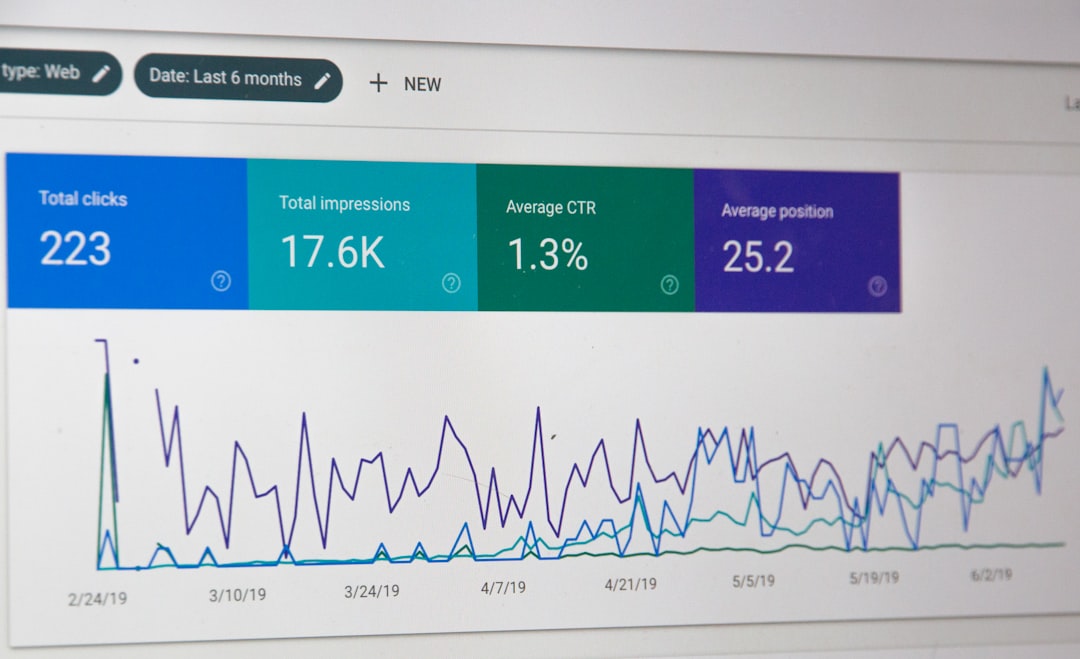
Why Keyword Research Still Makes or Breaks Your SEO in 2026
Choosing the right keyword research tool can make or break your SEO strategy. In 2026, the digital landscape is more crowded than ever, and simply “guessing” what your audience is searching for is a recipe for invisibility. That’s not marketing hyperbole — it’s the lived reality for anyone who’s published content and watched it disappear into page 5 of Google.
Keyword research tools help you understand what people search for, how competitive those queries are, and which pages already win — and in 2026, strong keyword research also means understanding AI Overview potential, search intent, SERP features, and topical clusters. That’s a significantly expanded job description compared to just hunting for high-volume terms a few years back.
Here’s a hard truth that most comparison articles skip: the most common mistake in SEO is writing for keywords instead of people. In 2026, Google’s algorithms prioritize intent matching over raw keyword placement. That means if your content doesn’t answer the why behind the search, it won’t rank.
And if you’re still keyword-stuffing? Keyword stuffing is still one of the fastest ways to hurt your rankings. In 2026, Google’s natural language processing tools easily detect forced keyword usage and penalize pages that sacrifice readability.
The Tool Overload Problem (And How to Escape It)
With over 100 tools currently flooding the market, the challenge isn’t finding a tool — it’s finding the one that actually delivers accurate, actionable data without draining your marketing budget. Many marketers find themselves trapped in a cycle of paying for three different subscriptions just to get a clear picture of their rankings, competitor gaps, and search volumes.
The fix? Before choosing a tool, identify what is slowing your SEO growth. Buying a full suite makes no sense if your only problem is technical crawling. A content tool will not fix poor backlinks. A rank tracker will not help if your pages are not indexed. Start with your specific bottleneck, not with a feature checklist.
Also — and this is something beginners constantly get wrong — the biggest mistake beginners make is buying paid tools before using free ones properly. Free tools can handle indexing checks, keyword discovery, technical basics, speed testing, and content ideas.
The 2026 Tool Landscape: Who’s Who
The market in 2026 is divided into a few categories: the established “legacy” giants, budget-friendly entry-level tools, and the new wave of AI-native platforms. Here’s a practical breakdown of what’s worth your attention:
- Ahrefs Keywords Explorer: One of the most robust and reliable keyword research tools, popular among SEO professionals for its vast database and comprehensive keyword analysis. Ideal when backlinks and keyword depth matter most.
- Semrush Keyword Magic Tool: Preferred for in-depth competitor and keyword research — granular keyword metrics, search intent, SERP features, and competitive keyword gap insights are all included. Better integrated with PPC, content, competitor research, and reporting.
- Google Keyword Planner: A free tool within Google Ads used for keyword research and planning advertising campaigns. It provides data on keyword search volume, competition, and forecasts, making it valuable for advertisers, SEO professionals, and content creators.
- Ubersuggest: A great fit if you’re running a small business or doing SEO for your own website and don’t want to burn money on expensive tools. Ubersuggest has also introduced a new report called AI Keyword Overview as part of their keyword research tools.
- KeySearch: Great for any content or SEO professional just starting out — super budget-friendly and a great way to start learning how to use premium keyword research tools. The Starter Plan is $24/month, giving you up to 200 keyword searches per day and 80 tracked keywords.
- SpyFu: A competitive research tool that helps users find the best-performing keywords used by their competitors, ideal for competitive analysis and uncovering hidden keyword opportunities.
- Answer The Public: A unique keyword research tool that generates keyword suggestions based on questions people ask on search engines, particularly useful for content creators looking for inspiration for blog posts and articles.
What Separates a Good Tool from a Great One in 2026
Beyond the brand names, there are specific features that actually separate useful tools from fancy-looking dashboards. The best SEO tools for keyword research will go beyond search volume and difficulty level. By highlighting intent, gaps in the competition, and new trends, they help marketers create content that engages, ranks, and delivers results.
In 2026, machine learning algorithms play a massive role. Tools like ClickRank use AI to predict future search trends and calculate “true” keyword difficulty by analyzing hundreds of on-page and off-page factors simultaneously. By blending real-time data with historical archives, these tools provide a 360-degree view of the search landscape.
One thing worth noting: AI visibility tracking is one of the fastest-growing categories in SEO tools in 2026. If you’re not thinking about how your content appears in AI Overviews and platforms like Perplexity or ChatGPT, you’re already a step behind. According to the Google team, SEO and AI SEO are not separate disciplines. The fundamentals that have always mattered, such as helpful content and genuine expertise, are the same fundamentals that AI search rewards.

If Your Situation Is A… Choose X. If B… Choose Y.
Let’s make this concrete. The decision tree here really matters:
- If you’re a solo blogger or small business owner on a tight budget → Start with Google Keyword Planner + Ubersuggest. Google Keyword Planner, Ubersuggest, and KWFinder offer user-friendly interfaces and basic features for easy keyword research.
- If you’re an SEO professional or agency needing deep data and competitor analysis → Ahrefs, SEMrush, and Moz provide in-depth keyword data and competitor analysis, ideal for advanced SEO strategies.
- If you’re focused on PPC + organic alignment → Semrush or SpyFu give you the clearest overlap between paid and organic keyword data.
- If you’re building a niche content site targeting low-competition long-tails → Long Tail Pro is a keyword research tool designed to help users find less competitive, long-tail keywords, perfect for niche sites and businesses looking to target specific search queries.
- If budget is truly zero → Google Search Console, Google Keyword Planner, and free tool suites cover many daily SEO tasks — don’t overlook them.
The Practical Workflow That Still Works
Forget the tool for a moment. The process matters more than the platform. Here’s a simple, repeatable framework:
- Start with a goal — decide if you’re optimizing for authority, conversion, or awareness first.
- Input seed keywords — enter base terms to generate a universe of suggestions.
- Sort by intent — separate informational from transactional queries.
- Analyze competitors — use any keyword analysis tool to see what’s driving traffic to competitors in your space.
- Group by topic clusters — don’t target individual keywords in isolation; build topical authority.
- Monitor continuously — researching keywords is an ongoing process. Rankings shift, new opportunities emerge.
And on the pricing question: the biggest mistake is choosing based on price alone. A tool that costs $30/month but provides inaccurate data is more expensive than a $100/month tool that helps you land a $5,000 client. Think ROI, not sticker price.
Finally, most teams use 2–3 complementary tools rather than relying on a single platform. That’s not inefficiency — that’s good coverage. But pick your core tool first, get fluent in it, then layer in a secondary one if and when you hit its ceiling.
Bottom line for 2026: The keyword research game hasn’t gotten simpler — it’s gotten smarter. The tools have more AI, more intent data, and more competitor intelligence than ever before. But the human judgment call — understanding why someone is searching, not just what they’re searching — is still the edge that no tool can give you automatically. Pick the right tool for your current stage, nail the fundamentals, and grow from there. You’ve got this.
📚 관련된 다른 글도 읽어 보세요
- 월가도 인정한 유럽 스태그플레이션 경고: 2026년 GDP 0.8% 붕괴 시나리오, 지금 당장 확인해야 할 5가지 진실
- 2026 Emerging Market Economic Crisis: Are We Standing at the Edge of a New Storm?
- Stop Chasing Search Volume — The 2026 Keyword Research Playbook That Actually Ranks
태그: []
Leave a Reply