A friend of mine — a sharp content marketer with five years under her belt — spent three months building out a blog targeting high-volume keywords. She hit 10,000-word pillar pages, polished meta descriptions, the whole nine yards. Traffic? Virtually zero. She’d done everything the old guides said. The problem? She was playing by 2019 rules in a completely different game.
That story hit close to home because I almost made the same mistake. And honestly, if you’ve been googling “keyword research guide” lately and landing on recycled content, I get the frustration. Let’s dig into what keyword research actually looks like right now — together.
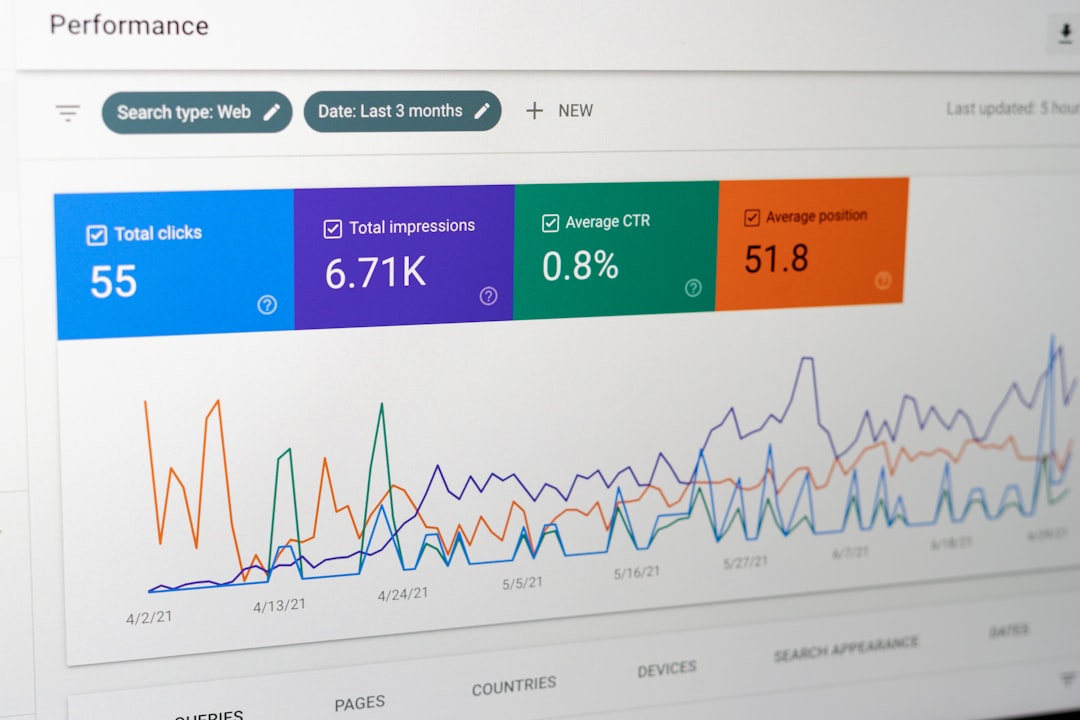
The Big Shift: Volume-First Is Dead, Intent-First Is Alive
Keyword research in 2026 combines traditional search analysis with AI search optimization to identify the terms and topics your audience uses across Google, ChatGPT, and Perplexity. That’s a fundamentally wider stage than we were playing on just a few years ago.
Here’s the stat that should stop you in your tracks: with 58.5% of searches now resulting in zero clicks, and 91.8% of all searches being long-tail keywords, successful 2026 keyword research must serve two purposes — ranking in traditional search results and being cited in AI-generated answers.
Keyword research has fundamentally shifted from volume-first to intent-first methodology. Keyword research is no longer about finding high-volume terms and creating content around them. The methodology now prioritizes understanding what your audience needs to know, then identifying the queries that reflect those needs across both traditional search and AI platforms.
Why This Matters for Your Bottom Line
This isn’t just a philosophical shift — there are serious ROI numbers backing it up. Organic search generates 44.6% of all B2B revenue — the largest single channel. Thought leadership SEO with strategic keyword research delivers 748% ROI over three years, while basic content marketing without proper keyword research delivers only 16% ROI.
And here’s something that trips up a lot of beginners: high search volume suggests greater traffic potential, but it often comes with tougher competition. Keyword Difficulty (KD) indicates the ranking challenge — lower KD equates to more accessible targets. Beginners should focus on terms scoring below 30.
The Four Keyword Types You Need in Your Mix Right Now
When building your keyword list, you’ve got plenty of options: intent-driven keywords match the searcher’s goal, like getting extra info or purchasing a product. Long-tail keywords are more specific, lower competition, and easier to rank for. Latent Semantic Indexing (LSI) keywords are related terms that help Google understand your content’s topic — for “content audit,” think “on-page SEO,” “site structure,” or “crawl errors.” Comparison and modifier keywords (with words like “best,” “2026,” “free”) help drive bottom-of-funnel traffic.
- Informational keywords: “How to” and “what is” queries — perfect for top-of-funnel awareness content
- Commercial keywords: Users investigate options pre-purchase, e.g., “best SEO tools” or “Ahrefs vs SEMrush”
- Transactional keywords: High purchase intent; target these for product and service pages
- Long-tail keywords: Specific phrases with 3+ words that have lower volume but higher conversion rates — research shows they convert at 2.5 times the rate of short-tail terms
- Zero-volume keywords: Many valuable queries don’t register in keyword tools because search volume is too low — but they represent high-intent buyers. Terms like “HubSpot onboarding agency London” may show zero volume yet drive qualified pipeline.
The Best Tools in 2026 — A Practical Breakdown
The keyword research landscape has evolved significantly in 2026, with AI-powered tools leading the charge. Here’s how the major players stack up:
SEMrush: SEMrush continues to dominate the keyword research space with its comprehensive Keyword Magic Tool, offering access to over 25 billion keywords across 142 geographic databases. The tool’s standout features include advanced filtering options, SERP feature indicators, and intent-based keyword grouping. Pricing starts at $119.95 per month for the Pro plan.
Ahrefs vs. SEMrush: Ahrefs has deeper historical SERP data and more features for analyzing what content performs best in terms of links and shares. SEMrush nails competitor analysis, showing exactly what keywords your rivals rank for and letting you drill down by URL.
Google Keyword Planner (Free): Google’s Keyword Planner received significant updates in 2026, transforming from a basic advertising tool into a comprehensive SEO resource. The enhanced version provides more granular search volume ranges and includes organic competition metrics alongside paid advertising data. New features include seasonal trend forecasting, local search insights, and integration with Google Search Console data.
Moz Keyword Explorer: Moz has positioned itself as the go-to solution for local SEO keyword research in 2026. Their Keyword Explorer tool features enhanced local search capabilities, including neighborhood-level search data and “near me” query analysis.
Advanced Moves: AI, Voice Search & Competitor Gaps
In 2026, keyword research goes beyond identifying high-volume keywords and focuses on intent, context, and real user value. It’s about knowing users’ wants, predicting trends, and providing value through intelligent, organized, contextual content.
Voice search is a channel many people still ignore — at their peril. Voice search is changing how people interact with search engines. Instead of typing short keyword phrases, users are now asking full questions using natural language. This shift requires a fundamental change in keyword research, focusing on capturing the intent and context behind these spoken queries.
On the competitor side, don’t just copy — strategize. Looking at your competitors’ keyword strategy is an excellent method for discovering gaps and opportunities. Knowing which keywords your competitors rank for can lead you to new content ideas or SEO opportunities. Mastering competitor analysis is not so much about mimicking and more about learning from what your competitors are getting right.
AI-powered tools like Frase.io, Surfer SEO, and MarketMuse are now essential. AI-powered tools can significantly enhance your content strategy by offering suggestions based on search trends, user behavior, and competitive analysis. Tools like Frase.io, Surfer SEO, and MarketMuse can help identify new content ideas, suggest keywords, and highlight content gaps within your niche.
How to Build Your Keyword Strategy: A Practical Framework
SEO in 2026 centers on three core principles: creating high-quality content that serves user intent, building authority through credible signals, and making your pages technically accessible to both search engines and AI systems. Your keyword research should reflect all three.
Here’s a simple workflow to get you started:
- Step 1 — Seed keywords: Start with 5–10 broad topics relevant to your niche, then expand using tools like SEMrush, Ahrefs, or Google’s free Keyword Planner
- Step 2 — Filter by intent: Your content must align with what users want when they search specific terms. Analyze top-ranking results for your target keywords to understand intent patterns.
- Step 3 — Cluster your keywords: Develop a spreadsheet featuring columns for keyword, volume, difficulty, intent, and priority. Arrange keywords into clusters by topic, calculate opportunity scores, and map these keywords to distinct content pages to prevent overlap.
- Step 4 — Review regularly: Review keyword strategy quarterly for most businesses. Search behaviour, competitor positioning, and AI search patterns evolve continuously.
- Step 5 — Monitor and adapt: Utilize analytics tools to track how your keywords are performing and discover new opportunities. Modify your content to reflect emerging trends and shifts in user intent.
The EEAT Factor You Can’t Ignore
Experience, Expertise, Authoritativeness, and Trust (EEAT) remain vital for content to rank. Include EEAT signals like author profiles, citations, case studies, and original data in your content to increase credibility and influence rankings.
SEO best practices in 2026 have moved beyond keyword stuffing and mass link building, focusing instead on a cohesive, end-to-end strategy that aligns with user intent and business goals. As search engines evolve with AI, semantic search, and user-first algorithms, ranking today means understanding your audience deeply. Google now rewards clarity, intent-match, and authority over hacks or shortcuts.
If Your Situation Is A, Do X — If B, Do Y
Let’s get practical with conditional recommendations:
- If you’re a brand new site with low domain authority: Focus exclusively on long-tail keywords with KD under 30, and use free tools (Google Keyword Planner, Google Search Console) to start. Don’t waste budget on premium tools until you have baseline traffic data.
- If you’re an established site looking to scale: Invest in SEMrush or Ahrefs for competitor gap analysis and AI-assisted keyword clustering. Target commercial and transactional keywords with clear buying intent.
- If you’re in a hyper-competitive niche (finance, legal, health): Zero-volume, hyper-specific long-tail terms are your best friend. Even if keyword tools show no volume for a term, this positions you as a leader in a highly specialized field and attracts high-intent, qualified traffic.
- If you’re running PPC alongside SEO: Use PPC data to inform your organic keyword strategy — find search terms with low organic competition but high PPC competition.
Bottom line from the trenches: Keyword research in 2026 isn’t a one-time sprint — it’s an ongoing conversation with your audience’s evolving language. Stop obsessing over volume alone, start obsessing over intent and relevance, and you’ll find yourself building content that both humans and AI systems genuinely want to surface. The tools are better than ever; the only thing left is the strategy to wield them wisely.
📚 관련된 다른 글도 읽어 보세요
- Inflation Hedge Commodity Investing in 2026: What Actually Works (And What Doesn’t)
- 월가도 못 말리는 2026 신흥국 경제위기 시나리오 3가지 – 지금 당장 확인하지 않으면 늦는다
- 월가도 인정한 유럽 스태그플레이션 경고: 2026년 GDP 0.8% 붕괴 시나리오, 지금 당장 확인해야 할 5가지 진실
태그: []
Leave a Reply