A friend of mine runs a niche cooking blog. She spent the better part of last year pumping out content targeting short, high-volume keywords like “easy recipes” and “healthy dinner ideas.” Her traffic? Basically zero. She wasn’t doing anything technically wrong — she just trusted the old playbook, the one that told her big numbers equal big results. Sound familiar?
That story isn’t unique. It’s the kind of thing that happens when we treat keyword research like a volume game rather than an intent game. So let’s dig into what actually works in 2026, why the old approach quietly kills your SEO, and how to build a strategy that survives AI-powered search.
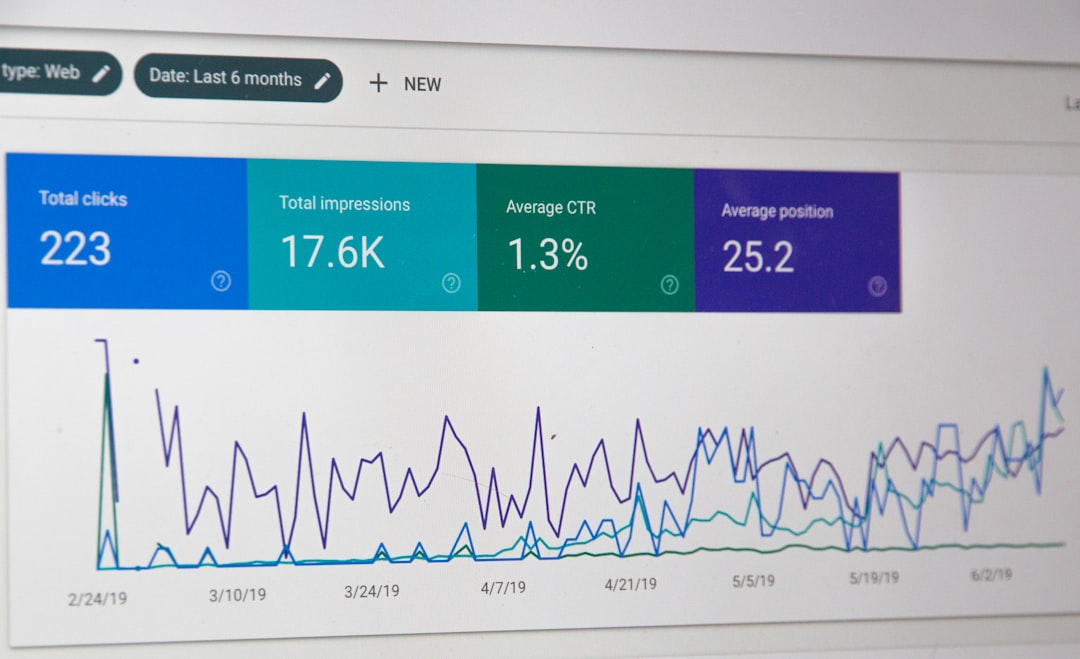
The Brutal Truth: Volume-First Is a 2019 Strategy
Here’s the uncomfortable reality most SEO tutorials don’t lead with: chasing high-volume keywords without matching intent produces traffic that converts to nothing — or no traffic at all. Google’s AI algorithms and AI Overview dominance have fundamentally changed what it means to “rank.”
Consider this data point that should make you rethink everything: 58.5% of searches in the US now result in zero clicks, meaning users get their answer directly from the search results page and never visit any website. If you’re targeting head terms that trigger AI Overviews, you may be winning rankings and losing traffic simultaneously.
Meanwhile, the long-tail opportunity is enormous and underutilized. Research shows 91.8% of all searches are long-tail keywords, and they convert at 2.5× the rate of short-tail terms. Yet most beginner SEOs still obsess over 1–2 word broad terms with impossible competition scores.
What Keyword Research Actually Means in 2026
Let’s reframe the whole concept. Keyword research in 2026 isn’t about finding words with high monthly search volume — it’s about identifying the exact questions, problems, and decisions your target audience is searching for, then matching your content to the intent behind each search, not just the words used.
Search intent breaks down into four buckets you need to map before writing a single sentence:
- Informational: The user wants to learn something (e.g., “how does keyword difficulty work”)
- Navigational: The user wants to find a specific page or brand (e.g., “Ahrefs login”)
- Commercial: The user is comparing options before buying (e.g., “best keyword research tools 2026”)
- Transactional: The user is ready to buy or sign up (e.g., “Semrush free trial”)
The most common mistake? Writing informational content for transactional keywords, or building service pages for informational queries. The match between intent and content format is more critical than keyword density — full stop.
The Intent-First Framework: A Step-by-Step Process
Here’s the practical process I’d recommend, whether you’re starting fresh or auditing an existing site:
- Seed keywords from real customer language: Before opening any keyword tool, write down the 10–20 most common questions your customers ask before hiring you or buying from you. Real customer language almost always beats industry jargon.
- Expand with tools: Use Google Keyword Planner, Semrush, Ahrefs, or Ubersuggest to expand those seeds. Look for long-tail variations, question-based phrases, and related topics.
- SERP verification: Manually search your target keyword and examine the top 3–5 results. If they’re all listicles, write a listicle. If they’re step-by-step guides, match that format. If they’re product pages, your blog post won’t rank — pivot to a different keyword variation instead.
- Check for AI Overviews: For your target keywords, check whether Google AI Overviews appear. If they do, your content needs to be structured as the clearest, most authoritative answer to get cited — not just to rank.
- Evaluate difficulty for your stage: Keyword Difficulty (KD) scores range from 0–100. Beginners should focus on terms scoring below 30. High CPC keywords signal commercial intent and buying audiences, even for organic SEO.

Tools That Actually Deserve Your Attention
Let’s talk tools — because the advice “just use Ahrefs” isn’t always useful when you’re starting out or budget-constrained. Here’s a honest breakdown:
- Google Search Console (free): Shows you what people actually searched when your site appeared in results, including AI Overview queries. Non-negotiable starting point.
- Semrush / Ahrefs: Industry standards for expanding seed keywords, checking competitor gaps, and analyzing keyword difficulty. Worth the investment if content is your primary growth channel.
- AlsoAsked: One of the best question-finding tools available — input a keyword and get a visual graph of related questions people are asking. Exceptional for structuring content around real user intent.
- AnswerThePublic + Google’s “People Also Ask”: Reveal long-tail variations and conversational queries that are increasingly valuable in the voice search and AI search era.
- Avoid: Asking ChatGPT for keyword data. It fabricates popularity and difficulty scores — the data is never accurate for actual search volume or competition analysis.
The B2B Angle: ROI Is Real, But Only With Strategy
If you’re doing this for a business rather than a personal blog, the stakes — and the rewards — are higher. B2B companies using strategic keyword research achieve 702–1,389% ROI from SEO over three years, according to First Page Sage research. But here’s the kicker: thought leadership SEO with strategic keyword research (roughly 8 pages per month) delivers 748% ROI over three years, while basic content marketing without proper keyword research (roughly 4 articles per month) delivers only 16% ROI.
That gap is a 46× difference in returns — from keyword strategy alone.
Also worth noting: organic search generates 44.6% of all B2B revenue, making it the largest single acquisition channel. SEO leads also close at a 14.6% rate compared to just 1.7% for outbound methods. The math makes keyword research one of the highest-leverage investments a business can make.
One Common Trap: Keyword Cannibalization
If you’ve been publishing content for a while, watch out for keyword cannibalization — when multiple pages on your site target the same primary keyword, causing them to compete against each other. This splits authority and often causes neither page to rank well. The fix: each primary keyword should map to one canonical page, and you should audit your existing content before creating anything new.
How Often Should You Revisit Your Keyword Strategy?
This is where most people underinvest. AI search behavior changes rapidly enough in 2026 that annual keyword audits are no longer sufficient. The recommended cadence: review keyword strategy quarterly for most businesses, with monthly monitoring of keyword rankings and search volume trends for fast-moving industries or active product launches.
Search behaviour, competitor positioning, and AI search patterns evolve continuously — a keyword that drove strong traffic six months ago may now be entirely captured by an AI Overview with zero click-through.
Realistic Alternatives If You’re Starting From Scratch
If you’re overwhelmed by the full framework above, here’s a simplified conditional path:
- If you’re a brand-new site: Focus exclusively on long-tail keywords with KD below 20, answer-based content formats, and “People Also Ask” topics. Don’t touch head terms for the first 6–12 months.
- If you have some existing content: Run a keyword cannibalization audit first, then identify your 5 best-performing pages and expand topical clusters around those themes.
- If you’re a B2B company: Prioritize commercial and transactional intent keywords tied to your product or service, even if search volume appears low. As the data shows, “HubSpot onboarding agency London” may show near-zero volume yet drive highly qualified pipeline.
- If AI Overviews dominate your target queries: Shift strategy toward original research, first-hand case studies, and authoritative long-form guides — the content types that AI systems cite rather than replace.
The bottom line: keyword research in 2026 is less about finding a magic number and more about understanding why someone is searching. Volume is a starting signal, not a destination. Intent is the destination.
📝 Editor’s Note: If there’s one thing to take away from all of this, it’s that the fundamentals haven’t disappeared — they’ve just gone deeper. Intent-matching, topical authority, and original insight are what survive every algorithm update. Start there, and the rankings tend to follow.
📚 관련된 다른 글도 읽어 보세요
- Stop Chasing Volume — The 2026 Keyword Research Reality Check Nobody Warned You About
- I Wasted 6 Months Chasing Volume — The Real Keyword Research Strategy for 2026
- I Wasted 6 Months on the Wrong Tool — Real Keyword Research Guide for 2026
태그: []
Leave a Reply