A friend of mine — sharp marketer, runs a mid-size e-commerce brand — spent the better part of last year obsessing over high-volume keywords. Broad terms, thousands of monthly searches, the works. Six months later? Traffic was up, but conversions were flat. Revenue barely moved. Sound familiar? That story is more common than you’d think, and it’s exactly what pushed me to rethink how keyword research actually works in 2026.
Let’s dig into this together — because if you’ve been doing keyword research the “old” way, some of what you’re about to read might sting a little. But it’ll save you a lot of wasted effort.
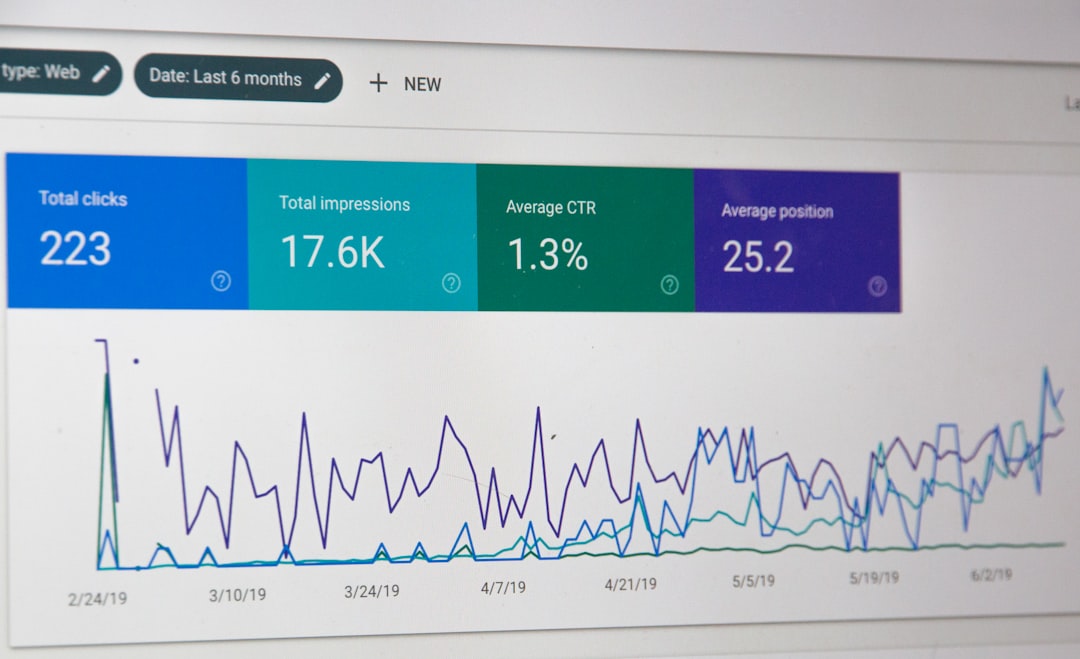
The Volume Trap: Why Big Numbers Often Mean Nothing
Here’s the uncomfortable truth that most SEO guides still dance around: high search volume does not equal high business value. This was always somewhat true, but in 2026, the gap between vanity traffic and meaningful traffic has never been wider.
Targeting broad keywords with high competition may bring traffic, but not conversions. On the other hand, highly specific keywords that match user intent can attract visitors who are ready to take action. That’s the crux of it right there.
The mistake most teams make is exporting a keyword list and calling it a strategy. The terms “keyword research” and “keyword strategy” get used interchangeably, but they represent fundamentally different activities. Understanding this distinction changes how you approach SEO and explains why research alone never delivers results. Research answers one question: what do people search for? Strategy answers the harder questions.
And those “harder questions” are exactly where most teams drop the ball. Three things kill keyword strategies before they start: teams export keyword lists but never create the content because no one assigns ownership, sets deadlines, or connects keywords to publication dates. Writers can’t create optimized content without clear direction about which keywords matter most, what intent they’re serving, or what questions the content should answer.
Search Intent: The Only Metric That Actually Matters in 2026
Search Engine Optimization in 2026 is no longer just about keywords and backlinks — it’s about search intent, AI-driven algorithms, user experience, and content authenticity. Let that sink in for a second.
Search intent is the reason behind a query. In 2026, search engines now evaluate whether your page truly solves the user’s problem. Informational, commercial, navigational, and transactional intents all require different content approaches. That means a single keyword research spreadsheet treated as a universal content plan is a recipe for mediocre results.
The most common mistake in SEO is writing for keywords instead of people. In 2026, Google’s algorithms prioritize intent matching over raw keyword placement. That means if your content doesn’t answer the “why” behind the search, it won’t rank.
Think about it this way: a user searching “best web design services” expects comparisons or service pages — not a general blog. Get the intent wrong, and even a page-1 ranking delivers a brutal bounce rate.
The AI Search Disruption: How It Changes Your Keyword Targeting
There’s a new wrinkle that didn’t exist even two years ago. AI Overviews, ChatGPT, and Perplexity changed how people find information, which means traditional keyword strategy needs to adapt. But adaptation doesn’t mean abandonment, because some keyword types still drive meaningful traffic while others require completely new approaches.
The numbers back this up: more than half of Google searches now end without anyone clicking through to a website. AI Overviews appear for nearly one in five searches, and the impact on organic traffic has been measurable across industries.
But before you panic — search engines still need to pull information from somewhere, and they cite sources that demonstrate expertise and authority. The foundation you build through traditional SEO practices like well-structured content, clear site architecture, and authoritative backlinks directly determines whether AI tools cite your content as a trusted source. In other words, good keyword strategy still matters — it just needs to evolve.
The Long-Tail Advantage: Specific Keywords That Actually Convert
Here’s where my friend went wrong — and where most brands go wrong. High search volume does not always equal high business value. Some keywords bring traffic but generate no calls or visits.
The smarter play, especially for niche or B2B markets? Low search volume doesn’t mean low value in B2B markets. Niche terms might get 50 searches monthly, but if those 50 people represent your entire addressable market, every click matters.
Low competition keywords often perform better in local searches. They offer faster visibility and more stable rankings. These keywords also attract users with clearer intent.
And if you’re running a local business or serving specific geographies? One major mistake is targeting broad keywords without location signals. Generic keywords face high competition and attract non-local users.

The Keyword Stuffing Ghost That Won’t Die
You’d think we’d all be past keyword stuffing by now. But it keeps coming up as a live issue. Keyword stuffing is still one of the fastest ways to hurt your rankings. In 2026, Google’s natural language processing tools easily detect forced keyword usage and penalize pages that sacrifice readability.
Many SEO teams unknowingly engage in keyword stuffing instead of elevating the content quality to match user intent. Repeating phrases across headings and paragraphs does not answer questions. On the contrary, these types of SEO mistakes signal manipulation, and AI-driven search systems spot this trend quickly to penalize your website.
The Right Toolkit: What Pros Actually Use in 2026
Good keyword research doesn’t happen in a vacuum — it needs data. Here’s a rundown of what the current landscape offers:
- Google Keyword Planner (Free): Use it to discover new keywords related to your business and view estimates of the searches they receive and the cost to target them. It’s not perfect for organic SEO, but it’s an essential baseline.
- Semrush Keyword Magic Tool: It turns Google queries into clear, data-driven next steps: find keywords with high search volume and low competition so you can rank your pages quickly and easily.
- Keyword Tool (keywordtool.io): A great resource that not only scrapes data from Google but also YouTube, Bing, Amazon and Instagram to offer insights into search behaviour on a host of platforms.
- WordStream Free Keyword Tool: Accurate keyword volume and cost per click data helps you find the right keywords to target and maximize your marketing budget.
- Google Search Console: Often overlooked for keyword research, but invaluable — it shows you what you’re already ranking for so you can double down on winning terms.
- “People Also Ask” & Autocomplete: Relying on Google’s autocomplete feature, it gives you quick access to popular search terms — and these reflect real conversational queries your audience is already using.
Pro tip: using only one tool can hide important signals. Using several tools creates a clearer and more reliable picture.
Making Your Keyword Research Actually Actionable
Research without execution is just a hobby. Here’s how to close the gap between your keyword list and real results:
- Map keywords to intent first: Before assigning any keyword to a content piece, classify it — informational, navigational, commercial, or transactional. Then build the content format that matches.
- Assign ownership and deadlines: A keyword sitting in a spreadsheet with no owner never becomes a ranking page. Treat each keyword cluster like a mini project with a responsible person and a publish date.
- Focus on conversion signals, not just rankings: Focusing only on traffic, not conversions, is a critical error. Traffic without leads or sales has no ROI.
- Keep refreshing your keyword data: Keyword research is not a one-time task but an ongoing improvement cycle. Consumer language evolves, competitors shift, and new topics emerge — your keyword strategy should reflect that in real time.
- Watch technical SEO too: Even great content won’t rank if search engines can’t crawl or index it. Pair your keyword work with regular technical audits.
- Match mobile behavior: More than 70 percent of all search traffic now comes from mobile devices. If your site doesn’t perform well on mobile, your rankings and conversions will both drop.
What Actually Works: The 2026 Keyword Strategy Framework
Let me tie this all together with a realistic, practical approach. In 2026, keyword research should focus on intent, relevance, and user behavior, not just search volume. That’s your north star.
Start with your customer’s language — not your industry’s jargon. People search for “how to apply for housing assistance” not “department of housing and urban development programs.” The same logic applies to any sector. Ask your sales team what questions prospects ask most. Mine those for keyword gold.
Then build content clusters — a pillar page targeting a core keyword, supported by satellite content hitting related long-tail variations. Knowing “nonprofit website design” gets 1,900 searches per month means nothing until someone builds a pillar page around it, creates supporting content, and links everything together.
SEO in 2026 requires a balanced approach that prioritizes user experience while staying technically sound. The biggest mistake you can make is trying to game the system with outdated tactics. Instead, focus on creating genuinely helpful content, maintaining a fast and user-friendly website, and building authority in your industry.
Bottom line from the trenches: Stop chasing the biggest keyword in the room. In 2026, the smartest keyword strategy is a narrow, intent-driven, consistently executed one. If your situation is a high-authority domain with deep content resources, you can chase competitive head terms — but if you’re building from scratch or targeting a niche audience, long-tail, intent-matched keywords will get you to revenue faster, with far less waste. Pick the right tool for the job, own your content calendar, and measure what actually matters: conversions, not just clicks.
📚 관련된 다른 글도 읽어 보세요
- I Wasted 6 Months Chasing Volume — The Real Keyword Research Guide for 2026
- I Wasted 6 Months Chasing Volume — The 2026 Keyword Research Reset You Actually Need
- I Wasted 6 Months Chasing Volume — The Real Keyword Research Strategy That Works in 2026
태그: []
Leave a Reply