A friend of mine — a sharp content marketer with five years under her belt — came to me frustrated last winter. She’d built out a massive content calendar, ranked for dozens of high-volume terms, and watched her organic traffic drop by 34% in a single quarter. Her whole strategy had been built around one thing: search volume. Sound familiar?
That conversation is what pushed me to seriously re-examine everything I thought I knew about keyword research. And honestly? The playbook has changed more in the last 18 months than in the previous five years combined. Let’s dig into what actually works right now.
The Death of Volume-First Keyword Research
For years, the formula was simple: find a high-volume, low-competition keyword and build content around it. For years, keyword research was all about finding a phrase with high volume and low competition — but in 2026, in the era of AI Search and semantic understanding, this approach is doomed to fail.
Here’s the hard number that should make every content strategist pause: 58.5% of all searches now result in zero clicks, 91.8% of all searches are long-tail keywords, and AI search platforms are accounting for a growing share — meaning successful 2026 keyword research must serve two purposes: ranking in traditional search results and being cited in AI-generated answers.
That’s not a tweak to the old strategy. That’s a full architectural shift.
What Search Engines Actually Do in 2026
Here’s the mental model I use now: search engines in 2026 do not match pages to keywords — they match answers to needs. The practical implication? A single query may represent multiple underlying intents, so keyword research must now uncover why someone is searching, not just what they typed.
Despite repeated claims that “keywords are dead,” the reality is nuanced: keywords still signal relevance and help search engines understand what content is about — but exact match chasing is obsolete, and today’s systems focus on meaning, intent, and topic coverage rather than exact word counts.
This is where a lot of experienced SEOs trip up. They know keyword stuffing is dead, but they’re still thinking in terms of “one keyword per page.” The new model is topic clusters and semantic depth.
The Intent-First Framework: How to Actually Research Keywords in 2026
Keyword research has fundamentally shifted from a volume-first to an intent-first methodology. Here’s how I break it down in practice:
- Understand Search Intent First: Keyword intent analysis is the most critical step in the modern keyword research process — every keyword represents a reason for searching, and understanding that reason determines whether content performs or disappears.
- Go Long-Tail, Always: Long-tail keywords are specific phrases (3+ words) with lower volume but higher conversion rates — research shows 91.8% of searches are long-tail, and they convert at 2.5 times the rate of short-tail terms.
- Build Topic Clusters, Not Keyword Lists: Keyword research in 2026 is topic-first — each topic becomes a content system, not a single page, improving internal linking, strengthening topical authority, and supporting AI-led discovery.
- Use NLP and Semantic Co-Occurrence: NLP and LSI keywords aren’t just synonyms — they are terms and phrases that naturally co-occur in conversation about a topic. If you’re writing about “electric cars,” Google expects to see mentions of “batteries,” “charging stations,” “range,” and “Tesla.”
- Mine the “People Also Ask” Section: The PAA section in Google results shows real, related questions that users are asking — each of these questions is a potential H2 or H3 heading in your article.
- Don’t Trust ChatGPT for Keyword Data: Don’t ask ChatGPT to give you blog keywords — the data is never accurate in terms of how popular or difficult a particular keyword is. Stick to verified tools instead.

The Best Tools for Keyword Research Right Now
Tools still matter — but their role has fundamentally changed. SEO keyword tools still matter in 2026, but they are no longer decision-makers — they are discovery instruments.
Here’s what the current stack looks like for serious practitioners:
- SEMrush: SEMrush remains a favorite among marketers due to its extensive database — it provides comprehensive keyword analytics including search volumes, trends, and competitiveness, and its keyword magic tool allows users to find long-tail keywords and related queries.
- Ahrefs: Ahrefs has become synonymous with high-quality backlink analysis, but its keyword research capabilities are equally impressive — offering unique metrics like keyword difficulty and clicks per search for a holistic view of any keyword’s potential.
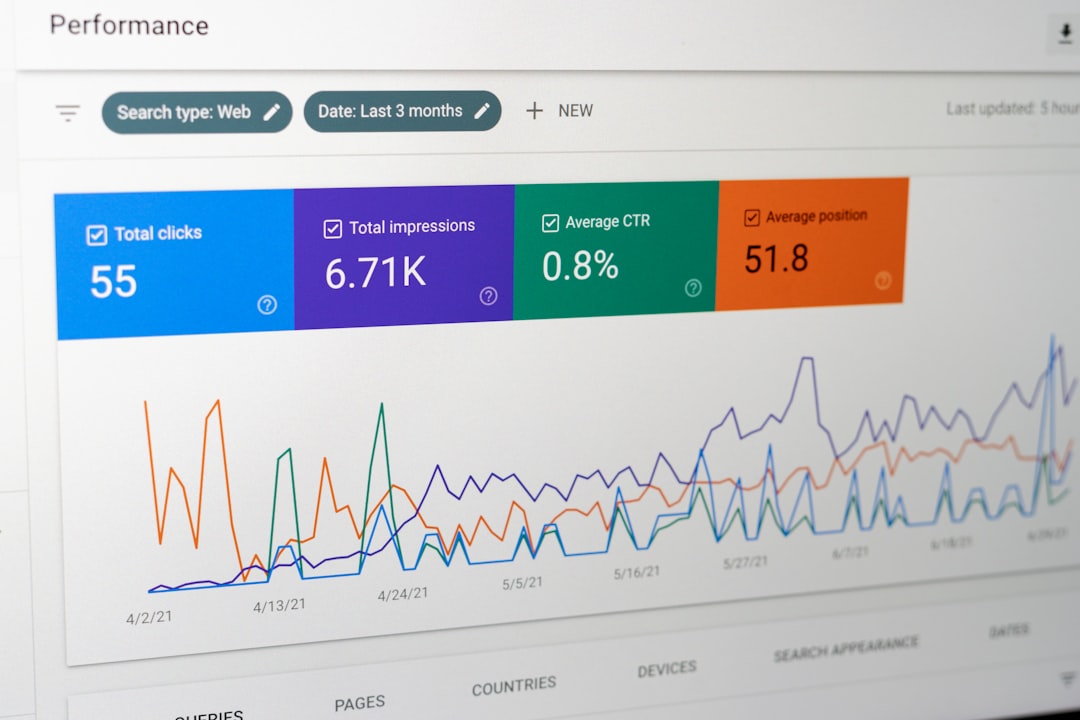
- Google Search Console: Search Console shows you what people have searched when your site appears in the results — and yes, this includes AI Overviews and AI Mode queries too.
- Google Keyword Planner: In 2026, there’s a strong shift toward smarter SEO tools focused on user intent — and trusted platforms such as Google Keyword Planner remain free and provide access to reliable insights.
The ROI Case: Why This Actually Matters to Your Bottom Line
If you need to make a business case for investing in proper keyword research (or convince a client), these numbers do the talking: B2B companies using strategic keyword research achieve 702–1,389% ROI from SEO, according to First Page Sage research.
Even more striking: thought leadership SEO with strategic keyword research (approximately 8 pages monthly) delivers 748% ROI over three years, while basic content marketing without proper keyword research (approximately 4 articles monthly) delivers only 16% ROI. That’s not a marginal difference — that’s a completely different business outcome.
And don’t let the zero-click statistic scare you entirely. Even in 2026, AI search isn’t fully “freeform” — it still leverages structured content signals (keywords being one of them) to index and retrieve relevant pages. Without those signals, AI models may struggle to interpret your content’s purpose. So while AI makes search smarter, it doesn’t make keyword data obsolete — it actually enhances the need to understand and use keywords intelligently.
How Often Should You Be Doing Keyword Research?
This is one of the most underrated questions in SEO. The answer: way more often than most people do. Review keyword strategy quarterly for most businesses — search behavior, competitor positioning, and AI search patterns evolve continuously, and monthly reviews are appropriate for fast-moving industries or during major product launches. Annual keyword research is simply insufficient given the pace of change in 2026.
The Bottom Line: What to Do Instead of Chasing Volume
If you’re still building your content strategy around search volume as the primary filter, it’s time to make a real shift. The alternative isn’t to abandon keyword research — it’s to upgrade it:
- Start with business goals, not keyword lists
- Map every keyword to a specific search intent (informational, navigational, transactional, commercial)
- Build topic clusters around core themes rather than isolated pages
- Optimize for AI citations as much as traditional SERP rankings
- Use verified tools (SEMrush, Ahrefs, Search Console) — not generative AI — for actual keyword data
- Revisit your keyword strategy at least once per quarter
Businesses that still treat keyword research as a volume-based exercise struggle to maintain visibility — those that treat it as a discovery framework build durable growth. That’s the clearest summary I can give you.
Have you already shifted to an intent-first keyword strategy, or are you still navigating the transition? Drop your experience or questions in the comments — I read every one and would love to hear what’s working (or not) for you right now.
📚 관련된 다른 글도 읽어 보세요
- 월가도 인정한 유럽 스태그플레이션 경고: 2026년 GDP 0.8% 붕괴 시나리오, 지금 당장 확인해야 할 5가지 진실
- Stop Chasing Volume — Why Your Keyword Research Is Broken in 2026
- 월가도 못 말리는 2026 신흥국 경제위기 시나리오 3가지 – 지금 당장 확인하지 않으면 늦는다
태그: []
Leave a Reply