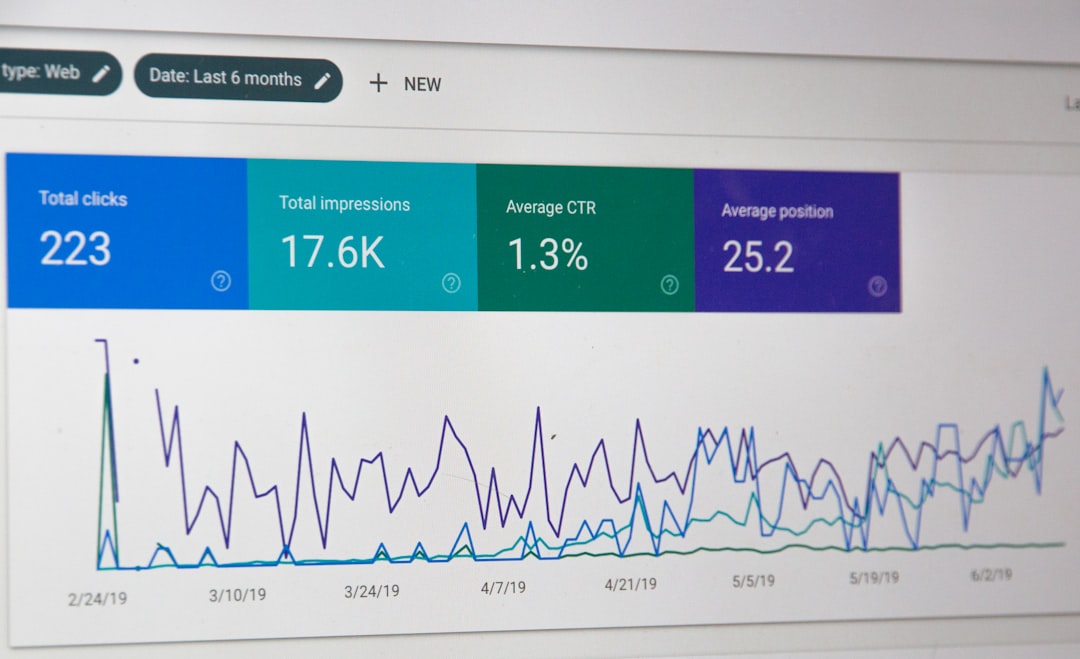
A friend of mine — a talented content creator with a genuinely useful blog about home fitness — came to me frustrated last autumn. She’d spent six months grinding out articles targeting “best home workout” and “weight loss tips”, watching her traffic flatline at almost zero. Sound familiar? She wasn’t alone. Research from Ahrefs shows that 90% of webpages receive no Google traffic at all, and poor keyword selection drives most of those failures. Her problem wasn’t effort. It was strategy — specifically, she was playing by rules that expired years ago.
Let’s dig into what keyword research actually looks like in 2026 and why the old “find a big number and write about it” playbook is quietly killing your SEO.
Why Volume-First Keyword Research Is Dead in 2026
Volume-first keyword research is a 2019 strategy. In 2026, Google’s AI algorithms, AI Overview dominance, and zero-click search behavior mean that chasing high-volume keywords without matching intent produces traffic that converts to nothing — or no traffic at all.
Here’s the stat that really hit me: with 58.5% of searches now resulting in zero clicks, understanding search intent has become more important than chasing volume. Think about that for a second. More than half of all searches end without anyone visiting a single website. Google answers the question right on the results page. If your strategy is purely volume-based, you’re competing for an increasingly shrinking slice of actual clicks.
Keyword research has fundamentally shifted from volume-first to intent-first methodology. With 91.8% of all searches being long-tail keywords, and AI search platforms accounting for growing search share, successful 2026 keyword research must serve two purposes: ranking in traditional search results and being cited in AI-generated answers.
The Intent-First Framework: What It Actually Means Day-to-Day
The most successful SEO professionals have shifted to an intent-first keyword strategy: identify what the user is trying to accomplish, then build content that is the clearest, most authoritative answer. This sounds simple, but in practice it changes everything — from the tools you use, to how you write your headlines, to how you structure your paragraphs.
The mistake most brands make is writing informational content for transactional keywords, or creating service pages for informational queries. The match between intent and content format is more important than keyword density. If someone types “buy standing desk under $300”, they don’t want your 2,000-word essay on the history of ergonomic furniture. They want a comparison table and a buy button.
In 2026, search engines weigh relevance and user satisfaction heavily, so choosing the right keywords ensures your content aligns with what real people are looking for. AI-driven ranking systems also evaluate context, meaning your keyword strategy should focus on clarity, precision, and intent rather than stuffing or repetition.
Long-Tail Is Not a Consolation Prize — It’s the Main Event
I know, I know — “long-tail keywords” has been SEO advice since 2012. But the data in 2026 makes it impossible to ignore. Long-tail keywords are specific phrases (3+ words) with lower volume but higher conversion rates. Research shows 91.8% of searches are long-tail, and they convert at 2.5 times the rate of short-tail terms.
Long-tail keywords are essential for SEO in 2026 because they target highly specific queries. Instead of broad terms with heavy competition, long-tail keywords attract users who already know what they want. These keywords often lead to more focused engagement and better conversion opportunities.
And here’s something even more interesting: many valuable B2B queries don’t register in keyword tools because search volume is too low — but they represent high-intent buyers. Terms like “HubSpot onboarding agency London” may show zero volume yet drive qualified pipeline. Don’t dismiss a keyword just because a tool shows low or zero volume.
The Right Tools for 2026 (And One You Should Stop Using for Keywords)
The toolbox has changed significantly. The keyword research landscape has evolved significantly in 2026, with AI-powered tools leading the charge. Here’s a quick breakdown of what’s worth your time:
- Semrush Keyword Magic Tool: SEMrush continues to dominate the keyword research space in 2026. The platform offers access to over 25 billion keywords across 142 geographic databases, making it invaluable for both local and international SEO campaigns.
- Ahrefs Keywords Explorer: Ahrefs has incorporated machine learning algorithms that predict keyword trends and seasonal fluctuations with 94% accuracy, and now covers 171 countries with real-time search volume updates. Plans start at $99/month for the Lite plan.
- Google Search Console (Free): Search Console shows you what people have searched when your site appears in the results — and yes, this includes AI Overviews and AI Mode queries too.
- AlsoAsked: One of the best question-finding tools available — just type in a keyword or trend and get a graph of all the related questions people are asking about the subject.
- AnswerThePublic / Google “People Also Ask”: These tools help reveal long-tail variations related to your core topic.
- Social search (TikTok, YouTube, Reddit): Searches on TikTok, YouTube, Instagram, and Reddit reveal how your audience actually phrases their questions — these social search queries often translate directly to blog and content opportunities.
One important warning: don’t ask ChatGPT to give you blog keywords — it’ll lie to you. The data is never accurate in terms of how popular or difficult a particular keyword is. Use it for brainstorming seed ideas, but always validate with a real SEO tool.

Building Your Keyword Strategy: A Practical Starting Point
Here’s the process I’d walk anyone through today, whether you’re brand new or resetting a stale strategy:
- Step 1 — Seed keywords from real customers: Before opening any keyword tool, write down the 10–20 most common questions your customers ask before hiring you or buying from you. These are your seed keywords. Real customer language is almost always better than industry jargon.
- Step 2 — Expand with tools: Use Google Keyword Planner, Semrush, Ahrefs, or similar tools to expand your seed keywords.
- Step 3 — Target low difficulty for new sites: Keyword Difficulty (KD) indicates ranking challenge. Lower KD equates to more accessible targets — beginners should focus on terms scoring below 30.
- Step 4 — Check AI Overview presence: For your target keywords, check whether Google AI Overviews appear. If they do, you need to structure your content to be cited within that AI answer, not just rank below it.
- Step 5 — Map intent to format: Focus on one primary keyword per page, then look for questions that relate to it. Work those questions into the content naturally, making them headers (H2 or H3) where possible.
- Step 6 — Review regularly: AI search behavior changes rapidly enough in 2026 that annual keyword audits are no longer sufficient. Aim for monthly monitoring at minimum.
The ROI Case: Why This Actually Matters for Your Bottom Line
If all of this feels like a lot of work, let the numbers talk. B2B companies using strategic keyword research achieve 702–1,389% ROI from SEO according to First Page Sage research. That’s not a typo.
Organic search generates 44.6% of all B2B revenue — the largest single channel. Thought leadership SEO with strategic keyword research delivers 748% ROI over three years, while basic content marketing without proper keyword research delivers only 16% ROI. The gap between “doing keywords” and “doing keywords well” is enormous.
So going back to my friend with the fitness blog — once we shifted her strategy from chasing “best home workout” (high volume, brutal competition, unclear intent) toward specific long-tail queries like “30-minute home workout for beginners with bad knees” (clear intent, lower competition, motivated audience), her traffic and engagement changed meaningfully within two months.
Realistic Alternatives If You’re Not Ready for a Full Overhaul
Full strategy pivots are intimidating. If you’re not ready to rebuild from scratch, here’s how to start small:
- If your site is new: Focus exclusively on long-tail, low-KD keywords (under 30) for your first 20 articles. Build authority before swinging for high-volume terms.
- If your site has existing content: Run a keyword cannibalization audit first. Keyword cannibalization is when multiple pages on your site target the same primary keyword, causing them to compete against each other — this splits authority and often causes neither page to rank well. Each primary keyword should map to one canonical page.
- If you have no budget for tools: Google Search Console + AlsoAsked + Reddit/TikTok research is a completely viable free stack to start with.
- If you’re in B2B: Don’t dismiss zero-volume keywords. High-intent niche queries can drive real pipeline even when no tool shows measurable volume.
💬 Drop a comment below if you’ve been burned by chasing volume before — let’s troubleshoot your keyword strategy together. Sometimes one small intent-alignment fix is all it takes to completely turn the numbers around.
📚 관련된 다른 글도 읽어 보세요
- I Wasted 6 Months Chasing Volume — The Real Keyword Research Guide for 2026
- I Wasted 6 Months Chasing Volume — The Real Keyword Research Strategy for 2026
- Why I Wasted 6 Months Chasing Volume — The 2026 Keyword Research Reality Check
태그: []
Leave a Reply