A friend of mine — a seasoned portfolio manager based in Seoul — called me in a mild panic back in early 2026. He’d built a sizable position in industrial metals as part of his commodity allocation, but a sudden spike in Middle East tensions sent prices whipsawing in both directions within a single week. “I thought I had it figured out,” he said. “But the market humbled me fast.” That conversation stuck with me, and honestly, it’s exactly why I wanted to dig into this topic properly. Commodity investing is simultaneously one of the most exciting and punishing arenas in global markets — and in 2026, the stakes have never been higher.
So let’s think through this together. Whether you’re a retail investor dabbling in commodity ETFs or a portfolio manager navigating exposure across energy, metals, and agriculture — having a clear, data-driven risk management framework isn’t optional anymore. It’s survival gear.
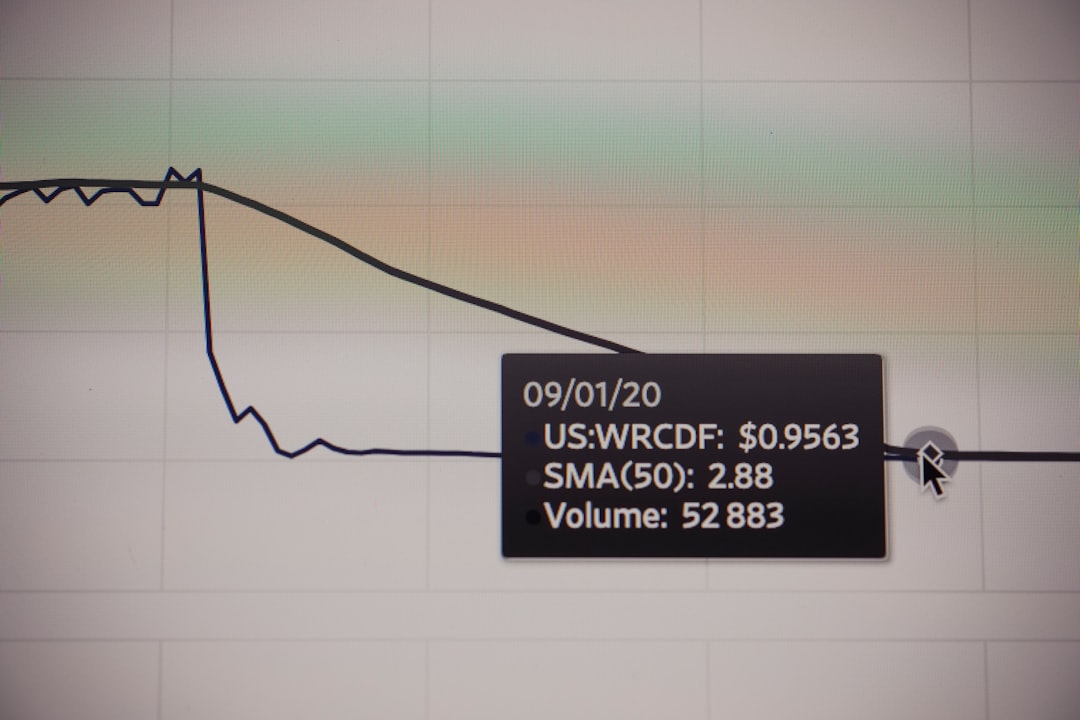
Why 2026 Is a Particularly Tricky Year for Commodity Investors
Continued uncertainty around GDP growth, compounded by unclear future demand from data centers and AI, is affecting commodity prices as supply-and-demand fundamentals become harder to match. On top of that, volatility in several commodity markets is further amplified by the growing frequency of adverse weather events.
From a macro perspective, high interest rate conditions persisting over the long term, the normalization of geopolitical risks, and supply chain restructuring efforts are all delivering unpredictable volatility to commodity markets. And if you’re watching the energy sector specifically, the acceleration of the energy transition to address climate change is explosively increasing demand for certain raw materials, while presenting new challenges for traditional commodity markets.
On the institutional side, McKinsey’s latest research confirms that overall returns in the commodity trading space have dropped significantly since 2023, meaning even the pros are feeling the squeeze. The majority of those that banked record profits excelled in one critical area: balancing the classic risk triangle of market, credit, and liquidity risks, as well as working capital.
The Four Core Risk Types You Must Understand
Before we get into strategies, let’s establish what you’re actually managing against. Although risks vary depending on industry, each industry can experience four different types of risk: price risk occurs with adverse movement in world prices and exchange rates; quantity or volume risk occurs with a shortage in consumption or sourcing of the commodity; cost risk occurs when a business adjusts their costs of services due to price increases; and political risk, also considered regulatory risk, occurs when law or regulations affect pricing of a commodity.
In practice, due to the sheer volatility of commodity prices — which some industries experience as a 70% swing in average price in a single year — organizations in affected industries dedicate entire departments to commodity risk management. That’s not a scare tactic; that’s just the reality of this asset class.
Strategy 1: Hedging with Derivatives — Your First Line of Defense
Derivatives contracts, such as futures, options, and swaps, are fundamental tools for managing price risks in commodity trading. By entering into a futures contract, a trader can lock in a price for a commodity at a future date, thus hedging against potential price volatility that could adversely affect profit margins.
Options provide the right, but not the obligation, to buy or sell a commodity at a predetermined price, offering another layer of protection against unfavorable price movements. Swaps allow traders to manage fluctuating commodity prices by exchanging cash flows with another party, which can be particularly useful in markets subject to significant price swings.
From a corporate hedging standpoint, hedges create stability and enable a business to better forecast and manage their margins — in turn, decision-makers can worry less about negative price swings and focus more on core business needs and future investments. Hedges last for specific periods and apply to certain percentages of commodity transactions performed in that time, with companies often having multiple hedges in place at varying terms.
Strategy 2: Diversification — The Classic Prescription That Still Works
Diversification is a critical risk management technique that spreads investments across various commodities to reduce exposure to any single market’s volatility. By allocating capital to different commodity groups — such as energy, agricultural products, and precious metals — traders can mitigate the impact of a downturn in one sector on their overall portfolio.
Want to level it up further? Diversification is enhanced by incorporating non-commodity assets, such as equities or bonds, creating a more resilient investment profile against market uncertainties. In the Korean retail investing context, ETFs are recognized as the most flexible investment tool in volatile markets. Energy and commodity ETFs linked to international crude oil (WTI) and natural gas prices provide the clearest return benchmarks when geopolitical tensions persist.
Strategy 3: Supply Chain Risk Assessment and Geopolitical Monitoring
Supply chain risk assessment is vital in recognizing and alleviating risks that could disrupt the availability and cost-efficiency of commodities. This is no longer just a concern for manufacturers — even financial investors need to track it. Traders limit credit risk through financial partnerships and manage sovereign risk by assessing counterparties and geopolitical conditions.
In 2026, geopolitics is the wildcard. Geopolitical risk is the most powerful variable capable of triggering supply chain disruption and causing sudden price spikes in specific commodities. The prolonged war in Ukraine, escalating tensions in the Middle East, and policy changes in major resource-exporting nations are representative examples.
Strategy 4: The AI-Powered Risk Intelligence Revolution
This is where things get genuinely exciting for traders in 2026. The AI transformation could rewire how commodity trading companies operate and enable those embracing it to create more value. Strengthening critical capabilities, including access to capital and risk steering, data analytics, market intelligence, and attraction of top talent — is now the central strategic mandate for serious players.
The Oliver Wyman perspective is equally sharp: you can see correlations, and you can potentially hedge out some of those very high uncertainties currently seen from the regulatory environment, the price environment, and geopolitical factors that could affect investments — particularly green investments with long lead times and a lot of risk around future cash flows.
2026 Commodity Outlook: Key Sectors to Watch
The 2026 global commodity market is in a phase where volatility and opportunity coexist. The overall trend across precious and non-ferrous metals continues the bullish streak from the previous year, but as price outlooks and risk factors differ by commodity, the strategic choices of investors and companies have become critically important.
On gold: international financial institutions’ forecasts for gold prices in 2026 remain at high levels, with some institutions presenting upward projections of up to $5,400 per ounce by year-end, emphasizing structural strength on the demand side.
On critical minerals: the acceleration of the energy transition is creating unprecedented demand for copper, lithium, nickel, cobalt, and other critical minerals. These minerals, essential for EV batteries and renewable energy infrastructure, are securing long-term growth drivers alongside concerns about supply shortages.
Key Risk Management Principles — A Quick-Reference Summary
- Hedge systematically, not emotionally: one of the most effective ways to manage commodity price risk is through futures and options. Futures contracts guarantee prices for future dealings, whereas options contracts give traders the right, but not the obligation, to buy or sell commodities at a predetermined price, limiting potential losses.
- Diversify across commodity classes AND asset types: mix energy, agriculture, and precious metals, and blend in bonds or equities as a buffer.
- Monitor macro indicators constantly: primary analysis integrates a wide range of factors, events, and data filtered through economic and political lenses to measure the existing supply and demand.
- Use Value-at-Risk (VaR) frameworks: a robust risk management system should enable a company to effectively monitor and control its exposure, accurately assess value at risk, and maintain an appropriate risk appetite.
- Invest in AI-driven analytics: real-time correlation tracking and predictive modeling are no longer a luxury — they’re a competitive necessity.
- Balance the risk triangle: players in the most mature stage take a more deliberate approach, integrating risk capital into their broader steering and target-setting process.
- Adopt a scenario-based approach: in a positive scenario, global economic recovery accelerates and key mineral and industrial metal companies could show broad strength; in a negative scenario, global recession deepens and gold preference as a safe haven rises further.
A Realistic Alternative for Individual Investors
Look — not everyone has access to a derivatives desk or a Bloomberg terminal. If you’re an individual investor feeling intimidated by futures and swaps, that’s completely understandable. The good news? You don’t need to go full institutional. Investors need to carefully manage their exposure to commodity price risks through diversification, hedging strategies, and constant market analysis — and all three of these can be approached at a retail level through commodity ETFs, multi-asset funds, and disciplined position-sizing rules.
Focusing on companies with strong financial health, a sustainable business model (especially ESG management), and those positioned to benefit from long-term mega-trends like the energy transition is critically important. Think of it less as “trading raw materials” and more as “building resilient exposure to the physical economy.”
Editor’s Comment : The single biggest mistake I see commodity investors make in 2026 is confusing price opinion with risk management. Knowing that oil “should” go up doesn’t protect you when it gaps down 8% overnight due to a surprise diplomatic development. Risk management isn’t about being right — it’s about staying in the game long enough to be right. Start with diversification and basic position limits, layer in ETF-based hedges as you grow more confident, and always — always — keep an eye on the geopolitical calendar. The commodity market rewards the prepared and punishes the complacent. Play it smart.
📚 관련된 다른 글도 읽어 보세요
- 연준도 식은땀 흘리는 2026 인플레이션 진짜 현황: CPI 3.3% 충격, 한국은 지금 어디쯤?
- Inflation Hedge Commodity Investing in 2026: What Actually Works (And What Doesn’t)
- Fed Rate Cuts in 2026: What’s Really Happening to Markets and Your Portfolio
태그: commodity investment risk management, raw materials trading strategy 2026, commodity hedging strategies, portfolio diversification commodities, geopolitical risk commodities, commodity ETF investing, value at risk commodity trading
Leave a Reply