A colleague of mine — a mechanical engineer by trade — called me last month, genuinely puzzled. He’d been following the news about another massive solar farm breaking ground in the Mojave Desert and asked, “If clean energy is winning, why are copper and lithium prices so volatile? Shouldn’t demand be through the roof?” That single question, honestly, unlocks one of the most fascinating and misunderstood investment stories of our time. Let’s think through this together.
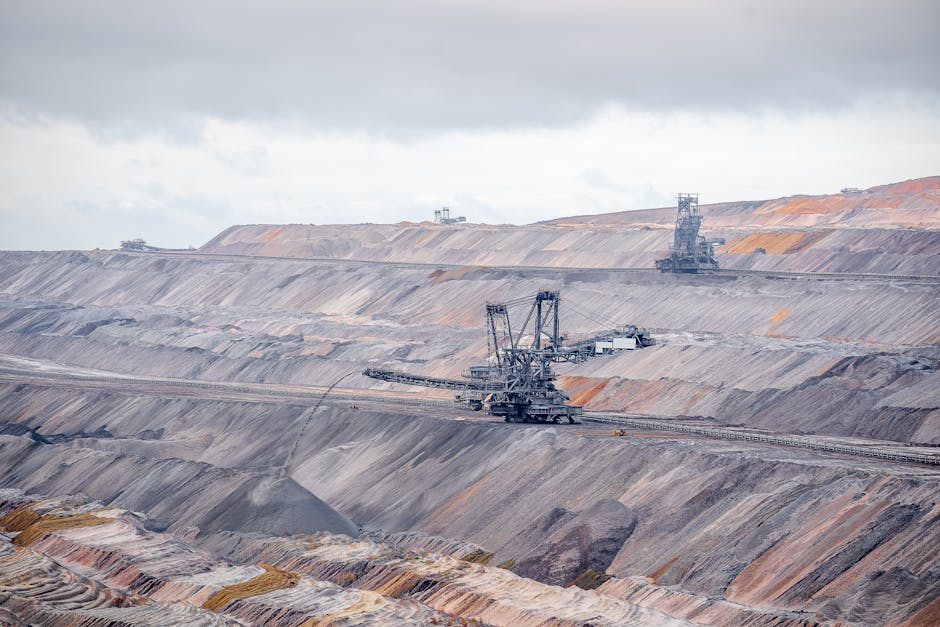
Why the Energy Transition Is a Raw Materials Story First
Here’s the counterintuitive truth: the shift away from fossil fuels is one of the most materials-intensive transitions in human history. A traditional gas-powered car uses roughly 20–30 kg of copper. An electric vehicle (EV) uses 80–100 kg. A single offshore wind turbine requires approximately 4–15 tonnes of copper wiring and cabling alone. When you multiply these numbers across the global electrification targets set by the EU’s Green Deal, the U.S. Inflation Reduction Act’s ongoing rollout, and China’s 14th Five-Year Plan extensions into 2026, you’re looking at demand curves that mining supply simply hasn’t caught up with.
According to the International Energy Agency’s 2026 Critical Minerals Outlook, demand for lithium is projected to grow 4x by 2030 compared to 2023 levels, while copper demand from clean energy sectors alone could add 4.5 million metric tonnes annually by the end of this decade. That’s not a niche trend — that’s a structural reshaping of commodity markets.
The Key Materials and What’s Actually Driving Their Value
- Copper: The undisputed backbone of electrification — used in EVs, grid infrastructure, solar panels, and wind turbines. Supply has been constrained by aging mines (many Chilean and Peruvian operations are decades old), rising energy costs for extraction, and permitting delays. As of early 2026, copper is trading near multi-year highs around $4.80/lb, with analysts at Goldman Sachs projecting a potential push toward $6/lb by 2028.
- Lithium: After a dramatic price crash in 2023–2024 due to oversupply speculation, lithium has stabilized and is quietly rebuilding. The lesson? Short-term price cycles don’t erase long-term structural demand. Battery gigafactories in Germany, South Korea, and Tennessee are locking in offtake agreements right now.
- Cobalt: More complex. DRC supply dominance (over 70%) creates geopolitical risk, but battery chemistry innovation (LFP batteries reducing cobalt dependence) means cobalt is a more nuanced, higher-risk play.
- Rare Earth Elements (REEs): Neodymium and dysprosium are critical for EV motors and wind turbine generators. China controls roughly 85% of processing capacity, making Western supply chain diversification a massive policy priority — and investment opportunity.
- Uranium: Often overlooked in clean energy conversations, nuclear power is back in a serious way in 2026. France restarting reactors, the U.S. approving new SMR (Small Modular Reactor) sites, and South Korea’s nuclear expansion have pushed uranium spot prices significantly higher. Uranium royalty companies and ETFs have become increasingly mainstream portfolio additions.
- Nickel: Essential for high-density batteries (NMC chemistry). Indonesia’s dominance in production and its evolving export policies create both opportunity and risk for investors.
Real-World Examples: Who’s Already Acting on This
Let’s look at how smart money and smart governments are positioning themselves in 2026:
South Korea’s POSCO Holdings has invested aggressively in Chilean lithium brine operations and Argentine salt flat projects, aiming to vertically integrate its battery materials supply chain. This is a textbook case of industrial companies becoming de facto commodity investors.
The EU’s Critical Raw Materials Act, which came into full operational effect in late 2025, requires member states to source at least 10% of critical minerals domestically and 40% within allied nations by 2030. This has triggered a wave of investment into Scandinavian nickel deposits, Portuguese lithium hard-rock projects, and even reopening of historical mining sites in Germany. For investors, this policy pressure creates a floor under European-sourced critical mineral projects.
Australia’s Lynas Rare Earths continues to be one of the few non-Chinese REE processors of scale, with its Malaysian and Texas processing facilities running at expanded capacity in 2026. Their stock performance has closely mirrored geopolitical tension spikes with China — a pattern worth understanding before investing.
In the United States, the Department of Energy’s Loan Programs Office has been actively financing domestic lithium, cobalt, and graphite projects through 2025–2026, essentially de-risking early-stage mining ventures in ways that attract private capital alongside government support. Ioneer’s Rhyolite Ridge lithium-boron project in Nevada is one high-profile example of this public-private dynamic playing out in real time.
How to Actually Invest: Realistic Options at Different Risk Levels
Not everyone has the stomach — or the capital — to go direct into individual mining stocks. Here’s a layered approach that makes sense depending on your situation:
- Low risk / beginner entry: Diversified commodity ETFs like the Sprott Energy Transition Materials ETF or the Global X Lithium & Battery Tech ETF (LIT) give you broad exposure without single-stock concentration risk. These are great starting points if you’re new to materials investing.
- Moderate risk / intermediate: Major diversified miners like BHP, Rio Tinto, and Glencore have significant energy transition material exposure while also offering dividend income and balance sheet stability. They’re not pure-play, but they’re not gambling either.
- Higher risk / experienced investors: Junior mining companies and royalty/streaming companies (like Wheaton Precious Metals or EMX Royalty) offer amplified leverage to commodity price movements. The upside is significant, but so is volatility — especially around exploration results and permitting timelines.
- Thematic consideration: Don’t ignore the picks and shovels angle. Companies making mining equipment (Caterpillar, Sandvik), battery recycling infrastructure (Li-Cycle, Redwood Materials), and specialty chemicals for battery production can offer cleaner exposure with different risk profiles.
The Risks You Can’t Ignore
Let’s be honest — this isn’t a one-way bet. The risks are real and worth mapping out clearly:
- Battery technology disruption: Solid-state batteries, sodium-ion chemistry, and other innovations could reduce or redirect demand for specific materials. Cobalt and even lithium face this uncertainty.
- Permitting and ESG backlash: Mining projects in democratic countries face intense regulatory and community scrutiny. The average time from discovery to production for a new mine is now 16+ years in many jurisdictions.
- Geopolitical concentration: Heavy reliance on politically unstable regions (DRC for cobalt, China for REE processing) can cause sudden supply shocks that hurt short-term positions even when long-term thesis is intact.
- Currency and commodity cycle timing: Commodity investing rewards patience but punishes poor timing. Entering at peak sentiment — as many did with lithium in early 2023 — can mean years of underwater positions even if the long-term thesis plays out.
Putting It All Together: A Logical Framework for 2026
Think of your energy transition materials exposure as a portfolio within a portfolio. The most logical approach in 2026 is to ask yourself three questions: What’s the demand certainty? (Copper and uranium score highest right now.) What’s the supply constraint? (Rare earths and cobalt have the tightest supply dynamics.) What’s my time horizon? This isn’t a six-month trade — the full payoff of this thesis likely unfolds over 5–15 years, aligned with the actual pace of energy infrastructure buildout.
If you’re a patient, research-oriented investor who can tolerate sector-level volatility, energy transition materials represent one of the most compelling structural stories available in 2026’s market landscape. If you’re looking for something more stable, the ETF and major miner routes give you a toe in the water without diving into the deep end.
Editor’s Comment : What makes this space genuinely exciting — and genuinely humbling — is that we’re witnessing a once-in-a-generation rewiring of the global energy system, and raw materials are its unglamorous but indispensable foundation. The solar panels get the headlines; the copper wiring in the ground makes them work. As you explore this space, I’d encourage you to prioritize understanding the supply chain over chasing price momentum. The investors who will win here are the ones who understand why certain materials matter, not just that they’re trending. Do your homework, size your positions thoughtfully, and remember — the energy transition is a marathon, not a sprint. Your portfolio strategy should reflect that same patience.
📚 관련된 다른 글도 읽어 보세요
- Commodity Futures Investing for Beginners in 2026: What You Really Need to Know Before You Jump In
- 달러 강세가 신흥국 경제에 미치는 충격 2026 — 우리가 놓치고 있는 진짜 위기 신호
- 에너지 전환 시대 원자재 투자 기회: 2026년 지금 주목해야 할 핵심 광물은?
태그: [‘energy transition investing’, ‘critical minerals 2026’, ‘copper lithium investment’, ‘raw materials portfolio’, ‘EV battery supply chain’, ‘mining stocks 2026’, ‘clean energy commodities’]
Leave a Reply