A friend of mine — a mid-level marketing manager in Seoul — called me last month with a surprisingly common question: “I have about $10,000 to invest in commodities. Should I go with gold, oil, or copper?” She’d been reading headlines about gold hitting record highs, copper riding the green energy wave, and oil markets swinging wildly with geopolitical tension. Honestly? It’s one of the most interesting investment dilemmas of 2026. Let’s think through this together.
Why Commodities Still Matter in 2026
Before we dive into the head-to-head comparison, let’s set the stage. In 2026, commodity investing isn’t just about speculation — it’s a strategic hedge against inflation, currency devaluation, and macro uncertainty. The US Federal Reserve’s prolonged “higher-for-longer” rate environment, combined with lingering supply chain restructuring from the post-COVID era, has made raw materials more politically and economically significant than ever. When paper assets wobble, tangible commodities tend to hold their ground.
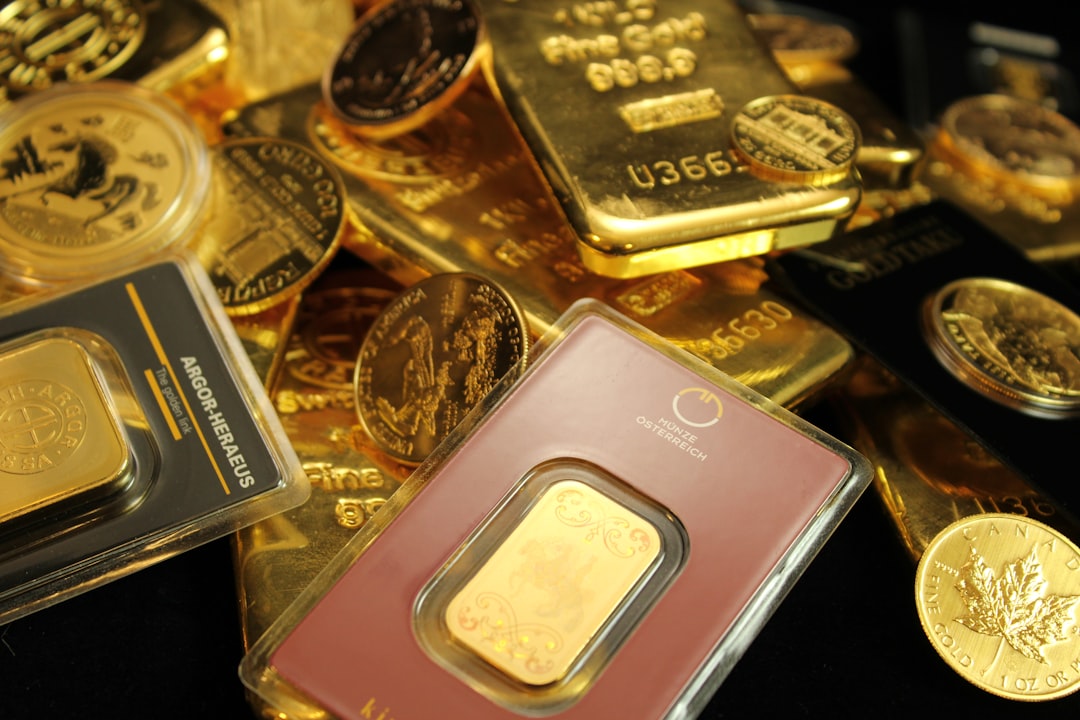
Gold: The Timeless Safe Haven
Let’s start with the classic. As of early 2026, gold is trading in the range of $2,800–$3,100 per troy ounce, buoyed by central bank purchases (especially from China, India, and several Middle Eastern sovereign funds) and persistent inflation concerns. Gold’s core value proposition is simple: it doesn’t corrode, it’s universally recognized, and it moves inversely to fear in the market.
- Volatility: Relatively low compared to oil and copper. Annual swings of 10–20% are typical.
- Liquidity: Extremely high — you can buy and sell gold ETFs like GLD or SPDR in seconds.
- Inflation hedge: Strong historical record over 50+ years.
- Income potential: Near zero — gold pays no dividend or coupon.
- Best for: Conservative investors, wealth preservation, long-term portfolio diversification.
The downside? When risk appetite is high and equities are rallying, gold tends to underperform. It’s a defensive play, not a growth engine.
Crude Oil: High Risk, High Reward — If You Time It Right
Crude oil (WTI) has been one of the most volatile assets of the past decade. In 2026, prices have been oscillating between $68 and $95 per barrel, driven by OPEC+ production decisions, the ongoing energy transition pressures, and US shale output fluctuations. The Russia-Ukraine conflict’s long tail still influences European energy pricing, while China’s manufacturing slowdown has intermittently suppressed demand.
- Volatility: Very high. A single geopolitical event can move oil 5–10% in a day.
- Liquidity: High via futures (WTI, Brent) or ETFs like USO and XLE.
- Inflation hedge: Moderate — oil causes inflation as much as it hedges it.
- Income potential: Indirect — oil company stocks pay dividends, but raw oil contracts don’t.
- Best for: Experienced traders, those with macro trend conviction, short-to-medium term plays.
Here’s the structural challenge with oil in 2026: the energy transition is real. Electric vehicle adoption has crossed a critical mass threshold globally, and the long-term demand outlook for petroleum is genuinely clouded. This doesn’t mean oil is dead — it’s not — but it does mean the asymmetry of risk has shifted. Short-term traders can profit handsomely; long-term holders face existential demand risk.
Copper: The “Dr. Copper” of the Green Economy
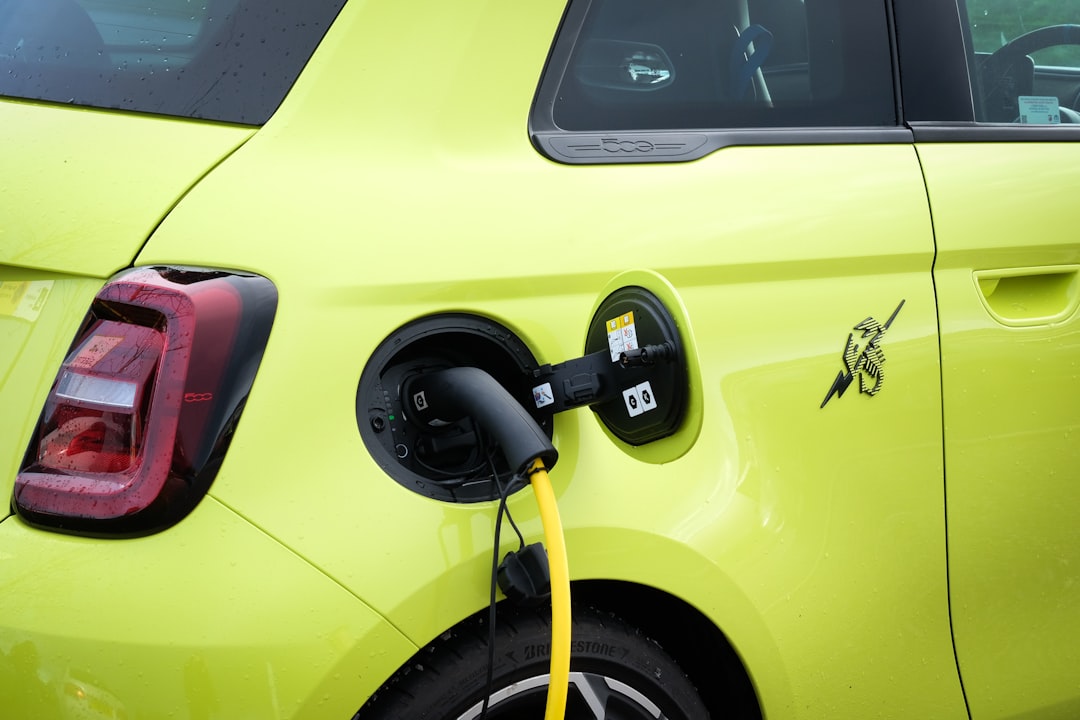
Copper has earned the nickname “Dr. Copper” because its price is considered a reliable barometer of global economic health. But in 2026, copper is playing an entirely new role: it’s the backbone of the green energy revolution. Every EV requires roughly 2.5–4x more copper than a traditional internal combustion vehicle. Solar farms, wind turbines, and smart grid infrastructure are all copper-intensive.
- Volatility: Moderate-to-high. Prices in 2026 range from $4.20 to $5.80 per pound, driven by Chilean and Congolese mine supply disruptions and surging green energy demand.
- Liquidity: Good — accessible via futures (COMEX), ETFs like CPER, or mining stocks like Freeport-McMoRan.
- Inflation hedge: Strong — copper prices tend to rise with industrial activity and inflation.
- Income potential: Indirect via mining stocks, which often pay dividends.
- Best for: Growth-oriented investors with a 3–10 year horizon, those bullish on the energy transition.
Real-World Examples: How Investors Are Playing It in 2026
Let’s look at how both individual and institutional investors are approaching this in practice.
South Korean retail investors have shown a notable uptick in gold ETF purchases through platforms like KakaoBank and Toss in early 2026, largely driven by the Korean won’s depreciation against the dollar — a classic flight-to-safety move that gold facilitates beautifully.
In the US, pension funds and endowments have been quietly rotating out of direct oil futures and into copper futures and copper mining equities. Harvard’s endowment, for instance, has reportedly increased its metals allocation tied to electrification themes.
Internationally, Chile’s state copper company Codelco reported record revenue projections for 2026, reflecting the supply-demand squeeze. Meanwhile, Middle Eastern sovereign wealth funds — which built enormous wealth on oil — are paradoxically using oil profits to fund copper and lithium investments, hedging their own energy transition exposure.
Side-by-Side Scorecard: Gold vs. Oil vs. Copper
Let me break this down in a way that actually helps you make a decision:
- 🥇 Best inflation hedge: Gold (long-term), Copper (medium-term)
- 📈 Best growth potential (2026–2030): Copper
- 🛡️ Safest for beginners: Gold
- ⚡ Best for short-term traders: Crude Oil
- 🌱 Best ESG/sustainability alignment: Copper
- 💸 Most accessible entry point: Gold ETFs or fractional gold apps
- ⚠️ Highest structural long-term risk: Crude Oil
Realistic Alternatives: What If None of These Feel Right?
Here’s where I love to offer the off-the-beaten-path thinking. If you’re intrigued by commodities but don’t want direct exposure, consider these options:
- Commodity ETFs with diversified baskets: Funds like PDBC or DJP hold a mix of gold, oil, copper, and agricultural commodities, spreading risk automatically.
- Mining and energy stocks: Buying Freeport-McMoRan (copper) or Newmont (gold) gives you commodity exposure plus dividend income — something raw commodities can’t offer.
- REITs linked to commodity infrastructure: Pipeline REITs or mining royalty companies (like Franco-Nevada) offer indirect commodity exposure with more predictable cash flows.
- I-Bonds or inflation-linked bonds: If your primary goal is inflation protection rather than speculation, TIPS or I-Bonds remain a no-drama alternative.
My Recommendation Framework
Back to my friend with $10,000 — here’s what I actually told her: “Think about your time horizon first, not the commodity.” If she needs stability and can’t stomach watching her portfolio drop 20% temporarily, gold is her lane. If she believes in the EV and renewable energy transition playing out over the next 5–7 years, copper deserves a meaningful allocation. And oil? Only if she’s prepared to actively monitor geopolitical developments and exit quickly when the macro narrative shifts.
A simple starter allocation for a moderately risk-tolerant investor in 2026 might look like: 50% gold (ETF), 35% copper (via mining stocks), 15% oil (via diversified energy ETF). This isn’t financial advice — it’s a thinking framework. Your mileage will vary based on your tax situation, risk tolerance, and investment horizon.
Editor’s Comment : What makes the gold-oil-copper comparison so fascinating in 2026 is that each commodity tells a different story about the world’s future. Gold whispers about fear and uncertainty. Oil shouts about geopolitical leverage and an industry in transition. Copper hums quietly about the infrastructure of tomorrow. The smartest investors I know aren’t asking “which one wins?” — they’re asking “which story do I believe in, and for how long?” Start there, and the allocation almost figures itself out.
태그: [‘commodity investment 2026’, ‘gold vs crude oil vs copper’, ‘copper green energy investment’, ‘gold ETF inflation hedge’, ‘crude oil market outlook 2026’, ‘commodity portfolio diversification’, ‘best commodities to invest in 2026’]
Leave a Reply