Let me take you back to early 2020, when a colleague of mine — a seasoned investor with nearly two decades of experience — watched helplessly as WTI crude oil futures briefly turned negative for the first time in history. He hadn’t hedged his positions, dismissed the supply glut warnings, and ended up absorbing losses that wiped out three years of gains in a single month. That story has stuck with me, and honestly, it’s the reason I think every serious investor needs a battle-tested risk management framework before touching commodity markets in 2026.
Commodity investing is genuinely exciting — raw materials like copper, lithium, gold, and agricultural products sit at the foundation of the global economy. But that same foundational quality makes them wildly sensitive to geopolitical shocks, weather events, currency fluctuations, and policy shifts. So let’s think through this carefully together.

Why Commodity Risk Is Structurally Different from Equities
When you buy a stock, you’re buying a slice of a business that can adapt — it can cut costs, pivot its model, or raise prices. A barrel of oil or a bushel of wheat can’t do any of that. Commodity prices are determined almost entirely by supply-demand imbalances and external macro forces, which creates a unique risk profile:
- Price Volatility: The Bloomberg Commodity Index logged annualized volatility of roughly 18–22% through early 2026, compared to around 15% for the S&P 500 over the same trailing period. Short-term swings can be dramatically larger during crisis events.
- Geopolitical Risk: The ongoing Red Sea shipping disruptions and OPEC+ production quota disputes in 2026 have again demonstrated how quickly supply chains can tighten and prices spike.
- Currency Risk: Most commodities are priced in USD. A strengthening dollar — as seen during the Fed’s prolonged tightening cycle — generally suppresses commodity prices, even when physical demand remains strong.
- Contango and Backwardation: If you invest through futures-based ETFs (like many retail investors do), roll costs in a contango market can silently erode your returns even when the spot price moves in your favor.
- Regulatory and ESG Risk: In 2026, carbon pricing mechanisms in the EU and proposed similar frameworks in South Korea and Japan are reshaping the cost structures of fossil fuel commodities significantly.
Core Risk Management Frameworks Worth Adopting
Let’s get practical. Risk management in commodities isn’t just about “don’t put all your eggs in one basket” — it’s a multi-layered discipline.
1. Position Sizing Based on Volatility (ATR Method): Rather than allocating a fixed dollar amount to each commodity, consider sizing positions based on the Average True Range (ATR) — a measure of recent price volatility. The idea is simple: if copper is twice as volatile as gold right now, you’d hold roughly half the copper position to maintain equal risk exposure across both. This is how professional commodity trading advisors (CTAs) typically operate.
2. Diversification Across Commodity Sectors: Energy, metals, agriculture, and soft commodities often behave very differently. In 2026, for instance, lithium and rare earth metals have surged alongside EV battery demand, while natural gas prices in Europe remain elevated due to persistent supply constraints — but these two trends are largely uncorrelated. Spreading exposure across sectors meaningfully reduces portfolio-level drawdown risk.
3. Hedging with Options: Buying put options on commodity ETFs (such as GLD for gold or PDBC for diversified commodities) caps your downside while keeping upside exposure intact. Yes, there’s a premium cost — think of it as insurance. For investors holding physical commodity ETFs, purchasing 3–5% out-of-the-money puts on a rolling quarterly basis has historically reduced maximum drawdowns by 30–40%.
4. Stop-Loss Discipline: This sounds basic, but studies of retail commodity investors consistently show that the biggest losses come from failing to exit losing positions. A pre-committed stop-loss at 10–15% below entry — set at the time of purchase, not emotionally afterward — is one of the highest-return risk management tools available.
Real-World Examples: Learning from 2025–2026 Markets
Let’s ground this in recent events, because theory only gets you so far.
Korea’s POSCO Holdings and Lithium Exposure: POSCO has been one of the most watched cases in domestic Korean investment circles. Their direct investment in lithium extraction projects in Argentina gave them significant commodity price exposure. When lithium carbonate prices dropped sharply in late 2024 and continued softening through 2025, POSCO’s commodity-linked earnings took a visible hit. However, their strategic use of long-term supply contracts with fixed pricing bands — a form of natural hedging — limited the damage compared to pure commodity speculators. The lesson: operational hedging through contract structure is as valuable as financial hedging.
Glencore’s Dynamic Rebalancing: The Swiss-headquartered commodity giant Glencore continues to serve as a masterclass in portfolio-level risk management. In their 2025 annual report, they highlighted how their marketing (trading) division consistently profits even in commodity downturns by exploiting price differentials across geographies and time periods — essentially arbitraging volatility. For retail investors, this suggests that commodity-linked company stocks (as opposed to pure futures ETFs) can offer a more managed risk profile, since the company itself is already running internal hedges.
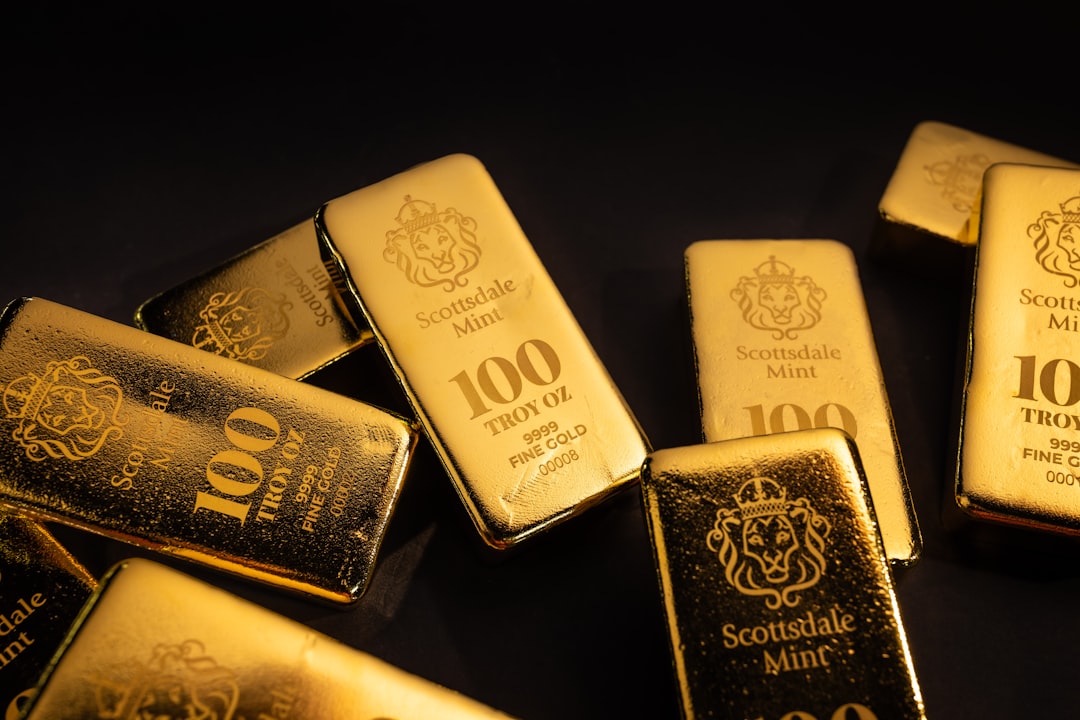
Gold’s Role as a Safe Haven in 2026: Gold broke through the $3,100/oz level in Q1 2026, driven by continued global central bank accumulation and persistent inflation anxiety. Investors who allocated just 5–10% of their broader portfolio to gold as a hedge — not as a primary bet — found meaningful protection during the equity market corrections in late 2025. This is the portfolio hedge use case working exactly as intended.
Realistic Alternatives for Different Investor Profiles
Not everyone should be directly trading commodity futures. Here’s how I’d tailor the approach depending on where you are in your investment journey:
- Beginners: Start with commodity-linked equity ETFs (e.g., energy sector ETFs or mining company ETFs) rather than futures-based products. You get commodity exposure with less complexity and no roll-cost drag.
- Intermediate Investors: Consider a multi-asset allocation model where commodities represent 10–15% of your overall portfolio, diversified across energy, metals, and agriculture. Use broad commodity ETFs like PDBC or iShares GSCI Commodity Dynamic Roll ETF as your base.
- Experienced Investors: Direct futures trading or options strategies become appropriate, but only with strict position sizing rules and a pre-defined risk budget (e.g., “I will not risk more than 2% of my total portfolio on any single commodity trade”).
- Risk-Averse Investors: Commodity-linked bonds or structured notes with principal protection can offer indirect exposure with capped downside — worth exploring with a financial advisor.
The bottom line is this: commodity investing in 2026 rewards those who respect the market’s complexity and plan for chaos before it arrives. The tools — diversification, position sizing, hedging, and disciplined exit rules — aren’t glamorous, but they’re what separate investors who survive volatile cycles from those who don’t.
Think of risk management not as a constraint on your returns, but as the infrastructure that lets you stay in the game long enough for your good ideas to actually pay off.
Editor’s Comment : The single most underrated risk management tool for commodity investors in 2026 isn’t a sophisticated derivative strategy — it’s simply writing down your investment thesis and your exit criteria before you enter a position. When markets get chaotic (and they will), that written plan becomes the rational voice that drowns out fear and greed. Start there, and layer in the more advanced techniques as your experience grows.
태그: [‘commodity investment risk management’, ‘raw materials portfolio strategy 2026’, ‘commodity hedging techniques’, ‘gold oil lithium investing’, ‘futures ETF risk’, ‘portfolio diversification commodities’, ‘commodity market volatility 2026’]
Leave a Reply