A friend of mine — a high school teacher with zero Wall Street background — called me last month completely flustered. She’d heard the phrase “commodity ETF” thrown around at a dinner party and felt embarrassed she didn’t know what it meant, let alone which ones were worth investing in. Sound familiar? Here’s the thing: commodity ETFs are one of the most accessible inflation hedges and portfolio diversifiers out there in 2026, yet so many people treat them like some arcane financial ritual reserved for hedge fund managers. Let’s break that myth together.
With global supply chains still recalibrating post-pandemic disruptions, geopolitical tensions affecting energy routes, and central banks navigating inflation with surgical caution, raw material (commodity) ETFs have surged back into serious investor conversations this year. Whether you’re a beginner dipping your toes in or a seasoned portfolio builder looking to rebalance, this guide walks through the landscape clearly and honestly.
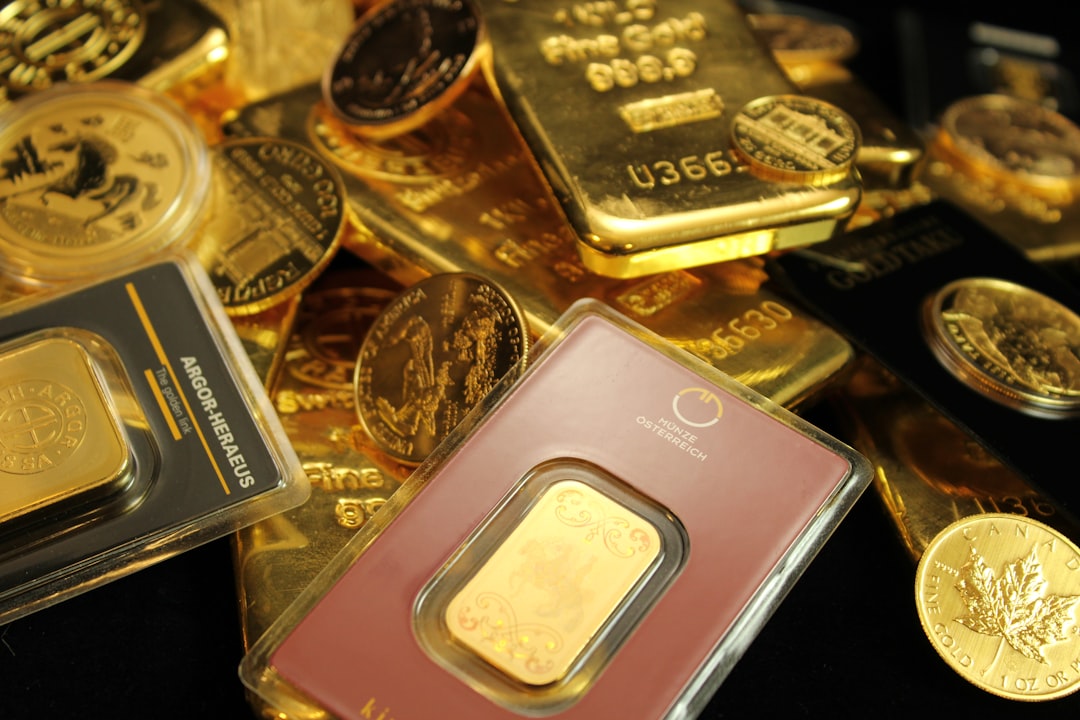
What Exactly Is a Commodity ETF?
Before we dive into comparisons, let’s ground ourselves. A commodity ETF (Exchange-Traded Fund) is a fund traded on a stock exchange — just like a regular stock — that tracks the price of one or more raw materials. These can include:
- Energy: Crude oil, natural gas, gasoline
- Precious metals: Gold, silver, platinum
- Agricultural products: Wheat, corn, soybeans, coffee
- Industrial metals: Copper, aluminum, lithium
- Broad baskets: A mix of the above categories
The key advantage? You get exposure to these physical markets without needing to store a barrel of oil in your garage. The fund handles the mechanics — usually through futures contracts or physical holdings — and you simply buy shares through your brokerage.
Why 2026 Is a Pivotal Year for Commodity ETFs
Let’s talk about the macro context, because context is everything in investing. As of early 2026, several forces are pushing commodity prices into the spotlight:
- Energy transition acceleration: The global shift toward EVs and green infrastructure has sent lithium, copper, and cobalt demand soaring. The International Energy Agency projects that copper demand for clean energy technologies alone will double by 2030 — meaning we’re right in the thick of a structural demand surge.
- Middle East and Eastern European supply uncertainty: Ongoing geopolitical friction continues to create volatility in oil and natural gas markets, making energy ETFs both risky and potentially high-reward.
- Agricultural stress: Erratic weather patterns linked to climate change have disrupted grain outputs in key producing nations like Argentina and Ukraine, keeping agricultural commodity prices elevated.
- Dollar dynamics: A slightly weakening U.S. dollar in 2026 tends to push commodity prices higher (since most are dollar-denominated), benefiting commodity ETF holders globally.
Top Commodity ETFs in 2026: A Comparative Breakdown
Let’s get specific. Here are some of the most widely discussed and traded commodity ETFs right now, each serving a different investing purpose:
- SPDR Gold Shares (GLD): The gold standard — literally. GLD tracks physical gold and remains the most liquid gold ETF globally with over $65 billion in assets under management as of Q1 2026. Gold has historically performed well during economic uncertainty. Expense ratio: ~0.40%. Best for: conservative inflation hedgers.
- iShares S&P GSCI Commodity-Indexed Trust (GSG): A broad commodity basket weighted heavily toward energy (~60%). This gives you diversified exposure but also means energy price swings dominate your returns. Expense ratio: ~0.75%. Best for: investors who want wide commodity exposure without picking individual sectors.
- Invesco DB Commodity Index Tracking Fund (DBC): Another broad-basket ETF but with a smarter rolling strategy on futures contracts, which helps reduce the “contango drag” problem (more on that below). Expense ratio: ~0.85%. Best for: intermediate investors who understand futures mechanics.
- United States Oil Fund (USO): Tracks West Texas Intermediate (WTI) crude oil futures. High volatility, high potential reward, but also high risk. In 2026, oil prices have been oscillating between $72–$91 per barrel depending on OPEC+ decisions. Expense ratio: ~0.60%. Best for: tactical traders with short-term energy views.
- Global X Lithium & Battery Tech ETF (LIT): Technically an equity ETF with heavy commodity exposure through lithium miners and processors. With EV adoption accelerating, lithium demand is a long-term structural story. Expense ratio: ~0.75%. Best for: growth-oriented investors aligned with the clean energy megatrend.
- Teucrium Wheat Fund (WEAT): A pure-play agricultural ETF tracking wheat futures across multiple contract months. Given global food security concerns in 2026, this is a niche but increasingly relevant play. Expense ratio: ~1.00%. Best for: investors who want agricultural diversification.

The Contango Problem: What Most Beginner Guides Skip
Here’s something crucial that often gets glossed over: most commodity ETFs don’t actually hold physical barrels of oil or bushels of wheat. They hold futures contracts — agreements to buy a commodity at a set price on a future date. When those contracts expire, the fund must “roll” into the next month’s contract.
If the market is in contango (meaning future prices are higher than current prices, which is common), the fund constantly sells cheap near-term contracts and buys more expensive far-term ones. Over time, this erodes returns — sometimes significantly. This is why you might notice that a crude oil ETF underperforms actual oil price movements over a year. Always check if the ETF uses an optimized rolling strategy (like DBC does) versus simple front-month rolling (like USO).
International Perspective: Korean and Asian Commodity ETF Landscape in 2026
For Korean investors and those in Asian markets, the domestic ETF scene has matured considerably. KODEX and TIGER ETFs (managed by Samsung Asset Management and Mirae Asset, respectively) have expanded their commodity product lines significantly in 2026:
- KODEX Gold Futures (H): Tracks gold futures with currency hedging to reduce USD/KRW volatility impact. Popular among Korean retail investors seeking a stable inflation hedge.
- TIGER 원유선물 Enhanced (H): An enhanced oil futures ETF using the multi-month rolling approach to mitigate contango drag — a thoughtful upgrade from earlier generation oil ETFs.
- KODEX 구리선물 (Copper Futures): With South Korea’s semiconductor and EV battery manufacturing sectors requiring significant copper, this ETF has seen growing institutional interest in 2026.
For investors in Japan, Nomura’s commodity ETN (Exchange-Traded Note) products covering broad commodities and gold have similarly gained traction as the Bank of Japan’s monetary policy normalization affects traditional bond portfolios.
Realistic Alternatives: When a Pure Commodity ETF Isn’t Right for You
Not every investor needs a pure commodity ETF, and I want to be honest about that. Here are some realistic alternatives depending on your situation:
- If you’re risk-averse: Consider a multi-asset ETF that includes a commodity allocation alongside equities and bonds. This gives you commodity exposure without the whiplash of a pure play.
- If you’re interested in commodities but want company profits too: Look at commodity producer ETFs like VanEck Gold Miners ETF (GDX) or Sprott Uranium Miners ETF (URNM). You invest in the companies extracting resources — they benefit from high commodity prices but also generate revenue, dividends, and operational leverage.
- If you’re nervous about futures complexity: Stick with physically-backed ETFs like GLD (gold) or SIVR (silver), which hold the actual metal. No contango, no rolling mechanics — simple and clean.
- If your horizon is long-term (10+ years): A thematic ETF focused on clean energy materials (like LIT or COPX for copper miners) might outperform pure spot commodity plays as the energy transition structurally shifts demand.
The bottom line? Match the ETF’s mechanics to your investing style, time horizon, and risk tolerance. There’s no single “best” commodity ETF for everyone in 2026 — but there’s likely a right one for you once you understand what you’re actually buying.
Editor’s Comment : Commodity ETFs are genuinely one of those investment tools that reward the curious. The moment you understand why oil prices move, why gold spikes during uncertainty, or why lithium is essentially the new crude oil of the 2020s, these funds stop feeling intimidating and start feeling like a logical extension of understanding the world around you. Start small, understand the mechanics (especially that contango issue — seriously, bookmark it), and diversify within commodities just as you would across any asset class. Your portfolio will thank you for thinking globally and materially.
태그: [‘commodity ETF 2026’, ‘best commodity ETFs’, ‘gold ETF comparison’, ‘oil ETF investing’, ‘lithium ETF 2026’, ‘raw materials investment’, ‘ETF portfolio diversification’]
Leave a Reply