Imagine you’re running a small import business in Jakarta. You wake up one morning, check the exchange rate, and realize the Indonesian rupiah has slid another 3% against the U.S. dollar overnight. Your supplier invoices — all priced in USD — just got significantly more expensive, but your customers are still expecting the same local prices. That gut-punch feeling? That’s the lived reality of dollar strength for millions of businesses and households across emerging markets in 2026.
The strong dollar narrative isn’t new, but in 2026, it’s hitting with particular force. Let’s think through why this is happening, who’s bearing the brunt, and — crucially — what realistic responses actually look like.
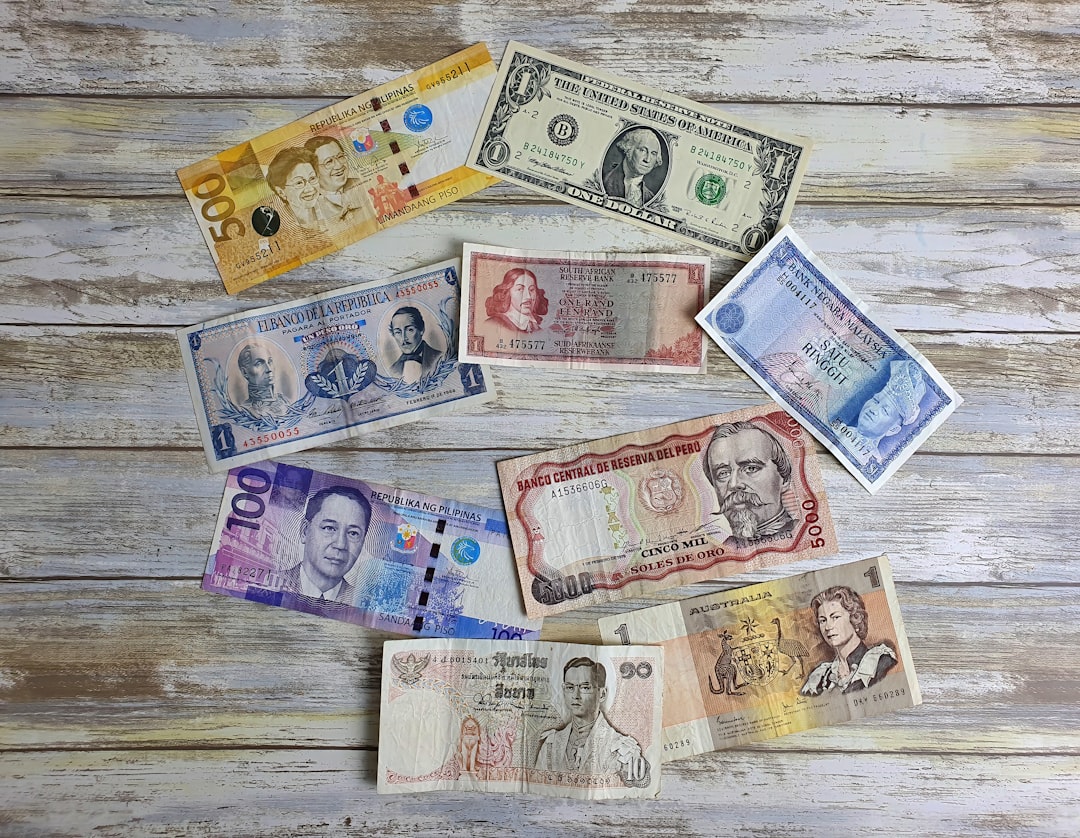
Why Is the Dollar So Strong in 2026?
To understand the pain, we need to understand the source. The U.S. Federal Reserve’s prolonged restrictive monetary stance — keeping benchmark rates elevated well into 2025 and only beginning cautious cuts in late 2025 — has kept dollar-denominated assets attractive to global investors. Capital flows toward yield, and when the U.S. offers competitive returns, money flows into dollars, driving up demand and, consequently, the dollar’s value against peer currencies.
On top of that, geopolitical fragmentation — ongoing trade realignments between major blocs — has reinforced the dollar’s safe-haven status. When uncertainty spikes, investors don’t flee to rupees or pesos; they flee to dollars. The DXY (U.S. Dollar Index), which measures the dollar against a basket of major currencies, has been trading in a persistently elevated range throughout early 2026, sitting roughly 8–12% above its 2022 average levels.
The Mechanics of Emerging Market Pain
So why does a strong dollar hurt countries that aren’t the United States? There are several interlocking reasons:
- Debt denominated in USD: Many emerging market governments and corporations borrowed in dollars during the low-rate era of the 2010s. As the dollar strengthens, the local-currency cost of repaying that debt balloons. For a country like Pakistan or Sri Lanka, this can tip an already strained fiscal position into crisis territory.
- Import cost inflation: Commodities like oil, wheat, and industrial metals are globally priced in dollars. When your local currency weakens, importing these essentials becomes more expensive — feeding domestic inflation even when global commodity prices themselves aren’t rising.
- Capital flight pressure: Higher U.S. yields make dollar assets more attractive, pulling portfolio investment out of emerging market stocks and bonds. This weakens local currencies further, creating a self-reinforcing cycle.
- Reduced policy flexibility: Emerging market central banks face a painful dilemma — raise rates to defend the currency (at the cost of slowing growth) or keep rates low to support the economy (at the cost of currency depreciation and more inflation).
- Foreign reserve depletion: Countries that intervene in currency markets to stabilize their exchange rates burn through their dollar reserves, reducing the financial buffer available for future crises.
Real-World Examples: Who’s Struggling Most in 2026?
Let’s ground this in specifics, because the impact isn’t uniform.
Turkey continues to navigate one of the most dramatic currency depreciation stories of the decade. The Turkish lira has lost significant purchasing power over multi-year trends, and while the Turkish central bank has made moves toward orthodoxy, the combination of persistent domestic inflation and external dollar pressure keeps the adjustment painful for ordinary citizens facing higher food and energy costs.
Egypt presents another instructive case. After successive IMF-supported devaluations, Egypt’s economy is attempting a stabilization path, but dollar strength makes it harder to attract the foreign investment needed for the reform program to gain traction. Tourism revenues in USD help, but they’re insufficient to fully offset the structural pressure.
Brazil is a more nuanced story. As a commodity exporter — particularly of soybeans and iron ore — Brazil actually benefits from some dollar strength since its export revenues are dollar-denominated. Yet Brazilian real depreciation still stokes domestic inflation and complicates the central bank’s balancing act.
Vietnam and other export-oriented Southeast Asian economies face competitive pressures differently: while a weaker local currency can boost export competitiveness on paper, rising input costs (imported energy and machinery) eat into that advantage.
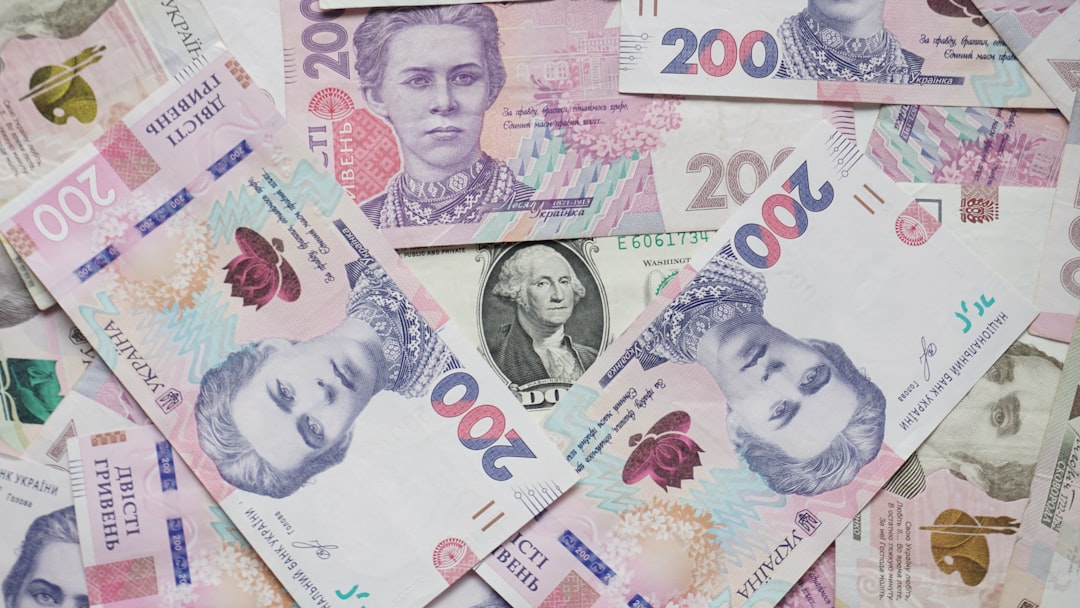
The Debt Trap: A Closer Look at Dollar-Denominated Borrowing
Here’s a detail worth dwelling on. According to IMF estimates tracked into 2026, roughly 60% of global debt in developing economies is denominated in foreign currencies — predominantly dollars. When the dollar appreciates by 10%, the real debt burden for these countries increases correspondingly in local-currency terms, even without borrowing a single additional cent. This isn’t theoretical — it directly affects budget allocations, potentially crowding out spending on healthcare, infrastructure, and education.
For lower-income nations already classified as being in or near debt distress — a list that unfortunately remains lengthy in 2026 — this dynamic can be genuinely existential for public finances.
Realistic Alternatives: What Can Emerging Markets Actually Do?
Here’s where I want to be honest with you rather than just serving up a tidy policy wishlist. There are no easy solutions, but there are meaningful actions at different levels:
- Diversify reserve currencies: Several emerging markets are accelerating efforts to settle bilateral trade in non-dollar currencies — whether yuan, euros, or even local currency swap arrangements. The BRICS+ expansion has given new momentum to these conversations, though the dollar’s network effects remain formidable.
- Develop local capital markets: Countries that can issue more debt in their own currencies reduce their vulnerability to dollar swings. This requires building credible domestic institutions and investor trust over years — not something you can shortcut.
- Strengthen fiscal buffers during good times: The countries weathering 2026’s dollar pressure best are those that built up reserves and ran tighter fiscal policies during the commodity boom years. Indonesia and India, for instance, entered this period in relatively better shape than some peers.
- IMF and multilateral support: While politically sensitive, accessing IMF facilities — particularly the Resilience and Sustainability Trust — can provide breathing room for structural reforms without catastrophic currency crises.
- Commodity-linked strategies: Resource-rich nations can use natural resource funds and commodity revenue stabilization mechanisms to buffer against the pro-cyclical nature of dollar strength.
What About Individual Investors and Businesses in These Markets?
If you’re a business owner or individual saver in an emerging market economy, the practical question is: how do you protect yourself? A few realistic approaches worth considering:
- Hold a portion of savings in hard currencies (where legally and practically feasible) as a hedge against local currency depreciation.
- For businesses with dollar-denominated costs, explore forward contracts or natural hedging by matching dollar revenues with dollar expenses where possible.
- Diversify revenue sources — if you’re export-oriented, markets that pay in euros or yen reduce your pure dollar exposure.
- Build stronger cash flow buffers — in volatile currency environments, liquidity is your shock absorber.
None of these are magic bullets, but they’re the kind of structural thinking that separates businesses that survive currency volatility from those that don’t.
The Bigger Picture: Is Dedollarization a Real Alternative?
The conversation about reducing global dependence on the dollar has intensified considerably by 2026. ASEAN nations are expanding local currency payment frameworks, Gulf states are experimenting with yuan-denominated oil contracts, and the digital currency landscape is adding new dimensions to the picture. But here’s the honest assessment: the dollar’s dominance isn’t going away in the near term. The sheer depth of U.S. financial markets, the legal frameworks around dollar contracts, and decades of institutional infrastructure make the dollar uniquely irreplaceable for now. Dedollarization is a slow, generational process — not a 2026 solution to a 2026 problem.
What’s more achievable is dollar risk reduction — building systems and buffers that make emerging economies more resilient to dollar cycles without requiring a complete restructuring of the global financial system.
The strong dollar in 2026 is a real and serious challenge for emerging markets. It’s squeezing budgets, fueling inflation, and complicating policy choices across dozens of countries. But it’s also — if we’re willing to look at it honestly — an accelerant for long-overdue structural reforms in how these economies manage their external vulnerabilities. The countries that use this pressure as a catalyst for deeper financial market development, more disciplined fiscal management, and smarter currency risk frameworks will emerge from this cycle meaningfully stronger.
The others? Well, they’ll be having this same conversation when the next dollar surge arrives.
Editor’s Comment : The dollar strength story in 2026 is one of those topics where the surface-level headline (“dollar up, emerging markets hurt”) dramatically undersells the complexity underneath. What I find genuinely fascinating is how this pressure is simultaneously exposing structural weaknesses that policymakers have known about for years and creating the political will to finally address them. The countries I’m watching most closely aren’t necessarily the ones in most immediate pain — it’s the ones quietly using this moment to build better institutions. That’s where the real story of 2026 emerging market economics will ultimately be written.
태그: [‘strong dollar 2026′, ’emerging markets economy’, ‘currency depreciation’, ‘dollar strength impact’, ’emerging market debt’, ‘global currency risk’, ‘dedollarization 2026’]
Leave a Reply