지난 연초, 한 중소 제조업체 대표님과 이야기를 나눌 기회가 있었어요. 그분은 2025년 말 구리 가격이 예상보다 훨씬 빠르게 오르면서 원가 계획이 완전히 뒤집혔다고 하셨죠. “원자재 가격 전망이라는 게 도대체 믿을 수 있는 건가요?”라고 물으시던 표정이 아직도 기억에 남아요. 사실 원자재 시장은 지정학, 통화, 기후, 수요 사이클이 한꺼번에 얽혀 있어서 단순하게 예측하기가 정말 어렵습니다. 그래서 오늘은 2026년 원자재 가격 전망을 주요 섹터별로 살펴보고, 현실적으로 어떻게 대응할 수 있는지 같이 고민해 보려고 해요.
📊 본론 1 — 섹터별 수치로 보는 2026 원자재 가격 흐름
2026년 원자재 시장은 크게 에너지·금속·농산물 세 축으로 나눠서 보는 게 라인 것 같아요. 각각 움직이는 논리가 꽤 다르거든요.
① 에너지 (원유·천연가스)
OPEC+는 2025년 4분기부터 단계적 감산 완화를 시작했지만, 미국 셰일 생산량이 예상보다 빠르게 회복되면서 WTI 기준 배럴당 72~82달러 박스권을 형성할 가능성이 높다고 봅니다. 블룸버그 커모디티 인텔리전스 기준으로는 2026년 평균 원유 가격이 전년 대비 약 4~7% 하락 압력을 받을 것으로 추정되고 있어요. 천연가스는 유럽의 LNG 도입 다변화와 미국발 공급 증가로 인해 Henry Hub 기준 MMBtu당 2.8~3.5달러 수준으로 안정될 가능성이 크다고 보고요.
② 금속 (구리·리튬·금)
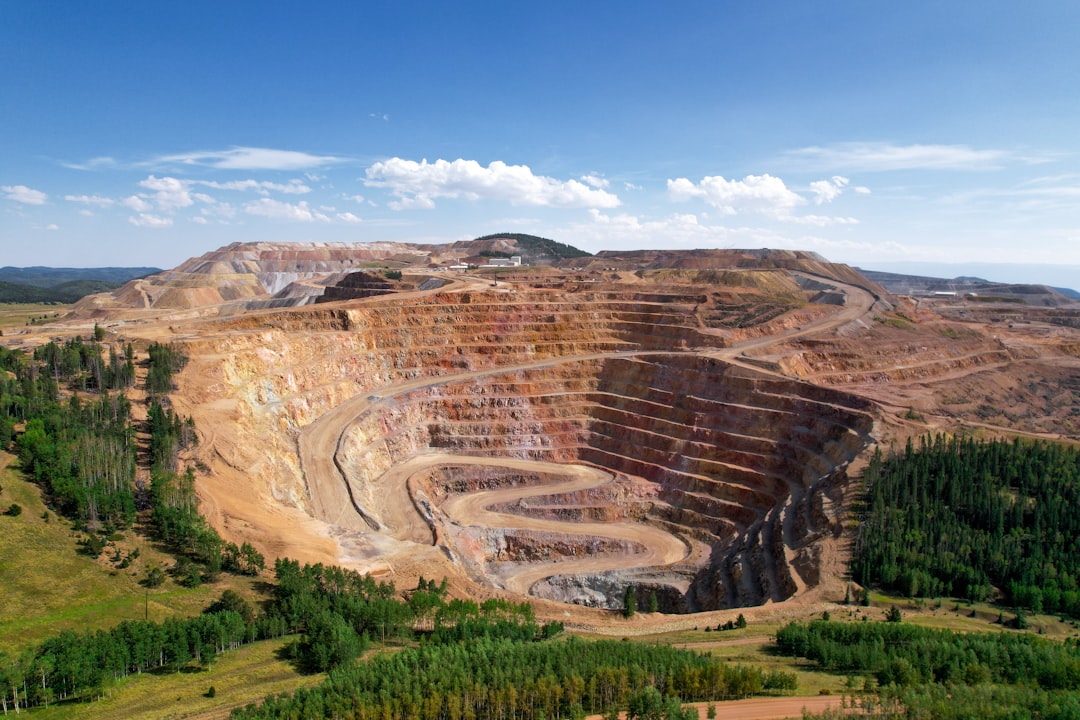
구리는 에너지 전환 인프라 수요(전력망 확충, EV 배터리) 때문에 구조적 상승 압력이 여전합니다. LME 기준 톤당 9,200~10,500달러 범위가 유력한 것 같아요. 리튬은 반대로 2025년 공급 과잉 여파가 이어지며 탄산리튬 기준 톤당 12,000~15,000달러로 바닥권 탐색이 계속될 수 있다고 봅니다. 금은 미국 연준의 금리 인하 기조와 중앙은행 매수세가 맞물려 온스당 2,700~3,100달러의 강세 흐름을 유지할 가능성이 높아 보여요.
③ 농산물 (밀·대두·팜유)
El Niño 종료 이후 기상 정상화 기대가 있지만, 흑해 지역 지정학적 불안이 여전하고 인도의 수출 제한 정책도 변수입니다. 밀은 부셸당 5.5~6.5달러, 대두는 10.5~12달러 수준에서 움직일 것으로 예상돼요.
🌍 본론 2 — 국내외 사례로 보는 시장의 실제 반응
해외 사례를 먼저 보면, 일본의 대형 종합상사인 미쓰비시상사와 마루베니는 2025년부터 구리 및 리튬 광산 지분을 공격적으로 확대하며 장기 공급 계약 비중을 높이는 전략을 취하고 있어요. 이건 단순 투기가 아니라, 원자재 가격 변동성 자체를 사업 리스크로 정의하고 내재화하는 접근이라고 볼 수 있습니다.
국내에서는 포스코홀딩스가 리튬 가격 하락기를 오히려 아르헨티나·호주 리튬 자산 추가 확보의 기회로 활용하고 있고, LG에너지솔루션은 주요 배터리 소재 공급사와 가격 연동 계약 구조(Price Indexing)를 재편해 원가 리스크를 분산시키고 있는 상황이에요. 즉, 가격 예측보다 가격 노출 자체를 관리하는 방향으로 전략이 이동하고 있다고 봅니다.
개인 투자자 영역에서도 변화가 느껴지는데요. 국내 ETF 시장에서 원자재 관련 상품(금 ETF, 구리 ETF, 원유 인버스 ETF 등) 거래대금이 2025년 하반기 이후 꾸준히 늘어나고 있어요. 이는 단순 투자 목적 외에도, 포트폴리오 헤징 수단으로 원자재를 인식하는 투자자가 늘고 있다는 신호로 읽힙니다.
🔑 2026 원자재 시장, 핵심 변수 체크리스트
미국 달러 인덱스(DXY) 방향성 — 달러 약세 시 원자재 전반에 상승 압력. 연준의 금리 경로가 핵심이에요.
중국 내수 경기 회복 속도 — 구리, 철광석, 알루미늄 등 산업금속의 최대 수요처인 만큼, 중국 PMI 지수를 꾸준히 모니터링하는 게 좋습니다.
에너지 전환 정책 속도 — EU의 탄소국경조정제도(CBAM) 본격 시행과 미국 IRA 세액공제 유지 여부가 핵심 금속 수요에 직결돼요.
지정학적 리스크 (러-우 분쟁, 중동 긴장) — 에너지와 농산물 모두 공급 충격의 방아쇠가 될 수 있어요.
기후 이벤트 (라니냐 가능성) — 2026년 하반기 라니냐 발생 시 남미 대두·옥수수 생산에 영향을 줄 수 있다는 점도 고려해야 합니다.
💡 결론 — 개인과 기업이 취할 수 있는 현실적인 대응 전략
솔직히 말씀드리면, 2026년 원자재 가격을 정확히 맞추는 건 월가의 애널리스트들도 쉽지 않은 일이에요. 그러다 보니 중요한 건 예측의 정확도가 아니라 불확실성을 다루는 구조를 갖추는 것이라고 봅니다.
기업 입장이라면, 원자재 구매 시점을 분산하는 달러 코스트 애버리징(DCA) 방식의 조달 전략이나, 선물·옵션 계약을 활용한 헤징을 검토해볼 만해요. 물론 파생상품 활용은 전문 인력이나 외부 컨설팅이 필요한 영역이지만, 최소한 주요 원자재의 가격 움직임을 정기적으로 트래킹하는 내부 시스템을 만드는 것만으로도 의사결정의 질이 달라집니다.
개인 투자자라면, 원자재 직접 투자보다는 관련 ETF나 원자재 테마 펀드를 포트폴리오의 5~15% 내에서 헤징 목적으로 편입하는 방식이 현실적인 것 같아요. 단기 차익보다는 인플레이션 방어 수단으로 접근하는 마인드셋이 중요합니다.
에디터 코멘트 : 2026년 원자재 시장은 ‘방향성의 불확실성’보다 ‘속도의 불확실성’이 더 큰 해가 될 것 같아요. 큰 방향(에너지 전환, 달러 약세 가능성, 지정학 리스크)은 어느 정도 그려지지만, 언제 얼마나 빠르게 가격이 움직일지가 변수입니다. 그래서 지금 가장 필요한 자세는 ‘맞추려는 것’이 아니라 ‘준비되어 있는 것’이라고 생각해요. 어떤 시나리오가 와도 흔들리지 않는 구조를 미리 만들어두는 것, 그게 2026년 원자재 전망을 공부하는 진짜 이유가 아닐까 싶습니다.
Picture this: it’s early 2026, and you’re sitting across from a financial advisor who keeps repeating the phrase “protect your purchasing power.” You nod along, but somewhere in the back of your mind you’re wondering — okay, but how exactly does buying a barrel of oil or a slice of wheat futures actually shield my savings from inflation? If that sounds familiar, you’re in the right place. Let’s think through this together, because building a commodity portfolio isn’t just about throwing money at gold and calling it a day.
Why Commodities Still Matter as an Inflation Hedge in 2026
Inflation in 2026 has taken on a more nuanced character than the blunt-force spikes we saw in prior years. Central banks across the G7 have been navigating a delicate balance — rates have softened slightly from their peaks, but structural inflation drivers like energy transition costs, labor shortages, and geopolitical supply disruptions haven’t gone away. According to IMF projections updated in early 2026, global inflation is expected to hover between 3.2% and 4.5% in emerging markets, and around 2.8% in advanced economies — still meaningfully above pre-2020 norms.
This is exactly where commodities enter the conversation. Unlike bonds (which lose real value when inflation rises) or cash (which erodes directly), commodities are real assets — their prices tend to move with inflation rather than against it. The logic: when the dollar buys less, it takes more dollars to buy a bushel of corn or an ounce of gold. That’s your hedge in action.
Breaking Down the Core Asset Classes
Not all commodities perform the same way under inflationary pressure. Let’s map out the main categories and what they’re actually doing in 2026:
Precious Metals (Gold & Silver): Gold crossed the $2,800/oz mark in late 2025 and has traded in the $2,750–$2,900 range through Q1 2026. It remains the classic store of value. Silver, meanwhile, benefits from dual demand — both as a monetary metal and as a critical input in solar panel manufacturing, which ties it to the green energy boom.
Energy Commodities (Oil & Natural Gas): Brent crude has been oscillating between $82–$95/barrel, driven by OPEC+ production discipline and continued demand from Asia. Natural gas remains volatile but strategically important, especially in Europe where LNG infrastructure investments are still maturing.
Agricultural Commodities (Wheat, Corn, Soybeans): Climate disruptions in major producing regions (Argentina, Australia, parts of Southeast Asia) have kept soft commodity prices elevated. These are particularly strong inflation hedges because food price inflation is itself one of the biggest components of CPI baskets globally.
Industrial Metals (Copper, Lithium, Nickel): Copper in particular is often called “Dr. Copper” because it reflects broader economic activity. In 2026, copper demand is being supercharged by EV infrastructure and grid modernization. Lithium prices have stabilized after a sharp correction in 2024–2025, making entry points more attractive for long-term holders.
Commodity ETFs & Broad Indexes: For those who don’t want direct exposure to futures contracts (which involve rollover costs and complexity), ETFs tracking indexes like the Bloomberg Commodity Index offer diversified exposure. The iPath Bloomberg Commodity Index Total Return ETN (DJP) and Invesco DB Commodity Index Tracking Fund (DBC) remain popular vehicles in 2026.
Real-World Portfolio Examples: Domestic & International Approaches
Let’s look at how investors in different contexts are approaching this in 2026:
South Korean Retail Investors: With the Korean won experiencing moderate depreciation pressure against the dollar in early 2026, Korean investors have shown increased interest in dollar-denominated gold ETFs and overseas commodity funds. The Korea Exchange (KRX) has also seen growing trading volume in gold futures contracts, and several domestic asset managers have launched commodity-linked structured products targeting the inflation-aware segment.
U.S. Institutional Approach: Large pension funds like the California Public Employees’ Retirement System (CalPERS) have maintained commodity allocations in the 4–7% range of their total portfolio as part of their inflation-sensitive asset strategy. They tend to favor diversified commodity indexes rather than single-commodity bets, smoothing out volatility.
European Family Offices: Given Europe’s ongoing energy security concerns, many high-net-worth European investors have deliberately overweighted energy commodities and agricultural inputs, viewing them as both inflation hedges and geopolitical risk buffers simultaneously.
The Mechanics: How to Actually Build This Portfolio
Here’s where we get practical. Building a commodity portfolio isn’t one-size-fits-all. Your approach should depend on your investment horizon, risk tolerance, and whether you’re in an accumulation or preservation phase. Here’s a logical framework to work from:
Conservative (Capital Preservation Focus): 60–70% precious metals (mostly gold via ETF or physical), 20–30% broad commodity index ETF, 10% cash or short-term TIPS (Treasury Inflation-Protected Securities). This setup prioritizes stability over growth.
Balanced (Moderate Risk): 30% gold/silver, 25% energy ETF or individual energy stocks with commodity exposure, 25% industrial metals (copper-focused), 20% agricultural commodity fund. This captures more upside across the commodity cycle.
Aggressive (Growth with Inflation Protection): 20% gold, 30% energy (including uranium, which has had a remarkable run tied to nuclear energy expansion), 30% industrial metals (heavy lithium/copper weighting), 20% agricultural commodities with direct futures exposure. Higher volatility, but potentially stronger real returns.
One important concept for beginners: contango and backwardation. These are terms that describe the shape of futures curves. In contango (where future prices are higher than spot prices), rolling futures contracts forward costs you money over time — this is a hidden drag on commodity ETF returns. It’s worth checking whether the ETFs you choose use strategies to minimize this roll cost.
Realistic Alternatives for Different Situations
Maybe you’re reading this thinking: “I only have $500 to invest” or “I’m already heavily invested in equities — I can’t completely restructure.” Totally valid. Here are some realistic, accessible paths:
If you have limited capital: Start with a single broad commodity ETF (like DBC or PDBC in the U.S.) or a gold accumulation account if you’re in Korea. These give you commodity exposure without needing large minimum investments or futures knowledge.
If you prefer stocks to futures: Consider commodity-adjacent equities — mining companies (like Barrick Gold, Freeport-McMoRan), agricultural input companies, or integrated energy majors. These companies’ revenues are directly tied to commodity prices, giving you indirect inflation protection with the familiarity of stock investing.
If you want inflation protection but hate volatility: TIPS (in the U.S.) or inflation-linked bonds in your home country offer a smoother ride. They won’t give you the upside of a copper surge, but they guarantee your real purchasing power on the bond portion of your portfolio.
If you’re already diversified: Even a 5–10% allocation to a broad commodity index is enough to meaningfully shift your portfolio’s correlation to inflation. You don’t need to go all-in to benefit.
The key takeaway here is proportionality and intentionality. Commodities are one tool in the inflation-hedging toolbox — not the whole workshop. Pairing them with real estate exposure (REITs), dividend-paying stocks in resource sectors, and inflation-linked fixed income creates a much more resilient overall structure.
Editor’s Comment : What I find genuinely fascinating about 2026’s commodity landscape is that we’re not just hedging against “old school” inflation drivers anymore. The energy transition has permanently wired metals like copper, lithium, and uranium into the inflation narrative in ways that simply didn’t exist a decade ago. That means building a commodity hedge portfolio today requires thinking about both the macro cycle and the structural demand shift simultaneously. Start small, stay diversified across commodity classes, and resist the urge to chase any single hot commodity. The investors who’ll come out ahead are the ones who treat this as a long-game, thoughtful allocation — not a speculative bet.
작년 말, 오랜 직장 동료 한 명이 이런 말을 했어요. “예금 이자가 조금 오르긴 했는데, 물가가 더 빨리 오르니까 통장 잔고가 늘어도 실제로는 가난해지는 느낌이야.” 그 말이 꽤 오래 머릿속에 맴돌았습니다. 단순한 푸념처럼 들렸지만, 사실 이건 ‘화폐 구매력 하락’이라는 경제학적 현실을 아주 정확하게 짚은 거거든요.
2026년 현재, 글로벌 인플레이션은 팬데믹 이후의 폭등 국면에서는 어느 정도 진정됐지만, 구조적으로는 여전히 높은 수준을 유지하고 있습니다. 공급망 재편, 탈탄소 전환 비용, 지정학적 리스크… 이 모든 요소들이 복합적으로 작용하며 ‘인플레이션이 일시적’이라는 기대를 조용히 무너뜨리고 있어요. 그렇다면 우리 자산을 지킬 수 있는 현실적인 방법은 무엇일까요? 오늘은 ‘원자재 포트폴리오’를 통한 인플레이션 헤지 전략을 함께 고민해 보겠습니다.
📊 왜 원자재는 인플레이션에 강한가? — 숫자로 보는 논리
원자재(Commodity)가 인플레이션 헤지 수단으로 자주 언급되는 데는 분명한 구조적 이유가 있습니다. 인플레이션이란 결국 ‘같은 돈으로 살 수 있는 것이 줄어드는 현상’인데, 원자재 자체가 물가를 구성하는 실물이기 때문에, 물가가 오르면 원자재 가격도 함께 오르는 경향이 있어요.
블룸버그 원자재 지수(Bloomberg Commodity Index, BCOM)를 기준으로 보면, 2021년~2022년 인플레이션 급등기 동안 해당 지수는 약 40% 이상 상승했습니다. 반면 같은 기간 미국 10년물 국채는 실질 수익률 기준 마이너스(-) 영역에 머물렀죠. 주식 시장도 변동성이 극심했고요.
2026년 현재 주목할 만한 수치를 몇 가지 살펴보면 이렇습니다:
금(Gold): 온스당 3,100달러 내외 수준에서 거래되고 있으며, 중앙은행들의 꾸준한 매수세가 하방을 지지하고 있어요. 특히 신흥국 중앙은행의 금 보유 비중 확대가 두드러집니다.
구리(Copper): 전기차, 재생에너지 인프라 확대로 수요가 구조적으로 늘고 있어요. ‘그린 메탈’로 불리며 장기 수요 전망이 밝다고 봅니다.
원유(WTI Crude Oil): 배럴당 75~85달러 구간에서 등락하고 있으며, OPEC+의 감산 정책과 미국 셰일 생산량이 가격 균형을 만들고 있는 구조입니다.
농산물(Corn, Wheat): 기후 변화와 지정학적 리스크(특히 흑해 지역 불안정)가 공급 변동성을 키우고 있어, 농산물 섹터도 헤지 관점에서 무시할 수 없어요.
리튬·희토류: 에너지 전환의 핵심 원자재로 부상했지만 변동성이 극심해, 소규모 투자자에게는 비중 조절이 필요한 영역이라고 봅니다.
🌍 국내외 사례로 보는 원자재 포트폴리오 전략
해외 사례 — 노르웨이 국부펀드(GPFG)와 원자재 접근법
세계 최대 규모의 국부펀드인 노르웨이 GPFG는 직접적인 원자재 선물 투자보다는 원자재 관련 기업 주식(에너지, 광업 기업 등)에 분산 투자하는 방식을 활용합니다. 이른바 ‘원자재 주식(Commodity Equities)’ 접근법인데요, 원자재 가격 상승의 수혜를 받으면서도 선물 시장 특유의 ‘롤오버 비용(Roll Cost)’ 문제를 어느 정도 피할 수 있다는 장점이 있어요.
국내 사례 — 한국 개인 투자자의 현실적 접근
국내 투자자들은 직접 원자재 선물 거래보다는 ETF를 통한 간접 투자가 훨씬 현실적입니다. 한국거래소(KRX)와 국내 증권사 앱을 통해 접근 가능한 주요 수단들을 살펴보면:
KODEX 골드선물(H) — 국내 상장 금 선물 ETF로 환헤지가 적용돼 있어요.
TIGER 원유선물Enhanced(H) — 원유 선물 기반 ETF지만, 선물 롤오버 비용이 장기 보유 시 수익을 갉아먹을 수 있다는 점을 꼭 인지해야 합니다.
해외 ETF (미국 시장): PDBC(Invesco Optimum Yield Diversified Commodity Strategy), GSG(iShares S&P GSCI Commodity-Indexed Trust) 등이 분산된 원자재 노출을 제공합니다. 2026년 현재 국내 증권사의 해외 주식 서비스를 통해 어렵지 않게 매수할 수 있어요.
국내 한 자산운용사의 2026년 초 리포트에 따르면, 실물 자산(금 + 원자재 ETF)에 전체 포트폴리오의 10~15%를 배분한 경우, 인플레이션 상승 국면에서 전통적인 주식·채권 60/40 포트폴리오 대비 변동성이 약 18~22% 낮게 나타났다는 분석이 있습니다. 물론 이 수치가 모든 상황에 적용되는 건 아니지만, 참고 지표로서는 충분히 의미 있다고 봐요.
⚖️ 원자재 포트폴리오 구성 시 반드시 고려할 리스크
원자재 투자가 인플레이션 방어에 유효한 건 맞지만, 무조건적인 해법은 아닙니다. 다음 사항들은 꼭 염두에 두셔야 해요:
선물 롤오버 비용(Contango 문제): 원자재 선물 ETF는 만기 도래 시 다음 달 선물로 갈아타는 과정에서 비용이 발생해요. 시장이 ‘콘탱고(Contango)’ 상태일 때, 즉 원월물 가격이 근월물보다 높을 때는 이 비용이 꽤 크게 쌓일 수 있습니다.
달러 환율 연동성: 대부분의 원자재는 달러로 거래되기 때문에, 원·달러 환율 변동이 수익률에 추가 변수로 작용합니다. 환헤지 여부를 꼭 확인하세요.
변동성: 원자재는 주식 못지않게, 때로는 그 이상으로 단기 변동성이 클 수 있어요. ‘안전하다’는 오해는 금물입니다.
정책 리스크: 자원 보유국의 수출 규제, 환경 규제, 지정학 리스크 등이 가격을 갑작스럽게 뒤흔들 수 있습니다.
💡 2026년 현실적인 원자재 포트폴리오 구성 제안
다양한 상황을 고려했을 때, 일반 투자자에게 현실적으로 접근 가능한 구성 예시를 하나 들어보겠습니다. 이건 어디까지나 참고용 프레임이고, 본인의 투자 성향과 자금 규모에 따라 반드시 조정이 필요합니다.
금(Gold) 40%: 실물 ETF 또는 골드 선물 ETF. 인플레이션 헤지의 핵심 축.
에너지(원유+천연가스) 20%: 에너지 관련 ETF 또는 대형 에너지 기업 주식.
산업금속(구리, 알루미늄) 20%: 그린 에너지 전환 수혜를 겨냥한 장기 포지션.
농산물 10%: 분산 효과를 위한 소량 배분. 단독 집중은 리스크가 커요.
희소금속/리튬 관련 주식 10%: 변동성 높지만 장기 성장성을 기대한 모험적 배분.
이 비중은 전체 금융 자산 중 원자재에 배분할 10~15% 내에서 적용하는 것이 바람직하다고 봅니다. 전체 자산을 원자재로 몰아넣는 건 헤지가 아니라 투기에 가깝거든요.
에디터 코멘트 : 솔직히 말씀드리면, 원자재 투자는 ‘내 자산을 지킨다’는 느낌이 주식처럼 드라마틱하지 않아서 지루하게 느껴질 수 있어요. 수익률 차트가 화려하게 오르는 게 아니라, 물가가 10% 올랐는데 내 원자재 포트폴리오도 비슷하게 올라서 ‘실질적으로 손해를 보지 않았다’는 게 목표니까요. 그 묵묵한 방어력이 바로 헤지의 본질이라고 봅니다. 2026년처럼 구조적 불확실성이 큰 환경에서는, 화려한 수익보다 ‘덜 잃는 전략’이 장기적으로 훨씬 강력한 선택이 될 수 있다고 생각해요. 당장 큰 금액이 아니더라도, ETF 한 종목부터 조금씩 관심을 가져보시는 걸 권해드립니다.
Imagine you’re running a small import business in Jakarta. You wake up one morning, check the exchange rate, and realize the Indonesian rupiah has slid another 3% against the U.S. dollar overnight. Your supplier invoices — all priced in USD — just got significantly more expensive, but your customers are still expecting the same local prices. That gut-punch feeling? That’s the lived reality of dollar strength for millions of businesses and households across emerging markets in 2026.
The strong dollar narrative isn’t new, but in 2026, it’s hitting with particular force. Let’s think through why this is happening, who’s bearing the brunt, and — crucially — what realistic responses actually look like.
Why Is the Dollar So Strong in 2026?
To understand the pain, we need to understand the source. The U.S. Federal Reserve’s prolonged restrictive monetary stance — keeping benchmark rates elevated well into 2025 and only beginning cautious cuts in late 2025 — has kept dollar-denominated assets attractive to global investors. Capital flows toward yield, and when the U.S. offers competitive returns, money flows into dollars, driving up demand and, consequently, the dollar’s value against peer currencies.
On top of that, geopolitical fragmentation — ongoing trade realignments between major blocs — has reinforced the dollar’s safe-haven status. When uncertainty spikes, investors don’t flee to rupees or pesos; they flee to dollars. The DXY (U.S. Dollar Index), which measures the dollar against a basket of major currencies, has been trading in a persistently elevated range throughout early 2026, sitting roughly 8–12% above its 2022 average levels.
The Mechanics of Emerging Market Pain
So why does a strong dollar hurt countries that aren’t the United States? There are several interlocking reasons:
Debt denominated in USD: Many emerging market governments and corporations borrowed in dollars during the low-rate era of the 2010s. As the dollar strengthens, the local-currency cost of repaying that debt balloons. For a country like Pakistan or Sri Lanka, this can tip an already strained fiscal position into crisis territory.
Import cost inflation: Commodities like oil, wheat, and industrial metals are globally priced in dollars. When your local currency weakens, importing these essentials becomes more expensive — feeding domestic inflation even when global commodity prices themselves aren’t rising.
Capital flight pressure: Higher U.S. yields make dollar assets more attractive, pulling portfolio investment out of emerging market stocks and bonds. This weakens local currencies further, creating a self-reinforcing cycle.
Reduced policy flexibility: Emerging market central banks face a painful dilemma — raise rates to defend the currency (at the cost of slowing growth) or keep rates low to support the economy (at the cost of currency depreciation and more inflation).
Foreign reserve depletion: Countries that intervene in currency markets to stabilize their exchange rates burn through their dollar reserves, reducing the financial buffer available for future crises.
Real-World Examples: Who’s Struggling Most in 2026?
Let’s ground this in specifics, because the impact isn’t uniform.
Turkey continues to navigate one of the most dramatic currency depreciation stories of the decade. The Turkish lira has lost significant purchasing power over multi-year trends, and while the Turkish central bank has made moves toward orthodoxy, the combination of persistent domestic inflation and external dollar pressure keeps the adjustment painful for ordinary citizens facing higher food and energy costs.
Egypt presents another instructive case. After successive IMF-supported devaluations, Egypt’s economy is attempting a stabilization path, but dollar strength makes it harder to attract the foreign investment needed for the reform program to gain traction. Tourism revenues in USD help, but they’re insufficient to fully offset the structural pressure.
Brazil is a more nuanced story. As a commodity exporter — particularly of soybeans and iron ore — Brazil actually benefits from some dollar strength since its export revenues are dollar-denominated. Yet Brazilian real depreciation still stokes domestic inflation and complicates the central bank’s balancing act.
Vietnam and other export-oriented Southeast Asian economies face competitive pressures differently: while a weaker local currency can boost export competitiveness on paper, rising input costs (imported energy and machinery) eat into that advantage.
The Debt Trap: A Closer Look at Dollar-Denominated Borrowing
Here’s a detail worth dwelling on. According to IMF estimates tracked into 2026, roughly 60% of global debt in developing economies is denominated in foreign currencies — predominantly dollars. When the dollar appreciates by 10%, the real debt burden for these countries increases correspondingly in local-currency terms, even without borrowing a single additional cent. This isn’t theoretical — it directly affects budget allocations, potentially crowding out spending on healthcare, infrastructure, and education.
For lower-income nations already classified as being in or near debt distress — a list that unfortunately remains lengthy in 2026 — this dynamic can be genuinely existential for public finances.
Realistic Alternatives: What Can Emerging Markets Actually Do?
Here’s where I want to be honest with you rather than just serving up a tidy policy wishlist. There are no easy solutions, but there are meaningful actions at different levels:
Diversify reserve currencies: Several emerging markets are accelerating efforts to settle bilateral trade in non-dollar currencies — whether yuan, euros, or even local currency swap arrangements. The BRICS+ expansion has given new momentum to these conversations, though the dollar’s network effects remain formidable.
Develop local capital markets: Countries that can issue more debt in their own currencies reduce their vulnerability to dollar swings. This requires building credible domestic institutions and investor trust over years — not something you can shortcut.
Strengthen fiscal buffers during good times: The countries weathering 2026’s dollar pressure best are those that built up reserves and ran tighter fiscal policies during the commodity boom years. Indonesia and India, for instance, entered this period in relatively better shape than some peers.
IMF and multilateral support: While politically sensitive, accessing IMF facilities — particularly the Resilience and Sustainability Trust — can provide breathing room for structural reforms without catastrophic currency crises.
Commodity-linked strategies: Resource-rich nations can use natural resource funds and commodity revenue stabilization mechanisms to buffer against the pro-cyclical nature of dollar strength.
What About Individual Investors and Businesses in These Markets?
If you’re a business owner or individual saver in an emerging market economy, the practical question is: how do you protect yourself? A few realistic approaches worth considering:
Hold a portion of savings in hard currencies (where legally and practically feasible) as a hedge against local currency depreciation.
For businesses with dollar-denominated costs, explore forward contracts or natural hedging by matching dollar revenues with dollar expenses where possible.
Diversify revenue sources — if you’re export-oriented, markets that pay in euros or yen reduce your pure dollar exposure.
Build stronger cash flow buffers — in volatile currency environments, liquidity is your shock absorber.
None of these are magic bullets, but they’re the kind of structural thinking that separates businesses that survive currency volatility from those that don’t.
The Bigger Picture: Is Dedollarization a Real Alternative?
The conversation about reducing global dependence on the dollar has intensified considerably by 2026. ASEAN nations are expanding local currency payment frameworks, Gulf states are experimenting with yuan-denominated oil contracts, and the digital currency landscape is adding new dimensions to the picture. But here’s the honest assessment: the dollar’s dominance isn’t going away in the near term. The sheer depth of U.S. financial markets, the legal frameworks around dollar contracts, and decades of institutional infrastructure make the dollar uniquely irreplaceable for now. Dedollarization is a slow, generational process — not a 2026 solution to a 2026 problem.
What’s more achievable is dollar risk reduction — building systems and buffers that make emerging economies more resilient to dollar cycles without requiring a complete restructuring of the global financial system.
The strong dollar in 2026 is a real and serious challenge for emerging markets. It’s squeezing budgets, fueling inflation, and complicating policy choices across dozens of countries. But it’s also — if we’re willing to look at it honestly — an accelerant for long-overdue structural reforms in how these economies manage their external vulnerabilities. The countries that use this pressure as a catalyst for deeper financial market development, more disciplined fiscal management, and smarter currency risk frameworks will emerge from this cycle meaningfully stronger.
The others? Well, they’ll be having this same conversation when the next dollar surge arrives.
Editor’s Comment : The dollar strength story in 2026 is one of those topics where the surface-level headline (“dollar up, emerging markets hurt”) dramatically undersells the complexity underneath. What I find genuinely fascinating is how this pressure is simultaneously exposing structural weaknesses that policymakers have known about for years and creating the political will to finally address them. The countries I’m watching most closely aren’t necessarily the ones in most immediate pain — it’s the ones quietly using this moment to build better institutions. That’s where the real story of 2026 emerging market economics will ultimately be written.
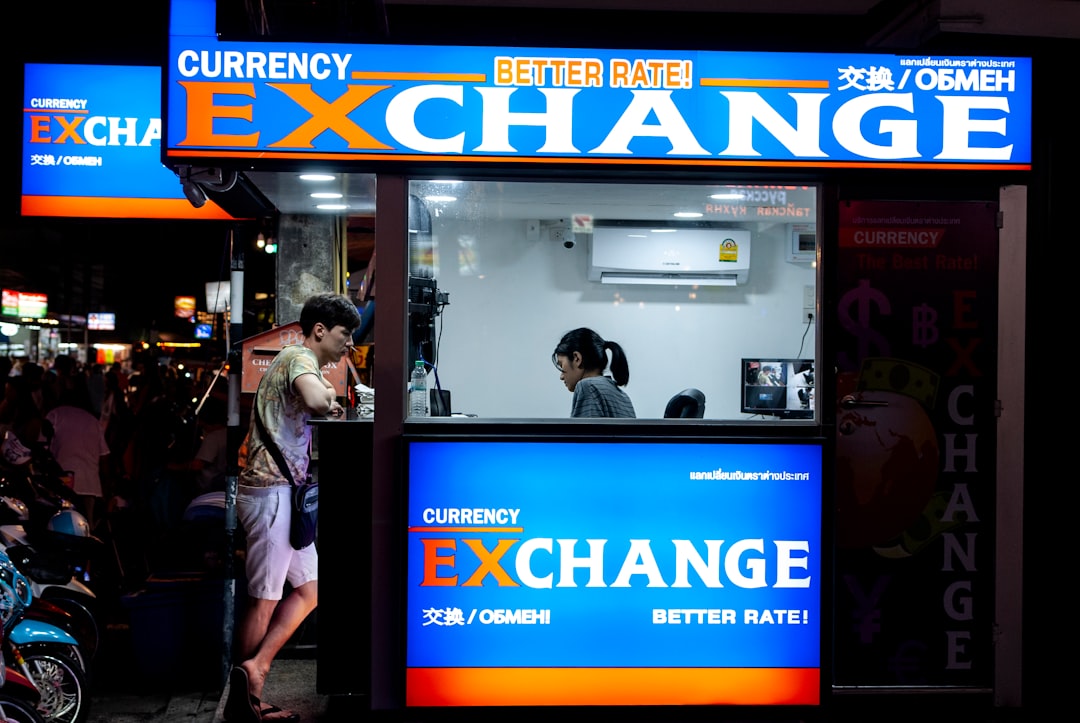
2026년 초, 서울 마포구에서 작은 수입 잡화점을 운영하는 김씨는 최근 들어 부쩍 한숨이 늘었습니다. 동남아시아에서 직접 소싱해 오는 제품들의 원가가 불과 1년 전보다 15% 이상 올랐기 때문이에요. 환율 때문이냐고요? 정확히 그렇습니다. 달러 인덱스(DXY)가 다시 고공행진을 이어가면서, 그 충격이 신흥국 공급망을 타고 우리 일상 가까이까지 파고든 것이라고 봅니다.
달러 강세라는 현상은 단순히 ‘미국 돈의 가치가 올랐다’는 이야기가 아니에요. 글로벌 자본의 흐름, 원자재 가격, 그리고 신흥국 부채 구조까지 연쇄적으로 뒤흔드는 거대한 파동인 것 같습니다. 오늘은 그 파동이 2026년 현재 신흥국 경제에 어떤 형태로 나타나고 있는지, 함께 살펴볼게요.
📊 숫자로 보는 달러 강세의 현주소
2026년 3월 기준, 달러 인덱스(DXY)는 108~112 구간을 오가며 여전히 강세 기조를 유지하고 있는 것으로 분석됩니다. 미 연준(Fed)이 ‘고금리 장기화(Higher for Longer)’ 기조를 완전히 포기하지 않은 가운데, 미국 10년물 국채 금리가 4.5% 내외를 유지하면서 전 세계 자본이 달러 자산으로 쏠리는 현상이 지속되고 있어요.
이 영향은 신흥국 통화 가치 하락으로 즉각 반영됩니다. 몇 가지 수치를 보면 그 심각성이 더 잘 느껴집니다.
터키 리라(TRY): 달러 대비 약 35~38리라 수준으로, 2023년 대비 여전히 30% 이상 절하된 상태를 유지 중.
이집트 파운드(EGP): IMF 구제금융 조건으로 단행한 평가절하 이후 달러당 50파운드 내외에서 등락 중이며, 수입 물가 급등이 서민 생활을 압박.
나이지리아 나이라(NGN): 외환 자유화 조치 이후 달러당 1,500나이라를 넘어서며 실질 구매력이 급격히 감소.
인도네시아 루피아(IDR): 달러당 16,000루피아 선을 위협받으며 중앙은행이 수차례 외환시장 개입에 나선 것으로 알려짐.
아르헨티나 페소(ARS): 밀레이 정부의 달러화 정책 추진에도 불구하고 비공식 환율과의 괴리가 반복되는 구조적 혼란 지속.
신흥국 외채 부담도 직격탄을 맞고 있어요. 달러로 빌린 돈을 자국 통화로 갚아야 하는 구조에서, 통화 가치가 떨어질수록 실질 부채 규모는 커질 수밖에 없습니다. 이를 ‘원죄(Original Sin)’라는 표현으로 부르는데, 신흥국이 자국 통화로 국제 채권을 발행하기 어려운 구조적 한계를 의미합니다.
🌏 국내외 사례로 본 달러 강세의 파급 효과
가장 대표적인 사례는 스리랑카의 디폴트 이후 회복 과정입니다. 2022년 국가부도를 선언한 스리랑카는 IMF와의 구조조정 협약을 통해 일부 안정을 찾았지만, 2026년 현재도 달러 강세 기조 속에서 외채 재협상이 완전히 마무리되지 않은 채 취약한 회복세를 보이고 있는 것으로 알려져 있습니다. 관광 수입 회복이 그나마 달러 유입의 숨통을 틔워주고 있어요.
동남아시아 제조업 허브로 떠오른 베트남의 경우는 조금 다른 시각에서 볼 수 있어요. 달러 강세로 동(VND) 가치는 하락했지만, 수출 가격 경쟁력이 높아지면서 전자, 섬유, 신발 등 제조업 수출이 단기적으로 수혜를 입는 양면성이 존재합니다. 하지만 원자재 수입 비용 증가와 외국인 자본 유출이 맞물리면 결국 순이익은 희석된다는 분석이 더 설득력 있는 것 같아요.
한국의 경우, 엄밀히 말해 신흥국으로 분류되지는 않지만, 원/달러 환율 변동성이 국내 수출 기업과 에너지 수입 비용에 직접적인 영향을 미칩니다. 2026년 상반기 원/달러 환율이 1,380~1,430원대를 오가는 상황에서, 삼성전자나 SK하이닉스 같은 수출 대기업은 환 효과로 영업이익이 개선될 수 있지만, LNG 및 원유를 전량 수입에 의존하는 에너지 구조상 가스요금·전기료 인상 압력은 서민 경제에 고스란히 전가될 수 있다는 점을 주목해야 합니다.
🔍 왜 신흥국은 달러 강세에 더 취약한가?
단순히 ‘달러값이 오르니까 힘들다’는 수준을 넘어, 구조적인 이유를 짚어볼 필요가 있어요. 신흥국이 달러 강세에 유독 취약한 이유는 크게 세 가지 측면에서 설명할 수 있다고 봅니다.
외채의 달러 표시 비중: 많은 신흥국 정부와 기업이 낮은 금리를 찾아 달러 표시 채권을 발행해 왔습니다. 자국 통화가 약해질수록 원리금 상환 부담이 기하급수적으로 증가하는 구조예요.
자본 이탈(Capital Flight) 위험: 미국 금리가 높아지면 외국인 투자자들은 신흥국 자산을 팔고 달러 자산으로 이동합니다. 이 과정에서 신흥국 주식·채권 시장이 동시에 흔들릴 수 있어요.
원자재 수입 의존도: 원유, 식량, 반도체 원자재 등을 달러로 결제해야 하는 신흥국은 달러 강세 = 수입 물가 상승이라는 직접적인 연결고리가 형성됩니다. 이는 인플레이션 압력으로 이어지고, 중앙은행은 금리 인상으로 대응하다가 경기 침체 리스크에 빠지는 딜레마를 겪게 됩니다.
💡 현실적인 대응 전략: 개인·기업·정책 차원
그렇다면 우리는, 그리고 각 경제 주체는 어떻게 대응할 수 있을까요? 완벽한 해법은 없지만, 현실적으로 취할 수 있는 방향을 정리해 볼게요.
개인 투자자: 달러 자산 일부를 포트폴리오에 편입하는 ‘달러 헷징’ 전략을 고려해볼 만합니다. 달러 예금, 달러 ETF, 미국 국채 ETF 등이 대표적이에요. 단, 환율이 이미 고점일 경우 진입 타이밍을 신중히 판단해야 합니다.
수입 중소기업: 환 리스크를 줄이기 위한 선물환 계약(Forward Contract) 활용이 기본입니다. 수출입은행, 무역보험공사의 환변동보험 상품도 적극적으로 검토할 필요가 있어요.
신흥국 정부 차원: 외환보유고 확충, 통화 스와프 협정 확대(특히 중국과의 위안화 스와프), 자국 통화 표시 채권 발행 확대(현지 자본시장 육성)가 중장기 과제로 제시됩니다. 일부 국가는 무역 결제를 달러 대신 자국 통화나 위안화로 전환하는 ‘탈달러화(De-dollarization)’ 시도도 이어가고 있어요.
국내 소비자: 해외 직구·여행 비용 증가가 불가피한 상황에서, 환율 우대 서비스를 제공하는 인터넷 은행이나 핀테크 환전 플랫폼을 적극 활용하는 것이 실질적인 절약 방법입니다.
달러 강세가 언제 꺾일지는 아무도 장담하기 어렵습니다. 미 연준의 금리 인하 전환 속도, 미국 경기 연착륙 여부, 지정학적 불확실성 등 변수가 너무 많아요. 다만, 역사적으로 달러 강세 사이클은 평균 5~7년 주기로 반복되어 왔고, 현재 사이클이 후반부에 접어들고 있다는 시각도 존재합니다. 무조건 비관하기보다는, 구조를 이해하고 준비하는 자세가 지금 필요한 것 같습니다.
에디터 코멘트 : 달러 강세는 멀리 있는 거시경제 이야기가 아닙니다. 수입 물가를 통해, 해외여행 경비를 통해, 그리고 수출 기업의 실적을 통해 우리 일상에 이미 깊숙이 들어와 있어요. 신흥국 경제가 흔들리면 글로벌 공급망을 통해 국내 소비자에게도 영향이 되돌아온다는 사실, 꼭 기억해 두시면 좋겠습니다. 거창한 투자 전략이 아니더라도, 환율 흐름을 습관적으로 체크하고 필요한 외화는 미리 환전해 두는 작은 습관이 생각보다 큰 차이를 만들어 줄 수 있을 거예요.
A colleague of mine — a mid-career engineer with a modest investment portfolio — called me last month, genuinely frustrated. He’d been watching copper prices swing wildly, lithium stocks crater and recover, and gold hit new highs, all while sitting on the sidelines thinking, “I know something big is happening here, but I can’t figure out where to put my money.” Sound familiar? If you’re trying to navigate the commodities market in 2026, you’re not alone — and honestly, the complexity is part of what makes it so interesting right now.
The raw materials landscape in 2026 is unlike anything we’ve seen in the past decade. Geopolitical realignments, the accelerating green energy transition, AI-driven industrial demand, and shifting supply chains from Asia to nearshore regions are all colliding at once. Let’s think through this together — logically, practically, and with real data on the table.
📊 Where the Data Points in 2026
Let’s start with the hard numbers, because strategy without data is just guessing.
Copper remains the bellwether of global industrial health. As of early 2026, copper is trading near $4.80–$5.10 per pound, driven by EV manufacturing demand, grid infrastructure upgrades in the US and EU, and constrained supply from Chile and Peru (both of which have faced ongoing labor disputes and regulatory delays). The International Copper Study Group projects a structural supply deficit continuing through at least 2028.
Lithium, after its dramatic boom-bust cycle from 2022–2024, has stabilized in a more mature pricing band. Lithium carbonate prices in early 2026 hover around $13,000–$15,000 per metric ton — far below the 2022 peak of $80,000, but analysts at Wood Mackenzie suggest this is closer to a sustainable floor as battery demand from solid-state EV technology ramps up in 2026–2027.
Gold crossed the $3,100/oz threshold in early 2026, reflecting persistent inflation uncertainty, central bank accumulation (particularly from BRICS-aligned nations), and geopolitical hedging. It’s not just a fear trade anymore — it’s becoming a structural allocation for institutional portfolios.
Rare Earth Elements (REEs) — neodymium, dysprosium, and terbium especially — are seeing aggressive price appreciation due to China’s continued export restrictions and the US-EU push for domestic rare earth refining capacity. This is arguably the highest-risk, highest-reward corner of the raw materials world in 2026.
🌍 Domestic & International Examples Worth Watching
South Korea’s POSCO Holdings offers a fascinating domestic case study. The company has aggressively pivoted from pure steel production into a vertically integrated battery materials company — controlling lithium extraction stakes in Argentina, nickel refining in Indonesia, and cathode material manufacturing in Korea. Their 2026 Q1 reports show battery materials now contributing over 18% of total revenue. For Korean investors, POSCO Holdings is essentially a diversified commodities play wrapped in a familiar brand.
Internationally, Rio Tinto’s Jadar lithium project in Serbia — after years of environmental controversy and political back-and-forth — received final permits in late 2025 and broke ground in early 2026. This is expected to become one of Europe’s largest lithium sources by 2029. Investors tracking Rio Tinto (ASX: RIO) are essentially buying a long-duration bet on European battery supply independence.
In the US, MP Materials (Mountain Pass, California) is scaling its rare earth processing capacity significantly in 2026, benefiting from the Inflation Reduction Act’s successor provisions under current industrial policy. Their partnership with GM for rare earth magnets in EV motors makes them a proxy for both the commodities story and the auto electrification story simultaneously.
Brazil’s Vale continues to dominate the nickel and iron ore space, but what’s interesting in 2026 is their growing copper portfolio in Zambia and the Democratic Republic of Congo — positioning Vale as a major player in what analysts are calling the “Copper Belt Renaissance.”
🧭 Strategy Frameworks: How to Actually Think About This
Rather than chasing individual commodity price swings (which is essentially speculation), let’s think about three logical approaches based on your risk profile:
Conservative Approach — Commodity ETFs & Diversified Exposure: If you’re new to this space or want measured exposure, ETFs like the iShares S&P GSCI Commodity-Indexed Trust or the Invesco DB Commodity Index Tracking Fund give you broad, rebalanced exposure. The key advantage here is that you’re not betting on a single metal — you’re betting on the overall commodity cycle, which in 2026 looks structurally bullish for a 3–5 year horizon.
Moderate Approach — Mining Equity with Diversification: Investing in well-capitalized mining companies (think Freeport-McMoRan for copper, Albemarle for lithium, Newmont for gold) gives you commodity upside with the added layer of corporate cash flow management. In 2026, companies with strong balance sheets and producing assets (not just explorers) are the sweet spot. Look for companies with a debt-to-equity ratio under 0.5 and active shareholder return programs.
Growth/Aggressive Approach — Junior Miners & Critical Mineral Plays: If you have a longer time horizon and can stomach volatility, junior miners in the critical minerals space (REEs, cobalt, lithium) can offer 3x–10x returns — but also total loss scenarios. The key filter here is: does the company have a defined resource, a clear path to production, and offtake agreements with credible buyers? Those three criteria eliminate 80% of speculative noise.
Thematic Approach — Green Metals Basket: Build a focused allocation around the metals specifically required for clean energy infrastructure: copper, lithium, nickel, cobalt, and REEs. This is essentially a bet that the energy transition continues regardless of short-term political turbulence — which, based on corporate capital expenditure commitments in 2026, looks highly likely.
Inflation Hedge Approach — Gold & Silver with Physical or Streaming Companies: For those primarily worried about currency debasement and macro uncertainty, a 5–10% allocation to gold (via physical ETFs like GLD, or streaming companies like Franco-Nevada or Wheaton Precious Metals) acts as portfolio insurance. Streaming companies are particularly interesting because they provide commodity price upside without direct mining operational risk.
⚠️ The Risks You Absolutely Cannot Ignore
Let’s be honest about the other side of this. China’s demand trajectory is the single biggest wildcard. If China’s property sector continues its slow-burn deleveraging and industrial output softens, base metal prices (copper, nickel, zinc) could face significant downward pressure regardless of supply constraints. Watch China’s monthly PMI data and fixed asset investment figures religiously if you’re in this space.
Geopolitical supply disruptions cut both ways — they can spike prices short-term, but they also invite policy responses that restructure markets entirely. The US CHIPS and Science Act-style approach is now being applied to critical minerals, which could create new domestic supply sources that undermine current price assumptions.
Technology substitution risk is real for some commodities. Sodium-ion batteries, for example, could meaningfully reduce lithium demand in certain applications by 2027–2028. Always consider the technology roadmap alongside the commodity thesis.
💡 Realistic Alternatives If You’re Not Ready for Direct Commodity Exposure
Not everyone has the stomach or capital for commodity-specific plays — and that’s completely fine. Here are some genuinely useful alternatives that give you commodity-adjacent upside:
Industrial infrastructure REITs that own mining-adjacent logistics and storage facilities — lower volatility, regular income.
Clean energy ETFs (like ICLN or QCLN) which are effectively downstream beneficiaries of the green metals story.
Diversified materials sector mutual funds managed by commodity specialists — great for hands-off investors who want professional rebalancing.
Savings products linked to commodity indices offered by major Korean banks (if you’re a domestic investor) — lower-risk structured products that participate in upside with capital protection floors.
The raw materials story in 2026 is genuinely one of the most compelling investment themes of our time — but it rewards the patient, the informed, and the disciplined far more than it rewards the reactive. Build a framework, size your positions appropriately, and keep learning as the landscape evolves.
Editor’s Comment : The biggest mistake I see investors make with commodities is treating them like stocks — expecting quarterly earnings logic to apply to materials that move on decade-long supply cycles and geopolitical forces. The best raw materials investors I know think like geologists and geopolitical analysts first, and financial traders second. In 2026, with the green energy transition hitting its messy middle phase and great power competition reshaping supply chains, that long-view mindset isn’t just helpful — it’s essential. Start small, diversify across the metals spectrum, and treat every position as a thesis to be tested, not a bet to be won.
지난해 말, 오랜 직장 동료 한 명이 이런 말을 했어요. “주식은 너무 무섭고, 채권은 재미없고, 부동산은 진입 장벽이 너무 높은데… 그냥 금이나 사면 어떨까?” 사실 이 고민, 2026년을 시작하는 많은 분들이 공통적으로 품고 있는 질문이라고 봅니다. 글로벌 공급망 재편, 미국·중국 간 무역 긴장 지속, 그리고 각국 중앙은행의 통화정책 불확실성이 맞물리면서 원자재 시장이 다시 한번 투자자들의 레이더 위에 올라온 것 같아요. 오늘은 2026년 현재 시점에서 원자재 투자를 어떻게 바라봐야 할지, 함께 정리해 보려고 합니다.
📊 2026년 원자재 시장, 숫자로 먼저 살펴보기
먼저 현재 상황을 수치로 짚어볼게요. 2026년 3월 기준, 주요 원자재 지표들은 꽤 흥미로운 흐름을 보이고 있습니다.
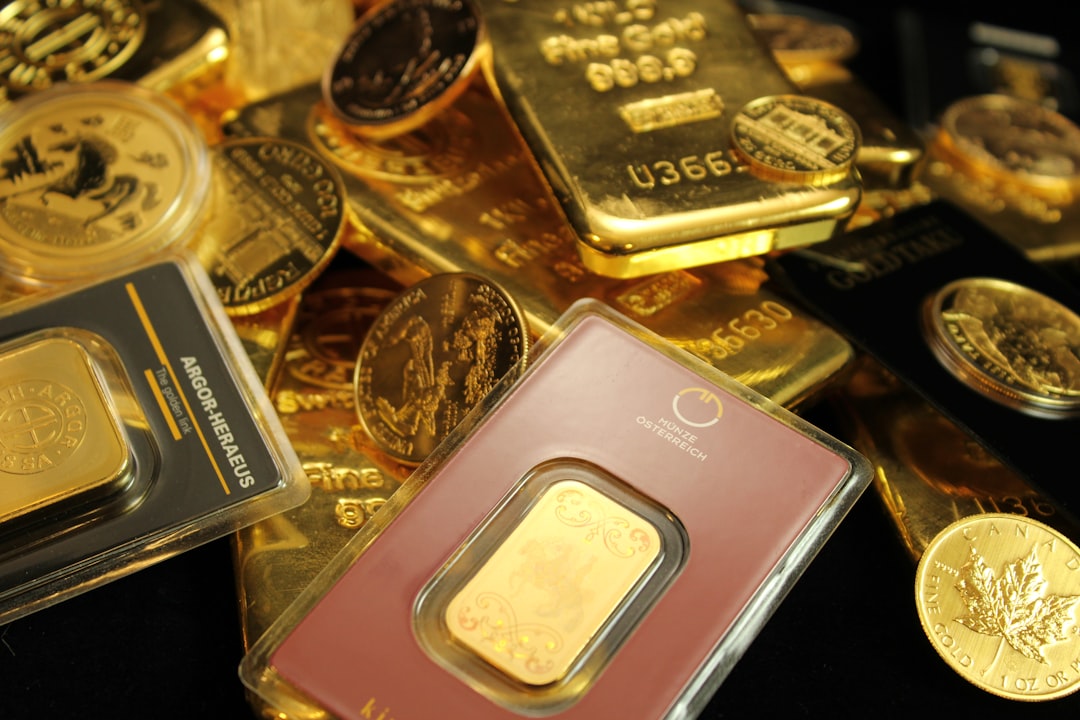
금(Gold): 트로이온스당 약 3,050~3,100달러 선을 형성하며 역사적 고점 부근을 유지 중입니다. 각국 중앙은행의 금 매입 기조가 2023년 이후 지속되고 있으며, 특히 중국·인도·폴란드 등 신흥국 중앙은행의 금 보유량 확대가 가격을 지지하는 구조라고 볼 수 있어요.
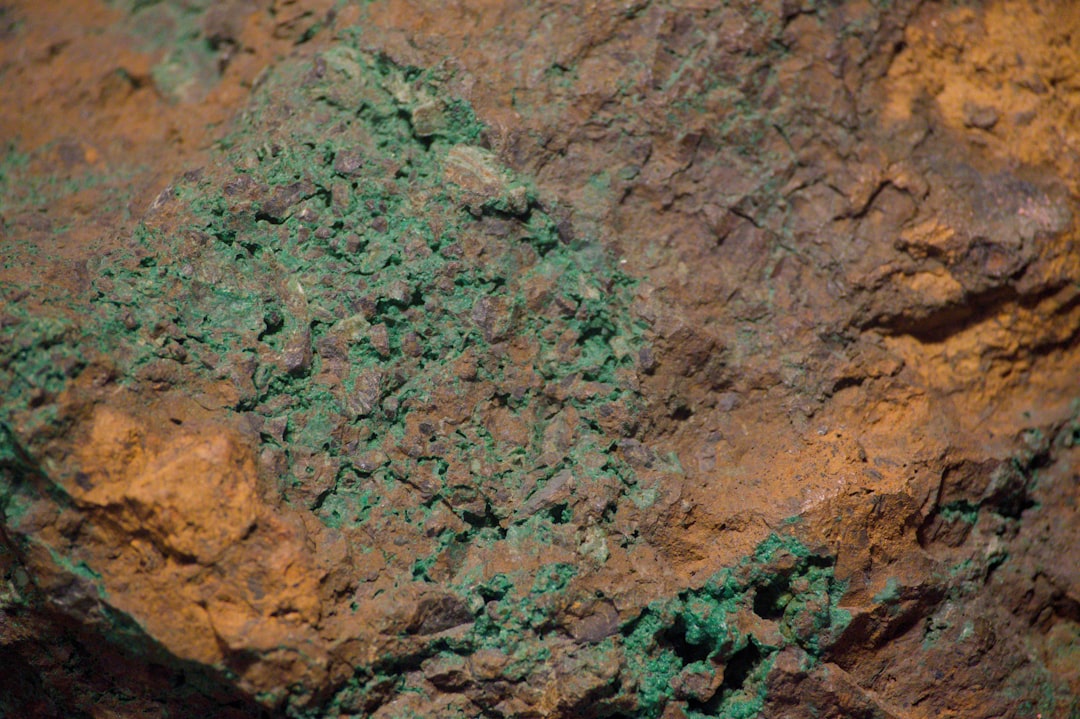
구리(Copper): 런던금속거래소(LME) 기준 톤당 9,500~10,000달러 수준. AI 데이터센터 확산, 전기차(EV) 보급 가속화, 그리고 재생에너지 인프라 투자 증가로 인해 ‘그린 메탈’로서의 수요가 구조적으로 증가하는 추세입니다.
WTI 원유: 배럴당 70~78달러 사이에서 등락 중. OPEC+의 감산 기조가 유지되고 있으나, 미국 셰일 생산량 증가와 글로벌 경기 둔화 우려가 상단을 제한하는 모습입니다.
천연가스(Henry Hub): MMBtu당 2.5~3.0달러 수준으로, 유럽 LNG 수요 대비 미국 내 공급 과잉 이슈가 혼재하고 있어요.
농산물(곡물): 밀·옥수수는 2022~2023년 급등 이후 정상화 국면이지만, 엘니뇨·라니냐 등 기후 변수에 따른 단기 변동성은 여전히 높습니다.
이런 수치들을 놓고 보면, 2026년 원자재 시장은 ‘모든 것이 오른다’는 슈퍼사이클 국면보다는 선별적 강세가 펼쳐지는 구조에 가깝다고 봅니다.
🌍 국내외 사례로 보는 원자재 투자 흐름
해외 사례부터 살펴볼게요. 미국의 대형 자산운용사들은 2026년 포트폴리오에서 원자재 비중을 5~10% 내외로 권고하는 흐름입니다. 특히 블랙록(BlackRock)과 같은 기관들은 인플레이션 헤지(hedge) 수단으로서 금과 구리의 조합을 강조하고 있어요. 금은 ‘가치 저장 수단’으로, 구리는 ‘에너지 전환 수혜 자산’으로 각각 다른 역할을 맡긴다는 전략적 시각이 흥미롭습니다.
국내에서도 변화가 느껴지고 있어요. 한국거래소(KRX)의 금 현물 거래량은 2025년 대비 2026년 1분기 기준 약 20% 이상 증가한 것으로 알려져 있으며, 금 ETF(상장지수펀드) 잔고도 꾸준히 늘고 있습니다. 개인 투자자들 사이에서 ‘달러 자산 분산’의 일환으로 금을 바라보는 시각이 확산된 결과라고 봐야 할 것 같아요. 또한 국내 대형 증권사들도 구리 관련 ETF 상품 라인업을 강화하며 투자자들의 접근성을 높이고 있습니다.
💡 2026년 원자재 투자, 어떤 전략이 현실적일까?
그렇다면 실제로 어떻게 접근하면 좋을까요? 몇 가지 현실적인 전략을 정리해 봤어요.
금(Gold) — 방어적 포지션: 전체 포트폴리오의 5~8% 수준으로 담는 것이 합리적인 것 같습니다. KRX 금 현물, 금 ETF(예: KODEX 골드선물, ACE KRX금현물 등), 또는 금 통장(은행 골드뱅킹)을 활용하면 접근이 쉬워요. 다만 금은 이자나 배당이 없는 자산이라는 점, 잊지 말아야 합니다.
구리(Copper) — 성장형 포지션: 에너지 전환 테마에 베팅하는 성격이 강합니다. 구리 관련 ETF나 구리 채굴 기업 주식(예: 프리포트맥모란 등)을 통한 간접 투자가 개인 투자자에게 현실적인 방법이에요.
원유 — 단기 트레이딩 중심: 장기 보유보다는 변동성을 활용한 단기 접근이 더 적합해 보여요. WTI·브렌트유 관련 ETF나 ETN을 활용하되, 콘탱고(Contango) 비용으로 인한 롤오버 손실에 주의해야 합니다.
농산물 — 소액 분산: 변동성이 크고 기후 의존도가 높아 단독 투자보다는 원자재 종합 ETF(예: 로저스 국제원자재지수 추종 상품 등) 안에 일부 포함되는 형태가 더 안전한 것 같습니다.
리츠(REITs) 또는 광산주 간접 투자: 직접적인 원자재 가격 노출이 부담스럽다면, 원자재 생산 기업 주식이나 관련 섹터 ETF를 통한 간접 투자도 충분히 유효한 전략이라고 봅니다.
⚠️ 원자재 투자 시 반드시 고려해야 할 리스크
물론 원자재 투자가 장밋빛만은 아닙니다. 몇 가지 리스크 요인도 함께 짚어봐야 해요.
달러 강세 리스크: 원자재 가격은 달러로 표시되기 때문에, 달러 강세 국면에서는 원화 기준 수익률이 희석될 수 있습니다.
중국 경기 둔화: 구리·철광석 등 산업용 금속은 중국 제조업 및 부동산 경기에 민감하게 반응해요. 중국 내수 회복 여부가 핵심 변수입니다.
지정학적 변수: 중동 긴장, 러시아·우크라이나 상황, 그리고 미국의 대중국 관세 정책 등이 에너지 및 금속 시장에 예측하기 어려운 충격을 줄 수 있습니다.
ETN 가격 괴리 및 롤오버 비용: 선물 기반 상품은 만기 연장(롤오버) 과정에서 비용이 발생하므로 장기 보유 시 실제 원자재 가격 상승률보다 낮은 수익을 거둘 수 있어요.
이런 요소들을 종합해 보면, 원자재는 ‘올인’하는 자산이 아니라 포트폴리오의 완충재이자 다양화 도구로 접근하는 것이 가장 현실적인 것 같습니다.
에디터 코멘트 : 2026년 원자재 시장은 과거처럼 단순히 인플레이션 때문에 오르는 구조가 아니에요. 에너지 전환, AI 인프라 확대, 중앙은행의 탈달러화 움직임 같은 구조적 변화들이 각 원자재마다 서로 다른 논리를 만들어내고 있습니다. 금은 지정학 리스크 헤지, 구리는 그린 전환의 수혜, 원유는 단기 변동성 플레이… 이렇게 각 원자재를 ‘하나의 테마’로 뭉뚱그리지 않고 개별 논리를 이해한 뒤 접근하는 것이 중요하다고 봐요. 처음이라면 전체 자산의 5% 이내로 금 ETF 한 가지만 담아보는 것으로 시작해 보세요. 원자재 시장의 리듬이 몸에 익으면, 자연스럽게 다음 선택지가 보일 거예요.
Picture this: you’re standing in the grocery aisle in early 2026, comparing the price of your usual brand of olive oil to what you paid just a year ago. It’s a small moment, but it perfectly captures something millions of households are quietly wrestling with — the stubborn, slow-burning reality of inflation that just won’t fully let go. So let’s sit down together and actually think through what’s happening with prices in 2026, why it matters to your daily decisions, and what you can realistically do about it.
Where Does Inflation Stand in 2026?
After the wild volatility of the early 2020s — pandemic-era supply shocks, the post-COVID spending surge, and aggressive central bank rate hikes — 2026 finds us in what economists are cautiously calling a “sticky disinflation” phase. That’s a fancy way of saying: yes, inflation has come down from its painful peak, but it’s not quite behaving the way we’d like it to.
As of Q1 2026, the U.S. Consumer Price Index (CPI) is hovering around 3.1–3.4% year-over-year, still above the Federal Reserve’s sacred 2% target. The Eurozone is tracking similarly, with headline inflation around 2.8–3.0%, while South Korea’s consumer price index has settled near 2.5–2.7% — actually one of the more controlled environments globally. Meanwhile, emerging markets like Brazil and Turkey continue to battle elevated inflation in the 7–12% range, reminding us that this is very much a global, uneven story.
The key insight here? The rate of inflation has slowed considerably, but price levels remain elevated. Your grocery bill isn’t going back to 2021 numbers — those price increases are largely baked in permanently.
Which Categories Are Still Hurting Consumers Most?
Not all inflation is created equal. Let’s break down where the pressure is really coming from in 2026:
Housing & Rent: Shelter inflation remains the most stubborn component, contributing roughly 40% of core CPI in the U.S. Rent prices in major metro areas are still running 4–6% above last year, driven by chronic undersupply and elevated mortgage rates that keep would-be buyers renting longer.
Food at Home: Grocery prices have moderated but remain about 20–25% higher than pre-pandemic baselines. Proteins like eggs and beef continue to see volatility, partly due to avian flu impacts and climate-related agricultural disruptions.
Services Inflation: This is the real wildcard. Haircuts, healthcare, childcare, and dining out — essentially anything requiring human labor — are running hot at 4–5% annually, fueled by wage growth that hasn’t fully normalized.
Energy: A relative bright spot. Global oil prices have stabilized in the $70–80/barrel range in early 2026, keeping gasoline and utility costs from being the headline villains they were in 2022.
Consumer Electronics & Goods: Actually deflationary in some categories, thanks to recovered supply chains and the rapid price drops in AI-integrated devices.
Central Bank Policy: The Delicate Balancing Act of 2026
The Federal Reserve has been walking a tightrope. After its aggressive rate hike cycle that brought the federal funds rate to a peak of around 5.25–5.5%, the Fed began modest cuts in late 2024 and through 2025. But with inflation proving stickier than hoped, the pace of those cuts has slowed dramatically entering 2026. As of March 2026, the benchmark rate sits around 4.0–4.25% — still meaningfully restrictive by historical standards.
The European Central Bank (ECB) has followed a broadly similar path, while the Bank of Korea (BOK) has been comparatively nimble, cutting rates slightly more aggressively given South Korea’s better inflation performance and concerns about sluggish domestic consumption.
The core tension? Cut rates too fast and inflation could re-accelerate. Keep rates high too long and you risk a harder economic landing — particularly for small businesses and variable-rate mortgage holders who are already feeling the squeeze.
International Case Studies: Learning from Global Experiences
Looking abroad gives us useful context. Japan offers a fascinating case in 2026 — after decades of deflation, it’s now managing inflation around 2.5–3%, which is actually considered a healthy development there. The Bank of Japan has been carefully normalizing its ultra-loose monetary policy, a historic pivot that global markets are watching closely.
South Korea presents a model worth studying: disciplined fiscal policy, a relatively strong won (despite some pressure), and targeted subsidies on essential goods helped keep consumer prices more anchored than peer economies. Korean households, however, still face the compounding burden of high household debt tied to elevated property prices.
In contrast, Argentina serves as a cautionary extreme — though its hyperinflation has begun to ease under aggressive austerity measures introduced in 2024–2025, everyday consumers are still experiencing price levels that have fundamentally restructured how they shop, save, and plan financially.
What This Means for Your Personal Financial Decisions Right Now
Here’s where we get practical. Knowing the macro picture is one thing — translating it into smart personal decisions is what actually moves the needle for you. A few realistic strategies worth considering:
Reconsider variable-rate debt: With rates still elevated, any variable-rate loans (personal loans, some mortgages, credit cards) deserve urgent attention. Refinancing to fixed rates where possible is worth exploring before any potential rate cut cycles change the calculus.
Inflation-protected assets: Treasury Inflation-Protected Securities (TIPS) and I-Bonds remain worth having in a diversified portfolio. Real assets like real estate investment trusts (REITs) that index rents can also provide partial hedges.
Grocery strategy: Store-brand products have dramatically closed the quality gap with name brands. A consistent shift to private-label staples can realistically save 15–25% on grocery bills without meaningful lifestyle sacrifice.
High-yield savings & CDs: With rates still relatively high, high-yield savings accounts (currently offering 4.0–4.5% APY in March 2026) and short-term CDs are genuinely useful tools for your emergency fund and near-term savings goals.
Subscription audit: Services inflation means recurring subscription costs have crept up almost invisibly. A quarterly review of what you’re actually using versus paying for consistently frees up meaningful monthly cash flow.
Negotiate your salary proactively: With wage growth still outpacing pre-pandemic norms, this remains one of the highest-leverage moves an individual can make against inflation’s erosive effects on purchasing power.
Looking Ahead: Will 2026 Bring Relief?
The consensus view among economists entering mid-2026 is cautiously optimistic but not celebratory. Headline inflation is expected to gradually drift closer to the 2.5% range by year-end in the U.S., assuming no major geopolitical disruptions (a big assumption, admittedly). Services inflation remains the stubborn holdout. A meaningful return to 2% as a sustained reality looks more like a 2027 story, at the earliest.
The more important reframe? Rather than waiting for inflation to return to a number, it’s wiser to build personal financial habits that are resilient regardless of what the CPI does next month. That’s not defeatist — that’s adaptive.
Editor’s Comment : Inflation in 2026 is less of an emergency and more of a slow, grinding test of financial patience. The households that are genuinely navigating it well aren’t the ones anxiously refreshing economic headlines — they’re the ones who’ve quietly restructured their spending habits, locked in favorable savings rates, and stopped assuming prices will ever “go back.” The most powerful thing you can do isn’t to predict inflation perfectly; it’s to make your financial life less vulnerable to it, whatever it does next. That’s a goal worth working toward, together.
태그: [‘2026 inflation trends’, ‘consumer price index 2026’, ‘inflation outlook 2026’, ‘personal finance inflation tips’, ‘CPI 2026 analysis’, ‘interest rates 2026’, ‘cost of living 2026’]
얼마 전 마트에서 계란 한 판을 집어 들다가 가격표를 보고 잠시 멈칫한 적이 있어요. ‘이게 원래 이 가격이었나?’ 싶어서 작년 영수증을 찾아봤더니, 불과 1년 사이에 꽤 올라 있더라고요. 거창한 경제 뉴스를 보지 않아도, 우리는 이미 장바구니 안에서 인플레이션을 매일 체감하고 있는 거라 봅니다. 2026년 현재, 인플레이션은 잡혔다는 신호와 여전히 불안하다는 신호가 동시에 들려오고 있는 상황인데요. 과연 올해 소비자물가는 어디로 향하고 있을까요? 수치와 맥락을 함께 살펴보면서 차근차근 이야기해 볼게요.
📊 2026년 소비자물가 지수(CPI), 숫자로 읽는 현재
2026년 1~2월 기준, 한국의 소비자물가 상승률은 전년 동월 대비 약 2.3~2.5% 수준을 유지하고 있는 것으로 추정됩니다. 이는 한국은행이 목표로 삼는 물가 안정 목표치인 2%를 여전히 소폭 웃도는 수치예요. 2022~2023년의 피크 시절, 즉 6%를 넘나들던 시기와 비교하면 분명히 숫자는 내려왔습니다.
하지만 여기서 한 가지 중요한 개념을 짚고 넘어갈 필요가 있어요. 바로 ‘기저효과(Base Effect)’입니다. 물가 상승률이 낮아 보인다고 해서 물가 자체가 낮아진 게 아니에요. 이미 높아진 물가 수준에서 추가로 오르는 속도가 둔화된 것뿐이라는 거죠. 실제로 식품 및 비주류 음료 부문은 여전히 3%대 이상의 상승률을 보이고 있어, 서민 체감 물가는 공식 수치보다 훨씬 높게 느껴지는 경향이 있습니다.
품목별로 조금 더 들여다보면:
식료품·외식비: 인건비와 원재료 가격 누적 상승으로 여전히 3~4% 내외의 높은 상승세 유지
에너지·공공요금: 전기·가스 요금 누적 인상 영향으로 가계 부담 지속. 다만 국제유가 안정화로 휘발유 가격은 상대적으로 완만
주거비(월세·관리비): 수도권 중심으로 임대료 상승 압력 유지, 전세→월세 전환 가속화로 체감 주거비 상승
서비스물가: 인건비 상승 전가로 미용, 세탁, 수리 등 대면 서비스 분야 가격 꾸준히 오름
공산품·전자제품: 글로벌 공급망 일부 회복과 수입 경쟁으로 상대적으로 안정적인 편
🌍 국내외 사례로 보는 2026 인플레이션 흐름
미국의 경우, 연방준비제도(Fed)는 2024~2025년에 걸친 금리 인상 사이클을 마무리하고 2025년 하반기부터 점진적인 금리 인하 기조로 전환했습니다. 2026년 현재 미국의 CPI 상승률은 약 2.6~2.8% 수준으로, 목표치인 2%에 근접하고는 있지만 완전히 수렴하지는 못한 상태라고 봅니다. 특히 주거비와 서비스 부문의 끈적한 상승세(Sticky Inflation)가 완전한 물가 안정을 가로막는 요인으로 지목되고 있어요.
유럽은 에너지 가격 충격에서 서서히 회복 중이지만, 독일과 프랑스 등 주요국의 물가는 2~3%대에서 등락을 반복하는 중입니다. ECB(유럽중앙은행) 역시 금리 인하 카드를 꺼내 들었지만, 섣부른 완화가 물가를 다시 자극할 수 있다는 우려로 신중한 행보를 이어가고 있어요.
국내로 돌아오면, 한국은행은 기준금리를 단계적으로 인하하는 방향으로 가닥을 잡았지만, 환율 변동성과 글로벌 공급망 불확실성이라는 변수가 여전히 남아 있습니다. 특히 원/달러 환율이 높은 수준을 유지할 경우, 수입 원자재 가격 상승이 다시 물가를 자극하는 ‘수입 인플레이션(Imported Inflation)’ 리스크가 상존한다는 점도 주목해야 할 것 같아요.
💡 2026년 하반기 물가 전망 — 안정이냐, 재상승이냐
전문가들의 시각은 크게 두 갈래로 나뉘는 것 같습니다. ‘물가 연착륙 시나리오’를 지지하는 측은 금리 인하 효과가 서서히 실물 경제에 스며들면서 2026년 하반기엔 소비자물가 상승률이 2% 초반대로 수렴할 것이라고 봅니다. 반면 ‘재상승 리스크’를 경고하는 측은 지정학적 불안(중동·동남아 공급망), 기상이변에 따른 농산물 가격 변동성, 그리고 내수 서비스 물가의 하방 경직성을 근거로 들며 2%대 초반 안착이 쉽지 않을 것이라고 이야기해요.
어느 쪽이 맞다고 단정 짓기보다는, 두 가지 시나리오 모두를 열어두고 개인 재무 전략을 세우는 것이 현명한 접근이라고 봅니다.
🛒 인플레이션 시대, 내 지갑을 지키는 현실적인 방법
실질금리를 의식한 예·적금 선택: 명목금리가 3%대라도 물가 상승률을 빼면 실질 수익은 미미해요. 물가연동채권(KTBi) 또는 고금리 특판 상품을 적극 탐색해 보세요.
고정 지출 리뷰: 구독 서비스, 보험, 통신요금 등 고정비를 연 1회 이상 점검하는 습관을 들이는 게 좋을 것 같아요.
장바구니 물가 방어: 대형마트 자체 브랜드(PB) 상품 활용, 제철 식재료 중심 식단 구성으로 식비 절감이 가능합니다.
인플레이션 헤지 자산 분산: 금(Gold), 리츠(REITs), 원자재 관련 ETF 등을 포트폴리오 일부에 편입하는 것을 고려해 볼 만 합니다. 단, 소액·분산이 기본이에요.
부채 구조 점검: 변동금리 대출이 있다면 고정금리 전환 가능성을 검토하고, 금리 인하 시 대출 갈아타기 타이밍을 미리 시뮬레이션해 두세요.
에디터 코멘트 : 인플레이션 뉴스를 보다 보면 숫자에 압도되어 ‘나 같은 개인이 할 수 있는 게 있나?’ 싶어질 때가 있어요. 하지만 결국 물가라는 건 거시적인 파도이고, 우리가 할 수 있는 건 그 파도 위에서 균형을 잡는 법을 배우는 것이라고 생각합니다. 거창한 재테크보다 ‘지금 내 고정 지출에서 새고 있는 돈은 없는지’를 먼저 들여다보는 것. 그게 2026년 인플레이션 시대를 버티는 가장 확실한 첫 걸음이라고 봐요. 큰 흐름은 모니터링하되, 내 일상의 숫자를 먼저 챙기시길 바랍니다.
A colleague of mine — let’s call him Marcus — jumped into crude oil futures trading back in early 2025 with about $50,000 in capital. He’d done his homework on supply-demand fundamentals, watched OPEC announcements religiously, and even built a decent spreadsheet model. Six months later, he’d lost nearly 60% of his position. Not because his macro thesis was wrong — it actually played out pretty accurately — but because he hadn’t properly accounted for the layered risks hiding beneath the surface of commodity futures markets. His story isn’t unique, and in 2026, with geopolitical volatility, energy transition pressures, and algorithmic trading dominating the landscape, those risks have only multiplied.
So let’s think through this together — not to scare you off commodity futures, but to help you walk in with your eyes wide open.
1. What Exactly Are Commodity Futures? A Quick Grounding
Before we get into the risk weeds, a quick primer. A commodity futures contract is a legally binding agreement to buy or sell a specific quantity of a raw material — think crude oil, gold, soybeans, copper, or natural gas — at a predetermined price on a future date. They’re traded on exchanges like the CME Group (Chicago Mercantile Exchange), ICE Futures, and the Shanghai Futures Exchange (SHFE).
The appeal is obvious: leverage. A standard WTI crude oil futures contract represents 1,000 barrels. At $75/barrel in March 2026, that’s $75,000 worth of oil — but the margin requirement (your upfront deposit) might only be around $4,000–$6,000. That’s leverage of roughly 12–18x. Thrilling on the way up. Devastating on the way down.
2. The Core Risk Dimensions — Breaking It Down Analytically
Risk in commodity futures isn’t a single monster — it’s a committee of them. Here’s how they break down:
Price Risk (Market Risk): The most obvious one. Commodity prices can swing 5–10% in a single session following unexpected geopolitical events, weather data, or inventory reports. In Q1 2026, natural gas futures experienced intraday swings of up to 8.3% following unexpected LNG export disruptions in the Gulf Coast.
Leverage Risk: As mentioned, the margin system amplifies both gains and losses. A 5% adverse price move on a 15x leveraged position wipes out 75% of your capital. Margin calls — where your broker demands additional funds immediately — can force you to liquidate at the worst possible moment.
Liquidity Risk: Not all commodity contracts are equally liquid. While front-month WTI or gold contracts trade billions in daily volume, niche contracts like lumber or live cattle can have wide bid-ask spreads and thin order books, making it costly to exit a position quickly.
Roll Risk (Contango and Backwardation): Futures contracts expire. If you want continued exposure, you must “roll” your position into the next contract. In a contango market (where future prices are higher than spot prices), this rolling process continuously erodes your returns — a phenomenon that devastated many retail investors holding oil ETFs during the 2020 contango crisis. In 2026, several base metal futures remain in deep contango due to supply bottlenecks.
Geopolitical and Event Risk: Commodity markets are hypersensitive to geopolitical shocks. The Russia-Ukraine war reshaped European wheat and energy futures markets permanently. In 2026, tensions in the South China Sea continue to create violent volatility in rare earth and copper futures.
Regulatory and Exchange Risk: Circuit breakers, position limits, and changing margin requirements from exchanges can catch traders off-guard. The CFTC (Commodity Futures Trading Commission) in the US periodically tightens speculative position limits, particularly in agricultural commodities.
Correlation Risk: Traders often assume that holding multiple commodity positions provides diversification. But during macro stress events — like a sudden USD spike or a global recession scare — correlations between commodities can converge sharply toward 1.0, eliminating diversification benefits precisely when you need them most.
3. Real-World Examples: When the Risks Materialized
Let’s look at some instructive cases, both internationally and from Asian markets, to make these risks concrete rather than abstract.
Case 1 — Nickel Futures Meltdown (LME, 2022, with echoes in 2026): Perhaps the most dramatic exchange-level failure in recent memory: in March 2022, nickel futures on the London Metal Exchange (LME) surged over 250% in two days as a major Chinese producer faced a short squeeze. The LME controversially canceled trades. In 2026, the aftermath is still being felt — many institutional traders reduced their LME nickel exposure and shifted to CME alternatives, permanently fragmenting nickel futures liquidity. This is a perfect example of exchange and liquidity risk converging simultaneously.
Case 2 — South Korean Retail Investor Losses in Oil ETFs (2020–2021): South Korean retail investors (개인투자자) famously piled into leveraged crude oil ETFs and ETNs in 2020 when oil prices crashed, expecting a bounce. Many didn’t understand contango mechanics. As WTI futures rolled month after month in steep contango, the products bled value even as spot prices recovered. Korea’s Financial Services Commission subsequently issued guidelines restricting retail access to certain leveraged commodity products — a regulatory risk that materialized after the fact.
Case 3 — Soybean Futures Volatility and Chinese Market Dynamics (2025–2026): In 2025, US-China agricultural trade tensions resurfaced, causing CBOT soybean futures to swing dramatically within weeks. Chinese importers shifted sourcing to Brazil, creating a two-tier pricing dynamic between CBOT and the Dalian Commodity Exchange (DCE). Traders who failed to account for this cross-market basis risk — the spread between two related contracts on different exchanges — found their hedges badly misaligned.
4. Quantifying Your Risk: Tools and Frameworks
Marcus’s mistake wasn’t ignoring risk — it was failing to quantify it rigorously. Here are frameworks worth understanding:
Value at Risk (VaR): Estimates the maximum loss over a given time horizon at a specific confidence level (e.g., 95% or 99%). A useful starting point, but famously fails during “fat tail” events — the exact situations where commodity markets blow up.
Expected Shortfall (CVaR): A more robust measure than VaR — it quantifies the average loss in the worst-case scenarios beyond the VaR threshold. Increasingly preferred by risk managers in 2026.
Stress Testing: Simulate your portfolio against historical shock scenarios (e.g., the 2008 financial crisis, the 2020 oil crash, or the 2022 commodity supercycle). Most professional trading desks run weekly stress tests.
Position Sizing via Kelly Criterion: A mathematical formula that suggests how much of your capital to allocate based on your edge and win/loss ratio. Even fractional Kelly (using 1/4 or 1/2 of the suggested size) dramatically reduces ruin risk for leveraged positions.
5. Realistic Alternatives for Different Risk Profiles
Here’s the thing — if you want commodity exposure but the risks above feel overwhelming, you don’t have to trade futures directly. Let’s think through your options based on your situation:
Commodity ETFs (Equity-Backed): Funds like those tracking mining companies or energy producers give you commodity upside through equity exposure, without futures roll costs or margin calls. Think copper miner ETFs or diversified energy sector funds. Less volatile, more transparent.
Commodity-Linked Bonds / Structured Notes: Some financial institutions offer principal-protected notes with commodity upside participation. Great for risk-averse investors who want a toe in the water without drowning.
Micro Futures Contracts: CME Group’s Micro contracts (Micro Gold, Micro WTI Crude Oil) allow exposure at 1/10th the size of standard contracts. A fantastic way to learn the mechanics with significantly reduced capital at risk — highly recommended for beginners in 2026.
Options on Futures: Buying call or put options on commodity futures caps your maximum loss at the premium paid, while preserving upside or downside participation. More complex to understand, but a much more defined-risk approach than outright futures.
Commodity Trading Advisors (CTAs): For larger capital pools ($100K+), allocating to a regulated CTA or managed futures fund lets professional risk managers handle execution, while you benefit from commodity diversification. Performance varies widely — due diligence is critical.
6. Building a Risk Management Framework for 2026
If you do decide to trade commodity futures directly, here’s a simple but effective risk framework to consider:
Never risk more than 1–2% of total trading capital on a single futures position (accounting for stop-loss placement).
Always know your maximum acceptable loss per trade before entering — set stop orders and honor them.
Monitor margin utilization — staying below 50% of available margin gives you buffer against sudden adverse moves and margin calls.
Understand the term structure of the commodity you’re trading before taking a position — is it in contango or backwardation? This alone can make or break a medium-term strategy.
Keep a trading journal — track not just outcomes but your reasoning. Behavioral biases (overconfidence, loss aversion, anchoring) are major drivers of futures losses.
Commodity futures markets are among the most intellectually fascinating and financially challenging arenas in global finance. They reflect the pulse of the real economy — droughts, wars, technological shifts, monetary policy — all converging into a single price. That’s what makes them endlessly interesting. But that’s also precisely why walking in without a serious risk framework is a fast path to a story like Marcus’s.
The good news? Risk that’s understood is risk that can be managed. Whether you’re a seasoned trader looking to tighten your framework, or a curious newcomer deciding where to start, the key is building your knowledge layer by layer — and letting your position sizes reflect your actual edge, not your hoped-for edge.
Editor’s Comment : In 2026, with AI-driven algorithmic trading accounting for an estimated 65–70% of commodity futures volume on major exchanges, the information advantage that human traders once held has largely evaporated. But human judgment — in risk framing, in recognizing when a narrative is priced in, in knowing when not to trade — remains irreplaceable. The traders I’ve seen succeed long-term in commodity futures aren’t the ones who predict prices best; they’re the ones who survive long enough to let their edge play out. Capital preservation isn’t the boring part of the strategy — it is the strategy.