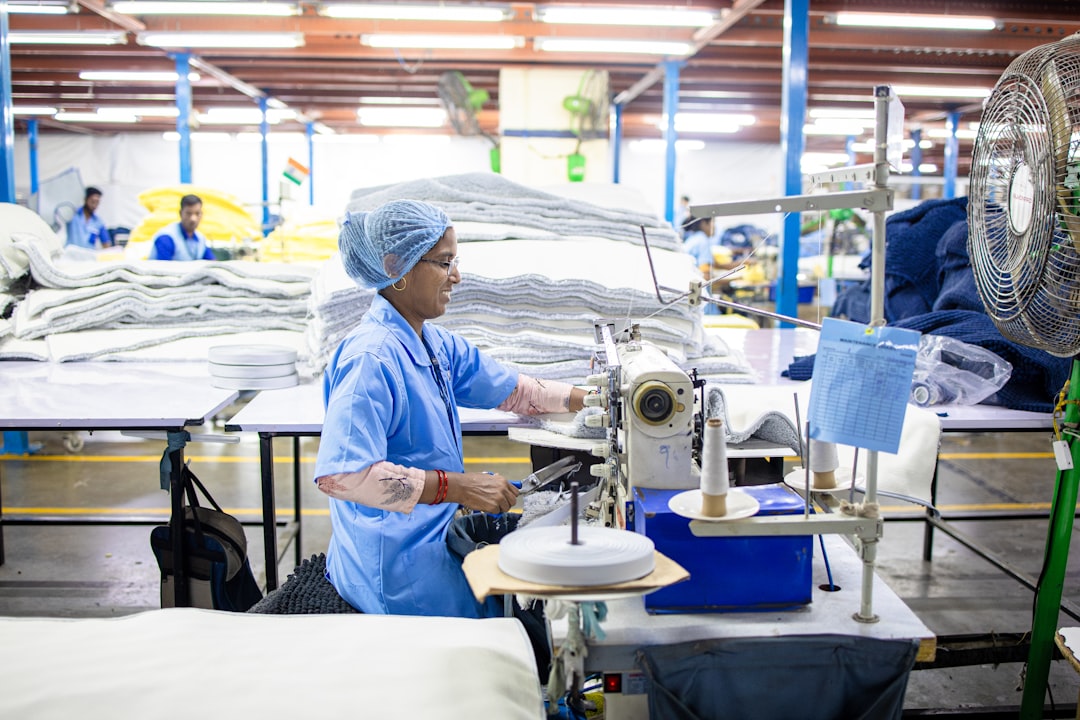
얼마 전 지인 한 분이 이런 말을 했어요. “작년에 미국 주식 좀 담아뒀더니 그럭저럭 버텼는데, 이제 2026년엔 어떻게 해야 할지 모르겠다”고요. 아마 이 글을 읽고 계신 분들 중에도 비슷한 고민을 하시는 분이 꽤 있을 것 같습니다. 금리 사이클이 서서히 전환점을 맞고, 지정학적 리스크는 여전히 꼬리를 물고 있는 지금, 2026년 글로벌 주식시장은 과연 어떤 흐름을 보일까요? 함께 차근차근 짚어보겠습니다.
📊 2026년 글로벌 증시, 숫자로 먼저 읽어보기
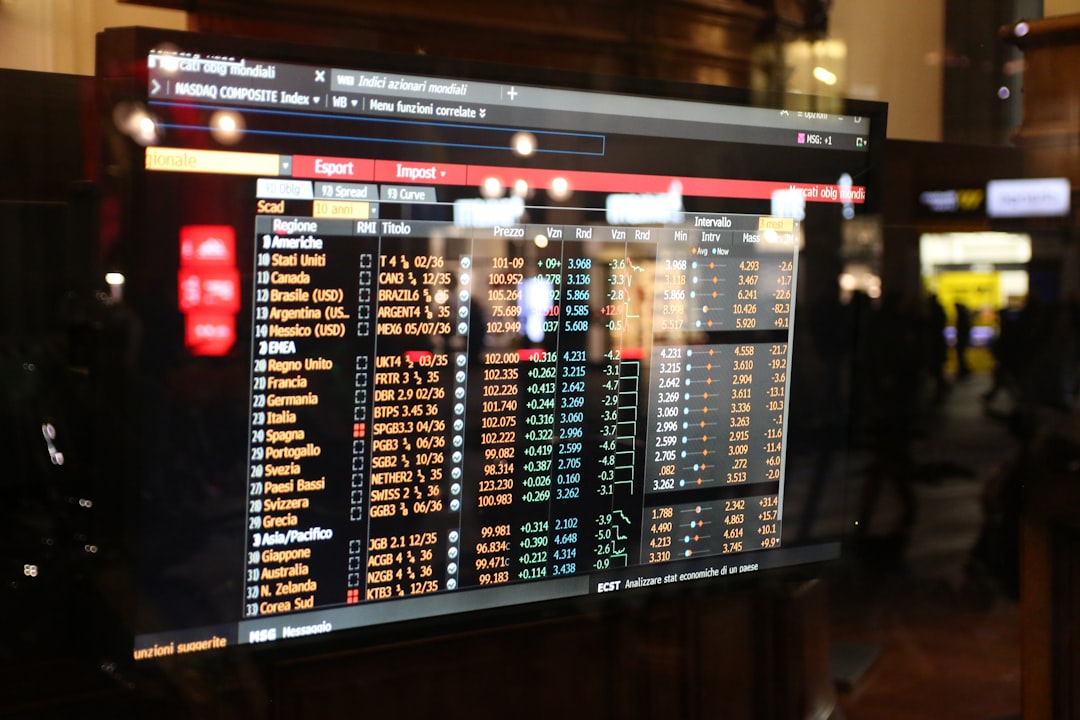
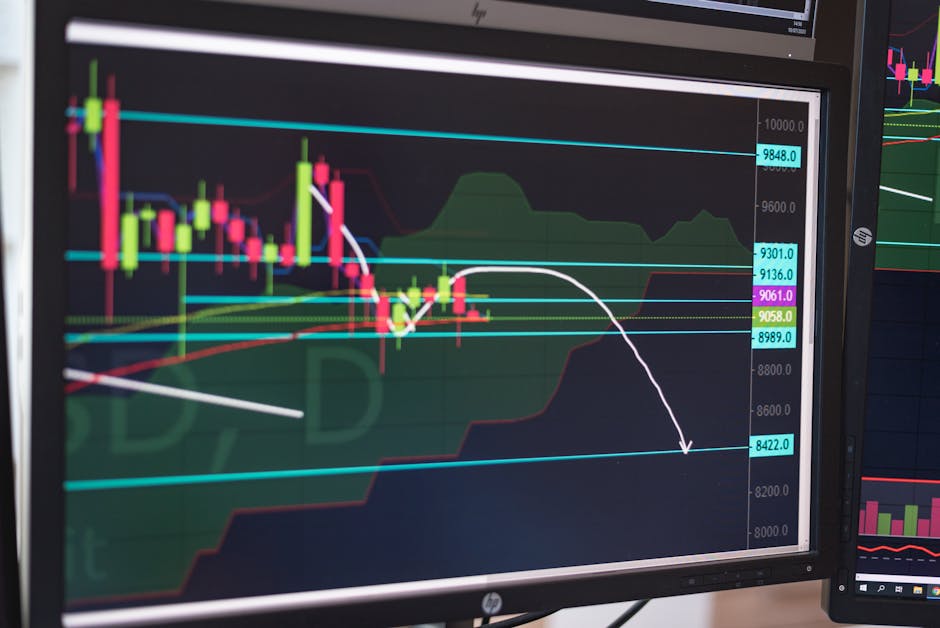
2026년 초 기준으로 글로벌 주요 지수의 흐름을 보면 몇 가지 흥미로운 패턴이 눈에 띕니다. S&P 500은 2025년 말 조정을 거친 뒤 2026년 1분기 기준 5,800~6,000포인트 구간에서 등락을 반복하는 모습인 것 같습니다. 나스닥 종합지수 역시 AI 관련 빅테크 중심의 실적 기대감이 지수를 지지하고 있지만, 밸류에이션 부담이 여전히 크다는 시각도 적지 않아요.
한편 유럽 증시(EURO STOXX 50)는 에너지 전환 정책과 독일의 재정 확대 기조에 힘입어 상대적으로 저평가 매력이 부각되고 있습니다. 2025년 대비 약 8~12%의 상승 여력을 점치는 시각이 많아요. 이머징마켓(신흥국) 지수인 MSCI EM은 달러 강세 완화와 인도, 인도네시아 등 아시아 성장 모멘텀을 중심으로 회복세를 보이는 흐름이라고 봅니다.
미국 S&P 500: AI·반도체 실적 모멘텀 vs. 고밸류에이션 부담 — 박스권 가능성
유럽 증시: 저평가 구간, 독일 재정 확대 및 방산 섹터 관심 증가
일본 닛케이: 엔화 정상화 속도가 핵심 변수 — 엔 강세 전환 시 수출주 타격 우려
인도 센섹스·니프티: 중산층 소비 확대와 제조업 이전 수혜로 중장기 성장 스토리 유효
한국 코스피: 반도체 업황 회복 기대와 밸류업 프로그램 지속 여부가 관건
🌍 국내외 사례로 보는 2026년 시장의 온도
해외 사례를 먼저 보면, 미국 연준(Fed)은 2025년 하반기부터 시작된 금리 인하 사이클을 2026년에도 이어가는 모습입니다. 다만 “빠른 인하”보다는 “신중한 점진적 인하” 기조가 강한 것 같아요. 이는 시장에 유동성 기대감을 주면서도, 과도한 낙관론을 제어하는 이중 효과를 내고 있습니다. 월가 주요 투자은행들도 2026년 S&P 500 목표치를 6,000~6,500포인트 범위 내에서 제시하는 경우가 많아, 큰 폭의 랠리보다는 완만한 우상향을 기대하는 분위기라고 볼 수 있습니다.
국내 사례를 보면, 코스피는 2026년 들어 ‘코리아 디스카운트’ 해소 논의가 다시 수면 위로 올라왔습니다. 정부의 밸류업 프로그램 시즌 2 격인 후속 정책과 함께 주요 대형주의 자사주 매입·소각이 이어지면서 외국인 수급이 완만하게 개선되는 흐름이에요. 특히 삼성전자, SK하이닉스 등 반도체 대표주의 HBM(고대역폭 메모리) 실적이 2026년 코스피 방향성을 크게 좌우할 것이라는 분석이 많습니다.
⚠️ 2026년 주목해야 할 리스크 요인
물론 장밋빛 전망만 있는 건 아닙니다. 2026년에도 투자자를 긴장시킬 변수들은 여전히 존재합니다.
지정학적 리스크: 중동 정세 불안, 미중 무역 갈등의 지속적인 구조화
AI 버블 논쟁: 빅테크의 대규모 AI 인프라 투자가 실적으로 이어질지에 대한 의구심
달러 변동성: 미국 재정적자 확대와 달러 신뢰도 논쟁이 이머징 시장에 미치는 영향
인플레이션 재점화 가능성: 에너지 가격 급등이나 공급망 이슈 재발 시 금리 인하 기대 후퇴
💡 그렇다면 지금, 어떤 전략이 현실적일까?
단기 트레이딩보다는 섹터 분산과 지역 분산을 조합한 중장기 접근이 2026년엔 더 유효하다고 봅니다. 미국 성장주 중심의 포트폴리오에 유럽 가치주, 인도·동남아 성장 테마를 적절히 섞는 전략이 리스크를 낮추면서도 수익 기회를 넓히는 방향인 것 같아요. ETF를 활용한 분산 투자는 개인 투자자 입장에서 가장 현실적인 접근 수단이기도 합니다.
또한 환헤지(Currency Hedge) 여부도 꼭 고려해야 합니다. 달러 약세가 전망되는 구간에서는 환헤지 없이 해외 투자를 하는 편이 환차익까지 기대할 수 있어 유리할 수 있거든요.
에디터 코멘트 : 2026년 글로벌 주식시장은 “폭등”보다는 “선별”의 해가 될 가능성이 높다고 봅니다. 모든 시장이 함께 오르는 유동성 장세보다는, 실적과 성장 스토리가 뚜렷한 섹터와 지역에만 자금이 몰리는 차별화 장세가 이어질 것이라는 거예요. 지금 내 포트폴리오가 어디에 집중되어 있는지 한 번 점검해 보시는 것, 그게 2026년을 잘 버티는 첫 걸음이 아닐까 싶습니다.
Picture this: it’s early 2026, and you’re scrolling through your investment app. Gold just hit a new milestone, crude oil is climbing, and your copper ETF is quietly outperforming everything else in your portfolio. Meanwhile, the headlines keep talking about a weakening U.S. dollar. Coincidence? Absolutely not. This is one of the most reliable and fascinating relationships in global finance — and once you truly get it, you’ll never look at a currency chart the same way again.
Let’s think through this together, step by step, because the dollar-commodity relationship is both intuitive and surprisingly nuanced.
🔍 The Core Mechanism: Why Does a Weak Dollar Lift Commodities?
Most major commodities — crude oil, gold, copper, soybeans, natural gas — are priced in U.S. dollars on global markets. This is a structural reality baked into the post-Bretton Woods financial system. So when the dollar weakens, something almost mathematical happens:
Non-U.S. buyers get more purchasing power. A Brazilian soybean importer, a Japanese oil refinery, or a German copper manufacturer can suddenly buy the same amount of commodity with fewer of their own currency units. Demand effectively rises.
Commodity producers outside the U.S. receive less in local currency terms. To maintain profit margins, they either reduce supply or push for higher dollar prices. Both outcomes are bullish for commodity prices.
Inflation expectations rise. A weaker dollar often signals looser monetary policy or fiscal expansion. Investors pile into commodities as inflation hedges — gold being the classic example.
Speculative capital flows shift. When dollar-denominated assets (like U.S. Treasuries) yield less in real terms, institutional investors rotate into commodities as an alternative store of value.
Emerging market commodity exporters benefit. Countries like Brazil, Australia, Chile, and Saudi Arabia see their export revenues rise in local currency terms, reinforcing global supply dynamics.
📊 The Data Doesn’t Lie: Historical Correlation in Action
The inverse relationship between the U.S. Dollar Index (DXY) and commodity benchmarks like the Bloomberg Commodity Index (BCOM) is well-documented. Historically, the correlation coefficient between DXY and BCOM sits around -0.60 to -0.75 over rolling 12-month periods — meaning they move in opposite directions roughly 65–75% of the time. That’s not perfect, but in finance, that’s remarkably consistent.
In 2022, the DXY surged above 114 — a 20-year high — and commodity prices, after their initial post-pandemic spike, began a prolonged correction. Fast forward to early 2026: the Federal Reserve’s pivot cycle has run its course, the DXY has retreated toward the 98–100 range, and commodity markets are responding almost textbook-perfectly. Gold is trading near record highs, Brent crude has firmed up, and agricultural commodities are pricing in both currency tailwinds and supply-side concerns.
🌍 Real-World Examples: Domestic and International Perspectives
South Korea & Import Cost Sensitivity: South Korea imports nearly all of its crude oil and a significant portion of its industrial metals. When the Korean Won strengthens against the dollar (which often happens during dollar weakness), import costs fall in Won terms. However, if commodity prices rise faster than the Won appreciates — which is common in a strong commodity bull cycle — Korean manufacturers like steelmakers and petrochemical companies still face margin pressure. This is a critical nuance that domestic investors often miss.
Brazil’s Agricultural Windfall: Brazil is one of the world’s largest exporters of soybeans, corn, and sugar. In a weak-dollar environment, Brazilian farmers receive higher dollar prices for their crops, and when converted to Brazilian Reais, the effect is amplified during periods when the Real also strengthens. In early 2026, Brazilian agri-exporters are among the clearest beneficiaries of the current dollar cycle.
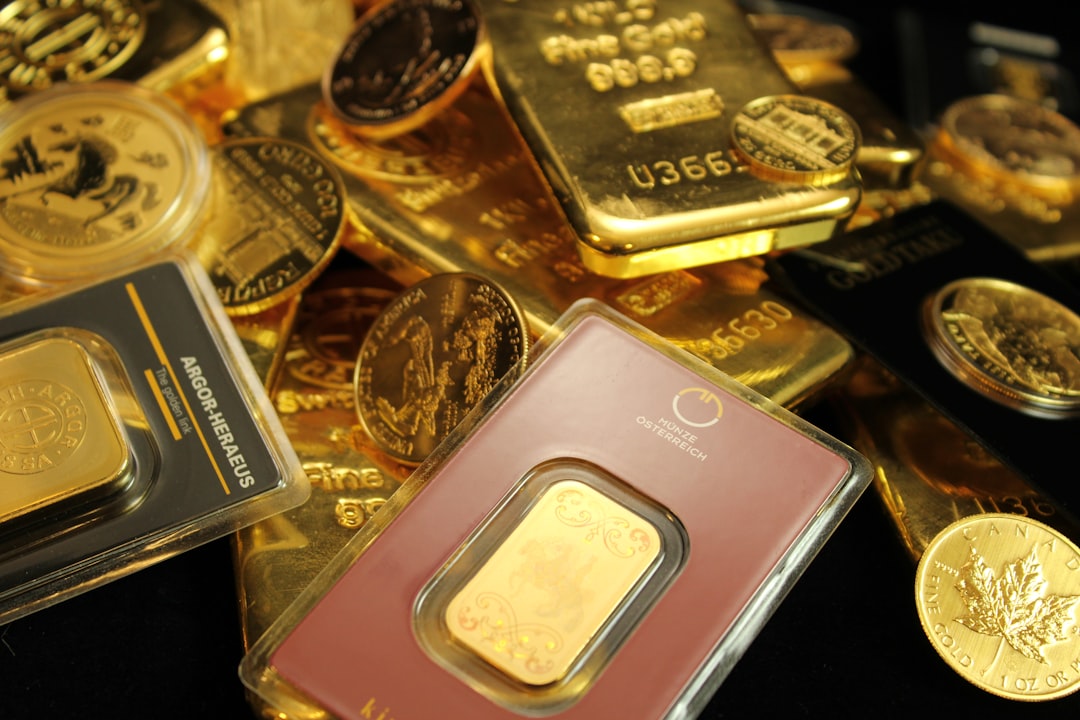
Gold’s 2026 Momentum: Gold’s relationship with the dollar remains the most watched in 2026. With the DXY softening and real yields on U.S. 10-year Treasuries hovering near historically modest levels, institutional demand for gold — from central banks diversifying away from dollar reserves to retail investors hedging inflation — has kept the yellow metal well-supported. Central banks in Asia and the Middle East have been particularly active buyers, a trend that began in 2022 and has only accelerated.
⚠️ When the Relationship Breaks Down: Important Exceptions
Let’s be intellectually honest here — this isn’t a foolproof rule. There are scenarios where the dollar weakens but commodities don’t follow, or vice versa:
Global demand collapse: If a weak dollar coincides with a severe global recession, demand destruction can overwhelm the currency effect (think April 2020 — dollar wobbled but oil went negative).
Supply shocks: A sudden oversupply (e.g., OPEC production surge) can cap oil prices regardless of dollar moves.
Geopolitical supply disruptions: War, sanctions, or infrastructure events can push specific commodities higher even during dollar strength.
Dollar’s role as a safe haven: In extreme risk-off events, the dollar can weaken AND commodities can fall simultaneously as investors flee to cash.
💡 Realistic Alternatives: How to Position Yourself in 2026
Okay, so we understand the relationship. But what does this actually mean for your financial life in 2026? Here are some grounded, situation-specific approaches:
For beginner investors: Consider a broad commodity ETF (like one tracking BCOM or GSCI) rather than trying to pick individual commodities. This gives you diversified exposure without needing to understand the specifics of each market.
For stock investors: Look at commodity-producing companies — mining stocks, energy majors, agricultural firms. In a weak-dollar environment, their revenues (in dollar terms) often expand while some costs remain local-currency-denominated, boosting margins.
For Korean or Asian investors specifically: Be mindful of currency cross-effects. Gains in commodity prices may be partially offset by Won or Yen appreciation against the dollar. Currency-hedged commodity funds might be worth exploring.
For the cautious investor: Gold remains the most liquid, most globally accepted commodity hedge. Even a 5–10% portfolio allocation to gold (via ETFs or physical holdings) can meaningfully reduce volatility during dollar-weakness cycles.
For the analytical investor: Track the DXY weekly alongside the BCOM. When DXY breaks key technical support levels (like the 100 psychological level), that’s historically been a reliable early signal for commodity tailwinds.
The dollar-commodity relationship won’t make you rich overnight, but understanding it gives you a genuine analytical edge. In a world where financial media often overcomplicates things, sometimes the most powerful insight is just knowing why things move together — and acting accordingly, with patience.
Editor’s Comment : The weak-dollar, rising-commodity narrative is one of those rare macro themes that’s both historically validated and currently playing out in real time in 2026. What I love about this relationship is that it rewards patient, curious thinkers over impulsive traders. You don’t need to predict the exact top or bottom of the dollar cycle — you just need to understand the direction and position yourself sensibly. If there’s one takeaway from all of this: don’t fight the fundamentals. When the dollar trends weaker over a sustained period, commodities tend to find their footing. Use that knowledge wisely.
얼마 전 지인이 이런 말을 했어요. “요즘 달러가 약해진다는 뉴스가 많던데, 금이나 원유 사야 하나?” 막연하게 느껴지는 이야기지만, 사실 이 질문 안에는 글로벌 금융시장의 꽤 핵심적인 메커니즘이 담겨 있습니다. 달러와 원자재, 이 두 가지는 마치 시소처럼 한쪽이 내려가면 다른 쪽이 올라가는 관계로 오랫동안 인식돼 왔거든요. 그런데 정말 항상 그럴까요? 2026년 현재 시장 흐름과 함께 차근차근 살펴볼게요.
📉 달러 약세와 원자재 상승, 왜 반대로 움직일까?
핵심은 가격 표시 통화(Pricing Currency)에 있습니다. 국제 원자재 시장에서 금, 원유, 구리, 밀 등 대부분의 원자재는 미국 달러(USD)로 표시됩니다. 그렇다면 달러의 가치가 하락하면 어떤 일이 벌어질까요?
예를 들어볼게요. 원유 한 배럴이 80달러라고 가정해봅시다. 달러 인덱스(DXY)가 10% 하락하면, 같은 원유를 사기 위해 유럽의 바이어는 더 적은 유로를 지불해도 됩니다. 수요는 자연스럽게 늘어나고, 공급이 그대로라면 달러 기준 가격은 올라갈 수밖에 없죠. 이게 바로 달러 약세 → 원자재 가격 상승의 기본 논리입니다.
실제 수치로도 확인이 됩니다. 2026년 1분기, 달러 인덱스(DXY)는 연초 대비 약 4~5% 하락한 수준에서 움직였고, 같은 기간 금 현물 가격은 온스당 3,100달러를 돌파하는 구간을 경험했습니다. 원유(WTI) 역시 배럴당 80달러 중반대를 유지하며 상승 압력을 받고 있는 상황이라고 봅니다. 역사적으로도 달러 인덱스와 원자재 지수(CRB Index)의 상관계수는 통상 -0.5 ~ -0.7 수준의 역의 상관관계를 나타냅니다.
🌍 2026년 현재, 달러 약세를 만드는 구조적 배경
단순히 “달러가 떨어지면 원자재가 오른다”는 공식만으로는 부족합니다. 지금 달러가 왜 약해지는지를 이해해야 원자재 투자 전략도 보다 정밀해지거든요.
미 연준(Fed)의 금리 인하 사이클 진입: 2025년 하반기부터 본격화된 금리 인하 기조가 2026년에도 이어지면서 달러 매력도가 상대적으로 낮아졌습니다. 금리가 내려가면 달러 자산의 수익률이 줄어들어 글로벌 자금이 이탈하는 경향이 있어요.
미국 재정적자 확대: 국가 부채 증가와 재정 적자는 장기적으로 달러 신뢰도를 낮추는 요인 중 하나입니다. 2026년 현재 미국의 GDP 대비 재정적자 비율은 여전히 시장의 우려를 사고 있는 수준입니다.
탈달러화(De-dollarization) 흐름: 중국, 러시아, 인도 등 신흥국을 중심으로 무역 결제에서 달러 비중을 줄이려는 시도가 이어지고 있으며, 이는 구조적인 달러 수요 감소 요인으로 작용합니다.
지정학적 불확실성: 중동, 동유럽 지역의 지정학적 긴장은 안전자산인 금 수요를 높이는 동시에 달러 대신 금으로의 자금 이동을 촉진합니다.
💡 모든 원자재가 똑같이 움직이는 건 아닙니다
여기서 중요한 포인트가 있어요. 달러 약세의 수혜를 받는 정도는 원자재마다 다릅니다. 금(Gold)은 달러 약세 시 가장 즉각적이고 강하게 반응하는 편입니다. 금 자체가 달러의 대체재로 인식되기 때문이죠. 반면 농산물의 경우 달러 약세뿐 아니라 기후, 재고, 수급 상황에 훨씬 더 크게 영향을 받는 경향이 있습니다.
구리(Copper)는 흥미로운 사례입니다. 구리는 ‘닥터 코퍼(Dr. Copper)’라는 별명처럼 글로벌 경기 선행지표로 불리는데요, 달러 약세 + 글로벌 경기 회복 기대감이 겹칠 때 상승 폭이 배가되는 경향이 있습니다. 2026년 상반기 구리 가격이 톤당 10,000달러 전후에서 강세를 보이는 것도 같은 맥락에서 이해할 수 있다고 봅니다.
⚠️ 달러 약세라도 원자재가 안 오르는 예외 상황
물론 이 공식이 항상 통하지는 않습니다. 대표적인 예외는 ‘달러 스마일 이론(Dollar Smile Theory)’과 관련된 상황입니다. 글로벌 경기가 극도로 침체될 때, 즉 리세션 공포가 강할 때는 달러가 약세여도 원자재 수요 자체가 줄어들어 원자재 가격이 함께 하락하는 경우가 발생합니다. 2020년 코로나 초기 국면이 대표적인 사례였죠.
정리하자면, 달러 약세가 원자재 상승의 필요조건일 수는 있어도, 충분조건은 아니라는 점을 기억해두는 게 중요합니다.
🧭 2026년 현재, 어떻게 접근하면 좋을까?
달러 약세 사이클이 이어질 것이라는 시나리오를 전제로 한다면, 다음과 같은 방식으로 접근해볼 수 있습니다.
금 ETF 또는 금 현물 분할 매수: 달러 헤지 수단으로 가장 검증된 방식입니다. 단, 단기 트레이딩보다는 중장기 포지션으로 접근하는 게 안전하다고 봅니다.
원자재 관련 ETF 분산 편입: 국내에서도 금, 원유, 구리 등 다양한 원자재 ETF가 상장되어 있어요. 단일 원자재보다 분산된 포트폴리오가 변동성을 낮춰줍니다.
원자재 관련 주식(광산주, 에너지주): 원자재 가격 상승 시 수익이 레버리지처럼 증폭되는 경향이 있지만, 그만큼 리스크도 크다는 점을 감안해야 합니다.
달러 인덱스(DXY) 모니터링: 원자재 투자를 고려한다면 DXY를 주기적으로 체크하는 습관을 들이는 게 도움이 됩니다. 무료 차트 플랫폼에서 쉽게 확인 가능합니다.
에디터 코멘트 : 달러와 원자재의 관계는 분명 존재하지만, 맹목적으로 공식처럼 적용하다 보면 예외 상황에서 낭패를 보기 쉽습니다. 2026년처럼 금리, 지정학, 탈달러화라는 여러 변수가 복잡하게 얽힌 시기일수록 “왜 달러가 약해지는가”라는 질문을 먼저 던져보는 것이 중요하다고 봐요. 원자재 시장에 처음 관심을 갖기 시작했다면, 전체 포트폴리오의 10~15% 이내에서 소규모로 시작해보는 것을 권합니다. 큰 그림을 이해하면서 조금씩 경험을 쌓아가는 게 가장 현실적인 방법이라고 생각해요.
Picture this: you’re lending a friend $100 for one year, and they offer you 5% interest. But then they ask to borrow the same amount for ten years — and only offer 4.5%. You’d probably raise an eyebrow, right? That’s essentially what’s happening when the U.S. Treasury yield curve inverts, and in 2026, this phenomenon is still one of the most closely watched — and most misunderstood — signals in global finance. Let’s unpack it together.
So, What Exactly Is a Yield Curve Inversion?
Under normal circumstances, lending money for longer periods means taking on more risk — uncertainty about inflation, economic shifts, default possibilities — so lenders demand higher interest rates for long-term loans. This creates an upward-sloping yield curve: short-term Treasury yields are lower, long-term yields are higher.
A yield curve inversion happens when this relationship flips. Short-term Treasury bonds (like the 2-year note) start yielding more than long-term ones (like the 10-year note). The most closely watched spread is the 2-year vs. 10-year Treasury yield, often called the “2s10s.”
As of early 2026, the 2s10s spread has been hovering in a narrow range, having gone through an extended inversion period between 2022 and 2024 — the longest inversion in modern U.S. financial history. Watching what follows that inversion is exactly why economists are on high alert right now.
Why Does an Inversion Happen in the First Place?
Here’s where it gets genuinely fascinating. An inversion isn’t some random glitch — it’s the market’s collective opinion screaming at us. There are two main forces at work:
The Fed’s short-term rate policy: When the Federal Reserve hikes interest rates aggressively (as it did from 2022 through 2023), short-term yields rise sharply because they’re tightly linked to the Fed Funds Rate.
Long-term investor pessimism: Meanwhile, investors who buy 10-year or 30-year bonds are essentially betting on the future. If they believe economic growth will slow, inflation will cool, and the Fed will eventually cut rates, they accept lower yields on long-term bonds — locking in those rates before they fall further.
The inversion, then, is the bond market whispering (sometimes shouting): “We think the economy is going to struggle, and rates will be lower down the road.”
The Recession Signal: Reliable or Overhyped?
Here’s the data that makes investors nervous. The 2-year/10-year inversion has preceded every U.S. recession since the 1970s — with a typical lag of 12 to 24 months after the inversion first appears. That’s a remarkable track record.
But — and this is crucial — the relationship is a leading indicator, not a guarantee. The 2019 inversion preceded the COVID-19 recession, but that recession was triggered by an exogenous shock, not the underlying financial dynamics the inversion was signaling. The 2022–2024 inversion was the deepest (the spread hit nearly -100 basis points at its worst) and longest on record, yet the U.S. economy showed surprising resilience through much of that period thanks to robust consumer spending and a tight labor market.
In 2026, as the curve has partially normalized, economists are debating whether we’re in the “clear” window between inversion and recession — historically a dangerous spot — or whether the economy has genuinely engineered a soft landing.
Global Examples: It’s Not Just an American Story
The U.S. yield curve gets the headlines, but inversions have played out elsewhere with instructive results:
Japan (1990s): Japan experienced yield curve distortions during its asset bubble collapse, contributing to the “Lost Decade” — a cautionary tale about ignoring bond market signals.
Germany (2022–2023): The German Bund curve also inverted as the European Central Bank hiked rates, and the Eurozone did slip into a mild technical recession in late 2023, validating the signal.
UK (2023–2024): Britain’s curve inverted deeply amid its inflation crisis, and the Bank of England faced the difficult trade-off between fighting inflation and supporting growth — a challenge the yield curve was telegraphing well in advance.
South Korea & Taiwan (2023): Export-driven economies in Asia saw their own versions of curve flattening as global demand cooled, reflecting interconnected vulnerability to U.S. monetary policy.
The pattern is consistent: inversions tend to reflect genuine macroeconomic anxiety, and dismissing them entirely has historically been a costly mistake for both policymakers and investors.
What This Actually Means for Everyday Financial Decisions
Okay, so the bond market is nervous. What should you actually do with this information? Let’s think through some realistic options based on where you are:
If you’re a conservative investor: An inverted curve historically means short-term bonds (like 6-month or 1-year T-bills) offer unusually high yields. In 2026, locking in those rates while they’re still elevated can be a smart capital preservation move before the Fed cuts further.
If you’re invested in equities: Historically, stock markets can continue rising for 6–18 months after an inversion, then pull back sharply. It’s worth reviewing your sector exposure — defensive sectors like utilities, healthcare, and consumer staples tend to hold up better.
If you’re considering a mortgage or large loan: Fixed long-term rates may actually be more attractive in an inverted environment than variable rates, because variable rates follow short-term benchmarks which are currently elevated.
If you’re a small business owner: Tighter credit conditions often follow inversions as banks become more cautious. Building cash reserves and locking in existing credit lines before conditions tighten is a prudent step.
If you’re just starting to invest: Don’t panic. Yield curve inversions are signals, not sentences. Dollar-cost averaging into diversified assets through economic cycles has consistently outperformed reactive market timing over the long run.
The Bigger Picture: What 2026 Is Teaching Us
The extended inversion of 2022–2024 and its slow normalization into 2026 has been a masterclass in how complex modern economies have become. Traditional recession timelines got stretched by pandemic-era fiscal stimulus, AI-driven productivity gains in certain sectors, and the resilience of the U.S. consumer. But the underlying vulnerabilities — commercial real estate stress, elevated corporate debt refinancing needs, and geopolitical trade disruptions — haven’t disappeared. They’ve been delayed.
The yield curve inversion didn’t lie. It may have just needed more time than usual to fully express itself. Watching the curve carefully in 2026 means watching one of the most honest, data-driven conversations happening in global finance right now.
Editor’s Comment : The yield curve is essentially the bond market’s long-term mood ring — and right now, it’s saying “cautiously optimistic, but still watching my back.” Whether you’re managing a portfolio worth millions or just trying to decide whether to lock in a mortgage rate, understanding this signal gives you a genuine edge. You don’t need to be a Wall Street trader to read the room — you just need to know what the room is saying. And in 2026, it’s saying: stay informed, stay diversified, and don’t mistake a delayed signal for a false one.
얼마 전 지인이 이런 말을 하더라고요. “뉴스에서 미국 국채 금리가 역전됐다고 난리던데, 그게 나랑 무슨 상관이야?” 솔직히 처음 이 개념을 접했을 때 저도 비슷한 생각을 했어요. 그런데 조금만 들여다보면, 이 ‘역전 현상’이 우리 일상과 생각보다 훨씬 가깝게 연결되어 있다는 걸 알게 됩니다. 대출 금리, 주식 시장, 심지어 취업 시장까지요. 오늘은 미국 국채 금리 역전 현상이 정확히 무엇인지, 그리고 2026년 현재 이 신호를 어떻게 읽어야 하는지 함께 차근차근 살펴보려 합니다.
📌 금리 역전이란 무엇인가? 기본 개념부터 잡고 가기
정상적인 상황에서 채권 금리는 만기가 길수록 높아야 합니다. 이유는 간단해요. 돈을 오래 빌려줄수록 불확실성이 크기 때문에 더 많은 이자를 요구하는 거죠. 예를 들어 2년짜리 국채보다 10년짜리 국채 금리가 더 높은 게 ‘정상적인 수익률 곡선(Yield Curve)’입니다.
그런데 금리 역전(Yield Curve Inversion)은 이 순서가 뒤집히는 현상이에요. 즉, 단기 국채(2년물) 금리가 장기 국채(10년물) 금리보다 높아지는 상황입니다. 시장이 가까운 미래를 멀고 불확실한 미래보다 더 위험하게 보고 있다는 뜻으로 해석할 수 있는 거라고 봅니다.
📊 수치로 보는 역전 현상의 심각성
역사적으로 이 지표는 꽤 신뢰할 만한 경기침체 선행 지표로 평가받아 왔습니다. 구체적인 수치를 보면 그 무게감이 달라지죠.
1980년 이후 미국에서 발생한 7번의 경기침체 중 6번은 10년물과 2년물 국채 금리 역전 이후 6~24개월 내에 발생했습니다.
2022년 7월, 미국 2년물 국채 금리가 10년물을 역전하기 시작했고, 이 역전 폭은 2023년 초 최대 약 -1.07%p까지 벌어졌습니다. 이는 1980년대 이후 가장 깊은 역전 수준이었어요.
이후 2024년 하반기부터 역전 해소 국면에 진입했고, 2026년 현재는 연준(Fed)의 금리 정책 변화와 함께 수익률 곡선이 완만하게 정상화되는 흐름을 보이고 있는 것 같습니다.
다만 역전이 해소된다는 것 자체도 신호가 될 수 있어요. 역사적으로 ‘역전 해소’ 이후 실제 침체가 가시화되는 사례가 많았거든요.
🌍 국내외 사례로 보는 파급 효과
[미국 사례] 2019년에도 잠깐 역전 현상이 나타났고, 이후 2020년 코로나19 팬데믹과 맞물린 경기 침체가 찾아왔습니다. 물론 팬데믹이라는 외생 변수가 컸지만, 시장은 이미 경기 둔화를 선반영하고 있었다는 시각도 있어요.
[한국에 미치는 영향] 미국 국채 금리 역전은 단순히 미국만의 이야기가 아닙니다. 한국 금융 시장에도 다음과 같은 경로로 영향을 미쳐요.
환율 변동성 확대: 달러 강세 또는 불확실성 확대 시 원/달러 환율이 급등할 수 있어요. 2022~2023년 역전이 심화될 때 원/달러 환율은 한때 1,440원대를 넘기도 했습니다.
외국인 자금 이탈: 미국 단기 금리가 높아지면 상대적으로 더 안전하고 수익률 좋은 미국 자산으로 자금이 이동할 수 있어요.
한국은행의 정책 제약: 미국 금리 흐름에 연동되다 보니, 한국은행이 독자적으로 금리를 내리기 어려운 상황이 생기기도 합니다.
국내 기업 자금 조달 비용 증가: 글로벌 신용 경색이 동반될 경우 중소기업이나 스타트업의 자금 조달이 어려워질 수 있어요.
🤔 그렇다면 ‘역전 해소’는 안심해도 될 신호일까?
2026년 현재, 많은 분석가들이 수익률 곡선의 정상화에 주목하고 있습니다. 하지만 이를 단순히 ‘위기 해소’로 읽는 것은 조금 조심해야 할 것 같습니다. 과거 데이터를 보면, 역전이 해소되고 나서 오히려 침체의 실체가 드러나는 경우가 많았거든요. 단기 금리가 빠르게 내려갈 때는 대개 연준이 긴급하게 금리를 인하하는 상황, 즉 이미 경제가 식기 시작했다는 맥락인 경우가 많습니다.
그래서 저는 역전 현상 그 자체만큼이나 ‘역전이 어떻게 해소되는가’도 함께 봐야 한다고 생각해요. 금리가 자연스럽게 수렴하는 건지, 연준이 급하게 금리를 낮추면서 해소되는 건지에 따라 해석이 완전히 달라집니다.
💡 우리가 할 수 있는 현실적인 대응
거시경제 지표는 통제할 수 없지만, 개인의 재무 전략은 조율할 수 있습니다. 다음 몇 가지를 고려해 보면 어떨까요.
변동금리 대출 점검: 금리 변동성이 큰 시기에는 고정금리 전환 여부를 검토해 보는 게 좋습니다.
투자 포트폴리오 재점검: 경기 방어적 성격의 자산(배당주, 필수소비재 관련 ETF 등)의 비중을 살펴보세요.
현금 유동성 확보: 경기 불확실성이 높을수록 일정 수준의 현금을 확보해 두는 것이 기회 비용을 낮춰줄 수 있어요.
단기 채권 활용 고려: 금리 역전 국면에서 단기 국채나 MMF(머니마켓펀드)는 상대적으로 매력적인 수익률을 제공할 수 있습니다.
에디터 코멘트 : 금리 역전 현상은 ‘무조건 위기’를 의미하는 공식이 아닙니다. 다만 시장이 보내는 하나의 중요한 경고음이라고 볼 수 있어요. 마치 자동차 계기판의 경고등처럼, 그 등이 켜졌다고 해서 당장 차가 멈추는 건 아니지만 무시하고 달리는 건 현명하지 않은 것처럼요. 2026년 지금 이 시점에, 거시경제 흐름을 꾸준히 읽는 습관을 갖는 것이 결국 가장 강력한 개인 금융 방어막이 아닐까 싶습니다. 공부가 아니라 생존의 언어로, 경제를 조금씩 읽어나가 보아요.
A few years ago, a friend of mine — let’s call him Jake — decided to dive headfirst into commodity futures after watching crude oil prices swing wildly during a geopolitical crisis. He opened an account, deposited $5,000, and within three weeks, he’d lost nearly 60% of it. Not because he was foolish, but because nobody told him how leverage actually works in futures markets. Jake’s story isn’t unique. In 2026, with commodity markets more accessible than ever through mobile trading platforms and fractional futures contracts, the temptation to jump in without a map is stronger — and the consequences more immediate — than at any point in recent history.
So let’s think through this together. Whether you’re eyeing gold, crude oil, soybeans, or copper, here’s what you genuinely need to understand before placing your first trade.
What Exactly Is a Commodity Futures Contract?
A futures contract is a legally binding agreement to buy or sell a specific quantity of a commodity at a predetermined price on a future date. Think of it like placing a pre-order for 1,000 barrels of oil at today’s price, even though the oil won’t change hands until three months from now. The key distinction from stock investing? You’re not buying ownership of a company — you’re making a bet on where a price will go.
Futures are traded on exchanges like the CME Group (Chicago Mercantile Exchange), NYMEX (New York Mercantile Exchange), and ICE (Intercontinental Exchange). In Asia, exchanges like the Tokyo Commodity Exchange (TOCOM) and the Shanghai Futures Exchange (SHFE) play major regional roles — and as of 2026, SHFE’s influence on global base metal pricing has grown substantially due to China’s expanded domestic consumption data reporting.
The Leverage Factor: Why It’s Both the Appeal and the Danger
Here’s where most beginners get blindsided. Futures contracts require only a margin deposit — typically 5% to 15% of the total contract value — not the full price. That means a $50,000 crude oil contract might only require $5,000 to control. Sounds amazing, right? But consider the flip side: if the price moves just 10% against you, your entire margin is wiped out.
According to CME Group’s 2026 market data, the initial margin for one WTI crude oil futures contract (1,000 barrels) fluctuates between $4,500 and $7,200 depending on volatility conditions. With oil prices ranging between $72 and $91 per barrel in early 2026, that’s roughly a 5:1 to 12:1 leverage ratio for most retail participants.
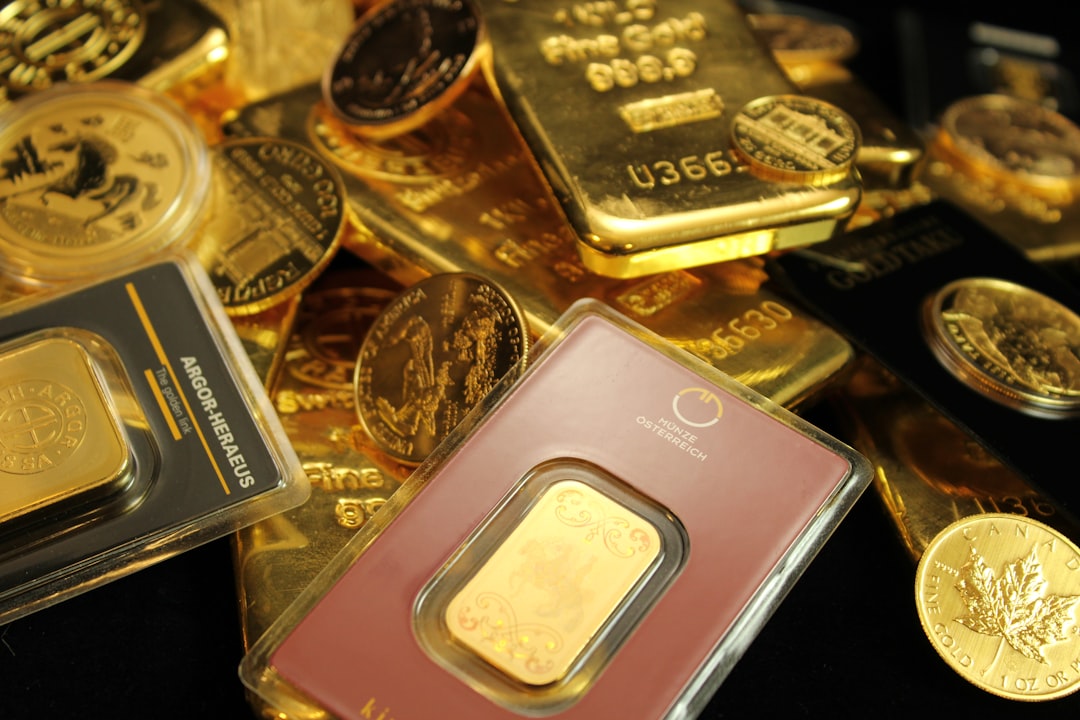
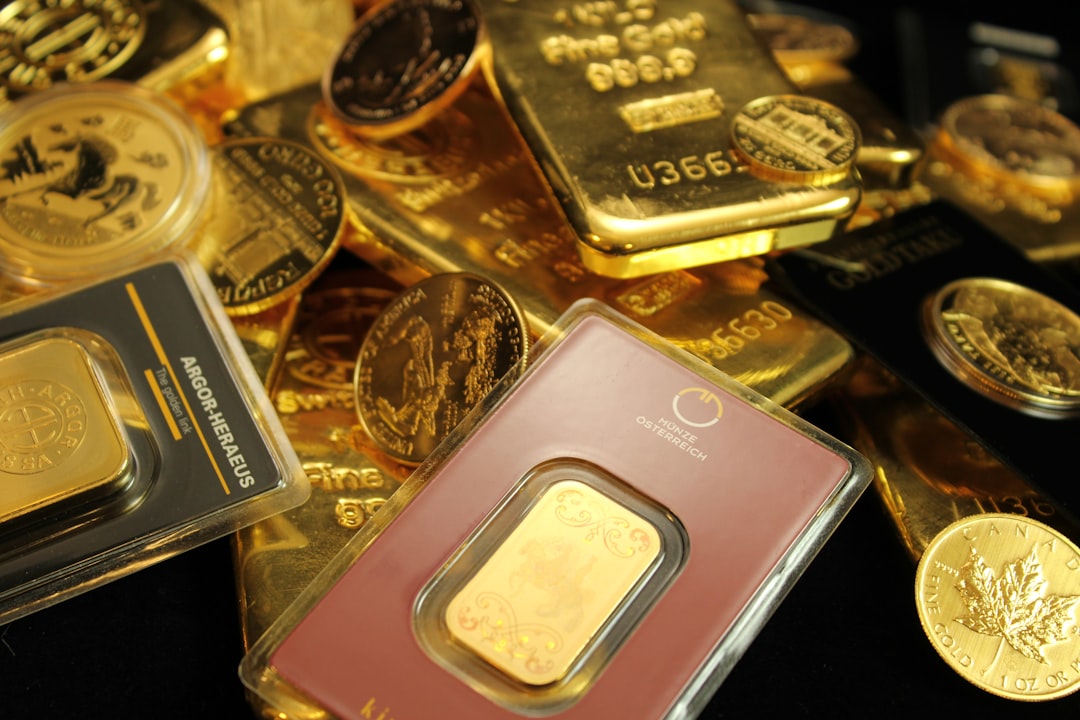
Gold Futures (COMEX): Contract size = 100 troy oz. Initial margin ≈ $8,500–$11,000 in 2026. Good for inflation-hedge strategies.
Crude Oil Futures (NYMEX WTI): Contract size = 1,000 barrels. High liquidity but extreme sensitivity to OPEC+ decisions and geopolitical news.
Soybeans (CBOT): Contract size = 5,000 bushels. Driven by weather patterns, Chinese import demand, and South American harvest cycles.
Copper Futures (COMEX/SHFE): Often called “Dr. Copper” because its price reflects global economic health. Particularly relevant in 2026 given EV infrastructure expansion.
Natural Gas (NYMEX): Extremely volatile, especially around winter storage reports. Not recommended as a first futures trade.
Real-World Examples: How Market Events Shaped Futures Prices in 2026
Let’s ground this in what’s actually been happening. In January 2026, renewed tensions in the Red Sea shipping corridor caused a sharp spike in Brent crude futures — prices jumped roughly 8% in under two trading sessions. Traders who held long positions made impressive short-term returns. However, those who entered long on the second day of the spike, hoping for continuation, were caught in a swift reversal as diplomatic channels reopened and fear premium evaporated.
Meanwhile, gold futures in 2026 have been unusually active. Central banks — particularly from emerging market economies in Southeast Asia and the Middle East — have continued accumulating gold reserves, maintaining upward pressure on prices. The World Gold Council reported that central bank purchases in Q4 2025 through Q1 2026 remained above the historical average, keeping gold futures anchored above $2,800/oz for most of the first quarter of 2026. For a longer-term position trader, this macro tailwind made gold a more forgiving entry point than, say, natural gas.
On the agricultural side, the La Niña cycle affecting South American soybean production in early 2026 created a textbook example of weather-driven futures volatility. CBOT soybean futures rallied nearly 12% between December 2025 and February 2026 before partially retracing as revised crop estimates came in from Brazil’s CONAB agency.
The Mechanics You Must Understand Before Your First Trade
Let’s walk through what actually happens operationally — because this is where abstract knowledge becomes practical survival.
Rolling Over Contracts: Futures contracts expire. If you hold a May crude oil contract and want to stay invested past expiration, you must “roll” into the next month’s contract. This costs money (the roll spread) and is a hidden cost many beginners overlook.
Mark-to-Market Settlement: Unlike stocks, futures are settled daily. If your position loses $800 on a Tuesday, that $800 is debited from your margin account that night. If your account falls below the maintenance margin, you’ll receive a margin call and must deposit more funds immediately — or your position gets liquidated.
Contango vs. Backwardation: These terms describe the shape of the futures curve. In contango, longer-dated contracts cost more than near-term ones (common in oil storage scenarios). In backwardation, near-term contracts are pricier — often signaling tight immediate supply. Understanding which environment you’re trading in affects your strategy fundamentally.
Position Limits: Regulatory bodies like the CFTC impose limits on how many contracts a single trader can hold to prevent market manipulation. For retail traders in 2026, this rarely becomes an issue, but it’s good to know it exists.
Realistic Alternatives If Full Futures Trading Feels Too Intense
Here’s the honest conversation many guides skip: full futures trading isn’t for everyone, and that’s completely okay. The good news is that in 2026, you have excellent alternatives that give you commodity exposure without the margin-call anxiety.
Commodity ETFs: Funds like GLD (gold), USO (oil), or PDBC (diversified commodities) trade like stocks. No margin, no expiration dates. Perfect for long-term exposure.
Commodity Stocks: Investing in companies like mining firms (Barrick Gold, Freeport-McMoRan) or energy producers gives indirect commodity exposure with company-level analysis you might be more comfortable with.
Micro Futures: CME Group’s Micro E-mini and Micro commodity contracts — introduced for retail traders — let you trade with 1/10th the standard contract size. A Micro Gold contract, for instance, covers just 10 troy oz instead of 100. This is arguably the best “learning-with-real-money” option in 2026.
Paper Trading: Most brokers including TD Ameritrade’s thinkorswim platform and Interactive Brokers offer simulated futures trading with real market data. Spend at least 60 days here before risking real capital.
The realistic path for most beginners in 2026 looks like this: start with commodity ETFs to understand price behavior, simulate futures trades for 1-2 months, then graduate to micro futures with a small defined-risk allocation (no more than 5-10% of your investable assets). Only after proving consistent performance over 6+ months should you consider standard-sized contracts.
Editor’s Comment : Commodity futures are genuinely one of the most intellectually stimulating corners of the financial markets — the interplay of weather, geopolitics, supply chains, and human psychology all compressed into a price chart is fascinating. But the market doesn’t reward fascination; it rewards discipline and preparation. If Jake had spent two months paper trading before going live, he’d almost certainly still be investing today. In 2026, with micro contracts and sophisticated simulation tools at your fingertips, there’s no good reason to skip that foundation. Take your time, respect the leverage, and let compounding do its quiet, powerful work.
지난해 말, 직장 동료 한 명이 조용히 저를 붙잡더니 이런 말을 했어요. “요즘 금 선물로 짭짤하게 벌었다는 사람들 얘기가 많던데, 나도 한번 해볼까 싶어서.” 그런데 막상 증권사 앱을 열어보니 용어부터 낯설고, 뭐가 뭔지 도무지 모르겠다고 하더라고요. 아마 이 글을 찾아오신 분들도 비슷한 상황이실 거라고 봅니다. 2026년 현재, 글로벌 공급망 재편과 에너지 전환 가속화로 원자재 시장의 변동성이 그 어느 때보다 높아진 상황인데요. 바로 그렇기 때문에, 제대로 된 이해 없이 뛰어드는 것은 굉장히 위험할 수 있습니다. 오늘은 원자재 선물 투자의 기초부터 실전 감각까지, 함께 차근차근 짚어보도록 할게요.
📌 원자재 선물(Commodity Futures)이란 정확히 무엇인가?
선물(Futures)이란 미래의 특정 시점에 특정 상품을 미리 정한 가격으로 사고팔기로 약속하는 계약입니다. 예를 들어, 오늘 3월 22일에 “6월 말에 WTI 원유 1,000배럴을 배럴당 75달러에 사겠다”고 계약을 맺는 식이에요. 원자재 선물의 대상이 되는 주요 품목은 크게 세 범주로 나뉩니다.
에너지 : WTI 원유, 브렌트유, 천연가스, 난방유
귀금속 및 산업금속 : 금(Gold), 은(Silver), 구리(Copper), 알루미늄
농산물 : 옥수수, 대두, 밀, 설탕, 커피
이 중 개인 투자자에게 접근성이 가장 높은 건 단연 금 선물과 WTI 원유 선물이라고 봅니다. 한국거래소(KRX)에서도 미니 금 선물, 미니 원유 선물 등을 통해 비교적 소액으로 진입할 수 있거든요.
📊 2026년 원자재 시장, 지금 어떤 상황인가?
2026년 1분기 현재, 원자재 시장은 몇 가지 굵직한 흐름에 의해 움직이고 있습니다. 구체적인 수치로 살펴볼게요.
금(Gold) : 2026년 3월 기준 온스당 약 3,050~3,150달러 선에서 거래되고 있어요. 미 연준(Fed)의 금리 인하 기조 지속과 중앙은행들의 금 매입 확대가 주요 상승 동인으로 꼽힙니다. 세계금위원회(WGC)에 따르면 2025년 한 해 동안 중앙은행의 금 순매입량은 약 1,000톤을 상회한 것으로 집계됐고요.
WTI 원유 : OPEC+의 감산 기조 유지와 미국 셰일 생산량 증가 사이에서 배럴당 70~80달러 박스권을 형성 중입니다. 에너지 전환 정책이 장기 수요에 불확실성을 더하고 있다는 점도 눈여겨볼 필요가 있어요.
구리(Copper) : AI 데이터센터, 전기차(EV), 재생에너지 인프라 확대로 수요가 폭발적으로 증가하면서 2026년에는 톤당 1만 달러 돌파를 재차 시도하는 구간에 있습니다. ‘구리는 경기의 바로미터’라는 말이 있을 만큼, 산업 경기를 가장 잘 반영하는 금속으로 알려져 있어요.
🌍 국내외 사례로 보는 선물 투자의 명암
미국의 경우, 2020~2021년 팬데믹 이후 개인 투자자들이 대거 원자재 ETF와 선물 시장에 유입됐습니다. 특히 인플레이션 헤지 수단으로 금과 원자재 ETF(예: iShares GSCI Commodity Dynamic Roll Strategy ETF 등)의 거래량이 폭증했고, 이는 기관 중심이던 선물 시장의 판도를 일정 부분 바꿨다는 평가를 받기도 했어요.
국내에서는 한국투자증권, 키움증권 등 주요 증권사를 통해 해외 선물 계좌를 개설하는 방식으로 CME(시카고상품거래소)의 원자재 선물에 직접 접근하는 사례가 늘고 있습니다. 2025년 기준 국내 투자자의 해외 선물 거래 규모는 전년 대비 약 30% 이상 증가한 것으로 추정되고 있고요. 다만, 2024년 말 천연가스 가격 급등락 시기에 레버리지 포지션을 운용하던 일부 개인 투자자들이 마진콜(Margin Call)을 받아 큰 손실을 입은 사례도 보고된 바 있습니다. 이 사례가 시사하는 바는 분명해요. 선물 투자는 수익 기회만큼이나 리스크 관리가 절대적으로 중요하다는 것입니다.
⚙️ 초보자가 반드시 이해해야 할 핵심 개념 5가지
레버리지(Leverage) : 선물의 가장 큰 특징이자 함정입니다. 증거금(보통 계약 가치의 5~15%)만 내고 훨씬 큰 규모의 계약을 운용할 수 있어요. 수익도 배가 되지만, 손실도 정확히 그만큼 배가 됩니다.
롤오버(Rollover) : 선물 계약에는 만기가 있어요. 만기 전에 현재 계약을 청산하고 다음 만기 계약으로 갈아타는 과정을 롤오버라고 합니다. 이 과정에서 콘탱고(Contango, 원월물이 근월물보다 비싼 상태)가 발생하면 비용이 생길 수 있어요.
마진콜(Margin Call) : 포지션 손실이 커져서 계좌 잔고가 유지 증거금 이하로 떨어지면, 증권사에서 추가 증거금을 요구하는 것입니다. 이에 응하지 못하면 강제 청산될 수 있어요.
스팟 가격 vs 선물 가격 : 현물(Spot) 가격과 선물 가격은 항상 다릅니다. 선물에는 보관비용, 금리, 시장 기대치 등이 반영되기 때문이에요.
포지션 사이징 : 한 번의 거래에 자본의 얼마를 투입할 것인가의 문제입니다. 전문가들은 단일 거래에 총 자산의 1~2% 이상 위험에 노출시키지 않도록 권고하는 경향이 있어요.
🛠️ 초보자를 위한 현실적인 진입 전략
선물 직접 투자가 부담스럽다면, 원자재 선물에 간접적으로 노출되는 방법부터 시작해 보는 것을 추천합니다. 단계별로 접근해 보면 어떨까요?
1단계 – 원자재 ETF : KODEX 골드선물(H), TIGER 원유선물Enhanced(H) 같은 국내 상장 ETF는 선물의 수익 구조를 따르면서도 주식처럼 매매할 수 있어요. 레버리지 없이 시장을 체험하기에 좋은 출발점이라고 봅니다.
2단계 – 미니 선물 : KRX에서 거래되는 미니 금 선물은 일반 금 선물의 10분의 1 규모로, 소액으로 실제 선물 거래를 경험해 볼 수 있어요. 실전 감각을 익히는 데 유용합니다.
3단계 – 해외 선물(CME) : 어느 정도 경험이 쌓인 후, 원유나 금의 CME 표준 계약으로 넘어가는 방식이 리스크를 단계적으로 관리하는 데 도움이 된다고 생각해요. 이때는 반드시 스톱로스(Stop-Loss) 주문을 설정하는 습관을 들여야 합니다.
💡 2026년, 원자재 선물 투자 전 꼭 확인해야 할 사항
국내 해외 선물 거래 시, 기본 예탁금 요건(증권사마다 다르지만 통상 3,000~5,000만 원 수준)을 미리 확인하세요.
원자재 선물 투자 수익은 금융투자소득세(2025년 시행 유예 이후 제도 변경 논의 중)가 아닌, 현재까지는 분류과세 혹은 종합소득세 대상이 될 수 있어요. 세무사 상담을 병행하는 것을 권장합니다.
달러 기반 선물에 투자할 경우, 원달러 환율 변동도 수익에 직접 영향을 미칩니다. 환헤지 여부를 반드시 확인하세요.
에디터 코멘트 : 원자재 선물은 분명히 매력적인 자산군입니다. 인플레이션 헤지 수단으로도, 포트폴리오 분산 도구로도 가치가 있어요. 하지만 레버리지라는 양날의 검이 항상 따라다닌다는 사실을 절대 잊지 말아야 할 것 같아요. 처음 시작한다면, ‘얼마나 벌 수 있을까’보다 ‘얼마나 잃어도 견딜 수 있는가’를 먼저 자문해 보시길 바랍니다. 선물 시장에서 오래 살아남는 투자자들의 공통점은 화려한 수익 기록이 아니라, 철저한 리스크 관리라는 점 — 2026년에도 이 원칙은 변하지 않는다고 봅니다.
A friend of mine — a high school teacher with zero Wall Street background — called me last month completely flustered. She’d heard the phrase “commodity ETF” thrown around at a dinner party and felt embarrassed she didn’t know what it meant, let alone which ones were worth investing in. Sound familiar? Here’s the thing: commodity ETFs are one of the most accessible inflation hedges and portfolio diversifiers out there in 2026, yet so many people treat them like some arcane financial ritual reserved for hedge fund managers. Let’s break that myth together.
With global supply chains still recalibrating post-pandemic disruptions, geopolitical tensions affecting energy routes, and central banks navigating inflation with surgical caution, raw material (commodity) ETFs have surged back into serious investor conversations this year. Whether you’re a beginner dipping your toes in or a seasoned portfolio builder looking to rebalance, this guide walks through the landscape clearly and honestly.
What Exactly Is a Commodity ETF?
Before we dive into comparisons, let’s ground ourselves. A commodity ETF (Exchange-Traded Fund) is a fund traded on a stock exchange — just like a regular stock — that tracks the price of one or more raw materials. These can include:
The key advantage? You get exposure to these physical markets without needing to store a barrel of oil in your garage. The fund handles the mechanics — usually through futures contracts or physical holdings — and you simply buy shares through your brokerage.
Why 2026 Is a Pivotal Year for Commodity ETFs
Let’s talk about the macro context, because context is everything in investing. As of early 2026, several forces are pushing commodity prices into the spotlight:
Energy transition acceleration: The global shift toward EVs and green infrastructure has sent lithium, copper, and cobalt demand soaring. The International Energy Agency projects that copper demand for clean energy technologies alone will double by 2030 — meaning we’re right in the thick of a structural demand surge.
Middle East and Eastern European supply uncertainty: Ongoing geopolitical friction continues to create volatility in oil and natural gas markets, making energy ETFs both risky and potentially high-reward.
Agricultural stress: Erratic weather patterns linked to climate change have disrupted grain outputs in key producing nations like Argentina and Ukraine, keeping agricultural commodity prices elevated.
Dollar dynamics: A slightly weakening U.S. dollar in 2026 tends to push commodity prices higher (since most are dollar-denominated), benefiting commodity ETF holders globally.
Top Commodity ETFs in 2026: A Comparative Breakdown
Let’s get specific. Here are some of the most widely discussed and traded commodity ETFs right now, each serving a different investing purpose:
SPDR Gold Shares (GLD): The gold standard — literally. GLD tracks physical gold and remains the most liquid gold ETF globally with over $65 billion in assets under management as of Q1 2026. Gold has historically performed well during economic uncertainty. Expense ratio: ~0.40%. Best for: conservative inflation hedgers.
iShares S&P GSCI Commodity-Indexed Trust (GSG): A broad commodity basket weighted heavily toward energy (~60%). This gives you diversified exposure but also means energy price swings dominate your returns. Expense ratio: ~0.75%. Best for: investors who want wide commodity exposure without picking individual sectors.
Invesco DB Commodity Index Tracking Fund (DBC): Another broad-basket ETF but with a smarter rolling strategy on futures contracts, which helps reduce the “contango drag” problem (more on that below). Expense ratio: ~0.85%. Best for: intermediate investors who understand futures mechanics.
United States Oil Fund (USO): Tracks West Texas Intermediate (WTI) crude oil futures. High volatility, high potential reward, but also high risk. In 2026, oil prices have been oscillating between $72–$91 per barrel depending on OPEC+ decisions. Expense ratio: ~0.60%. Best for: tactical traders with short-term energy views.
Global X Lithium & Battery Tech ETF (LIT): Technically an equity ETF with heavy commodity exposure through lithium miners and processors. With EV adoption accelerating, lithium demand is a long-term structural story. Expense ratio: ~0.75%. Best for: growth-oriented investors aligned with the clean energy megatrend.
Teucrium Wheat Fund (WEAT): A pure-play agricultural ETF tracking wheat futures across multiple contract months. Given global food security concerns in 2026, this is a niche but increasingly relevant play. Expense ratio: ~1.00%. Best for: investors who want agricultural diversification.
The Contango Problem: What Most Beginner Guides Skip
Here’s something crucial that often gets glossed over: most commodity ETFs don’t actually hold physical barrels of oil or bushels of wheat. They hold futures contracts — agreements to buy a commodity at a set price on a future date. When those contracts expire, the fund must “roll” into the next month’s contract.
If the market is in contango (meaning future prices are higher than current prices, which is common), the fund constantly sells cheap near-term contracts and buys more expensive far-term ones. Over time, this erodes returns — sometimes significantly. This is why you might notice that a crude oil ETF underperforms actual oil price movements over a year. Always check if the ETF uses an optimized rolling strategy (like DBC does) versus simple front-month rolling (like USO).
International Perspective: Korean and Asian Commodity ETF Landscape in 2026
For Korean investors and those in Asian markets, the domestic ETF scene has matured considerably. KODEX and TIGER ETFs (managed by Samsung Asset Management and Mirae Asset, respectively) have expanded their commodity product lines significantly in 2026:
KODEX Gold Futures (H): Tracks gold futures with currency hedging to reduce USD/KRW volatility impact. Popular among Korean retail investors seeking a stable inflation hedge.
TIGER 원유선물 Enhanced (H): An enhanced oil futures ETF using the multi-month rolling approach to mitigate contango drag — a thoughtful upgrade from earlier generation oil ETFs.
KODEX 구리선물 (Copper Futures): With South Korea’s semiconductor and EV battery manufacturing sectors requiring significant copper, this ETF has seen growing institutional interest in 2026.
For investors in Japan, Nomura’s commodity ETN (Exchange-Traded Note) products covering broad commodities and gold have similarly gained traction as the Bank of Japan’s monetary policy normalization affects traditional bond portfolios.
Realistic Alternatives: When a Pure Commodity ETF Isn’t Right for You
Not every investor needs a pure commodity ETF, and I want to be honest about that. Here are some realistic alternatives depending on your situation:
If you’re risk-averse: Consider a multi-asset ETF that includes a commodity allocation alongside equities and bonds. This gives you commodity exposure without the whiplash of a pure play.
If you’re interested in commodities but want company profits too: Look at commodity producer ETFs like VanEck Gold Miners ETF (GDX) or Sprott Uranium Miners ETF (URNM). You invest in the companies extracting resources — they benefit from high commodity prices but also generate revenue, dividends, and operational leverage.
If you’re nervous about futures complexity: Stick with physically-backed ETFs like GLD (gold) or SIVR (silver), which hold the actual metal. No contango, no rolling mechanics — simple and clean.
If your horizon is long-term (10+ years): A thematic ETF focused on clean energy materials (like LIT or COPX for copper miners) might outperform pure spot commodity plays as the energy transition structurally shifts demand.
The bottom line? Match the ETF’s mechanics to your investing style, time horizon, and risk tolerance. There’s no single “best” commodity ETF for everyone in 2026 — but there’s likely a right one for you once you understand what you’re actually buying.
Editor’s Comment : Commodity ETFs are genuinely one of those investment tools that reward the curious. The moment you understand why oil prices move, why gold spikes during uncertainty, or why lithium is essentially the new crude oil of the 2020s, these funds stop feeling intimidating and start feeling like a logical extension of understanding the world around you. Start small, understand the mechanics (especially that contango issue — seriously, bookmark it), and diversify within commodities just as you would across any asset class. Your portfolio will thank you for thinking globally and materially.
지난해 말, 지인 한 분이 조심스럽게 물어왔어요. “주식은 너무 변동성이 크고, 채권은 금리가 애매한데… 요즘 원자재 ETF가 뜬다던데 어떻게 생각해요?” 사실 저도 그 질문을 받고 한참 고민했답니다. 원자재라는 자산군은 분명히 매력적이지만, 막상 ETF 종류가 너무 많아서 어디서부터 시작해야 할지 막막한 게 현실이거든요. 2026년 현재, 글로벌 공급망 재편과 에너지 전환 가속화, 그리고 달러 변동성이 맞물리면서 원자재 시장이 다시 주목받고 있어요. 오늘은 그 흐름 속에서 어떤 ETF가 눈에 띄는지 함께 뜯어보겠습니다.
📌 원자재 ETF, 왜 지금 다시 주목받을까?
2026년 초 기준으로 몇 가지 거시적 흐름이 원자재 시장에 힘을 실어주고 있는 것 같습니다.
달러 약세 압력: 미 연준(Fed)의 금리 인하 사이클이 본격화되면서 달러 인덱스(DXY)가 하방 압력을 받고 있어요. 일반적으로 달러가 약해지면 달러로 표시되는 원자재 가격은 상승하는 경향이 있습니다.
에너지 전환 수요: 구리, 리튬, 코발트 등 ‘전환 금속(Transition Metals)’에 대한 수요가 전기차·배터리·태양광 산업 확대로 구조적으로 증가하고 있어요.
지정학적 리스크 지속: 중동 및 동유럽의 긴장이 에너지와 농산물 공급에 불확실성을 더하고 있습니다.
인플레이션 헤지 수요: 완전히 꺾이지 않은 물가 환경에서 실물자산 성격의 원자재는 전통적인 인플레이션 헤지 수단으로 재조명받고 있어요.
🔍 2026년 주목할 원자재 ETF 비교분석
아래에서 섹터별로 대표적인 ETF를 비교해 볼게요. 수수료(Expense Ratio), 운용 방식, 추종 지수가 핵심 비교 포인트입니다.
① 금(Gold) ETF — 여전히 왕좌는 굳건하다
SPDR Gold Shares (GLD)는 운용자산(AUM) 기준 세계 최대 금 ETF로, 2026년 3월 현재 약 700억 달러 수준의 자산을 운용 중이라고 봅니다. 수수료는 연 0.40%예요. 실물 금을 기초자산으로 보유하는 구조라 금 현물 가격을 가장 충실하게 추종하는 편입니다.
반면 iShares Gold Trust (IAU)는 수수료가 연 0.25%로 GLD보다 저렴해요. 장기 보유 목적이라면 비용 절감 면에서 IAU가 유리할 수 있습니다. 국내에서는 KODEX 골드선물(H)이 환헤지 구조로 비슷한 역할을 하고 있고, 원화 자산 비중이 높은 분들께 현실적인 선택지라고 봅니다.
② 에너지(Energy) ETF — 변동성 크지만 기회도 크다
United States Oil Fund (USO)는 WTI 원유 선물에 투자하는 대표 ETF예요. 단, ‘롤오버 비용(Roll Cost)’이라는 선물 특유의 비용 구조가 있어서 장기 보유 시 성과 괴리가 발생할 수 있다는 점을 꼭 이해하고 접근해야 합니다. 수수료는 연 0.60% 수준.
에너지 섹터 전반에 분산 투자하고 싶다면 Energy Select Sector SPDR Fund (XLE)가 좋은 대안이에요. 엑슨모빌, 셰브론 같은 대형 에너지 기업에 분산 투자하면서 배당수익도 기대할 수 있거든요. 2026년 기준 배당수익률은 약 3~4% 수준으로 추정됩니다.
③ 농산물(Agriculture) ETF — 기후 리스크가 곧 투자 기회
Invesco DB Agriculture Fund (DBA)는 밀, 옥수수, 대두, 설탕 등 다양한 농산물 선물에 분산 투자하는 ETF예요. 수수료는 연 0.93%로 상대적으로 높은 편이지만, 단일 농산물에 집중하는 것보다 변동성을 줄일 수 있다는 장점이 있어요. 엘니뇨·라니냐 같은 기후 이변이 잦아지는 요즘, 식량 안보 이슈와 맞물려 주목할 만한 섹터라고 봅니다.
④ 광물·금속(Metals) ETF — 에너지 전환의 수혜주
Global X Copper Miners ETF (COPX)는 구리 채굴 기업들에 투자하는 ETF로, 구리 현물 가격보다 레버리지 효과가 있어요. 수수료는 연 0.65%. 구리는 전기차 한 대에 평균 83kg가 사용될 만큼 에너지 전환의 핵심 금속으로 꼽힙니다.
Sprott Uranium Miners ETF (URNM)도 2026년 맥락에서 빼놓기 어려운 ETF예요. AI 데이터센터 전력 수요 급증과 원전 르네상스 흐름이 맞물리면서 우라늄 관련 ETF가 재조명받고 있거든요.
⑤ 브로드 원자재(Broad Commodity) ETF — 잘 모르겠으면 이걸로
섹터를 하나로 고르기 어렵다면 iShares S&P GSCI Commodity-Indexed Trust (GSG)나 Invesco Optimum Yield Diversified Commodity Strategy No K-1 ETF (PDBC)처럼 다양한 원자재를 한 번에 담는 ETF가 현실적인 선택일 수 있어요. PDBC는 K-1 세금보고서 없이 투자할 수 있다는 실용적인 장점도 있답니다.
🌍 국내외 투자자들은 어떻게 접근하고 있을까?
해외 사례를 보면, 노르웨이 국부펀드(GPFG)는 전통적으로 원자재 직접 투자보다는 에너지 기업 주식 비중을 늘리는 방식을 선호한다고 알려져 있어요. 이는 선물 롤오버 비용과 보관 비용 없이 원자재 가격 상승의 수혜를 간접적으로 받을 수 있는 전략이라고 볼 수 있겠죠.
국내 개인 투자자들 사이에서는 2026년 들어 TIGER 원유선물Enhanced(H), KODEX 구리선물(H) 같은 국내 상장 원자재 ETF 거래량이 눈에 띄게 늘었다는 보도가 있었어요. 환헤지 여부와 세금 처리 방식이 해외 ETF와 다르기 때문에, 자신의 세금 상황에 맞게 선택하는 것이 중요하다고 봅니다.
⚠️ 원자재 ETF 투자 전 반드시 체크할 것들
선물 기반 vs 현물 기반: 금처럼 현물 보유가 가능한 ETF는 추적 오차가 적지만, 원유처럼 선물 기반 ETF는 롤오버 비용으로 인한 성과 괴리가 발생할 수 있어요.
환헤지 여부: 달러 강세 시기엔 비헤지(H 없는) 상품이 유리할 수 있고, 약세 시기엔 그 반대예요. 지금처럼 달러 약세 압력이 있는 환경에서는 환오픈 전략도 고려해볼 만합니다.
총보수(Expense Ratio): 원자재 ETF는 일반 주식 ETF보다 수수료가 높은 편이에요. 장기 보유라면 수수료 차이가 누적 수익률에 꽤 큰 영향을 줄 수 있어요.
포트폴리오 내 비중: 대부분의 자산 배분 전략에서 원자재 비중은 전체 포트폴리오의 5~15% 수준을 권장하는 경향이 있어요. 집중 투자보다는 헤지 개념으로 접근하는 것이 현실적이라고 봅니다.
세금 처리: 국내 상장 ETF는 배당소득세(15.4%) 적용, 해외 상장 ETF는 양도소득세(22%) 적용으로 처리 방식이 달라요.
✅ 결론: 2026년, 원자재 ETF 어떻게 담을까?
원자재 ETF는 ‘고수익을 노리는 공격 수단’이 아니라 ‘포트폴리오 변동성을 줄이는 방어 수단’에 가깝다고 생각해요. 특히 2026년처럼 달러 불확실성과 지정학 리스크, 에너지 전환이 동시에 맞물리는 환경에서는 금, 구리, 분산형 원자재 ETF를 소량 편입하는 전략이 합리적인 선택지라고 봅니다.
처음이라면 브로드 원자재 ETF 하나로 시작해서 감을 익히고, 이후 섹터별 확신이 생기면 금이나 구리 같은 테마형 ETF로 확장하는 것이 현실적인 순서라고 생각해요.
에디터 코멘트 : 원자재 ETF를 처음 접하는 분들이 가장 많이 하는 실수가 ‘수익률 그래프만 보고 고르는 것’이에요. 그 수익률이 선물 롤오버 비용을 반영한 건지, 환율 효과가 포함된 건지 꼭 확인하세요. 화려한 과거 수익률보다 구조를 이해하고 투자하는 게 장기적으로 훨씬 유리합니다. 아는 만큼 덜 흔들리거든요. 😊
Picture this: a mid-sized logistics company in Ohio, 2023, was hemorrhaging $2 million annually in inefficient routing and warehouse labor. Fast-forward to early 2026, and that same company — after integrating an AI-powered supply chain optimization platform — has slashed operational costs by 34% and actually expanded its workforce into higher-value roles. This isn’t a Silicon Valley fairy tale. It’s a quietly repeating pattern across industries worldwide, and the macroeconomic data is finally catching up to tell us what’s really happening.
We’re at a fascinating inflection point right now. AI is no longer the “future of productivity” — it is the present engine of productivity, and the numbers in 2026 are starting to get genuinely hard to ignore. Let’s think through this together, because the story is more nuanced than the headlines suggest.
The Productivity Paradox — Finally Resolved?
Economists have wrestled with the “productivity paradox” for decades: technology advances rapidly, yet broad productivity gains lag frustratingly behind. Robert Solow’s famous 1987 quip — “You can see the computer age everywhere except in the productivity statistics” — haunted tech optimists for a generation. But 2026 data is presenting a compelling counter-narrative.
According to the McKinsey Global Institute’s Q1 2026 report, AI adoption across enterprise sectors has contributed an estimated 1.2–1.5 percentage points of additional annual productivity growth in early-adopter economies — notably the US, South Korea, Germany, and Singapore. The IMF’s updated World Economic Outlook (January 2026) revised upward its long-term growth projections for AI-integrated economies by 0.8%, a meaningful shift in a traditionally conservative forecasting model.
What changed? Three things converged simultaneously:
Diffusion depth: AI tools moved from experimental pilots to core operational infrastructure. By late 2025, over 67% of Fortune 500 companies reported AI as “mission-critical” in at least two business functions (Gartner, 2025 Annual Tech Survey).
Workforce adaptation: The feared mass displacement wave didn’t materialize uniformly. Instead, a “task reallocation” effect emerged — workers shifted from repetitive cognitive tasks to supervisory, creative, and interpersonal roles, often with wage premiums attached.
Cost curve collapse: The per-unit cost of deploying AI models dropped by roughly 90% between 2022 and 2025 (Stanford HAI Index, 2026), democratizing access beyond large corporations.
Sector-by-Sector Breakdown: Where the Growth Is Happening
Not all sectors are benefiting equally — and this is where nuanced thinking really matters for anyone making career, investment, or business decisions right now.
Healthcare: AI-assisted diagnostics and drug discovery pipelines are compressing timelines that once took decades. South Korea’s government-backed “AI Hospital 2025” initiative reported a 28% reduction in diagnostic error rates at participating institutions. The downstream economic effect? Fewer long-term disability claims, faster workforce re-entry, reduced national healthcare expenditure.
Manufacturing: Germany’s “Industrie 5.0” framework, launched in 2025, integrates human-AI collaboration on factory floors. Early participants report 22% higher output per worker-hour compared to pre-AI baselines, with defect rates dropping precipitously. This is contributing to a quiet renaissance in German export competitiveness.
Financial Services: AI-driven risk modeling and fraud detection are now standard. JP Morgan’s COiN (Contract Intelligence) platform evolution has reportedly saved the equivalent of 360,000 manual work hours annually — resources now redirected toward complex client advisory services.
Creative & Knowledge Work: This is the spicier conversation. Generative AI tools are boosting individual output dramatically, but also compressing per-unit pricing in some freelance markets. A graphic designer in 2026 can produce 5x the deliverables — but market rates for basic design work have fallen. The net effect on individual income is highly variable and depends enormously on how workers position themselves.
The Geographic Divide: Who Captures the Gains?
Here’s where the analysis gets genuinely concerning for global equity. AI productivity gains are not distributed evenly across nations, and the gap is widening in 2026.
Countries with strong digital infrastructure, robust STEM education pipelines, and adaptive regulatory environments — think Singapore, the US, Estonia, Israel, and South Korea — are capturing disproportionate gains. Meanwhile, developing economies risk falling into what some economists are calling an “AI productivity trap”: unable to afford large-scale AI deployment, yet facing competitive pressure from AI-enabled exporters in wealthier nations.
The World Bank’s 2026 Digital Economy Report flags this explicitly, noting that without targeted intervention, AI could widen the global productivity gap by a further 15–20% over the next decade. This isn’t inevitable — but it does require intentional policy choices.
Realistic Alternatives for Individuals, Businesses, and Policymakers
Let’s get practical. The macro picture is compelling, but what does this mean for you, depending on where you sit?
If you’re an individual professional: Don’t wait for your employer to upskill you. Platforms like Coursera, MIT OpenCourseWare, and Google’s AI Essentials program (all updated for 2026 tool ecosystems) offer low-cost entry points. The highest-value skill right now isn’t coding AI — it’s prompt engineering + domain expertise. A nurse who can effectively use AI diagnostics tools is worth more than a generic AI user.
If you’re a small business owner: The “AI is only for big companies” myth is officially dead. Tools like AI-integrated CRM systems, automated bookkeeping platforms, and customer service chatbots are now accessible at SME-friendly price points (often under $200/month for comprehensive packages). Start with one high-friction process and automate it fully before expanding.
If you’re a policymaker: The evidence increasingly supports investment in AI literacy programs alongside traditional infrastructure. Estonia’s “AI for All” national curriculum — now in its third year — is showing measurable results in workforce adaptability metrics. This is replicable.
If you’re an investor: The “picks and shovels” strategy remains sound, but in 2026 the differentiation is in AI application layers — companies that solve specific, high-value industry problems with AI, rather than pure infrastructure plays which are increasingly commoditized.
The Honest Caveat We Need to Keep in View
Productivity growth data, while encouraging, has a measurement lag problem. GDP and traditional productivity metrics weren’t designed to capture the full value of AI-generated outputs — particularly in knowledge work and creative industries. We may actually be underestimating current AI-driven gains, which is exciting. But we’re also almost certainly underestimating certain displacement costs that don’t yet fully show up in unemployment statistics (think: reduced hours, wage stagnation in specific roles, informal sector pressure).
The honest framing for 2026 is this: AI is clearly a net positive for aggregate economic growth. But aggregate gains don’t automatically translate to equitably distributed prosperity. The policy and individual choices made in the next three to five years will determine whether AI becomes the great equalizer or the great concentrator.
That’s not pessimism — it’s the kind of clear-eyed optimism that actually leads somewhere useful.
Editor’s Comment : The most remarkable thing about AI’s economic impact in 2026 isn’t the scale of the numbers — it’s the speed at which the “wait and see” option is expiring. Two years ago, it was reasonable to observe from the sidelines. Today, the productivity gap between AI-integrated and non-integrated operations is measurable, documented, and compounding. Whatever your role — worker, entrepreneur, investor, or citizen — engaging thoughtfully with this shift isn’t a luxury anymore. It’s the baseline for staying relevant in the decade ahead. The good news? The tools, the education, and the entry points have never been more accessible. The question is simply whether we choose to use them wisely.
태그: [‘AI productivity 2026’, ‘economic growth technology’, ‘AI innovation analysis’, ‘future of work 2026’, ‘AI workforce impact’, ‘technology and GDP’, ‘digital economy trends’]