Picture this: a small business owner in Ankara wakes up in March 2026, checks her phone, and watches the Turkish lira lose another 2% overnight against the dollar. Her imported raw materials just got more expensive — again. She hasn’t changed anything about how she runs her business, yet her margins are quietly being strangled by a currency she has no control over. This isn’t an isolated story. It’s playing out across Jakarta, Lagos, Buenos Aires, and dozens of other cities right now.
The U.S. dollar’s persistent strength in 2026 isn’t just a Wall Street talking point — it’s a structural pressure that’s reshaping everyday economic life in emerging markets. Let’s think through exactly how this works and what realistic options exist for countries and individuals caught in the crossfire.
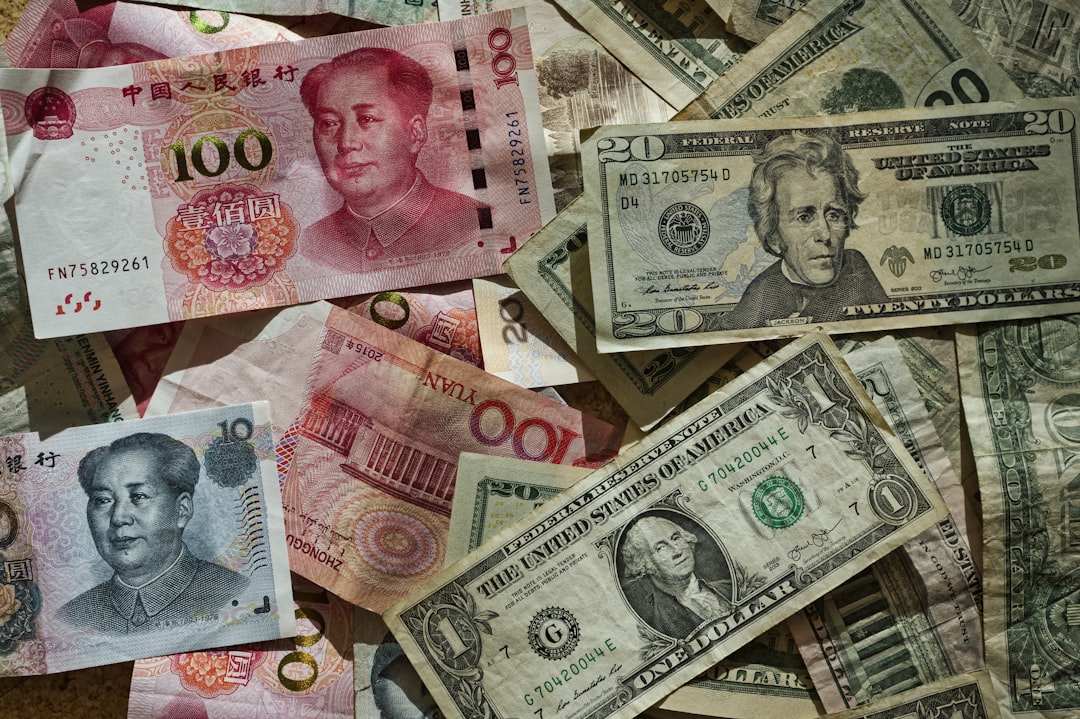
Why Is the Dollar So Strong in 2026?
The Federal Reserve’s extended “higher-for-longer” interest rate policy — which began aggressively in the early 2020s — has not fully unwound. Even with incremental cuts in late 2025, the U.S. federal funds rate remains elevated compared to historical norms, hovering around 4.25–4.50% as of early 2026. When U.S. rates stay high, global capital flows tend to gravitate toward dollar-denominated assets. Why take risk in a volatile emerging market when U.S. Treasuries offer a relatively safe, attractive yield?
This capital repatriation dynamic — sometimes called the “dollar vacuum effect” — drains liquidity from developing economies and forces their central banks into painful choices. Here’s what the data tells us:
- The DXY Index (which measures the dollar against a basket of major currencies) has remained above 104 for the majority of 2025–2026, a historically elevated level.
- Emerging market currencies as a group have depreciated an average of 8–12% against the dollar since mid-2024, according to IMF monitoring data released in early 2026.
- Capital outflows from developing economies exceeded $340 billion in 2025, the highest since the 2013 “Taper Tantrum” era.
- Dollar-denominated debt held by emerging market governments now totals over $4.5 trillion globally — every dollar strengthened makes this debt burden proportionally heavier in local currency terms.
The Debt Trap: When Borrowing in Dollars Becomes a Crisis
Here’s the core mechanics that trip up even economically literate people: many emerging market nations borrowed in U.S. dollars during the 2010s when rates were near zero and the dollar was weak. It made perfect sense at the time — cheap money is cheap money. But when the dollar strengthens by 15–20%, a country that borrowed $10 billion effectively owes significantly more in local currency terms. This is what economists call currency mismatch risk, and in 2026, it’s biting hard.
Combine this with rising import costs (since most global commodities are priced in dollars — oil, wheat, semiconductors), and you get a vicious cycle: weaker local currency → more expensive imports → inflation → higher domestic interest rates → slower growth → even weaker currency.
Real-World Examples: From Buenos Aires to Nairobi
Let’s ground this in specific situations, because the abstract macro picture only tells part of the story.
Argentina remains the cautionary tale par excellence. Despite multiple IMF restructuring agreements, Argentina’s peso has continued its long-term erosion, with the parallel “blue dollar” rate reflecting real market sentiment far exceeding official rates. The government’s attempt to dollarize portions of the economy in 2024 brought short-term stability but created new structural dependencies.
Nigeria is navigating a particularly sharp dollar squeeze in 2026. After the naira was floated in mid-2023, it lost over 70% of its value within 18 months. Nigeria’s heavy reliance on dollar revenues from oil exports creates a paradox: even an oil-rich nation can face a dollar shortage when global oil prices dip or when export revenues are mismanaged. Fuel subsidies removal helped fiscal accounts but hit ordinary citizens hard.
Pakistan and Sri Lanka — both of which experienced near-sovereign-default crises in recent years — are now in delicate IMF-supervised recovery programs in 2026. Their foreign exchange reserves remain thin, leaving them highly vulnerable to any new dollar strengthening impulse.
Indonesia and India represent a more resilient tier. Both have diversified export bases, relatively deep domestic bond markets, and proactive central banks. Indonesia’s Bank Indonesia has used a combination of rate adjustments and forex intervention to keep the rupiah from a disorderly fall. India’s robust IT services sector provides a steady stream of dollar revenues that acts as a natural hedge. These are models worth studying.
Who Suffers Most — And It’s Not Who You Think
Here’s a nuance that often gets lost in macro analysis: dollar strength doesn’t hurt emerging market elites the same way it hurts ordinary people. Wealthy individuals and corporations in developing countries often already hold dollar-denominated assets — they’ve effectively dollarized their own savings. It’s the middle class, small business owners, and import-dependent households who absorb the full blow through:
- Higher prices for everyday goods (electronics, medicines, fuel)
- Reduced purchasing power of wages
- Tighter credit conditions as local banks raise rates to defend currencies
- Reduced government spending on social services as more budget goes toward debt servicing
- Brain drain, as skilled workers seek opportunities in stronger-currency economies
Realistic Alternatives: What Can Countries (and Individuals) Actually Do?
I want to be honest here — there’s no magic fix. But there are genuinely smart strategic responses at multiple levels.
At the national policy level: Countries like Malaysia and Vietnam have made deliberate moves to reduce dollar dependency by settling more trade in regional currencies, especially the Chinese yuan and even the euro. ASEAN’s push toward a regional payment infrastructure in 2025–2026 is a meaningful, if slow-moving, structural shift. Building foreign exchange reserves during periods of dollar weakness (rather than spending them all) is another time-tested buffer strategy.
For individual investors and savers in emerging markets: Diversifying savings across currencies — holding some dollar or euro-denominated assets through regulated platforms — is a practical hedge. This isn’t speculation; it’s rational risk management. Gold has historically served as a store of value during currency crises and continues to play that role in 2026.
For small businesses: Where possible, invoicing exports in local currency and negotiating dollar-denominated input costs down through longer-term contracts can reduce exposure. Supply chain localization — sourcing more inputs domestically — reduces import dependency, though it requires upfront investment.
The broader structural answer involves what economists call export diversification — moving beyond commodities toward value-added manufacturing or services that can earn stronger, more stable dollar revenues. South Korea’s and Taiwan’s historical development paths offer blueprints, even if they’re not easily replicated overnight.
The dollar’s structural dominance in global finance isn’t disappearing in 2026 — and honestly, betting on its imminent collapse has been a losing trade for decades. The realistic question isn’t “when will the dollar weaken?” but rather “how do we build economic resilience regardless of what the dollar does?” That reframing, at both the national and personal level, is where the productive conversation starts.
Editor’s Comment : The dollar strength story in 2026 is ultimately about the asymmetry of global financial power — a system where monetary policy decisions made in Washington ripple out to affect a street vendor in Nairobi or a factory worker in Dhaka who has never held a dollar bill. Understanding this mechanism doesn’t make it fair, but it does make you better equipped to navigate it. The countries and individuals who will come out ahead are those who stop waiting for the system to change and start building buffers within the system as it actually exists.
태그: [‘dollar strength 2026′, ’emerging market economic crisis’, ‘currency depreciation’, ‘IMF debt crisis’, ‘forex reserve strategy’, ‘global inflation 2026′, ’emerging market investment risk’]
Leave a Reply