A friend of mine — let’s call her Mina — walked into a gold shop in Seoul’s Jongno district back in early 2025 with a modest budget and a nervous smile. She’d been hearing about gold hitting record highs and didn’t want to miss the train. Fast forward to March 2026, and she’s sitting on a position that’s up over 18%. But here’s the thing: she almost didn’t invest at all because she thought precious metals were “too complicated” or “only for the rich.” Sound familiar? Let’s unpack what’s really happening in the gold, silver, and precious metals space in 2026 — and think through this together.
📊 Where Are Gold & Silver Prices Right Now in 2026?
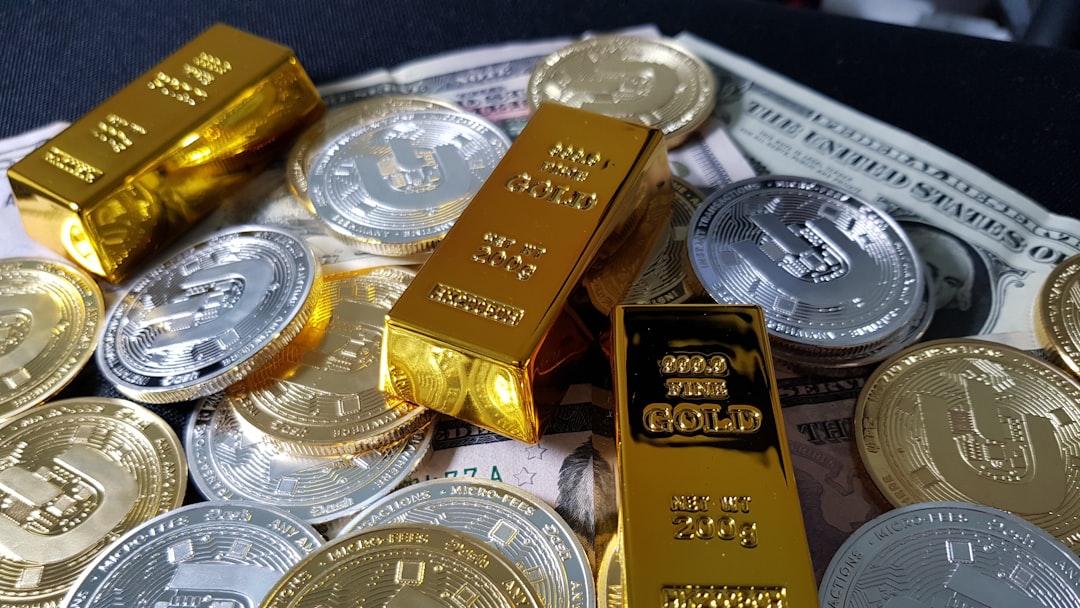
As of Q1 2026, gold is trading in the range of $2,850–$3,050 per troy ounce, having consolidated after its explosive rally in late 2024 and 2025. Silver is hovering around $34–$38 per ounce, and platinum — the often-overlooked sibling — is making a quiet comeback near the $1,100–$1,250 zone.
Why does this matter? Because the gold-to-silver ratio (GSR) — a classic metric traders use — is currently sitting around 78–82. Historically, when the GSR is this high, it often signals that silver is undervalued relative to gold. That’s not a guarantee, but it’s a data point worth keeping in your mental toolkit.
🌐 The Macro Forces Driving Precious Metals in 2026
You can’t look at metals in a vacuum. Here’s what’s actually pushing these markets right now:
- Central Bank Buying Continues: The World Gold Council reported that central banks — particularly from China, India, Poland, and Turkey — purchased over 1,000 metric tons of gold for the third consecutive year in 2025. This institutional demand acts as a structural floor under prices.
- U.S. Dollar Uncertainty: With ongoing debates around U.S. debt ceilings and the Fed’s complex balancing act between fighting residual inflation and avoiding recession, investors are still treating gold as a hedge against dollar weakness.
- Geopolitical Risk Premium: Ongoing tensions in Eastern Europe and the South China Sea are keeping a “fear premium” baked into gold prices. This isn’t going away anytime soon.
- Green Energy Demand for Silver: This is the underrated story of 2026. Silver is a critical industrial metal used in solar panels, EV batteries, and semiconductor components. Demand from clean energy manufacturing is putting a structural bid under silver that didn’t exist 10 years ago.
- ETF Inflows Recovering: After significant outflows in 2023–2024, gold ETFs globally have seen renewed inflows in 2025–2026, suggesting retail and institutional investors are returning to the trade.
🇰🇷 Korea’s Precious Metals Market: A Local Lens
Back home in Korea, the conversation around precious metals investing has evolved significantly. The Korea Exchange (KRX) Gold Market — launched years ago as a transparent, tax-advantaged way to buy gold — has seen trading volume surge in 2025 and into 2026. Korean investors, particularly in the 30–50 age bracket, are increasingly treating gold as a core portfolio diversifier rather than just a savings vehicle their grandparents used.
Meanwhile, Korean gold savings accounts offered by banks like KB Kookmin and Shinhan have expanded their digital interfaces, making it easier than ever to accumulate gold in small increments — even from ₩10,000 at a time. This “micro-investment” approach to precious metals is a genuine game-changer for accessibility.
🌍 Global Examples Worth Noting
India, the world’s second-largest gold consumer, launched new Sovereign Gold Bond (SGB) tranches in 2025–2026 that include enhanced digital redemption features, making it easier for young Indians to invest without physically holding metal. The take-up rate among millennials has been remarkable.
In Europe, Swiss-based platforms like Kinesis Money and BullionVault have reported record user growth in 2025, as Europeans sought hard-asset exposure amid euro volatility. Germany — traditionally a gold-hoarding nation — saw private household gold holdings reach a new record estimated at over 9,000 metric tons.
🤔 So… Should You Actually Invest Right Now?
Here’s where I want to think through this with you honestly, rather than just cheerlead. Precious metals are not a get-rich-quick asset. They don’t pay dividends, they have storage costs (if physical), and they can go sideways for years. But they serve a very specific purpose: portfolio insurance and purchasing power preservation.
The question isn’t “will gold go up next month?” The better question is: “If my other assets — stocks, real estate, currency — all face stress at the same time, what do I have that holds value?” Gold has historically answered that question well.
💡 Realistic Investment Alternatives by Budget & Risk Profile
- Budget Beginners (under ₩500,000 / ~$350): Start with a gold savings account at a major Korean bank or a fractional gold ETF like KODEX Gold Futures (available on KRX). You get exposure without the hassle of storage.
- Intermediate Investors (₩1M–₩10M range): Consider a split approach — 60% physical gold (1g or 3.75g coins/bars from KRX or reputable dealers), 40% silver ETF exposure. This diversifies within the precious metals space.
- Advanced/Serious Investors: Look at internationally listed mining ETFs (e.g., GDX or GDXJ on NYSE) for leveraged exposure to gold prices. But understand: miners carry operational risk beyond just metal prices. Also consider platinum for its industrial upside story tied to hydrogen fuel cell technology.
- Ultra-Conservative Savers: If you’re nervous about volatility, a gold savings account with monthly automatic investment (similar to DCA — Dollar Cost Averaging) removes the stress of timing the market entirely.
⚠️ Things to Watch in the Rest of 2026
- Fed interest rate trajectory — rate cuts tend to be bullish for gold
- Chinese economic stimulus scale — China’s demand can move markets
- Silver supply deficit data (Silver Institute mid-year report expected Q2 2026)
- U.S. election cycle aftereffects on fiscal policy and dollar strength
- Green energy manufacturing expansion — watch solar and EV production numbers
The precious metals space in 2026 isn’t about panic-buying or chasing momentum. It’s about understanding why these assets exist in a portfolio and giving them an appropriate role — not too much, not too little. Most financial advisors suggest keeping precious metals at 5–15% of a total portfolio, depending on your risk tolerance and investment horizon.
Mina from our opening story? She didn’t go all-in. She allocated about 10% of her savings to gold — and that measured, thoughtful approach is exactly why she’s sleeping well tonight.
Editor’s Comment : Precious metals in 2026 sit at a genuinely interesting intersection of macro uncertainty, industrial demand transformation, and renewed retail interest. The key insight that often gets lost in the noise: gold and silver aren’t competing with your stock portfolio — they’re complementing it. If you haven’t revisited your exposure to hard assets this year, now is a good time to have that conversation with yourself (or your financial advisor). Start small, stay consistent, and let the data — not the headlines — guide your decisions.
태그: [‘gold investment 2026’, ‘silver precious metals trend’, ‘귀금속 투자 2026’, ‘gold price outlook’, ‘KRX gold market Korea’, ‘precious metals portfolio diversification’, ‘silver industrial demand 2026’]
Leave a Reply