Picture this: it’s early 2026, and a mid-sized Korean electronics component manufacturer in Gumi is watching its order books with a mix of cautious optimism and quiet anxiety. Shipments to North American clients ticked up in Q1, but European demand remains sluggish, and the won’s persistent volatility is eating into already-thin margins. Sound familiar? This isn’t just one company’s story — it’s a pretty accurate snapshot of where Korea’s broader export economy stands right now.
Let’s think through this together, because the macro picture for Korea in 2026 is genuinely layered, and understanding it means looking at several moving parts simultaneously.
Where Korea’s Export Engine Stands in 2026
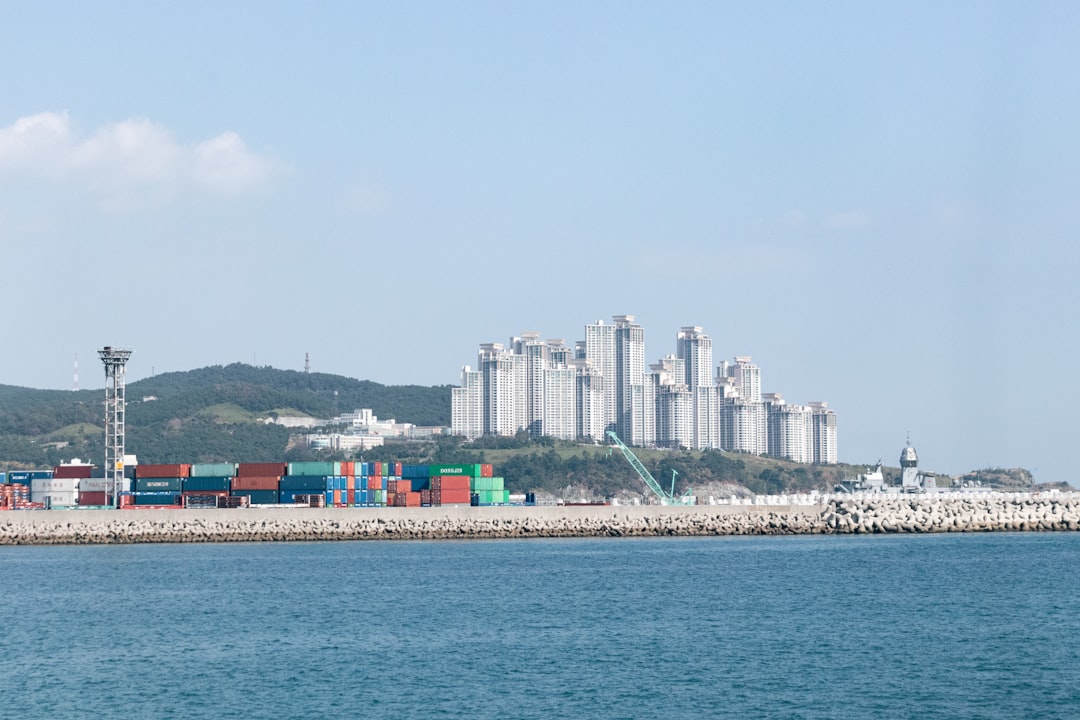
Korea’s export-driven economy has long been one of the most elegant — and fragile — machines in global trade. In 2026, that machine is running, but it’s running unevenly. According to Korea Customs Service data from early 2026, semiconductor exports — which still account for roughly 20% of total goods exports — have rebounded meaningfully after the cyclical downturn of the prior two years. DRAM and NAND flash demand, fueled by AI infrastructure buildouts globally, has given Samsung Electronics and SK Hynix a welcome tailwind.
But here’s the nuance: semiconductor strength is masking weaknesses elsewhere. Petrochemical exports remain under pressure from Chinese overcapacity, steel shipments face headwinds from global green trade tariff frameworks, and the auto sector — while still solid — is navigating a complex EV transition that’s reshaping supply chain relationships with traditional partners.
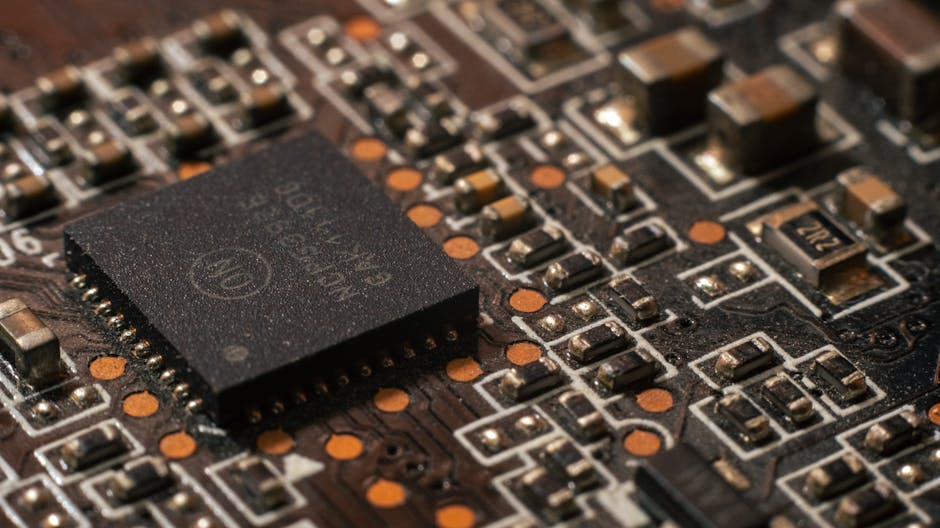
- Semiconductors: Recovery driven by AI server demand; HBM (High Bandwidth Memory) chips are a particular bright spot for Korean chipmakers in 2026.
- Automobiles: Hyundai and Kia maintain strong global market share, but EV platform investment pressure is weighing on near-term margins.
- Petrochemicals: Structural oversupply from China continues to compress export prices, particularly in Southeast Asian markets.
- Steel & Shipbuilding: Shipbuilding is actually a relative winner — LNG carrier and container ship orders remain robust, providing multi-year revenue visibility.
- Display panels: Ongoing pressure from Chinese competitors, though OLED technology maintains a Korean premium edge.
The Macro Environment: Three Forces Shaping the Outlook
When we zoom out to the macroeconomic frame, three forces are doing most of the heavy lifting — or pushing back — on Korea’s export trajectory in 2026.
1. The U.S. Demand Pulse. The United States remains Korea’s second-largest export destination after China, and U.S. consumer and capital spending trends matter enormously. In 2026, the U.S. economy has cooled from its post-pandemic frenzy but avoided a hard recession, settling into what economists are calling a “soft plateau” — low but positive growth. For Korea, this means stable but not spectacular demand from American buyers, particularly for tech goods and EVs.
2. The China Complexity. China is simultaneously Korea’s largest trading partner and its most formidable competitor. In 2026, bilateral trade with China remains under structural pressure as Chinese domestic industries continue to move up the value chain, competing directly with Korean intermediary goods. The dependency that once seemed advantageous now demands strategic recalibration. Korea’s trade surplus with China — which was a defining feature of its economic model for decades — has effectively evaporated.
3. The Won’s Volatility Factor. The Korean won has been one of the more volatile major Asian currencies in the current cycle. A weaker won helps exporters on paper (making goods cheaper for foreign buyers), but it inflates import costs — particularly for energy — and creates serious hedging challenges for businesses without sophisticated treasury operations. The Bank of Korea’s policy rate decisions in 2026 are being watched closely precisely because of this tension between supporting growth and managing currency stability.
Domestic and International Case Studies Worth Watching
Let’s ground this in some real examples, because data only tells part of the story.
Domestically, POSCO’s pivot toward “green steel” — using hydrogen-based direct reduction processes — is a fascinating case study in how Korean heavy industry is trying to future-proof against European carbon border adjustment mechanisms (CBAM). The upfront investment is enormous, but the strategic logic is sound: if you’re going to export to markets that price carbon seriously, you need to decarbonize or accept permanent margin compression. POSCO’s 2026 capex allocation reflects exactly this kind of long-duration bet.
On the SME side, Korean beauty and consumer goods exporters (the K-beauty segment) continue to outperform, diversifying Korea’s export basket in a meaningful — if still small — way. Markets in Southeast Asia, the Middle East, and even Latin America are showing strong demand for Korean cosmetic and personal care brands, offering a counter-narrative to the heavy-industry export story.
Internationally, look at how Taiwan’s semiconductor industry is navigating similar challenges — heavy U.S. investment pressure (TSMC’s Arizona expansion), geopolitical risk exposure, and domestic talent pipeline concerns. Korea’s semiconductor giants face a structurally analogous situation with their U.S. fab investments (Samsung’s Texas facility, SK Hynix’s U.S. packaging partnership), and the policy learnings from Taiwan’s experience are directly applicable.
Realistic Alternatives and Strategies Worth Considering
So what does this all mean if you’re thinking about this from a practical standpoint — whether as an investor, a business operator, or just someone trying to understand where Korea’s economy is heading?
First, don’t over-index on any single sector narrative. The semiconductor rebound is real, but treating it as a one-size-fits-all signal for Korean economic health is a mistake. The divergence between sector performance is actually unusually wide in 2026, and that divergence matters.
Second, the geographic diversification story is more important than ever. Korean exporters who have been building relationships in India, Vietnam, and the broader ASEAN region — rather than remaining over-reliant on China — are finding that diversification paying off in 2026. This isn’t a new insight, but the execution gap between companies that embraced it early and those that didn’t is now clearly visible in earnings data.
Third, for those monitoring Korea from a macro investment lens, the current account balance and export volume data (rather than just value) deserve close attention. Currency effects can distort the value figures significantly; watching actual shipment volumes gives you a cleaner read on real demand conditions.
Finally, the structural question for Korea’s export economy in 2026 and beyond is really about value-chain positioning. The middle-ground of being a high-quality intermediate goods supplier is under pressure from both sides — commodity producers moving up and technology leaders moving down. Korea’s best companies are responding by doubling down on technological differentiation. That’s the right instinct, even if the timeline is longer than markets sometimes want.
Korea’s export story in 2026 isn’t a simple boom or bust — it’s a genuine inflection point, and how the country navigates the next few years will define its economic character for a generation.
Editor’s Comment : What strikes me most about Korea’s macro moment in 2026 is that the challenges are actually clarifying. The era of coasting on China demand and semiconductor cycles is definitively over, and that’s forcing the kind of strategic reckoning that Korea’s industrial policy has needed for years. Painful? Absolutely. But the companies and policymakers who lean into this transition rather than resist it are the ones worth watching closely.
태그: [‘Korea export economy 2026’, ‘Korean macroeconomic outlook’, ‘semiconductor exports Korea’, ‘Korea trade policy’, ‘Korean won exchange rate’, ‘Korea China trade relations’, ‘Korean economic forecast 2026’]
Leave a Reply