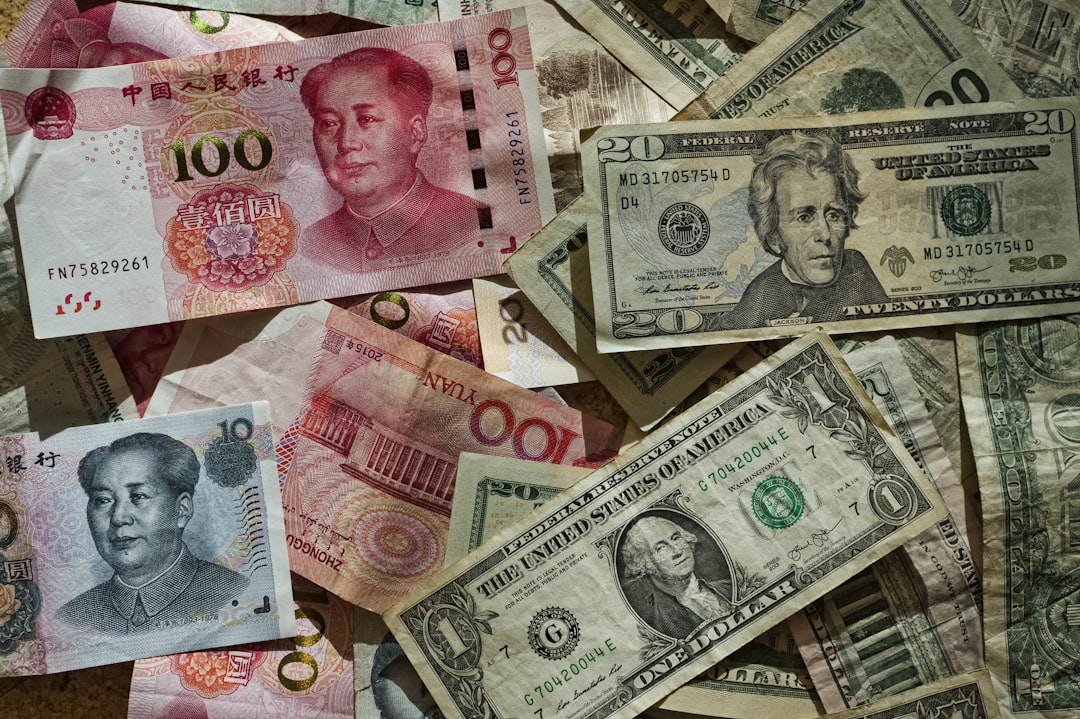
먼저 현재 상황부터. USD/KRW 환율은 2026년 4월 23일 기준 1,480.51원으로 전 거래일 대비 0.12% 상승했다. 최근 한 달 기준으로는 원화가 1.03% 강세를 보였지만, 지난 12개월 누적으로는 3.46% 하락(원화 약세)한 상태다.
올해 들어 환율 흐름을 데이터로 보면 이렇다. 2026년 연중 최고 환율은 3월 26일의 1,509.37원, 연중 최저는 2월 25일의 1,427.90원이며 2026년 평균 환율은 약 1,463.75원을 기록 중이다.
원화는 달러당 1,480원 근방에서 거래되며, 높은 유가와 강달러 기조 속에 압박을 받고 있다. 중동 분쟁으로 인한 유가 상승이 한국의 수입 비용을 높이고, 달러 수요를 구조적으로 강화시키고 있다.
📌 2. 원화는 왜 이렇게 약한가? 구조적 원인 해부
“달러 인덱스도 안 오르는데 왜 원화만 빠지냐”는 질문을 많이 받는다. 이게 핵심이다.
달러 인덱스는 100 이하를 유지했음에도 원-달러 환율은 1,479.9원까지 치솟았는데, 이는 국제적인 달러 강세가 아닌 상황에서도 원화만 유독 약세를 보인 것이다.
그 원인들을 해부해보면:
① 서학개미의 해외 자금 유출
개인 투자자들의 해외 투자 증가도 환율 상승의 주요 원인이다. 서학개미의 해외 투자 규모는 약 306조 원에 달하며, 9월 이후 매달 50억 달러 이상이 해외로 순매수되고 있다.
② 한-미 금리 차 확대
현재 미국 기준금리는 연 3.75~4.00%, 한국은 2.5%로 격차가 최대 1.5%p에 달한다. 이 격차로 인해 외국인 자금이 국내에서 유출돼 원화 약세를 부추기고 있다.
③ 대미 투자 약속 부담
트럼프 행정부와의 관세 협상에서 한국이 3,500억 달러 규모, 매년 최대 200억 달러의 대미 투자를 약속한 것도 원화 약세의 원인으로 꼽힌다. 이는 일본, 대만의 화폐가치 약세와도 일맥상통하는 요인이다.
④ 지정학적 리스크
지정학적 불확실성이 안전자산 수요를 지속적으로 유지하고 있으며, 높은 유가도 수입 관련 달러 수요를 통해 원화에 지속적인 부담을 주고 있다.
⑤ 원화의 구조적 약세 우려
FDI(외국인직접투자) 유출에 따른 자본수지 적자에도 불구하고, 장기적으로 통화가치는 해당 국가의 경제력 차이에 귀인하는 만큼 저성장 구조 속 둔화하는 한국의 잠재성장률을 고려 시 고환율 구조가 고착화될 수 있다는 우려가 제기된다.
📌 3. 기관별 2026 환율 전망 비교표
자, 이제 본론. 각 기관이 2026년 달러-원 환율을 어떻게 보고 있는지 한눈에 정리했다.
기관/출처
2026년 평균 전망
2026년 하반기 전망
방향성
핵심 근거
ING THINK
~1,400원대
1,400원 내외 (뉴노멀)
📉 원화 소폭 강세
Fed 금리인하 + WGBI 편입 효과
BofA (뱅크오브아메리카)
하락 추세
달러 약세 지속 전망
📉 원화 강세
글로벌 달러 약세 + 채권지수 편입
삼일PwC 경영연구원
변동성 유지
상반기 강세→하반기 둔화
⚖️ 중립~약세
수출 둔화, 내수 회복 속 고환율 고착화 우려
CoinCodex
1,652.95원
최대 1,799원 가능
📈 원화 약세 심화
기술적 모델 기반 예측
LongForecast
~1,450~1,480원
12월 1,447원
⚖️ 등락 반복
월별 기술 분석 모델
Traders Union
1,397~1,474원
12월 1,395~1,452원
📉 소폭 원화 강세
통계 모델 + 기술적 지표
MidForex (AI)
1,470.23원
1,462~1,477원
⚖️ 보합
AI 분석 기반
※ 위 표는 각 기관의 공개된 전망 자료를 기반으로 정리한 것으로, 실제 환율과 다를 수 있습니다. 투자 참고용으로만 활용하세요.
ING는 2026년 Fed의 추가 금리 인하와 4월부터 시작된 WGBI 편입 효과로 상반기 원화가 소폭 강세를 보일 것으로 전망했지만, 한국 기관들의 미국 자산 투자 확대라는 구조적 자금 유출이 원화 강세를 제한하는 변수로 작용할 것이라고 분석했다.
뱅크오브아메리카(BofA)는 글로벌 달러 약세 전망과 WGBI 편입에 따른 균형 잡힌 포트폴리오 흐름을 근거로 2026년 내내 USD/KRW가 하락 추세를 이어갈 것이라는 전망을 유지하고 있다.
반면 CoinCodex는 2026년 달러-원 환율 범위를 1,488.57원~1,799.16원으로 예측하며, 연 평균 1,652.95원을 제시해 훨씬 비관적인 시나리오를 내놓았다.
📌 4. 원화 약세를 부추기는 숨겨진 변수들
🔴 미국 재무부의 ‘환율 관찰 대상국’ 재지정
2026년 1월 30일, 미국 재무부는 한국을 ‘환율 관찰 대상국’으로 재지정하면서, 1,500원에 육박했던 원-달러 환율이 한국의 강한 경제 기초여건과 부합하지 않는다는 평가를 내놓았다.
🔴 소비자 심리 악화
소비자 신뢰가 2025년 5월 이후 최저 수준으로 떨어졌으며, 제조업과 금융 여건 모두 침체된 상태를 유지해 자본 유입에 대한 지원을 제한하고 있다.
🔴 수출 둔화 + 수입 물가 상승의 이중고
유가 약세가 지속되며 인플레이션이 안정화되고 있지만, 높은 원-달러 환율에 따른 수입물가 상승은 위험 요인으로 남아 있으며, 한국 경제는 2% 내외의 완만한 성장에 그칠 것으로 전망된다.
🟡 긍정적 변수: 한국 1분기 GDP 서프라이즈
한국 경제는 2026년 1분기에 예상을 뛰어넘는 1.7% 성장을 기록, 가장 빠른 성장 속도를 나타냈다. 이 수치가 외국인 자금 유입의 불씨가 될 수 있다.
🟡 긍정적 변수: WGBI 편입 + 한은의 환율 방어 의지
2026년 상반기, 추가적인 Fed 금리 인하와 WGBI 편입 효과로 원화가 소폭 강세를 보일 것으로 전망되지만, 상반기 이후 두 중앙은행의 완화 사이클이 종료되면 한-미 금리 역전이 다시 원화 약세 압력을 가할 수 있다.
📌 5. 환율 폭탄 맞기 전, 절대 하지 말아야 할 실수
❌ “환율 오르면 나중에 환전하지” — 방향성이 확실한 경우는 드물다. 분할 환전이 답이다.
❌ 해외 ETF·주식 살 때 환율 무시하기 — 달러가 1,480원일 때 사서 1,380원에 파는 순간 수익의 상당 부분이 증발한다.
❌ “원화 약세니까 수출주 무조건 산다” — 수출 둔화와 고환율이 동시에 오면 원가 압박도 같이 온다. 업종별 분리 분석 필수.
❌ 단기 예측 기관 전망 하나만 믿기 — 위 표에서 봤듯이 기관별 편차가 1,400원 vs 1,799원으로 400원 가까이 벌어진다.
❌ 외화 예금 타이밍을 ‘직감’으로 잡기 — 한국은행 자료에 따르면 3월 거주자 외화 예금이 사상 최대 월간 감소를 기록했는데, 이는 원화 약세 시기에 미리 달러로 전환한 후 시장 안정화에 따른 흐름 정상화를 반영한 것이다. 개인이 시장 타이밍을 맞추기란 사실상 불가능하다.
❌ 한-미 금리 차만 보고 결론 내리기 — 서학개미 자금 유출, 지정학 리스크, 대미 투자 약속 등 복합 변수를 함께 봐야 한다.
✅ 실전 대응법: 장기 투자자라면 달러 자산 분산 + 환헤지 상품 병행. 수출입 기업이라면 선물환 계약을 통한 환위험 잠금을 검토하라.
❓ FAQ
Q1. 2026년 하반기에 환율이 1,300원대로 떨어질 가능성은 있나요?
솔직히 말하면 낮다. 저성장과 저금리 환경이 지속될 경우 원화는 1,400원 내외에서 새로운 균형을 찾을 가능성이 높다. 1,300원대 복귀는 미국 금리가 급격히 내려가거나 한국 경기가 극적으로 반등해야 가능한 시나리오인데, 현재 컨센서스에서 그 가능성은 낮게 본다. GDP 2.0% 복귀, 반도체 수출 강세, Fed의 한은보다 빠른 금리 인하(75bp vs 25bp) 등 조건이 동시에 충족되어야 원화 변동성이 줄어들 수 있다.
Q2. 지금 환율이 높을 때 달러 예금을 드는 게 맞나요?
1,480원대는 역사적으로 높은 수준이지만, 1,800원까지 가능하다는 시나리오도 나온다. 핵심은 올인이 아닌 분산이다. 지금 당장 달러 자산 비중이 0%라면 일부 편입을 고려할 만하다. 다만 단기 트레이딩보단 12~24개월 이상의 장기 보유 관점에서 접근해야 손실 리스크를 줄일 수 있다. 일부 분석 모델은 2026년 말 USD/KRW 평균을 약 1,470원으로 추정하며, 범위는 1,462~1,477원으로 예측한다.
Q3. 원화 약세가 내 일상생활에는 어떤 영향을 주나요?
직접적인 영향은 수입 물가 상승이다. 원유, 곡물, 전자제품 부품 등 수입 비중이 높은 품목은 가격이 오른다. 고환율에 더해 저성장의 영향으로 한국의 1인당 GDP가 3년 만에 감소했다는 점에서 실질 구매력 하락이 현실화되고 있다. 해외여행, 직구 비용 상승도 체감 영향 중 하나다. 반면 수출 중심 대기업 근무자, 달러 수입원이 있는 프리랜서는 오히려 유리한 환경이다.
📌 결론: 2026 환율 한 줄 요약
기관 전망이 제각각이지만, 확실한 건 두 가지다. ① 원화의 구조적 약세 압력은 단기간에 해소되지 않는다. ② 그렇다고 1,800원 붕괴는 아직 기본 시나리오가 아니다.
1,400~1,500원 박스권에서 등락을 반복하며 여러 변수에 따라 방향이 결정될 가능성이 높다. 이 구간에서 당신의 전략이 없다면, 그냥 시장에 맞고 있는 것이다.
에디터 코멘트 : 환율 1,480원은 이제 ‘위기’가 아니라 ‘일상’이 됐다. 문제는 이걸 아는 사람이 행동하느냐, 모른 척하느냐다. 외화 예금 하나 없이 달러 자산만 쳐다보는 사람이라면, 지금이라도 포트폴리오를 점검해라. 시장은 ‘나중에 봐주지 않는다.’
A friend of mine who manages a small EM-focused fund called me late one evening, clearly rattled. He’d just watched his Turkish lira-denominated positions take a hit while simultaneously monitoring his Brazilian real exposure. “It feels like 2018 all over again,” he muttered, “but weirder.” That conversation stuck with me — because he wasn’t wrong to be nervous, but he also wasn’t entirely right about the diagnosis. The 2026 dollar-strength story is more nuanced than a simple emerging market crisis narrative. Let’s dig into the real picture together.
The Dollar’s Dual Personality in 2026
Here’s what’s actually happening at the macro level. The US dollar in 2026 reveals a currency in a position of temporary strength but with growing vulnerabilities. That’s a critical distinction — “temporary” vs. “structural.” The Fed has been the primary engine of that strength. The dollar has been elevated by geopolitical risk, oil price pressure, and the Federal Reserve holding rates at 3.50–3.75% with no cuts expected before late 2026.
But here’s the kicker — the dollar’s dominance isn’t monolithic. Tariffs create a dual effect: they strengthen the dollar by reducing imports and attracting domestic investment, but weaken it by increasing production costs and inviting trade retaliation. The net effect has been positive for the dollar in 2026. Meanwhile, despite diversification efforts, the dollar maintains approximately 58% of global reserves, according to International Monetary Fund data.
The broader trajectory, however, points toward eventual softening. The US dollar outlook for 2026 follows a peak-then-decline pattern. Near-term strength from geopolitical risk and delayed Fed cuts gives way to expected weakness in the second half of the year as rate cuts approach and safe-haven demand unwinds. And critically, most forecasts expect DXY to trade 92–98, with a bias toward the low-90s by year-end if rate cuts materialise.
How Dollar Strength Actually Hurts Emerging Markets — The IMF Data Tells a Stark Story
Let’s not sugarcoat the mechanics. The IMF has been clear on what a strong dollar does to developing economies. In emerging market economies, a 10 percent US dollar appreciation, linked to global financial market forces, decreases economic output by 1.9 percent after one year, and this drag lingers for two and a half years. That’s not a rounding error — that’s a meaningful growth shock that compounds over time.
The pain isn’t one-dimensional either. Emerging market economies also tend to suffer disproportionately across other key metrics: worsening credit availability, diminished capital inflows, tighter monetary policy on impact, and bigger stock-market declines. And there’s a critical split between “Core” and “Periphery” EM nations that most mainstream coverage misses entirely.
The median sovereign spread across Periphery EMs has increased by 45 bps to 332 bps, whereas the median spread on Core EM debt has increased by only 4 bps over the same period. That divergence is enormous — it tells you the crisis risk is highly concentrated in specific, structurally weaker economies rather than being a blanket EM problem.
The “Carry Unwind” Trap: The Hidden Risk Nobody’s Talking About
One of the sneakiest risks in 2026’s EM landscape is the carry trade crowding problem. Some investors are increasingly focused on so-called “High Carry” currencies — the currencies of countries with high interest rates and relatively stable economies. Think Mexico, Brazil, and India. These countries have kept real rates high to fight inflation.
But when everyone piles into the same trade, the exit door shrinks fast. A sudden spike in volatility can cause a “carry unwind,” where everyone rushes to sell their EM currencies and buy back dollars at once. That’s the black swan scenario EM investors need to price in — not gradual dollar strength, but a sudden, violent reversal of crowded carry positions.
Not All Emerging Markets Are Created Equal — Country-Level Breakdown
This is where sophisticated investors separate themselves from the crowd. The 2026 EM story isn’t a monolith. Growth projections indicate emerging markets will reach 3.9% in 2026, up from 3.7% in 2025. However, Southeast Asia and Middle East expansion contrasts sharply with subdued Latin America and Eastern Europe performance.
Turkey is a particularly cautionary tale. Turkey occupies a difficult middle ground. While not in crisis, it faces persistent inflation, slower reform momentum, and structural constraints that limit forward movement. Meanwhile, sovereign bond issuance should reach approximately $260 billion, with Türkiye facing the largest financing needs.
On the flip side, the structural reform story in many Core EMs is genuinely compelling. Historically, EMs had little option but to issue debt primarily in U.S. dollars (the so-called “original sin”), exposing their public finances to exchange rate movements. Core EMs gradually expanded their domestic capital markets and broadened their local investor base, enabling governments to issue a larger share of debt in domestic currency.
And here’s a fact that reframes the whole crisis narrative: In 2025, the EM sovereign default rate was 0%, and analysts are anticipating 2026 will also be a benign year for sovereign defaults.
What the Research Houses Are Actually Saying in 2026
Let’s look at what major institutional voices are positioned around right now:
PineBridge Investments: Expects a continuation of resilient exports, declining inflation, and accommodative monetary policy in 2026, suggesting EM can not only deliver carry-driven returns but also outperform other public bond markets.
Morgan Stanley: EM debt was supported by a weakening U.S. dollar, easing monetary policy by many EM central banks, and tightening credit spreads. Looking ahead, robust investor demand for non-dollar assets and EM real yields that continue to exceed those in developed markets are driving a constructive 2026 outlook.
Janus Henderson: Uncertainty appears to have weighed more heavily on the US than on the rest of the world, signalling that markets are beginning to differentiate between types of volatility rather than reflexively treating EM as the weakest link — a positive structural development for the asset class.
AllianzGI: Many emerging market countries enjoy strengthening policymaking frameworks and generally stable politics, leading to improved macro fundamentals and sovereign credit rating upgrades — contrasting sharply with policy uncertainty in developed countries, notably the US.
LPL Research: After a stellar 2025 in which emerging market equities returned 34%, 2026 is off to a good start with the MSCI EM Index up 7% year to date.
CreditSights: Sovereign spreads appear uncomfortably tight despite strong fundamentals, meaning mean-reversion risks are intensifying. However, FX reserves strengthen to 135% short-term debt coverage, limiting balance-of-payments crisis risks significantly.
William Blair: Attractive valuations suggest room for currency appreciation, as the U.S. dollar remains in overvalued territory. EM currencies are expected to perform well against the dollar and currencies of other developed markets.
The Shifting Safe-Haven Paradigm — A Structural Signal
Perhaps the most underappreciated story of 2026 is how the dollar’s role as a crisis currency is evolving. The US dollar is losing its traditional crisis premium as investors diversify safe-haven assets amid geopolitical tensions and evolving global market dynamics. The weakening dollar amid geopolitical tension signals a shift in how investors view safe-haven assets.
This matters enormously for EM investors because historically, any global shock triggered a reflexive dollar rally that crushed EM assets. Recent US-centric volatility — highlighted by the ‘Liberation Day’ tariff announcement — has spurred a global search for diversification that is likely to persist. The old playbook of “crisis = sell EM, buy USD” is being quietly retired.
Realistic Strategies for Navigating This Landscape
So what do you actually do with all this? The binary choice of “EM is in crisis, sell everything” vs. “EM is booming, buy everything” is a false dichotomy. Here’s what the data supports:
Selective country allocation over broad EM exposure: The opportunity lies in identifying countries that combine scale, geopolitical balance, capital strength, and technological adaptability. In this environment, broad allocation is less effective than targeted selection.
Hedge your carry positions: With carry trades crowded in Brazil, Mexico, and India, have a defined stop-loss framework. The exit during a carry unwind is never orderly.
Diversify into local currency EM debt: A combination of rate cuts, central bank credibility, and a weaker USD will continue to be key in driving local currency debt returns. A continued downtrend in the US dollar should provide a tailwind — EM currencies remain undervalued versus the dollar.
Watch for Fed pivot timing: Global interest rates remain a critical factor. If major central banks, especially the US Federal Reserve, continue to gradually ease rates, this could support capital flows into emerging markets as investors seek higher yields.
Use currency-hedged instruments during volatility spikes: Strategies include diversification across multiple currencies, using currency-hedged ETFs, investing in commodities like gold, and holding positions in inflation-indexed bonds.
Monitor Periphery EM spreads as an early warning system: Higher spreads and downgrades raise the cost of rolling over existing debt and can limit access to external financing when funding needs are greatest.
Editor’s Comment : The “2026 dollar strength = emerging market crisis” framing is an oversimplification that could lead investors to make very expensive mistakes — in both directions. Yes, dollar strength creates real structural pain for vulnerable Periphery EM economies, and carry trade crowding is a genuine tail risk that deserves respect. But the data in 2026 is telling a more complex story: Core EMs have done the structural homework, default rates are near zero, and the dollar’s safe-haven monopoly is eroding. Rather than treating EM as a monolithic risk-on/risk-off trade, the real edge in 2026 is granular country selection, disciplined carry risk management, and positioning for the Fed’s eventual easing cycle. Don’t let the headline fear drive you out of the market entirely — but don’t get lazy with broad EM ETF exposure either. The spread between winners and losers in emerging markets this year will likely be wider than it’s been in a decade.
지인 중에 베트남 펀드에 꽤 묵혀둔 친구가 있다. 지난달 술자리에서 이런 말을 하더라. “환율이 이상한데… 내 펀드가 왜 이렇게 죽어있지?” 그 친구한테 2시간짜리 특강을 했다. 달러가 강해지면 왜 신흥국 펀드가 쪽박을 차는지, 지금 어느 나라가 진짜 위험한지, 그리고 어떻게 포지션을 잡아야 하는지. 이 글은 그날 밤 썼던 메모를 정리한 것이다. 읽기 전에 경고 하나: 이 글 읽고 나면 ‘신흥국 = 무조건 고수익’이라는 환상은 박살난다.
2026년 현재, 달러는 복합 스테로이드를 맞고 있다. 단순히 ‘미국 경제가 좋아서’가 아니다. 구조가 다르다. 이걸 이해 못하면 시장의 절반을 눈 뜨고 놓친다.
첫째, 지정학적 리스크가 안전자산 수요를 폭발시키고 있다. 중동 불안이 지속되며 투자자들이 달러로 도피하고 있고, 미국-이란 갈등, 호르무즈 해협 위기가 유가를 밀어올리면서 에너지 수입국 통화를 동시에 짓누른다. 실제로 오늘(2026년 4월 22일) 기준 서울국제금융포럼에서 전 아시아개발은행(ADB) 총재가 경고를 날렸다. “트럼프 행정부가 달러를 경제제재 수단으로 활용하고, 연방준비제도(Fed)가 한국·일본 등과 달러스와프를 꺼리면서 통화 유동성에도 문제가 초래되고 있다”는 발언이 나왔을 정도다.
둘째, ‘달러 스마일 이론(Dollar Smile Theory)’이 작동 중이다. 글로벌 경제가 위기일 때도, 미국 경제가 독주할 때도 달러는 강해진다. 지금은 동시에 두 조건이 어중간하게 겹쳐 있어서 달러가 횡보하는 척하면서 신흥국 통화를 갈아먹고 있다.
셋째, 미국의 평균 실효관세율이 약 18%로 1930년대 이래 최고 수준으로 올라갔다. 관세는 수입을 줄이고 경상수지를 개선해 달러 수요를 높이는 구조다. 교과서대로라면 달러 강세 요인이다. 그런데 역설적으로 관세 충격 직후 달러가 주요 통화 대비 급락하기도 했다. 왜? 시장이 미국 경기 침체 리스크를 더 크게 봤기 때문이다. 이 모순이 2026년 달러 시장의 핵심 긴장감이다.
넷째, 달러는 전체 글로벌 외환 거래의 약 89.2% 한 편에 항상 존재하며, IMF 기준 전 세계 외환보유고의 약 56.92%를 차지한다. 이 구조적 지배력은 단기에 사라지지 않는다. 달러가 흔들려도 ‘대체제’가 없다는 뜻이다.
💣 신흥국 위기 메커니즘 — 왜 달러 오르면 신흥국이 죽는가
달러가 강해지면 신흥국에서는 세 가지 악순환이 동시에 터진다. 이 세 가지를 동시에 맞으면 어지간한 나라는 IMF에 손 벌린다.
달러 부채 상환 부담 폭증 — 신흥국은 달러 표시 외채를 잔뜩 쌓아뒀다. 자국 통화가 약해지면 같은 달러 빚을 갚는 데 훨씬 많은 자국 화폐가 필요해진다. 아르헨티나, 이집트, 파키스탄이 대표적 사례.
자본 유출 가속화 — 미국 금리가 높으면 투자 자금이 신흥국을 탈출해 미국으로 도망친다. 신흥국 중앙은행이 금리를 올려 막으려 하면 경기가 죽고, 그냥 두면 통화가 더 약해진다. 진퇴양난.
수입 물가 급등·인플레이션 유발 — 원자재를 달러로 사야 하는 에너지 수입국들은 유가+달러 강세의 이중 펀치를 맞는다. 국내 물가가 뛰고 중앙은행은 금리 인상 압박을 받는다.
커런시 전략가들은 이 현상을 ‘달러 스마일’이라고 부른다. 미국 경제가 잘나갈 때도, 글로벌 리스크가 터질 때도 달러는 웃는다. 그리고 그 웃음의 피해자는 언제나 달러 표시 부채를 짊어진 신흥국이다.
🌍 2026 국가별 위험도 비교표 — 어디가 제일 위험한가
아래 표는 2026년 4월 기준 주요 신흥국의 달러 강세 취약도를 핵심 지표로 정리한 것이다. ‘위험도’는 외채 규모, 경상수지, 외환보유고, 인플레이션을 종합 반영한 주관적 평가다.
국가
달러 표시 외채 비중
경상수지
2026 성장률 전망
위험도
주요 리스크
🇦🇷 아르헨티나
극히 높음
적자
불안정
🔴 최고위험
외채 만기, 초인플레이션
🇵🇰 파키스탄
높음
만성 적자
2~3%
🔴 고위험
IMF 의존, 정치 불안
🇹🇷 터키
높음
적자
3~4%
🟠 중고위험
지속 인플레이션, 개혁 지연
🇧🇷 브라질
중간
소폭 적자
~3%
🟡 중위험
고금리 유지, 재정적자
🇮🇳 인도
낮음
소폭 적자
6%+
🟢 저위험
견조한 내수, 미국과 마찰
🇻🇳 베트남
낮음
흑자 기조
6%+
🟢 저위험
공급망 이전 수혜, 환율 관리
🇲🇽 멕시코
중간
소폭 적자
~2%
🟡 중위험
미국 관세 직격탄, 니어쇼어링 기대
※ 위 평가는 공개 데이터 기반 주관적 분석이며 투자 권고가 아닙니다.
주목할 포인트는 인도와 베트남이다. 두 나라는 달러 강세 국면에서도 6%대 고성장을 유지하며 아시아 신흥국 성장을 견인하고 있다. 반면 터키는 블랙록 전 이머징마켓 총괄이 “위기는 아니지만 지속적 인플레이션과 개혁 지연으로 전진이 제한된다”고 명시적으로 지적했다.
🇰🇷 한국은 신흥국인가? 원화·환율 현황 정밀 분석
한국은 공식적으로 선진국이지만, 환율 민감도만 보면 사실상 신흥국 프리미엄을 달고 다닌다. 2026년 4월 22일 기준 원/달러 환율은 약 1,486원이다. 외환위기 이후 월평균 기준 최고 수준이었던 1,470원대를 돌파해 이미 새로운 영역에 들어와 있다.
지금 원화를 짓누르는 힘은 하나가 아니다. 유가 상승과 달러 강세가 동시에 에너지 수입국인 한국 경제를 압박하고 있고, 중동의 지속적인 지정학적 불확실성 속에서 통화는 압박을 받는 상황이다. 한국은행 관계자들은 원화의 과도한 변동성이 바람직하지 않다고 재차 강조하면서 신중한 정책 태도를 유지하고 있다.
더 구조적인 문제도 있다. 한국 개인 투자자(서학개미)들의 해외 주식 투자 규모가 약 306조 원에 달하고 있으며, 매달 50억 달러 이상이 꾸준히 해외로 빠져나가는 구조가 고착화됐다. 과거엔 수출로 벌어들인 달러가 국내에 유입됐지만, 지금은 들어온 달러가 해외 주식 투자로 다시 탈출한다. 수출 흑자 + 자본 유출의 기묘한 공존이다.
현재 미국 기준금리는 연 3.75~4.00%, 한국은 2.50%로 금리 격차가 최대 1.5%p에 달한다. 이 격차가 외국인 자금 유출을 부추기며 원화 약세를 심화시키고 있다. 삼일PwC경영연구원은 한-미 금리차 축소와 점진적 불확실성 완화 등으로 원/달러 환율이 다소 하락할 전망이라면서도, 세계 무역환경 악화 및 자본유출 우세 지속 시 높은 수준의 원/달러 환율이 고착화될 가능성도 배제하지 않았다.
한국은행 전 총재는 이 상황을 “전통적인 금융위기는 아니지만, 위기라 할 수 있고 걱정이 심하다”고 표현했다. 그러면서도 “국가 부도 위험이 있는 금융위기는 아니다”라며 선을 그었다. 그리고 전 금융감독원장 윤석헌 씨는 “과거의 경험으로 가늠하기 어려운 국면”이라며 지금의 환율 흐름을 단순한 변동성 문제가 아닌 구조적 상승 국면으로 봐야 한다고 강조했다. 이게 핵심이다. 단순히 환율이 왔다갔다 하는 게 아니라, 1,400~1,500원대가 새로운 기준점이 될 수 있다는 이야기다.
📉 실패 방지 가이드 — 달러 강세 시대에 절대 하면 안 되는 투자 실수 7가지
❌ 신흥국 펀드를 ‘장기 투자’라는 이름으로 방치하기 — 달러 강세 사이클 동안 이머징 마켓 ETF(EEM 등)는 달러 환차손을 고스란히 입는다. 방치는 곧 손실이다.
❌ 터키·아르헨티나·파키스탄 같은 고위험 신흥국 채권을 ‘고금리’만 보고 매수하기 — 표면금리 20%도 통화가 30% 폭락하면 실질 손실이다. 이자를 먹기 전에 원금이 녹는다.
❌ 달러 인덱스(DXY)만 보고 원화·아시아 통화 판단하기 — 2026년처럼 DXY는 100 이하인데 원화만 약세를 보이는 ‘탈동조화’ 현상이 발생한다. DXY는 이미 체크포인트의 절반도 안 된다.
❌ 달러 강세라고 미국 주식만 몰빵하기 — 달러 강세가 해외 수익의 ‘환산 역풍(translation headwind)’을 만들어 미국 다국적 기업의 실적을 갉아먹는다. S&P 500 기업의 40% 이상은 해외 매출 비중이 크다.
❌ 신흥국 캐리 트레이드를 무조건 따라 하기 — 달러가 약해질 것을 기대해 멕시코 페소, 브라질 헤알에 베팅하는 전략은 갑작스러운 변동성 급등 시 ‘캐리 언와인딩’으로 한 방에 날아간다.
❌ 환헤지 없이 해외 채권 ETF 매수하기 — 원화 약세 시대에 해외 채권의 현지 통화 수익률이 아무리 좋아도, 환헤지 안 된 상품은 환율 변동으로 수익이 증발한다.
❌ ‘신흥국 모두 같다’고 뭉뚱그려 판단하기 — 인도·베트남 같은 성장 신흥국과 아르헨티나·파키스탄 같은 부채 신흥국은 전혀 다른 자산 클래스다. 이머징마켓이라는 이름 하나로 묶으면 바보짓이다.
❓ FAQ — 독자들이 가장 많이 물어보는 질문 3가지
Q1. 2026년 하반기에도 달러 강세가 계속될까요?
단기적으로는 지정학적 리스크와 연준의 금리 동결 기조가 달러를 받쳐주고 있다. 하지만 대부분의 시장 전망(블룸버그 컨센서스 포함)은 ‘상반기 강세 → 하반기 약세’의 패턴을 예상하고 있다. DXY는 연간 92~98 범위를 예상하며, 연준이 연내 금리 인하를 단행하면 달러 약세 전환이 빨라진다. 단, 중동 확전이나 미국-이란 전쟁 격화 시 달러 인덱스가 105까지 튀어오를 수 있다는 경고도 있다. 지정학 변수를 절대 무시하지 마라.
Q2. 달러 강세 국면에서 신흥국 ETF를 들고 있어야 하나요, 팔아야 하나요?
일괄 청산보다는 ‘나라 선별’이 답이다. 인도·베트남처럼 경상수지가 건전하고 내수 성장이 뒷받침되는 국가는 달러 강세 충격을 흡수하는 완충지대가 있다. 반면 터키·아르헨티나·파키스탄처럼 달러 부채 비중이 높고 경상수지가 만성 적자인 나라의 자산은 달러 강세 사이클에서 위험을 감수할 프리미엄이 없다. ‘이머징마켓 ETF’ 하나로 다 묶지 말고, 국가별로 쪼개서 판단해라.
Q3. 원화 약세가 계속되면 한국 투자자는 어떻게 대응해야 하나요?
달러 자산 비중을 전략적으로 늘리는 것이 핵심이다. 미국 국채 ETF, 달러 예금, 금(Gold) ETF 같은 달러 표시 또는 달러 역방향 자산을 포트폴리오에 10~30% 편입하는 전략이 실질 구매력을 방어한다. 단, 원화가 일정 수준 이상 절하되면 한국 수출 기업(반도체·자동차)의 가격 경쟁력이 높아져 수혜를 받는다. 원화 약세를 단순히 악재로만 볼 게 아니라, 국내 수출주 편입 기회로도 봐야 한다.
✅ 결론 — 한 줄 평과 에디터 코멘트
2026년 달러 강세는 ‘잠깐 왔다 가는 손님’이 아니다. 지정학, 관세, 금리 구조, 안전자산 수요가 복합적으로 얽혀 있어서 하반기 약세 전환 시나리오조차 낙관하기 어렵다. 특히 달러 표시 외채를 잔뜩 쌓은 신흥국들에게 지금은 ‘조용한 대학살’이 벌어지는 시간이다. 한국은 그 중간 어딘가에 위치해 있다 — 공식 선진국이지만, 원화는 신흥국 수준의 취약성을 보이고 있다.
에디터 코멘트 : 달러가 강하다고 무조건 달러 예금만 쌓는 건 반쪽짜리 전략이다. 어디의 달러 부채가 폭발할지, 어느 신흥국이 그 충격을 버텨낼 펀더멘털을 갖고 있는지를 구분하는 눈을 키우는 게 2026년 진짜 투자 알파다. 전부 무섭다고 현금만 들고 있으면, 달러 강세가 끝날 때 오히려 더 큰 기회를 날린다.
A friend of mine — a seasoned portfolio manager based in Seoul — called me in a mild panic back in early 2026. He’d built a sizable position in industrial metals as part of his commodity allocation, but a sudden spike in Middle East tensions sent prices whipsawing in both directions within a single week. “I thought I had it figured out,” he said. “But the market humbled me fast.” That conversation stuck with me, and honestly, it’s exactly why I wanted to dig into this topic properly. Commodity investing is simultaneously one of the most exciting and punishing arenas in global markets — and in 2026, the stakes have never been higher.
So let’s think through this together. Whether you’re a retail investor dabbling in commodity ETFs or a portfolio manager navigating exposure across energy, metals, and agriculture — having a clear, data-driven risk management framework isn’t optional anymore. It’s survival gear.
Why 2026 Is a Particularly Tricky Year for Commodity Investors
Continued uncertainty around GDP growth, compounded by unclear future demand from data centers and AI, is affecting commodity prices as supply-and-demand fundamentals become harder to match. On top of that, volatility in several commodity markets is further amplified by the growing frequency of adverse weather events.
From a macro perspective, high interest rate conditions persisting over the long term, the normalization of geopolitical risks, and supply chain restructuring efforts are all delivering unpredictable volatility to commodity markets. And if you’re watching the energy sector specifically, the acceleration of the energy transition to address climate change is explosively increasing demand for certain raw materials, while presenting new challenges for traditional commodity markets.
On the institutional side, McKinsey’s latest research confirms that overall returns in the commodity trading space have dropped significantly since 2023, meaning even the pros are feeling the squeeze. The majority of those that banked record profits excelled in one critical area: balancing the classic risk triangle of market, credit, and liquidity risks, as well as working capital.
The Four Core Risk Types You Must Understand
Before we get into strategies, let’s establish what you’re actually managing against. Although risks vary depending on industry, each industry can experience four different types of risk: price risk occurs with adverse movement in world prices and exchange rates; quantity or volume risk occurs with a shortage in consumption or sourcing of the commodity; cost risk occurs when a business adjusts their costs of services due to price increases; and political risk, also considered regulatory risk, occurs when law or regulations affect pricing of a commodity.
In practice, due to the sheer volatility of commodity prices — which some industries experience as a 70% swing in average price in a single year — organizations in affected industries dedicate entire departments to commodity risk management. That’s not a scare tactic; that’s just the reality of this asset class.
Strategy 1: Hedging with Derivatives — Your First Line of Defense
Derivatives contracts, such as futures, options, and swaps, are fundamental tools for managing price risks in commodity trading. By entering into a futures contract, a trader can lock in a price for a commodity at a future date, thus hedging against potential price volatility that could adversely affect profit margins.
Options provide the right, but not the obligation, to buy or sell a commodity at a predetermined price, offering another layer of protection against unfavorable price movements. Swaps allow traders to manage fluctuating commodity prices by exchanging cash flows with another party, which can be particularly useful in markets subject to significant price swings.
From a corporate hedging standpoint, hedges create stability and enable a business to better forecast and manage their margins — in turn, decision-makers can worry less about negative price swings and focus more on core business needs and future investments. Hedges last for specific periods and apply to certain percentages of commodity transactions performed in that time, with companies often having multiple hedges in place at varying terms.
Strategy 2: Diversification — The Classic Prescription That Still Works
Diversification is a critical risk management technique that spreads investments across various commodities to reduce exposure to any single market’s volatility. By allocating capital to different commodity groups — such as energy, agricultural products, and precious metals — traders can mitigate the impact of a downturn in one sector on their overall portfolio.
Want to level it up further? Diversification is enhanced by incorporating non-commodity assets, such as equities or bonds, creating a more resilient investment profile against market uncertainties. In the Korean retail investing context, ETFs are recognized as the most flexible investment tool in volatile markets. Energy and commodity ETFs linked to international crude oil (WTI) and natural gas prices provide the clearest return benchmarks when geopolitical tensions persist.
Strategy 3: Supply Chain Risk Assessment and Geopolitical Monitoring
Supply chain risk assessment is vital in recognizing and alleviating risks that could disrupt the availability and cost-efficiency of commodities. This is no longer just a concern for manufacturers — even financial investors need to track it. Traders limit credit risk through financial partnerships and manage sovereign risk by assessing counterparties and geopolitical conditions.
In 2026, geopolitics is the wildcard. Geopolitical risk is the most powerful variable capable of triggering supply chain disruption and causing sudden price spikes in specific commodities. The prolonged war in Ukraine, escalating tensions in the Middle East, and policy changes in major resource-exporting nations are representative examples.
Strategy 4: The AI-Powered Risk Intelligence Revolution
This is where things get genuinely exciting for traders in 2026. The AI transformation could rewire how commodity trading companies operate and enable those embracing it to create more value. Strengthening critical capabilities, including access to capital and risk steering, data analytics, market intelligence, and attraction of top talent — is now the central strategic mandate for serious players.
The Oliver Wyman perspective is equally sharp: you can see correlations, and you can potentially hedge out some of those very high uncertainties currently seen from the regulatory environment, the price environment, and geopolitical factors that could affect investments — particularly green investments with long lead times and a lot of risk around future cash flows.
2026 Commodity Outlook: Key Sectors to Watch
The 2026 global commodity market is in a phase where volatility and opportunity coexist. The overall trend across precious and non-ferrous metals continues the bullish streak from the previous year, but as price outlooks and risk factors differ by commodity, the strategic choices of investors and companies have become critically important.
On gold: international financial institutions’ forecasts for gold prices in 2026 remain at high levels, with some institutions presenting upward projections of up to $5,400 per ounce by year-end, emphasizing structural strength on the demand side.
On critical minerals: the acceleration of the energy transition is creating unprecedented demand for copper, lithium, nickel, cobalt, and other critical minerals. These minerals, essential for EV batteries and renewable energy infrastructure, are securing long-term growth drivers alongside concerns about supply shortages.
Key Risk Management Principles — A Quick-Reference Summary
Hedge systematically, not emotionally: one of the most effective ways to manage commodity price risk is through futures and options. Futures contracts guarantee prices for future dealings, whereas options contracts give traders the right, but not the obligation, to buy or sell commodities at a predetermined price, limiting potential losses.
Diversify across commodity classes AND asset types: mix energy, agriculture, and precious metals, and blend in bonds or equities as a buffer.
Monitor macro indicators constantly: primary analysis integrates a wide range of factors, events, and data filtered through economic and political lenses to measure the existing supply and demand.
Use Value-at-Risk (VaR) frameworks: a robust risk management system should enable a company to effectively monitor and control its exposure, accurately assess value at risk, and maintain an appropriate risk appetite.
Invest in AI-driven analytics: real-time correlation tracking and predictive modeling are no longer a luxury — they’re a competitive necessity.
Balance the risk triangle: players in the most mature stage take a more deliberate approach, integrating risk capital into their broader steering and target-setting process.
Adopt a scenario-based approach: in a positive scenario, global economic recovery accelerates and key mineral and industrial metal companies could show broad strength; in a negative scenario, global recession deepens and gold preference as a safe haven rises further.
A Realistic Alternative for Individual Investors
Look — not everyone has access to a derivatives desk or a Bloomberg terminal. If you’re an individual investor feeling intimidated by futures and swaps, that’s completely understandable. The good news? You don’t need to go full institutional. Investors need to carefully manage their exposure to commodity price risks through diversification, hedging strategies, and constant market analysis — and all three of these can be approached at a retail level through commodity ETFs, multi-asset funds, and disciplined position-sizing rules.
Focusing on companies with strong financial health, a sustainable business model (especially ESG management), and those positioned to benefit from long-term mega-trends like the energy transition is critically important. Think of it less as “trading raw materials” and more as “building resilient exposure to the physical economy.”
Editor’s Comment : The single biggest mistake I see commodity investors make in 2026 is confusing price opinion with risk management. Knowing that oil “should” go up doesn’t protect you when it gaps down 8% overnight due to a surprise diplomatic development. Risk management isn’t about being right — it’s about staying in the game long enough to be right. Start with diversification and basic position limits, layer in ETF-based hedges as you grow more confident, and always — always — keep an eye on the geopolitical calendar. The commodity market rewards the prepared and punishes the complacent. Play it smart.
지인이 카톡을 보내왔다. “형, 나 구리 ETF 50% 물렸어. 어떡해.” 그 친구, 원자재 투자 시작한 지 딱 3개월 됐을 때 얘기다. 공부는 유튜브 쇼츠 몇 개, 매수 버튼은 자신만만하게 눌렀다고 했다. 리스크 관리? 그게 뭔지 물어보니 “손절매 안 하면 되는 거 아니야?” 라는 답이 돌아왔다.
2026년 원자재 시장은 솔직히 말해서 ‘초심자 학살 구간’이다. 중동 분쟁 장기화, 미국 관세 폭탄, 호르무즈 해협 봉쇄 위협까지. 변동성이 이렇게 높았던 시장이 최근 기억 속에 있던가? 그냥 ‘좋아 보여서’ 들어갔다간 포트폴리오 반 토막 나는 건 시간 문제다. 이 글은 그걸 막아주기 위한 실전 가이드다.
일단 지금 어떤 판인지부터 파악해야 한다. 감으로 투자하면 안 된다는 말 귀에 딱지 앉도록 들었지? 그럼 데이터부터 보자.
금(Gold): 금 시장은 2025년 기록적 상승세 이후에도 강세 기조가 유지되는 양상이다. 국제금융기관과 시장 조사에서 2026년 금 가격 전망치가 여전히 높은 수준에 머물고 있으며, 일부 기관은 연말 기준 온스당 5,400달러까지의 상향 전망을 제시하며 수요 측면의 구조적 강세를 강조했다. 중앙은행이 계속 금을 사들이고 있고, ETF 자금도 몰리고 있다. 이게 단순 테마가 아니라 구조적 강세라는 뜻이다.
원유(WTI/Brent): Brent와 WTI 커브의 2026년 후반~2027년 초 구간에 롱 포지션이 설정됐으며, 2026년 12월 목표가로 WTI 95달러, Brent 100달러가 제시되고 있다. 호르무즈 리스크가 현실화되면서 단순 방향성 매매가 아닌 정교한 커브 전략이 필요해진 시점이다.
구리·리튬 등 핵심 광물: 에너지 전환 가속화는 구리, 리튬, 니켈, 코발트 등 핵심 광물에 대한 전례 없는 수요를 창출하고 있다. 전기차 배터리, 재생에너지 인프라 구축에 필수적인 이들 광물은 공급 부족 우려와 함께 장기적인 성장 동력을 확보하고 있다. 근데 여기서 함정이 있다. 수요가 좋다고 리스크가 없는 게 아니다. 2025년 한 해에만 구리는 세 번의 식스시그마(Six-Sigma) 가격 이벤트, 즉 통계적으로 500년에 한 번 발생할 수준의 급등락을 경험했다. 무방비 상태로 들어가면 순식간에 계좌가 날아간다.
거시 리스크 맥락: 고금리 기조의 장기화 가능성, 지정학적 리스크의 상시화, 그리고 공급망 재편 노력 등은 원자재 시장에 예측 불가능한 변동성을 안겨주고 있다. 이런 불확실성은 유럽의 경제 부담과 원자재 가격 변동성을 증폭시킨다. 결론: 지금 원자재 시장은 ‘무지성 롱’ 이 통하는 시장이 아니다.
🛡️ 핵심 리스크 관리 전략 5가지 (선물·옵션·ETF 포함)
전략 1. 선물(Futures) 헤징 — 가격을 ‘잠그는’ 기술
원자재 헤징은 선물 계약, 옵션, 스왑 등 금융 수단을 활용해 실물 원자재의 가격 변동 충격을 완화하는 방식이다. 이를 통해 고정 가격을 설정하고 비용 급등으로부터 보호받을 수 있다. 다만 헤징은 리스크를 완전히 없애지는 못하며, 재무 계획의 안정성을 높여주는 수단으로 이해해야 한다. 예를 들어 WTI 선물로 보유 원유 자산을 헤지하거나, 구리 선물로 생산 원가를 고정할 수 있다.
전략 2. 위클리 옵션(Weekly Options) — 단기 이벤트 정밀 타격
지정학적 불안정성과 단기 변동성이 고조된 환경 속에서, 트레이더와 헤저들은 전통적인 ‘월간 만기’ 옵션 계약을 보완할 단기 정밀 수단으로 주간 옵션을 찾고 있다. 이 변화의 핵심 동인은 세밀한 익스포저 관리의 필요성이다. 주간 옵션은 월요일부터 금요일까지 매일 만기가 돌아오기 때문에, 중앙은행 발표나 지정학적 이벤트 같은 특정 변동성 구간을 격리해 대응할 수 있다. 장기 프리미엄 없이 단기 리스크만 빠르게 커버하는 방식이다.
전략 3. 원자재 ETF 분산 — 개별 종목 리스크를 희석
변동성 장세에서 ETF는 가장 유연한 투자 도구로 각광받고 있다. 에너지 및 원자재 ETF는 국제 유가(WTI)와 천연가스 가격에 연동되어 전쟁 장기화 시 가장 확실한 수익 지표를 제공한다. 단, ETF 투자 시 괴리율과 거래량을 면밀히 살펴야 하며, 특히 레버리지 상품은 변동성 확대 시 원금 손실 위험이 크므로 짧은 호흡으로 대응해야 한다.
전략 4. 포트폴리오 분산 + 금 배분 — 가장 고전적이지만 여전히 최강
지역, 섹터, 자산군 전반에 걸친 분산 투자는 유가 충격, AI 실망, 신용 스트레스 등 시장 충격에 대한 가장 효과적인 장기 헤지다. 소규모 금 배분은 분산을 강화하고 지정학적 혼란이나 시스템 리스크에 대한 완충 역할을 한다.
전략 5. AI 기반 디지털 리스크 플랫폼 — 2026년의 새로운 무기
AI 툴은 이제 계약을 분석하고, 수천 개 변수에 걸친 익스포저 모델을 실시간으로 계산하며, 헤지 구조를 최적화하고, 리스크를 비즈니스 언어로 실시간 설명할 수 있다. 이 플랫폼은 계약을 분석하고, 운영 익스포저를 실행 가능한 선물·옵션 전략으로 전환하며, 포지션을 지속적으로 모니터링·조정한다. 최근 연구에 따르면 신흥 시장의 중규모 애그리비즈니스(농산물 기업) 중 약 40%가 2026년까지 디지털 도구를 노출 관리에 사용하거나 사용할 계획이라고 밝혔다.
📋 전략별 비교표: 어떤 헤지가 내게 맞나?
전략
적합한 투자자
주요 도구
비용 수준
리스크 감소 효과
단점
선물 헤징
기업·중·고급 투자자
WTI, 구리 Futures
중간 (증거금 필요)
⭐⭐⭐⭐⭐
레버리지 위험, 롤오버 비용
위클리 옵션
단기 트레이더
CME 주간 콜·풋
낮음 (프리미엄)
⭐⭐⭐⭐
타이밍 실패 시 프리미엄 소멸
원자재 ETF 분산
초보~중급 투자자
GLD, USO, PDBC
낮음 (운용보수)
⭐⭐⭐
괴리율, 롤오버 손실
포트폴리오 분산
장기 투자자 전반
금+채권+원자재 혼합
최저
⭐⭐⭐⭐
단기 급락 방어 한계
AI 리스크 플랫폼
실물 기업·중소기업
Pillar, UHEDGE 등
구독형 (월정액)
⭐⭐⭐⭐⭐
플랫폼 의존도, 학습 필요
🌐 국내외 실제 사례: 월가가 조용히 쓰는 방법
[해외 사례 1: Fulcrum Commodities Fund]
이 펀드는 출범 첫 분기(2025년 4분기)에 17.1%를 기록했으며, 2026년 3월까지 연초 대비 13.4% 수익률을 올려 설정 이후 누적 수익률 30.5%를 달성했다. 비결은? “엄격한 리스크 관리 원칙이 극도로 혼란스러운 시장에서 우리를 지켜줬다”고 운용역은 밝혔다. 방향성 하나만 믿고 올인한 게 아니라, 커브 포지션과 멀티 원자재 조합으로 분산한 결과다.
[해외 사례 2: Pillar (a16z 투자 AI 헤지 플랫폼)]
지정학적 긴장, 공급망 무기화, 관세, 환율 불안정이 글로벌 무역을 근본적으로 재편하면서 산업 운영자와 CFO들이 마진 잠식과 사업 연속성 리스크에 직면해 있다고 Pillar는 진단한다. 캐나다의 한 금속 가공 기업은 Pillar 온보딩 후 3일 만에 라이브로 전환, 구조적 헤지 워크플로우가 전혀 없던 상태에서 1주일 이내에 적극적인 구리 리스크 완화 체계를 갖췄다.
[국내 맥락: 환율+원자재 이중 리스크]
배터리 제조에 필수적인 리튬, 코발트, 니켈 등은 대부분 수입에 의존하며, 이들 소재의 국제 시장 가격 변동성이 크다는 점이 추가적인 부담 요인이다. 고환율 상황에서는 이미 변동성이 큰 원자재 가격에 환율 프리미엄까지 더해져 제조 원가가 급속히 상승한다. 원자재 헤지와 환헤지를 동시에 고민해야 하는 이유다. 환율변동보험은 기업들이 환율 변동으로 인한 손실을 보전받을 수 있는 금융 상품으로, 환율 리스크를 관리하는 중요한 도구다.
[기관 투자자 동향]
Hedgeweek Q1 2026 기관투자자 서베이에 따르면, 과거 원자재 관련 헤지펀드에 배분했다고 응답한 비율은 33%였지만, 향후 배분 계획이 있다는 응답은 59%로 급등했다. 스마트 머니가 원자재 리스크 관리 상품으로 빠르게 이동 중이다.
🚫 절대로 하지 말아야 할 실수 7가지
❌ 헤지 비율 100%로 설정하기: 헤지 비율 100%는 가격 리스크를 제거하지만, 유리한 시장 움직임으로부터 이익을 얻을 기회도 함께 없애버린다. 적정선을 찾아야 한다.
❌ 레버리지 원자재 ETF 장기 보유: 롤오버 비용과 변동성 감쇠(Volatility Decay)로 장기 보유 시 원금 소멸 가능성이 높다.
❌ 단일 원자재에 올인: 분산 투자를 통해 특정 원자재나 섹터에 대한 위험을 최소화해야 한다. 구리 하나만 믿으면 안 된다.
❌ 지정학적 뉴스 무시하기: 지정학적 리스크는 공급망 교란을 야기하며 특정 원자재의 가격을 급등시킬 수 있는 가장 강력한 변수다.
❌ 헤지 비용 과소평가: 적합한 헤지 전략 선택은 리스크 허용 범위, 현금 흐름 필요성, 시장 전망, 운영 목표 등 여러 요소를 종합해야 한다. 비용 계산 없이 옵션 프리미엄만 내다 보면 수익보다 비용이 커진다.
❌ 거시경제 지표 무시하고 테마 투자만 하기: 거시경제 지표와 지정학적 뉴스에 촉각을 세우고 시장 변화에 유연하게 대응해야 한다. 단순한 테마 투자를 넘어 재무 건전성이 우수하고, 지속 가능한 사업 모델을 갖추며, 에너지 전환 같은 장기 메가트렌드의 수혜를 받을 수 있는 기업에 집중 투자하는 것이 중요하다.
❌ 공급망 리스크를 ‘남의 이야기’로 여기기: 원자재 가격 상승은 하드웨어 제조 기업의 생산 비용을 직접적으로 증가시키며, 글로벌 공급망 불안정은 부품 조달과 제품 출시 일정에 차질을 빚을 수 있다. 투자자뿐 아니라 기업 경영자도 예외가 없다.
❓ FAQ — 독자들이 꼭 물어보는 질문 3가지
Q1. 소액 개인 투자자도 원자재 헤징이 가능한가요?
가능하다. 예전에는 선물·옵션 헤지가 기관 전유물이었지만, 2026년 현재는 달라졌다. 2026년에는 기술 발전 덕분에 디지털 트레저리(treasury)가 다국적 기업만의 전유물이 아니게 됐다. 규모보다는 ‘준비 여부’가 리스크 관리 기술 도입의 최우선 동인이 됐다. GLD(금 ETF), PDBC(원자재 혼합 ETF) 같은 소액 접근 가능한 상품으로 시작해보자.
Q2. 금과 원유, 둘 중 뭘 먼저 헤지 대상으로 봐야 하나요?
포트폴리오 성격에 따라 다르지만, 인플레이션 방어를 원하면 금, 단기 지정학 이벤트 대응을 원하면 원유다. 귀금속과 비철금속은 리스크와 2차 인플레이션 가능성에 대한 헤지 수단으로 여전히 유효하다. 둘을 조합해 코어·새틀라이트(Core-Satellite) 방식으로 운영하는 게 정석이다.
Q3. AI 리스크 플랫폼, 실제로 효과 있나요? 비용은요?
지정학적 긴장, 공급망 무기화, 관세, 통화 불안정이 글로벌 무역을 근본적으로 재편한 이 상황에서, Pillar는 ‘항상 켜진(always-on) 리스크 운영 체계’를 AI와 디지털 시장 인프라의 최신 발전으로 구현 가능하다고 말한다. 비용은 구독형이라 부담이 크지 않다. 지역 CFO들은 예전에 6자리 숫자(수십만 달러) 인프라가 필요했던 일을 이제 신입 직원 월급 수준의 지출로 시작할 수 있다는 것을 알게 됐다.
✍️ 결론: 2026년 원자재 투자, 전략 없이 들어가는 건 도박이다
원자재 시장의 변동성은 2026년에도 줄어들 기미가 없다. 2026년 원자재 시장은 여전히 높은 불확실성과 변동성으로 가득할 것이다. 근데 그게 기회이기도 하다. 리스크 관리가 곧 알파(초과 수익)다. 남들이 패닉 셀 때 포트폴리오를 지킬 수 있다면, 그다음 반등 때 주워 담을 여력이 생긴다.
전략을 요약하면:
✅ 선물·위클리 옵션으로 단기 이벤트 리스크 정밀 방어
✅ 원자재 ETF(GLD, USO, PDBC)로 분산 입문
✅ 금 소량 배분으로 지정학 완충재 확보
✅ AI 플랫폼 도입 검토 (기업 규모 불문)
✅ 환헤지와 원자재 헤지 동시 고려 (국내 투자자 필수)
주관적 평점: ⭐⭐⭐⭐⭐ (전략 없이 진입할 시 위험도 5/5, 전략 보유 시 기회 5/5)
에디터 코멘트 : 원자재 시장은 친절하지 않다. 공부 안 한 사람의 돈이 공부한 사람 계좌로 이동하는 시스템이다. 5가지 전략 중 딱 하나만 당장 실행하겠다면? ‘포트폴리오에 금 5~10% 배분’부터 시작해라. 가장 단순하고, 가장 오래된 전략이 2026년에도 여전히 작동 중이다.
A colleague of mine — a seasoned portfolio manager who’s been navigating fixed-income markets for over two decades — called me up not long ago, half-exasperated, half-fascinated. “I’ve been doing this for 20 years,” he said, “and I’ve never seen a bond market this stubborn.” He wasn’t wrong. We’d both expected yields to glide lower by now. Instead, the market has kept us on our toes, rewriting the playbook month after month. That conversation got me deep into the weeds of the 2026 global bond rate landscape — and what I found is genuinely worth unpacking together.
The Fed Holds Firm — But For How Long?
Let’s start where every bond investor starts: the Federal Reserve. As of March 19, 2026, the FOMC directed that the federal funds rate be maintained in a target range of 3.5% to 3.75%. That’s a pause after a meaningful easing cycle. At its final meeting of 2025, the Federal Reserve cut interest rates by 25 basis points to a range of 3.50% to 3.75%, marking a total of 175 basis points in cuts since September 2024.
But here’s where it gets interesting. When we entered 2026, the market widely anticipated a continuation of the Fed’s easing cycle, but given the recent escalation in the Middle East, the interest rate path has become less clear — with consensus now calling for zero rate cuts this year, down from the two cuts anticipated at the start of the year.
Over the intermeeting period, the market-implied expected path of the federal funds rate moved higher, largely reflecting a shift in the anticipated timing of easing toward the end of the year. The two-year nominal Treasury yield increased, driven primarily by higher inflation compensation tied to surging energy prices following developments in the Middle East.
Treasury Yields: A Moving Target in Q1 2026
So where are benchmark yields actually sitting? The yield on the U.S. 10-year Treasury ended March nearly 36 basis points higher at 4.32%. Meanwhile, the 30-year US Treasury yield stood at 4.88% as of March 18, 2026.
RSM expects the 10-year Treasury yield to average 4% throughout the year, with a modest risk of higher rates because of persistent inflation. Charles Schwab’s outlook is similarly nuanced: solid returns in fixed income markets are expected in 2026, driven by central bank rate cuts in response to a weakening labor market — but the bulk of returns will likely come from coupon income rather than price appreciation, as resilient economic growth and persistent inflation pressures may limit the drop in yields.
The structural dynamics beneath the surface matter too. While short-dated Treasuries remain closely tied to policy expectations, with their yields still being responsive to economic data and monetary-policy signals, longer-dated bonds are being influenced more by structural factors such as debt supply and growth expectations. This is exactly the “bear steepening” environment traders have been bracing for.
A Global Snapshot: Europe, Japan, and Australia Diverge
The divergence across global bond markets is perhaps the most fascinating story of 2026. Global government bond markets experienced a widespread sell-off in March amid geopolitical risks, persistent inflation dynamics, and fiscal concerns, with central banks across the Americas, Europe, and Asia largely holding interest rates steady — yet 10-year benchmark bond yields still saw double-digit basis point increases.
In the UK, the numbers are particularly eye-catching. UK gilt yields registered their highest levels since the 2008 financial crisis, closing March 69 basis points higher at 4.92%, even as the Bank of England maintained its base rate at 3.75%. Across the Channel, the European Central Bank kept interest rates unchanged, reaffirming its commitment to stabilizing inflation at 2% in the medium term.
Japan tells a different story entirely. Japanese government bond yields rose 24 basis points over the month, closing at 2.35%, while the Bank of Japan left its key short-term rate unchanged at 0.75%. And Australia is the true outlier: the Reserve Bank of Australia raised its benchmark rate by 25 basis points to 4.1%, pushing the yield on the Australian 10-year government bond to nearly 4.97%.
Key Themes Shaping the 2026 Bond Market
Based on data from the Federal Reserve’s own minutes, iShares, Charles Schwab, Hartford Funds (Schroders), and BondBloxx, here’s a clean summary of the forces currently at play:
Fed Holding Pattern: Inflation remains somewhat elevated, and uncertainty about the economic outlook remains elevated — keeping the Fed cautious about easing prematurely.
Yield Curve Steepening: The yield curve is likely to remain steep due to the prospect of increasing supply in government, municipal, and corporate bonds.
Middle East Wildcard: Typically when war breaks out there is a “flight to quality” driving demand for US Treasury bonds — but this time inflation concerns coupled with fiscal concerns have driven yields higher on both the short-end and the long-end of the curve.
Corporate Bonds Holding Firm: Credit fundamentals for both public and private credit remain supported by the resilient U.S. economy, strong balance sheets, and manageable debt maturities, with credit spreads near the tight end of historical averages reflecting sound fundamentals.
Green Bond Market Maturing: Global sustainable bond issuance is set to level off at $800 billion–$900 billion in 2026, signaling a shift from rapid growth to market consolidation, with regional trends diverging.
Investor Base Shifting: There is a clear trend toward shorter maturities, particularly a shift from securities with maturities over 20 years to those between 5 and 20 years — partly a reflection of structural changes in pension systems.
Tech-Driven Corporate Issuance: Global corporate net supply is expected to increase by around USD 200 billion, predominantly due to tech companies financing their ongoing AI investments.
What the Experts Are Actually Recommending
Given all of this, what should an investor actually do? The institutions are broadly aligned on a few practical strategies. Fixed income investors should consider focusing on high-quality-credit issuers and an intermediate-term duration, with Treasury Inflation-Protected Securities (TIPS) and municipal bonds as potential areas of opportunity.
BondBloxx’s outlook highlights that corporate bonds continue to look compelling on a relative value basis, as their elevated yields offer attractive income opportunities compared to other asset classes — and with uncertainty and market volatility expected to persist, fixed income can help generate income and cushion volatility.
J.P. Morgan’s perspective adds a portfolio-level insight: with the diversification benefit added to bond income, bonds are expected to play a helpful role in investment portfolios in 2026. And Hartford Funds (Schroders) reminds us that an agile and active approach to bond investing will be even more important for delivering investment returns in this environment.
The March 2026 Fed Dot Plot adds further context on the long-term path: on March 18, 2026, the US Federal Reserve projected to reduce the target range of the fed funds rate an additional half point by yearend 2027, with the target range falling from 3.50%–3.75% to 3.00%–3.25%. That’s meaningful forward guidance for laddering strategies.
Conclusion: Navigating Bonds in an Era of Stubborn Yields
If there’s one honest takeaway from this deep dive, it’s that the old “buy duration and wait for cuts” playbook isn’t cutting it in 2026. US bond markets have defied the expectations of many an investor and market analyst over the last 18 months — after a long period during which slowing inflation was assumed to naturally translate into falling yields, the market reality has proven more complex, with government bond prices swinging sharply and yield curves dramatically changing shape.
Rather than sitting on the sidelines or betting everything on a Fed pivot that may arrive later than expected, consider a barbell approach: lean into intermediate-term investment-grade corporates for income, keep a sleeve in TIPS as an inflation hedge, and watch the long end for tactical opportunities if yields spike toward 5% territory. The bond market in 2026 isn’t broken — it’s just more nuanced than ever.
Editor’s Comment : If you’re frustrated watching yields move sideways or higher despite the easing narrative, you’re not alone — even the pros are recalibrating. The smart move isn’t to abandon bonds, but to be more surgical about duration and credit quality. Think of this as the bond market’s way of rewarding those who do their homework. Keep an eye on the Fed’s May 2026 leadership transition and any further Middle East developments — those are the two wildcards most likely to cause the next big repricing. Stay sharp, stay diversified, and let the income do the heavy lifting for now.
태그: global bond market 2026, interest rate trends 2026, US Treasury yields, Federal Reserve rate outlook, fixed income investing, bond yield curve, central bank policy 2026
지난달 술자리에서 채권 투자 중인 지인이 이런 말을 했다. “야, 금리 내린다고 해서 장기채 왕창 사놨는데 왜 평가손실이 20%야?” 솔직히 말하면, 그 친구만의 문제가 아니다. 2026년 채권시장은 교과서대로 안 움직이고 있고, 기관 투자자들조차 예측을 틀리고 있다. 지금부터 숫자로 뜯어보자. 뇌동매매로 손실 본 사람들이 반드시 알아야 할 2026 글로벌 채권시장의 현실이다.
📊 지금 미국 10년물 국채 수익률 얼마야? 실시간 숫자 정리
결론부터 말한다. 2026년 4월 기준 미국 10년물 국채 금리는 4.23%로, 2026년 3월 이후 최저 수준까지 내려왔다. 여기서 착각하면 안 된다. ‘최저’라는 단어에 속지 마라. 2021년 0%대와 비교하면 여전히 엄청나게 높은 수준이다.
연준(Fed)은 2026년 3월 두 번째 연속 회의에서 연방기금금리를 3.5%~3.75% 목표 범위로 동결했으며, 이는 시장 예상과 정확히 일치하는 결과다. 근데 여기서 문제가 생긴다. 시장이 기대하던 ‘금리 인하 = 채권 가격 상승’의 공식이 현실에선 제대로 작동하지 않고 있다.
미국과 한국의 10~30년물 장기 국채금리는 기준금리 인하에도 반등했으며, 2026년 2월 기준 기준금리 대비 최대 1%p 이상의 높은 괴리를 보이고 있다. 이로 인해 장기 채권에 투자한 이들은 최대 20%가 넘는 평가손실을 경험했다. 지인이 맞다. 틀린 게 아니라, 시장이 교과서를 찢어버린 것이다.
최근 기준금리 인하에도 시중금리가 상승한 이유는 예상보다 견조한 경기 환경과 관세정책 등에 따른 인플레이션 기대심리가 맞물린 데다 재정 부담으로 인한 국채 발행 압박이 커졌기 때문이다.
🔍 연준(Fed)은 왜 금리를 못 내리고 있나? 3중 함정 해부
월가가 잘 안 알려주는 불편한 진실 세 가지다.
① 끈적한 인플레이션 (Sticky Inflation)
PCE와 근원 PCE 인플레이션은 2026년 각각 2.7%로 전망되며, 이는 12월 전망치인 2.4%, 2.5% 대비 높아진 수준이다. 연준 목표가 2%인데, 아직 한참 멀었다.
② 재정적자 폭탄
2026년 기업들이 관세 비용 부담을 소비자 가격에 전가할 것이라는 우려 때문에 인플레이션 기대치는 상승했으며, 국가 재정의 적자 누적액이 2026~2035년간 23조 달러에 달할 것으로 전망된다. 23조 달러. 이 채무를 소화하려면 국채를 계속 발행해야 하고, 수요가 받쳐주지 않으면 금리는 올라간다.
③ 지정학 리스크 (이란·중동 불안)
장기화된 중동 분쟁은 심각한 에너지 공급 충격을 촉발시켜 인플레이션 위험을 높이고, 연준의 금리 인하 기대감을 더욱 억누르고 있다. 유가 하나가 요동치면 전체 금리 시나리오가 뒤집힌다.
일부 연준 관계자들은 향후 금리 결정에 대한 양면적 접근을 선호하며, 인플레이션이 목표 수준을 초과하여 지속될 경우 추가 인상이 필요할 수 있음을 강조했다. 대다수 참가자들은 인플레이션에 대한 상방 위험과 고용에 대한 하방 위험이 높아졌다고 판단했다.
📋 글로벌 IB 전망 비교표 — 골드만삭스 vs RBC vs 찰스 슈왑 vs LPL리서치
말로만 설명하면 감이 안 온다. 주요 기관의 2026 채권시장 전망을 한 줄로 정리했다.
기관
미 10년물 금리 전망
연준 금리 인하 횟수
핵심 전략
리스크 요인
골드만삭스
중립 / 스티프닝 편향
2회
수익률 곡선 스티프너
재정 확장, 노동시장 약화
RBC 웰스매니지먼트
연말 4.55% 예상
제한적
주식 우선, 채권 중립
크레딧 스프레드 확대
찰스 슈왑
3.75%~4.5% 밴드
2~3회
중기물 투자등급 집중
인플레이션 서프라이즈
LPL 리서치
3.75%~4.25% 밴드 예상
2~3회
MBS·투자등급 회사채 선호
하이일드 신중 접근
웰스파고
바닥 3.0% 예상
2회
모기지 시장 회복 기대
경기 침체 가능성
JP모간
점진적 정상화
2~3회
EM채권·회사채 병행
지정학 충격
※ 상기 데이터는 각 기관의 2026년 초~1분기 발간 자료 기준이며, 시장 상황에 따라 변동될 수 있습니다.
골드만삭스는 ‘Fixed Income Outlook Q1 2026’에서 “미국 국채에 대해 방향성은 중립적이지만 수익률 곡선 스티프닝 편향을 유지한다”며, “스티프너는 리스크 오프(노동시장 약화)와 리스크 온(재정 확장) 모두에서 수혜를 받을 수 있다”고 밝혔다.
RBC 웰스매니지먼트는 미국 10년물 국채 수익률이 2026년 연말 4.55%까지 상승할 것으로 전망했다. 이 전망이 맞는다면, 지금 장기채를 사는 건 타이밍이 이른 것이다.
LPL 리서치는 미국 10년물 국채 수익률이 2026년 3.75%~4.25% 레인지에서 박스권을 형성할 것으로 보며, 크레딧 스프레드도 현재 수준에서 크게 좁혀지기 어렵기 때문에 수익은 주로 이자 소득에서 나올 것이라고 분석했다.
찰스 슈왑은 2026년 채권 시장에서 견조한 수익을 기대하지만, 회복력 있는 경제 성장과 지속적인 인플레이션 압력이 금리 하락을 제한할 수 있어 수익의 대부분은 가격 상승보다 쿠폰 수익에서 나올 것이라고 전망했다.
🇰🇷 한국 채권시장은 어디로? WGBI 편입 효과와 기준금리 동결 딜레마
한국 얘기도 빠질 수 없다. 사실 한국 채권시장은 2026년에 꽤 흥미로운 이벤트가 겹쳐 있다.
한국은행은 2026년 4월 일곱 번째 연속 회의에서 정책 금리를 2.5%로 동결했으며, 이는 시장의 예상과 일치하는 결과다. 7연속 동결. 이 숫자가 얼마나 무거운지 실감해야 한다.
수출 호조로 예상보다 법인세 세수가 급증해 정부의 자금조달 여력이 높아졌고, 4월부터 WGBI(세계국채지수) 편입에 따른 외국인 자금 유입이 본격화되는 데다, 국민연금이 2026년 목표 포트폴리오에서 국내 채권 비중을 1.2%p 확대하기로 결정해 채권시장 수급에 긍정적 요인이 겹쳐 있다.
한국의 기준금리는 올해 2.50%에서 동결될 가능성이 높다. 환율·부동산·가계부채라는 삼중 제약이 풀리지 않는 한 인하 명분을 찾기 어렵고, 반대로 취약계층과 자영업자의 연체율 상승을 고려하면 인상도 쉽지 않기 때문이다.
신임 한국은행 총재 신현송은 유가 상승과 원화 약세로 인해 향후 몇 달 동안 인플레이션이 상승할 수 있으며 성장은 예측을 밑돌 수 있다고 경고하며, “한국의 유가 민감성을 고려할 때 물가 안정에 더 큰 중점을 두겠다”고 밝혔다.
월가 컨센서스상 2026년 미국 기준금리는 현행 3.5~3.75%에서 2차례(고용 둔화 시 3차례) 인하될 것으로 전망되며, 2026년 5월부터 트럼프가 지명한 차기 연준 의장의 임기가 시작되는 것도 변수다.
신임 연준 의장으로 지목된 케빈 워시(Kevin Warsh)에 대해 투자자들은 상원 인준 청문회에 주목하고 있으며, 워시는 현 제롬 파월 의장보다 더 비둘기파적인 인물로 평가받고 있다. 파월 의장의 임기는 5월에 만료 예정이다.
🚫 채권 투자 전에 절대 하지 말아야 할 실수 5가지
❌ 기준금리 인하 = 장기채 수익 보장이라고 착각하기
장기금리는 기준금리가 아니라 인플레이션 기대, 재정적자, 수급에 의해 움직인다. 교과서 던져라.
❌ 30년물 초장기채에 올인하기
미국채 단기금리는 연준의 금리인하에 따라 하락 여지가 있으나 장기금리는 인플레이션, 수급 불균형 등으로 하락이 제한될 전망이며, 연말 즈음 반등 가능성도 존재한다.
❌ 글로벌 지정학 리스크를 무시하고 베팅하기
대규모 재정 적자는 채권 공급을 늘려 수급 불균형을 심화시키고, 인플레이션 우려가 재발하면 특히 장기채 금리가 다시 상승할 수 있다.
❌ 하이일드(HY) 채권을 안전자산으로 착각하기
크레딧 스프레드는 역사적으로 타이트한 수준을 유지하고 있지만, 채무불이행 증가와 리파이낸싱 난항 등 개별 리스크가 상승하고 있어 스프레드가 확대될 가능성이 있다.
❌ 중앙은행 총재 발언 하나에 포지션을 통째로 바꾸기
단기 노이즈와 구조적 트렌드를 구분하지 못하면 매매 수수료만 늘어난다. 방향성이 바뀌기 전까진 버텨라.
❓ FAQ: 독자들이 가장 많이 물어보는 것들
Q1. “2026년에 채권 사도 됩니까? 주식보다 낫나요?”
결론부터: 종목 선택의 문제다. 채권 시장에서 견조한 수익은 기대할 수 있지만, 수익의 대부분은 가격 상승이 아닌 쿠폰 수익에서 나올 것이다. 즉, 단기 차익보다는 ‘이자 받으면서 기다리는’ 전략이 맞다. 5~10년 중기물 투자등급 채권이 현시점에서는 가장 무난한 선택이다. 채권 투자자는 투자등급 고품질 발행자와 중간 만기 듀레이션에 집중하는 것이 좋다.
Q2. “미국 연준 의장이 바뀌면 금리 정책이 달라지나요?”
파월 의장 퇴임 이후 FOMC 구성이 더 비둘기파적으로 변할 것으로 예상되며, 이는 시장의 금리 인하 기대를 현재 가격에 반영된 것보다 더 깊어지게 만들 수 있다. 하지만 공급 충격(유가)이 다시 강해지면 비둘기파도 손을 쓰기 어렵다. 의장 교체 = 자동 금리 인하라는 등식은 위험하다.
Q3. “신흥시장(EM) 채권은 어떻게 봐야 하나요?”
단기~중기 만기의 신흥시장 국채는 높은 수익률과 견조한 글로벌 경제 환경으로 인해 여전히 매력적이다. JP모간의 분석에서도 신흥시장 채권(EMD)과 신흥시장 통화가 두 자릿수 수익률을 기록할 것으로 전망되며, 글로벌 경제의 연착륙과 중앙은행 완화 기조가 이를 뒷받침하고 있다. 단, 달러 강세 재발 시나리오에 대한 헤지는 필수다.
✍️ 결론: 2026 채권시장, 한 줄 평
2026년 채권시장은 “싸지 않지만, 다른 대안도 마땅치 않은” 시장이다. 금리는 고원(高原)에서 머뭇거리고 있고, 내려가는 속도는 예상보다 느리며, 재정 부담과 지정학 충격이 상시 상방 위험으로 잠복해 있다. 30년물 초장기채로 한방을 노리는 건 도박이고, 5~10년 중기 투자등급 채권으로 쿠폰을 차곡차곡 챙기는 게 지금 시장에서 가장 현명한 선택이다.
에디터 코멘트 : “금리 내린다더니 왜 손실이냐”고 묻는 사람들, 그 고통의 원인은 시장이 아니라 ‘기준금리 = 장기금리’라는 잘못된 공식에 있다. 2026년엔 그 공식 좀 버리자. 채권도 공부하고 사야 한다.
A friend of mine — a sharp-eyed grocery manager in suburban Chicago — called me a few weeks ago, half frustrated, half bewildered. “I haven’t changed a single thing about how I run this store,” he said, “but my customers are flinching at the register like it’s 2022 again.” He wasn’t imagining it. I’d been watching the same data he was feeling in real time, and honestly, 2026 has thrown a curveball that almost nobody saw coming at the start of the year. So let’s dig into what’s actually happening with inflation and consumer prices right now — because this story is moving fast.
From Cautious Optimism to a Price Spike: The 2026 CPI Trajectory So Far
The year started with a real sense of relief. The all-items Consumer Price Index for All Urban Consumers increased 2.4 percent over the 12 months ending January 2026, after rising 2.7 percent for the year ending December 2025. That was a welcome sign of disinflation. Economists were cautiously optimistic — tariff pressures were fading, energy markets were calm, and the Fed seemed closer to threading the needle.
Then February came and held steady. The annual inflation rate in the US held steady at 2.4% in February 2026, unchanged from January, in line with expectations and remaining at its lowest level since May 2025. But beneath that calm surface, pressure was building. On the eve of the conflict, the February CPI report showed continued passthrough of tariffs into consumer inflation, at an accelerating rate.
Then March delivered a shock. Headline Consumer Price Index (CPI) surged 0.9% month over month (m/m) in March, the largest increase since June 2022, pushing headline inflation up 0.9 percentage points (ppt) to 3.3% year over year (y/y). The primary villain? Energy. The Iran conflict was the story for the monthly inflation reading, as gasoline soared 21.2%, accounting for nearly three-quarters of the headline price increase, according to the BLS.
The Iran War & the Strait of Hormuz: The Energy Shock Explained
If you want to understand what’s happening at the pump — and in your grocery cart — you need to understand the geopolitics playing out in the Persian Gulf. Iran has effectively choked off ship traffic through the Strait of Hormuz, a waterway used to transport about a fifth of the world’s oil supply. The consequences rippled through global markets almost immediately. Oil prices — as measured by Brent crude oil, a global price benchmark — spiked to $118 per barrel by the end of March from roughly $70 per barrel before the conflict began. Prices have since declined, but remain elevated at around $96.
What’s particularly tricky here is the lag effect. Some of the inflationary effects of energy prices may take months to feed through supply chains and flow through to consumers’ wallets. Think about it like a pipeline — crude hits the refinery, which adjusts jet fuel and diesel pricing, which then hits freight costs, which finally lands on retail shelf prices. It’s a slow burn with a wide blast radius.
While the U.S. and Iran agreed to a two-week ceasefire late Tuesday, economists said that the inflationary effects of the war will likely take several weeks or months to unwind — and that a prolonged conflict risks raising consumer prices more broadly, to areas like food, airfare and manufactured goods.
Breaking Down the Key CPI Components in 2026
Not all price pressures are equal right now. Let’s look at where the heat is actually concentrated:
Energy: The index for energy rose 10.9 percent in March, led by a 21.2-percent increase in the index for gasoline which accounted for nearly three quarters of the monthly all items increase.
Core CPI (ex-food & energy): Core prices rose much less — just 0.2% for the month and 2.6% from a year ago, both 0.1 percentage point below forecast, indicating that underlying inflation was contained.
Food at home vs. away from home: In 2026, prices for all food are predicted to increase 3.6%, with food-at-home prices predicted to increase 3.1% and food-away-from-home prices predicted to increase 3.9%.
Shelter: Core CPI rose a contained 0.2% m/m, as tariff-induced pressures in select goods categories and some firming in travel-related costs were offset by disinflation in housing.
E-commerce surcharges: Amazon will start levying a 3.5% fuel and logistics surcharge for third-party sellers in the U.S. and Canada on April 17.
Used vehicles: Used car prices declined 0.4% for a second consecutive month, while new car prices were flat — a rare bright spot in the current data.
Global CPI Comparison: How Does the U.S. Stack Up?
It’s worth zooming out and looking at the global picture, because inflation in 2026 is decidedly not a one-country story. Year-on-year headline inflation in the OECD as measured by the Consumer Price Index (CPI) decreased to 3.3% in January 2026, from 3.6% in December 2025. That earlier downward momentum, however, is now under significant pressure from the Middle East energy shock.
In 2026, core CPI is expected to be 2.8% globally, 3.2% in the U.S., 2.4% in the U.K. and 1.9% in the euro area. J.P. Morgan’s research desk captures the regional divergence well: There will likely be disparate outcomes across regions, with inflation projected to accelerate in the U.S. and moderate in Europe.
The global inflation forecast for 2026 is mixed, with subdued inflation in Asia and Europe and above-target levels in America. China, notably, is practically fighting deflation — among non-OECD G20 economies, headline inflation in China fell to 0.2%, down 0.3 p.p. from January of the previous year, after a year that saw little overall price growth.
What Are Analysts Forecasting for the Rest of 2026?
Forecasters are working with a rare degree of uncertainty right now, because so much depends on geopolitical variables that are genuinely unpredictable. Here’s the range of scenarios:
Best case (short conflict): If the conflict stops by the end of April and the Strait of Hormuz gradually opens, CPI inflation would likely decline “relatively quickly.” One Capital Economics analyst expects it to peak at about 4% and drop to 3% by the end of 2026.
Base case: A longer conflict that inflicts minor damage to energy infrastructure could lead U.S. oil prices to average about $100 per barrel for the rest of the year, with CPI inflation rising to 3.5% by the end of 2026.
Food prices outlook: Higher fertilizer costs are likely to push crop prices, and ultimately food prices, higher in the coming months. EY expects food inflation to rise from just below 3.0% y/y in March to just above 4% in the near term.
Fed policy implications: Markets already had been pricing little chance of a rate cut through the rest of 2026, though Fed officials at their March meeting indicated a tilt toward a quarter percentage point reduction, with the timing highly uncertain.
J.P. Morgan’s global monetary outlook: Disparate inflation outcomes will likely result in divergent monetary policy among global central banks in 2026. In light of inflationary pressures in the U.S., J.P. Morgan Global Research expects the Fed to remain on hold this year.
Practical Strategies for Consumers and Investors Right Now
Knowing that inflation is elevated is one thing. Actually navigating it is another. If you’re trying to protect your purchasing power — or at minimum, not get blindsided by the next grocery run — here are some grounded approaches:
Lock in energy costs where possible: Fixed-rate utility plans, pre-purchased heating oil contracts, and fuel-efficient vehicles all create a buffer against energy price volatility.
Reassess discretionary e-commerce spending: With fuel surcharges being added by major carriers and platforms, the “free shipping” math is quietly shifting. Factor in the real delivered cost.
Watch core CPI, not just headline: Excluding food and energy, core prices rose just 0.2% for the month and 2.6% from a year ago — both 0.1 percentage point below forecast, indicating that underlying inflation was contained. That means structural inflation is still manageable; the volatility is largely geopolitical and energy-driven.
Consider TIPS or I-Bonds for savings: Treasury Inflation-Protected Securities remain one of the most straightforward tools for individual savers in high-inflation environments.
Use real-time data tools: The Federal Reserve Bank of Cleveland provides daily “nowcasts” of inflation for two popular price indexes, the PCE and the consumer price index (CPI) — a valuable free resource at clevelandfed.org for anyone wanting to track inflation before the official monthly releases.
The Bigger Picture: Where Do We Go From Here?
Even if the geopolitical situation stabilizes, the inflation story of 2026 isn’t over. Despite the recent slowdown in headline inflation, average price levels across the OECD stood 35.6% higher in January 2026 than in December 2019, before the onset of the COVID-19 pandemic. That accumulated price level is the “new normal” that consumers and businesses have to operate within — and it’s why even moderate inflation rates feel so painful today.
J.P. Morgan’s Seydl used the expression “up like a rocket and down like a feather” to describe the likely price dynamics — meaning even after the energy shock fades, don’t expect prices at the gas station or grocery store to come tumbling back down fast. History backs that up. Prices are sticky in one direction.
Rather than assuming inflation will simply resolve itself, the smarter move is to treat 2026 as a year of active risk management. If you’re a business owner, pricing strategy reviews and supply chain diversification are no longer optional exercises. If you’re a household budgeter, building a 3-month buffer on staples — not panic-buying, just steady stocking — provides genuine optionality when the next shock hits.
Editor’s Comment : The March 2026 CPI report is a stark reminder that inflation in this decade doesn’t follow a neat, linear path back to 2%. It’s episodic, geopolitically entangled, and structurally stickier than we’d like. The good news? The core inflation signal — the “heartbeat” of structural price pressure — remains relatively tame at 2.6%, which means this isn’t a repeat of the broad-based inflationary spiral of 2021–2022. Keep one eye on the Strait of Hormuz and one on your household budget. And if you want to track this in real time, bookmark the BLS CPI release calendar and the Cleveland Fed’s inflation nowcasting page — they’ll give you a heads-up before the headlines do.
지인 중에 자영업하는 친구가 있다. 지난달에 술 한잔 하면서 이런 말을 꺼냈다. “야, 나 재료비가 진짜 미치겠어. 매출은 그대로인데 마진이 녹아내리고 있어.” 그 친구만의 얘기가 아니다. 장 보러 갔다가 영수증 보고 멈칫하는 경험, 다들 한 번쯤은 있을 거다. 근데 정작 ‘인플레이션이 지금 어떤 상태인지’, 숫자로 제대로 뜯어본 사람은 많지 않다.
2026년, 인플레이션은 단순히 ‘물가가 좀 올랐네’ 수준이 아니다. 이란 전쟁, 미국 관세 폭탄, 중동발 에너지 쇼크가 겹치면서 예측이 계속 빗나가고 있다. 오늘은 최신 데이터 기반으로 한국과 글로벌 인플레이션을 싹 다 정리해준다. 직접 수치 씹어보고 판단해라.
📌 1. 2026 글로벌 인플레이션: 지금 숫자가 얼마야?
📌 2. 한국 소비자물가 지금 어디쯤인가
📌 3. 미국 CPI 3.3% 충격 — 이란전쟁이 뒤집었다
📌 4. 국가별 인플레이션 비교표: 나라마다 온도차가 이렇게 크다
📌 5. 딜로이트·J.P.모건이 말하는 하반기 전망
📌 6. 인플레이션 국면에서 절대로 하지 말아야 할 실수
📌 FAQ: 독자들이 가장 많이 물어보는 것들
1. 2026 글로벌 인플레이션: 지금 숫자가 얼마야?
거시경제 쪽 돌아다니면 ‘sticky inflation(끈적한 인플레이션)’이라는 표현이 자주 등장한다. 한번 오른 물가가 쉽게 안 내려온다는 뜻이다. 2026년도 그 연장선이다.
J.P. 모건 글로벌 리서치에 따르면 2026년 글로벌 근원 인플레이션은 2.8%로 안정적일 것으로 예측되지만, 지역별로는 미국에서 인플레이션이 가속화되고 유럽에서는 완화되는 상반된 흐름이 전망된다.
구체적으로 2026년 근원 CPI는 글로벌 평균 2.8%, 미국 3.2%, 영국 2.4%로 예상된다. 그냥 숫자로 보면 모르겠고, 미국이 글로벌 평균보다 0.4%p나 높다는 게 핵심이다. 이 격차가 달러 강세, 금리 동결, 글로벌 자금 흐름에 연쇄 영향을 준다.
2026년 글로벌 인플레이션 전망은 엇갈리는데, 아시아와 유럽은 상대적으로 억제된 인플레이션을 보이는 반면 미국은 목표치를 상회하는 수준이 이어질 것으로 보인다.
OECD 집계 기준으로 2026년 2월 OECD 전체 헤드라인 인플레이션은 3.4%로 2025년 9월 이후 지속된 하락세가 멈추며 안정권에 진입했다.
2. 한국 소비자물가 지금 어디쯤인가
국내 얘기를 안 할 수가 없다. 체감 물가는 여전히 뜨겁다는 느낌인데 통계청 숫자는 생각보다 낮게 나오는 ‘괴리감’. 이게 왜 생기는지도 잠깐 짚어보자.
한국의 연간 인플레이션율은 2026년 3월 2.2%로 상승했는데, 이는 이전 두 달의 2.0%에서 올라간 수치이지만 시장 예상치인 2.4%보다는 낮았으며, 12월 이후 가장 높은 수치로 한국은행의 2% 목표를 초과한 것이다.
KDI(한국개발연구원)는 2026년 소비자물가가 국제유가 하락에도 불구하고 소비 회복세에 따라 전년에 이어 2.1% 정도 상승할 것으로 전망했다.
근데 여기서 주목해야 할 게 있다. 중동 분쟁의 격화가 에너지 가격을 급등시켜 인플레이션 우려를 자극하고 있는 상황인데, 한국은 중동에서 원유와 천연가스를 대량으로 수입하기 때문에 이런 충격에 특히 취약하다. 즉, 이란전쟁 변수가 한국 물가에도 직격탄을 날릴 수 있다는 뜻이다.
한국은행은 가장 최근 회의에서 정책 금리를 2.5%로 동결하면서 올해 인플레이션 전망을 이전의 2.1%에서 2.2%로 상향 조정했다. 금리 동결이면서 전망치는 올렸다 — 이게 무슨 의미인지는 뒤에서 풀어준다.
3. 미국 CPI 3.3% 충격 — 이란 전쟁이 판을 뒤집었다
2월까지만 해도 미국 CPI가 2.4%였다. 그런데 3월 수치가 나오면서 시장이 뒤집어졌다.
미국 노동통계국(BLS)이 발표한 소비자물가지수(CPI)는 3월 기준 전년 대비 3.3% 상승했는데, 이는 2월의 2.4%에서 큰 폭으로 뛰어오른 것이다.
무슨 일이 있었냐. 이란 분쟁이 3월 인플레이션 급등의 핵심 원인으로, 휘발유 가격이 21.2% 폭등하면서 헤드라인 물가 상승분의 거의 3/4을 차지했다.
국제유가(브렌트유 기준)는 분쟁 이전 배럴당 약 70달러에서 3월 말 118달러까지 치솟았으며, 이후 다소 하락했지만 현재도 약 96달러 수준에서 여전히 높게 유지되고 있다.
그나마 위안거리는 근원물가. 핵심(core) 물가는 월 0.2%, 전년 대비 2.6% 상승에 그쳐, 예측치를 0.1%p씩 하회하며 기저 인플레이션은 비교적 통제된 상태임을 보여줬다.
중동 분쟁은 관세 충격에 더해 인플레이션 압력을 한 겹 더 추가하면서 물가 전망의 불확실성을 키우고 있다.
4. 국가별 인플레이션 비교표: 나라마다 온도차가 이렇게 크다
글로벌 인플레이션을 한눈에 보고 싶다면 아래 표를 봐라. 나라마다 편차가 진짜 크다.
국가/지역
2026 헤드라인 CPI (전망/실측)
근원 CPI
주요 리스크
중앙은행 기준금리
🇺🇸 미국
3.3% (3월 실측)
2.6%
이란전쟁 에너지 충격 + 관세
동결 (2026년 말까지)
🇰🇷 한국
2.2% (3월 실측)
~2.0%
중동 원유 수입 의존도 高
2.5% (동결)
🇬🇧 영국
~2.4% (전망)
2.4%
임금 상승 압력
점진적 인하 기조
🌍 서유럽
~2.0% (전망, 연 중반)
~2.0%
에너지 가격 안정화
ECB 인하 사이클
🌏 글로벌 평균
~3.4% (OECD, 2월)
2.8%
지역별 격차 확대
국가별 상이
🇨🇳 중국
~0.7%
매우 낮음
디플레이션 압력
완화적 통화정책
🇨🇭 스위스
~0.6%
최저 수준
프랑화 강세 → 수입가 하락
마이너스 근접
* 미국 3월 CPI: BLS / 한국 3월 CPI: 통계청 / 글로벌 전망: J.P.Morgan, OECD / 중국·스위스: IMF 전망치 기준
5. 딜로이트·J.P.모건이 말하는 하반기 전망
장사하는 사람, 투자하는 사람, 대출 끼고 집 산 사람 — 다들 하반기를 궁금해한다. 투자은행과 글로벌 컨설팅 펌들은 뭐라고 하나.
딜로이트는 높은 관세가 소비자 가격에 점차 영향을 드러내면서 2026년 근원 PCE(개인소비지출) 물가지수 상승률이 3%까지 높아질 것으로 예상한다고 밝혔다.
관세율 차이의 영향은 2026년이 되어서야 인플레이션 지표에 보다 명확하게 드러나는데, 기업들이 관세 충격을 흡수하고 있기 때문에 그동안 물가 상승 속도는 점진적인 수준에 그쳐왔다.
그럼 연준(Fed)은? 인플레이션 압력이 높아짐에 따라 연준의 통화정책은 균형 잡힌 접근방식을 취할 가능성이 크며, 딜로이트는 연준이 2026년 12월까지 정책 금리를 동결할 것으로 예상한다.
한편 EY(언스트영)의 시각도 주목할 만하다. EY는 2026년 12월 헤드라인 CPI 전망치를 3.0% y/y로 올려잡았으며, 근원 인플레이션도 2.6% y/y 수준으로 예상한다.
낙관 시나리오는 뭐냐. 이란과의 분쟁이 4월 말까지 마무리되고 호르무즈 해협이 점진적으로 열릴 경우 CPI 인플레이션은 비교적 빠르게 하락할 것이며, 한 이코노미스트는 인플레이션이 약 4%에서 정점을 찍고 2026년 말까지 3% 수준으로 내려올 것으로 예상한다고 밝혔다.
비관 시나리오는? 분쟁이 장기화될 경우 인플레이션이 높은 수준을 유지하고 음식, 항공요금, 제조업 상품 등 더 넓은 영역으로 가격 전가가 확산될 위험이 있다.
6. 인플레이션 국면에서 절대로 하지 말아야 할 실수
물가 얘기를 경제 뉴스로만 소비하고 끝내면 손해다. 개인 재정과 직결된 판단 실수들, 체크해라.
❌ “곧 물가 떨어지겠지” 기다리기 — 연준도 2026년 말까지 금리 동결 예고했다. 단기 금리 인하 기대하며 변동금리 대출 계획 세우면 큰일 난다.
❌ 에너지·식품 가격만 보고 전체 인플레이션 판단하기 — 근원 CPI(core CPI)가 진짜 기저 물가다. 헤드라인 수치는 이란전쟁 같은 외부 변수에 왜곡된다. 핵심(core) 물가는 전년 대비 2.6%로 예측치를 밑돌았는데, 이는 기저 인플레이션이 통제되고 있음을 보여준다.
❌ 한국 CPI 2.2% 보고 “별거 없네” 안심하기 — 중동 분쟁 격화 시 에너지 가격 급등이 인플레이션 우려를 자극할 수 있고, 한국은 중동에서 원유와 천연가스를 대량으로 수입하기 때문에 이런 충격에 특히 취약하다.
❌ 인플레이션 = 이자율 무조건 오른다고 생각하기 — 지금은 스태그플레이션 우려 구간이다. 경기 둔화와 물가 상승이 동시에 오면 중앙은행은 딜레마에 빠진다. 금리가 무조건 올라가는 구간이 아니다.
❌ 식비 아끼려고 한 번에 대량 구매 재고 쌓기 — 비료비 상승으로 향후 수개월 내 농산물 및 식품 가격이 추가 상승할 가능성이 있으며, EY는 식품 인플레이션이 3.0%에서 4% 이상으로 오를 것으로 예상한다. 타이밍 잘못 잡으면 이중으로 손해다.
❌ Amazon·쇼핑앱 대량 구매로 관세 회피한다 착각 — Amazon은 2026년 4월 17일부터 미국·캐나다 내 서드파티 판매자에게 3.5%의 연료 및 물류 할증료를 부과하기 시작했다.
FAQ
Q1. 한국 소비자물가가 2.2%면 실제 장바구니 물가와 왜 이렇게 다르게 느껴지나요?
공식 CPI는 458개 품목을 가중평균해서 산출한다. 근데 내가 자주 사는 품목(고기, 커피, 외식)이 많이 오르면 체감은 훨씬 크게 느껴진다. 특히 쇠고기 가격은 미국 소 공급이 수십 년 만에 최저 수준으로 떨어지면서 크게 뛰었고, 다진 쇠고기는 1년 사이 약 15% 상승했으며, 커피 가격도 주요 커피 생산국인 베트남 등의 이상기후로 인해 같은 기간 18% 가량 올랐다. 통계에 안 잡히는 체감 물가가 훨씬 따갑다.
Q2. 미국 CPI가 3.3%로 치솟았는데, 이게 한국 금리에도 영향을 주나요?
직접적으로 연동되진 않지만, 우회 경로는 존재한다. 연준이 금리를 못 내리면 달러 강세가 유지되고, 이는 원화 약세 → 수입물가 상승 → 국내 물가 상승 압력으로 이어진다. 인플레이션 압력이 높아지면서 연준은 균형 잡힌 통화정책을 유지할 것으로 보이며, 2026년 12월까지 금리 동결이 예상된다는 점에서 한국은행도 독자적 인하 카드를 쉽게 꺼내기 어려운 구조다.
Q3. 이란전쟁이 끝나면 물가가 빨리 제자리로 돌아오나요?
기대만큼 빠르지는 않다. J.P. 모건 프라이빗뱅크의 전문가는 가격 역학을 “로켓처럼 오르고 깃털처럼 내린다”고 표현했는데, 이는 휘발유 등 에너지 가격이 충격 시 빠르게 오르지만 정상화될 때는 천천히 내려오는 경향이 있다는 뜻이다. 에너지 인프라 피해 복구, 공급망 정상화까지 최소 수개월은 걸린다고 봐야 한다.
결론: 2026 인플레이션, 한 줄로 정리하면?
글로벌 물가는 ‘잡혔다’ → ‘다시 불붙었다’의 반복 구간에 있고, 트리거는 중동이다. 미국은 3.3%로 튀었고, 한국은 2.2%로 상대적 안정이지만 유가 변수 하나에 뒤집힐 수 있는 구조다. 하반기 핵심 관전 포인트는 이란 휴전 지속 여부, 연준의 금리 동결 기간, 관세발 근원물가 상승이다. 이 세 가지를 놓치면 전망이 틀린다.
⭐ 개인 물가 체감 고통지수: ★★★★☆ (4/5) — 수치는 그나마 선방했지만 실제 장바구니는 여전히 뜨겁다.
에디터 코멘트 : 인플레이션 뉴스는 항상 “예상보다 낮았다” 또는 “예상을 상회했다”는 말이 붙는다. 근데 지금 구간은 ‘예상치’ 자체가 빠르게 바뀌고 있다. 이란 변수가 남아있는 한 2026년 하반기까지 월별 CPI 발표일마다 시장이 출렁일 거다. 경제 뉴스 헤드라인만 보지 말고, 반드시 근원 CPI(Core CPI)를 같이 체크하는 습관을 들여라. 그게 진짜 물가 신호다.
A friend of mine — sharp guy, works in tech, genuinely good at reading trends — called me a few months ago with a question that caught me off guard: “I keep hearing about crude oil futures and gold futures. Can I actually trade those, or is that Wall Street-only territory?” He’d been watching commodity prices swing wildly and figured there had to be a way to turn that volatility into opportunity. I told him: yes, absolutely — but there’s a real learning curve, and skipping it is how people blow up their accounts in week one. This guide is essentially the crash course I gave him, updated for the market reality of 2026.
What Exactly Is a Commodity Futures Contract?
Let’s get the foundation right. A futures contract represents an agreement to buy or sell a particular commodity at a predetermined price on a future date. Think of it like locking in the price of jet fuel today so your airline budget doesn’t get wrecked if oil spikes three months from now. These standardized contracts specify quantity, quality, delivery location, and expiration date, creating transparency and liquidity.
Here’s the part that surprises most beginners: most futures contracts never result in physical delivery — instead, traders close positions before expiration, profiting from price changes without handling the actual commodity. So no, a barrel of crude oil is not showing up at your door. The goal is to profit from the price movement itself.
Futures trading is buying and selling futures contracts — standardized agreements to buy or sell an asset at a fixed price on a specific future date. You’re not buying the actual commodity (like oil or gold); you’re trading the price movement. Futures are traded on regulated exchanges like the CME Group, and you can profit whether prices go up (going long) or down (going short).
The 2026 Market Landscape: Why Now Is Worth Paying Attention
The futures market dominates commodity trading, accounting for approximately 73% of all commodity trading volume in 2026. That’s a staggering number — it tells you this isn’t a niche hobby, it’s the dominant mechanism through which global raw materials are priced and exchanged.
On the energy side: in 2026, global energy commodity markets reached $14.2 trillion in annual trading value, driven by geopolitical tensions, renewable energy transitions, and persistent demand from emerging economies. Crude oil prices in early 2026 averaged $78–82 per barrel, reflecting balanced supply and demand dynamics.
Weather events, too, can jolt prices with surprising speed. The January 2026 freeze across major US agricultural regions reduced corn planting estimates by 4.7%, triggering futures prices to spike 12% within 72 hours. That kind of rapid repricing is both the opportunity and the danger in commodity futures.
And on the macro level, don’t ignore monetary policy: interest rates affect commodity prices through their impact on storage costs, financing expenses, and currency values. The US Federal Reserve’s current benchmark rate of 4.25–4.50% influences dollar-denominated commodity pricing.
The Four Major Categories of Commodity Futures
Commodity futures are generally divided into four major categories: Energy (crude oil, natural gas, heating oil), Metals (gold, silver, copper), Agricultural (corn, soybeans, wheat, coffee), and Livestock (cattle, hogs). Each of these markets has its own seasonal patterns, supply and demand factors, and trading behaviors.
Beginners often ask: which one should I start with? Honestly? Most seasoned traders point toward gold or crude oil first — high liquidity, lots of public information to analyze, and tighter spreads compared to more exotic agricultural contracts. Commodity futures like crude oil, gold, corn, and natural gas represent the original futures markets — they’re more influenced by supply/demand fundamentals and geopolitical events, but typically carry wider spreads than index futures.
How Exchanges Work: Where the Action Happens
Key global exchanges include the Chicago Mercantile Exchange (CME), which dominates agricultural goods, livestock, and currency futures; the New York Mercantile Exchange (NYMEX), which specializes in energy commodities and precious metals; the London Metal Exchange (LME), a global center for industrial metals trading; and the Intercontinental Exchange (ICE), a major platform for energy and soft commodities.
These aren’t just abstract institutions — they set the standardized rules of the game: contract sizes, margin requirements, and expiration calendars. Know your exchange before you trade anything on it.
Leverage and Margin: The Double-Edged Sword Every Beginner Must Understand
This is where people get into trouble — fast. The key thing that makes futures different from stocks is leverage: you don’t need the full contract value to trade. You post margin (think of it as a good-faith deposit). This is both the power and the risk of futures.
Futures contracts require sufficient funds to meet initial margin requirements, which are set by exchanges and can be several thousand dollars per contract. Beginners often start with smaller amounts or indirect products to limit risk while learning how commodity markets work.
One extremely beginner-friendly entry point? Micro futures. Micro futures are smaller versions of standard futures contracts — typically 1/10th the size. For example, the Micro E-mini S&P 500 (MES) is 1/10th the size of the E-mini S&P 500 (ES). This means smaller tick values, lower margin requirements, and reduced risk per trade. Micros are ideal for beginners learning to trade or experienced traders testing new strategies.
Real-World Case Studies: What the Data Teaches Us
The 2020 oil futures event remains one of the most instructive cautionary tales in modern commodity trading history. In 2020, crude oil futures prices actually turned negative — a scenario most retail investors had considered impossible. Funds holding near-expiry contracts suddenly faced the prospect of physical delivery. It was a brutal lesson in the mechanics of rollover and contract expiration that caught even professional traders off guard.
On the more optimistic side, gold demonstrated its crisis-hedging value during the inflation surges of the early 2020s. The precious metal now trades above $4,100 an ounce, with analysts at Société Générale suggesting it could climb as high as $5,000. For investors who positioned in gold futures as a macro hedge, those returns have been significant.
Meanwhile, options trading on commodities has been on the rise: in 2026, options trading on commodities increased 18% year-over-year as traders sought defined risk parameters amid market volatility. This signals a maturing retail participant base that’s learning to use more sophisticated risk management tools.
The Rollover Problem (Nobody Talks About This Enough)
Here’s something that trips up almost every beginner. Futures contracts expire. When they do, if you want to maintain your position, you have to “roll over” into the next contract month. The act of switching to a further-dated futures contract to avoid physical delivery at expiration is called a rollover — and depending on market conditions, it can cost you money or actually generate a small profit.
The two key terms here are Contango and Backwardation: in a contango situation (where future prices are progressively higher), rolling over means buying fewer contracts for the same price — incurring a rollover cost. In backwardation (where future prices are lower), rolling over means buying more contracts for the same price — generating a rollover gain. Understanding which environment you’re in can dramatically affect your long-term returns.
Key Beginner Platforms and Tools for 2026
Commodity trading in the US is available through a limited number of regulated platforms, including Plus500 and eToro for simplified exposure, Interactive Brokers and Charles Schwab for multi-asset and exchange-traded access, and NinjaTrader for traders focused on futures markets and advanced order tools.
For charting and analysis, TradingView remains one of the best web-based charting tools — great for price action traders and capable of integrating with some brokers.
A Practical Beginner’s Checklist Before Your First Trade
Start with a demo account: Many new traders benefit from starting with commodity ETFs or using demo accounts on regulated platforms before trading leveraged futures contracts.
Choose one market and master it: Start with Micro futures, trade just 1 contract, and focus on one market until you build consistency.
Set a pre-market routine: Before market open, check overnight trends, review the economic calendar, and mark key support/resistance zones. During the session, focus on only one or two setups.
Risk only what you can lose: Trade with capital you can afford to lose while learning how commodity pricing, margin, and settlement work.
Always use stop-losses: In the 2026 market, it’s a rookie mistake to enter a trade without an automated exit.
Study rollover mechanics: Understand Contango and Backwardation before holding futures positions across expiration dates.
Know the regulatory landscape: Futures are regulated by the CFTC (Commodity Futures Trading Commission), not the SEC. There’s no $25,000 minimum balance requirement and no limit on how many day trades you can make.
Consider ETFs as a lower-complexity alternative: Investors can gain exposure to commodities without trading futures through commodity-focused ETFs and commodity stocks. Energy sector ETFs that track oil companies provide indirect commodity exposure, while precious metals ETFs often hold physical commodities in vaults.
What Are the Realistic Risks? Let’s Be Honest
Commodity futures are not a get-rich-quick vehicle. Commodities are highly volatile — crude oil moving 5–10% in a single day is not unusual. Unlike stocks or bonds, commodities offer no interest or dividends. They produce no cash flow while held — only capital gain from price appreciation is on the table.
Currency exposure also matters, especially for non-US investors. Most commodities are priced in US dollars, so if your home currency strengthens against the dollar, your commodity gains may be partially eroded. Currency fluctuations can have a significant impact on commodity investment returns.
And if you’re thinking about using commodity futures as an inflation hedge — which is a common argument — historical experience has shown clearly that not all commodities necessarily rise just because inflation occurs. Supply chain disruptions, geopolitical events, and production policy changes in major producing nations all play a far more dominant role in individual commodity prices than inflation alone.
Smarter Alternatives if Direct Futures Feel Too Risky
If you’ve read this far and you’re thinking “maybe direct futures is a step too far for me right now” — that’s actually a really mature assessment. Here are realistic entry points that still give you commodity exposure with less complexity:
Commodity ETFs: The introduction of commodity-based ETFs has made it possible to trade commodities like you would company shares. ETFs seek to track the performance of a particular commodity, either by holding the physical asset or by purchasing commodity futures.
Commodity-Linked Stocks: Commodity stocks — shares of companies producing, processing, or distributing commodities — offer another avenue for exposure.
Options on Futures: Options contracts provide the right but not the obligation to buy or sell the underlying asset at a set price before expiration. Traders can use options on futures contracts themselves, creating sophisticated hedging and speculative strategies.
Editor’s Comment : Commodity futures trading in 2026 is genuinely more accessible than it’s ever been — the tools, the educational resources, and the micro contract structures have lowered the barriers significantly. But “accessible” doesn’t mean “easy.” The traders who thrive here are the ones who treat risk management like a religion, not an afterthought. Start small, trade one market, learn the rollover mechanics cold, and build confidence over months — not days. The commodity markets have been around for centuries and will be here when you’re ready. There’s no trophy for rushing in unprepared.