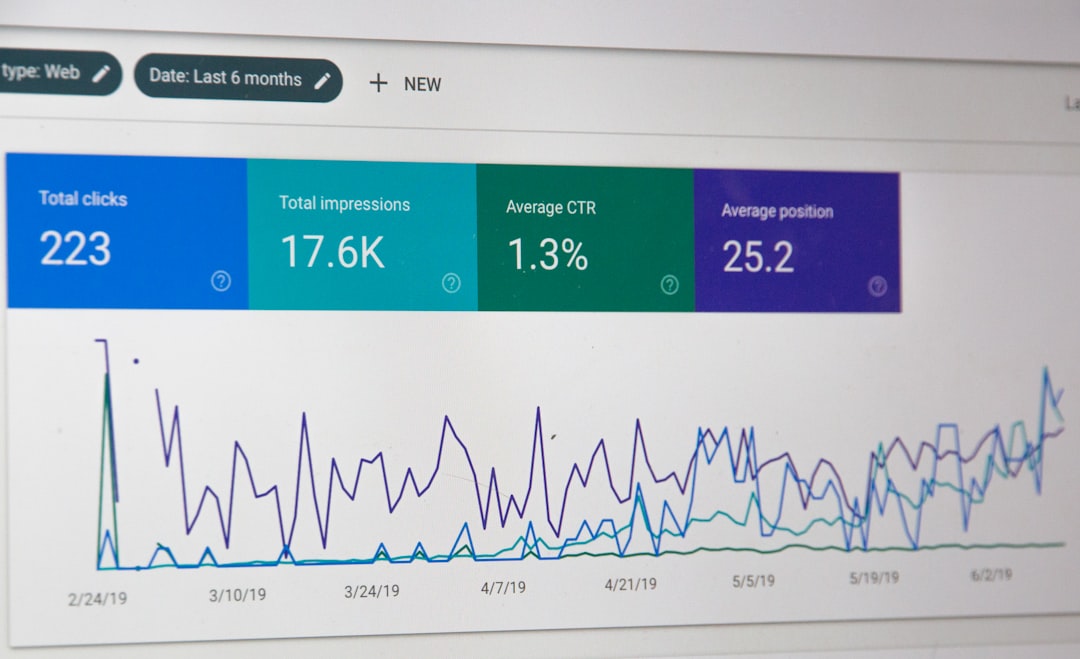
A friend of mine — sharp marketer, five years in the game — came to me last quarter genuinely frustrated. She’d spent half a year building out a 40-article content library, all targeting keywords with 10K+ monthly searches. The result? Crickets. Three of those pages cracked page two of Google. Zero conversions. Sound familiar?
That conversation got me digging hard into what keyword research actually looks like right now, in 2026, and honestly — the landscape has shifted more than most people realize. Let’s think through this together.
The Old Playbook Is Officially Dead
Here’s the hard truth: volume-first keyword research is a 2019 strategy. In 2026, Google’s AI algorithms, AI Overview dominance, and zero-click search behavior mean that chasing high-volume keywords without matching intent produces traffic that converts to nothing — or no traffic at all.
And the zero-click problem is bigger than you might think. With 58.5% of searches now resulting in zero clicks, understanding search intent has become more important than chasing volume. That means for every two searches your target keyword gets, more than one of them never even results in a website visit.
For years, keyword research was simple — find a phrase with high volume and low competition. In 2026, in the era of AI Search and semantic understanding, this approach is doomed to fail. The new paradigm involves a shift in thinking: you’re no longer searching for keywords. You’re searching for problems, questions, and needs of your customers. Keywords are just the way people articulate these problems.
What the Data Actually Says in 2026
Let’s anchor this with some real numbers before we get tactical.
- 58.5% of US searches result in zero clicks (SparkToro data) — meaning content must earn value within the SERP, not just rank on it.
- 91.8% of all searches are long-tail keywords, and AI search platforms are accounting for a growing share of overall search volume.
- Long-tail keywords convert at 2.5x the rate of short-tail terms — a stat that should fundamentally reshape where you spend your research time.
- 90% of webpages receive zero Google traffic, according to Ahrefs — and poor keyword selection drives most of those failures.
- 702–1,389% ROI from SEO is achievable for B2B companies using strategic keyword research, according to First Page Sage research.
The gap between those who “get it” and those still doing volume-chasing in 2026 is enormous — and it’s only widening.
The Intent-First Framework: How to Actually Do This
The most successful SEO professionals have shifted to an intent-first keyword strategy: identify what the user is trying to accomplish, then build content that is the clearest, most authoritative answer. It sounds simple, but execution is where most people fall short.
Here’s a repeatable process that works right now:
- Start with seed questions, not seed words: Before opening any keyword tool, write down the 10–20 most common questions your customers ask before hiring you or buying from you. These are your seed keywords. Real customer language is almost always better than industry jargon.
- Expand with trusted tools: Use Google Keyword Planner, Semrush, Ahrefs, or similar tools to expand your seed keywords. Do NOT use ChatGPT for this — don’t ask ChatGPT to give you blog keywords; it’ll lie to you. The data is never accurate in terms of how popular or difficult a particular keyword is.
- Mine the “People Also Ask” section: The PAA section in Google results shows you real, related questions that users are asking. Each of these questions is a potential H2 or H3 heading in your article.
- Check social search signals: Searches on TikTok, YouTube, Instagram, and Reddit reveal how your audience actually phrases their questions. These social search queries often translate directly to blog and content opportunities.
- Match format to intent: The mistake most brands make is writing informational content for transactional keywords, or creating service pages for informational queries. The match between intent and content format is more important than keyword density.
Don’t Ignore the AI Search Layer
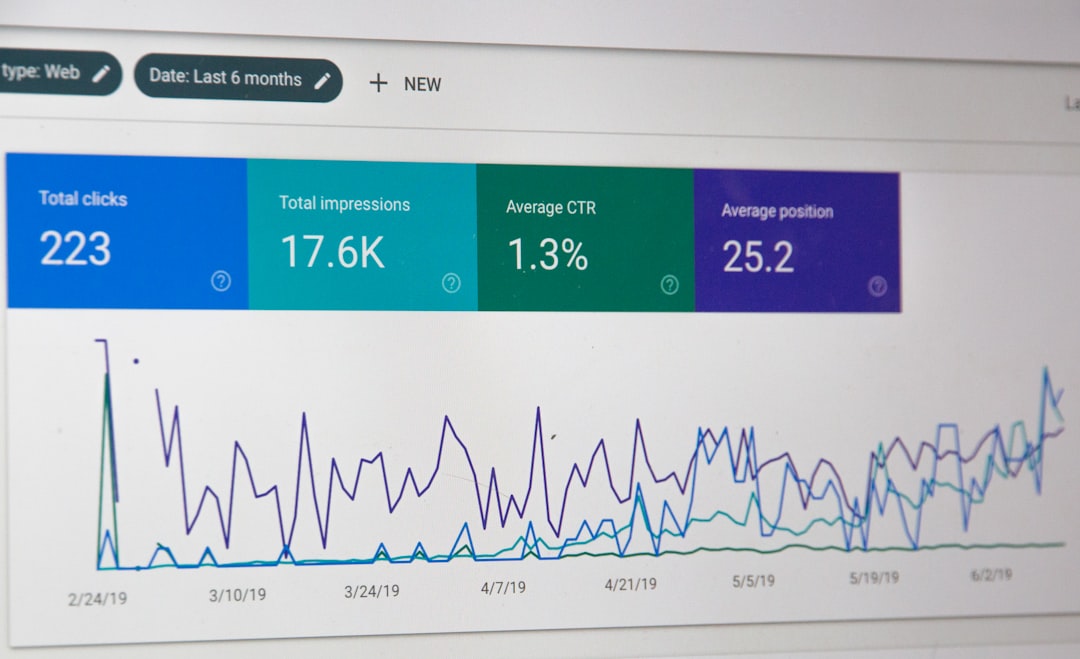
This is the piece most guides skip over, and it’s a mistake. Keyword research in 2026 must serve two purposes: ranking in traditional search results and being cited in AI-generated answers. That’s a dual-audience problem — you’re writing for human readers AND for the AI systems that summarize answers on Google, Perplexity, and ChatGPT.
AI Search further strengthens the importance of intent and context. People will ask more complex, conversational questions. Your research must focus on anticipating these questions and creating content that provides comprehensive, authoritative answers — not just matching keywords.
In 2026, search engines weigh relevance and user satisfaction heavily. AI-driven ranking systems also evaluate context, meaning your keyword strategy should focus on clarity, precision, and intent rather than stuffing or repetition.
Real-World Case Evidence: What’s Working
Looking at industry benchmarks, thought leadership SEO with strategic keyword research (approximately 8 pages monthly) delivers 748% ROI over three years, whilst basic content marketing without proper keyword research (approximately 4 articles monthly) delivers only 16% ROI. That’s not a small gap — that’s the difference between a thriving content operation and one that quietly gets defunded.
On the YouTube side, the best YouTube keywords in 2026 balance moderate search volume with low competition — evergreen how-to queries, niche tutorial topics, and emerging AI-related terms offer the best growth opportunities.
And for beginners specifically? Lower keyword difficulty equates to more accessible targets. Beginners should focus on terms scoring below 30. Emerging sites benefit by concentrating on long-tail keywords — phrases that are longer, more specific, and present reduced competition.
The Keyword Audit You Should Run Right Now
Here’s a quick self-check list. Run through this for your top 10 existing content pages:
- Does each page target one primary keyword mapped to a clear user intent? (When multiple pages target the same primary keyword, they compete against each other — splitting authority and causing neither page to rank well. Each primary keyword should map to one canonical page.)
- Is the content format matching what’s already ranking (list post vs. guide vs. comparison page)?
- Are you answering follow-up questions within the same piece? Focus on one primary keyword for a page, then look for questions that relate to it. Work those questions into the content naturally, making them headers where possible.
- Have you checked whether a Google AI Overview appears for your target query? If so, your page needs to be cited-worthy, not just rank-worthy.
- Are you reviewing keyword strategy quarterly? Annual keyword research is insufficient given the pace of change in 2026.
Alternatives If You’re Starting From Zero
If your budget is tight and you can’t afford Ahrefs or Semrush right now, don’t panic. Free tools adequately support beginners, avoiding immediate financial commitment. Google Search Console, AlsoAsked, and AnswerThePublic are genuinely powerful starting points. Tools like AnswerThePublic, Google’s “People Also Ask,” and SEMrush’s Keyword Magic Tool help reveal long-tail variations related to your core topic.
If your situation is: brand new site with no domain authority — focus exclusively on KD under 20, long-tail, question-format keywords. If your situation is: established site with some authority — layer in moderate-competition terms (KD 30–50) while building topical clusters around your strongest pages.
Bottom line: Keyword research in 2026 isn’t harder — it’s just more honest. The shortcuts that used to work (stuff in volume, hope for rankings) have been closed off. What’s left is the stuff that was always the right approach: understand your audience deeply, match your content to what they actually need, and build content that AI systems and humans alike will find trustworthy and useful. Start with one page. Audit its intent match. Fix the format. That single change, done right, is worth more than 40 new articles built on the old model.
📚 관련된 다른 글도 읽어 보세요
- 월가가 절대 안 알려주는 2026 달러 강세의 민낯 — 신흥국 위기 국가 지도와 생존 전략 완전정복
- I Wasted 6 Months Chasing Volume — My Real Keyword Research Reset for 2026
- Commodity Investment Risk Management in 2026: Battle-Tested Strategies for Surviving a Volatile Market
태그: []
Leave a Reply