A friend of mine — a solid content writer with five years under her belt — came to me last month completely frustrated. She’d spent three weeks building out a content calendar around a cluster of “high-volume” keywords, published eight articles, and got almost nothing back from Google. Not a trickle. She said, “I followed every guide I could find.” I had to break something uncomfortable to her: those guides were already outdated before she finished reading them.
That conversation stuck with me, and it’s exactly why I want to walk through what keyword research actually looks like in 2026 — not the recycled advice you’ll find copy-pasted across a hundred SEO blogs.

The Volume-First Playbook Is Dead — Here’s the Data
For years, keyword research was simple: find a phrase with high volume and low competition. In 2026, in the era of AI Search and semantic understanding, this approach is doomed to fail. And the numbers back this up hard.
With 58.5% of searches now resulting in zero clicks, and 91.8% of all searches being long-tail keywords, successful 2026 keyword research must serve two purposes: ranking in traditional search results and being cited in AI-generated answers. That’s not a minor tweak to your old process — that’s a complete rethink.
Volume-first keyword research is a 2019 strategy. In 2026, Google’s AI algorithms, AI Overview dominance, and zero-click search behavior mean that chasing high-volume keywords without matching intent produces traffic that converts to nothing — or no traffic at all.
What Actually Works: The Intent-First Framework
The new paradigm involves a shift in thinking: you’re no longer searching for keywords. You’re searching for problems, questions, and needs of your customers. Keywords are just the way people articulate these problems. Your task is to understand what lies behind the query.
Think of it this way — if someone types “best running shoes,” are they about to buy right now, or are they comparison shopping? Those two intents need completely different content formats. The most common mistake brands make is writing informational content for transactional keywords, or creating service pages for informational queries. The match between intent and content format is more important than keyword density.
In 2026, search engines weigh relevance and user satisfaction heavily, so choosing the right keywords ensures your content aligns with what real people are looking for. AI-driven ranking systems also evaluate context, meaning your keyword strategy should focus on clarity, precision, and intent rather than stuffing or repetition.
Long-Tail Keywords: Still Underused, Still Wildly Effective
Long-tail keywords are specific phrases (3+ words) with lower volume but higher conversion rates. Research shows 91.8% of searches are long-tail, and they convert at 2.5 times the rate of short-tail terms. Yet most content teams still fixate on those shiny high-volume head terms.
Long-tail keywords are essential for SEO in 2026 because they target highly specific queries. Instead of broad terms with heavy competition, long-tail keywords attract users who already know what they want. These keywords often lead to more focused engagement and better conversion opportunities.
Emerging sites benefit by concentrating on long-tail keywords. These phrases are longer, more specific, and present reduced competition, as Moz confirms. If you’re a newer site or blog, this is your most realistic path to organic traffic in 2026 — not chasing the same 10,000-search-a-month terms that established domains have dominated for years.
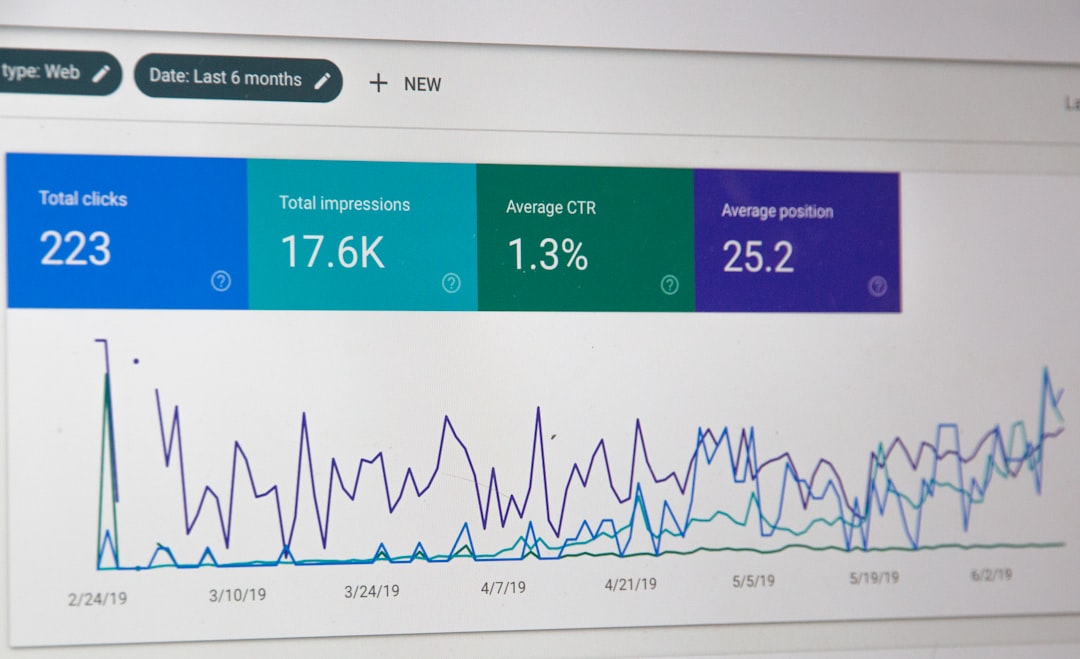
The 2026 Keyword Research Toolkit: What to Actually Use
Let’s get practical. Here’s a streamlined approach I’d recommend to anyone starting fresh or resetting their strategy this year:
- Start with seed keywords from real customer language. Before opening any keyword tool, write down the 10–20 most common questions your customers ask before hiring you or buying from you. These are your seed keywords. Real customer language is almost always better than industry jargon.
- Use dedicated SEO platforms for expansion. Use Google Keyword Planner, Semrush, Ahrefs, or similar tools to expand your seed keywords. Each has its own strengths — Ahrefs shines for backlink-informed difficulty scoring, Semrush’s Keyword Magic Tool is excellent for cluster-building.
- Mine “People Also Ask” aggressively. The PAA section in Google results shows you real, related questions that users are asking. Each of these questions is a potential H2 or H3 heading in your article.
- Avoid using ChatGPT for keyword volume data. Don’t ask ChatGPT to give you blog keywords — it’ll lie to you. The data is never accurate in terms of how popular or difficult a particular keyword is.
- Check SERP features before writing. Understand whether videos, images, featured snippets, or “Top Stories” carousels dominate the results for your target keyword. If video dominates, a text article alone may not cut it.
- Monitor and update quarterly. Review core strategy quarterly, with monthly monitoring of keyword rankings and search volume trends. AI search behavior changes rapidly enough in 2026 that annual keyword audits are no longer sufficient.
The ROI Case: Why Getting This Right Pays Off Big
This isn’t just about rankings — there’s a serious business case here. B2B companies using strategic keyword research achieve 702–1,389% ROI from SEO, according to First Page Sage research. That’s not a typo.
Thought leadership SEO with strategic keyword research (approximately 8 pages monthly) delivers 748% ROI over three years, whilst basic content marketing without proper keyword research (approximately 4 articles monthly) delivers only 16% ROI. The difference isn’t just effort — it’s the quality and intentionality of the keyword foundation underneath the content.
And if you’re still wondering whether organic search even matters as a channel: organic search generates 44.6% of all B2B revenue — the largest single channel.
A Word on AI Search and What It Changes
AI Search further strengthens the importance of intent and context. People will ask more complex, conversational questions. Your research must focus on anticipating these questions and creating content that provides comprehensive, authoritative answers — not just matching keywords.
A keyword can be one word, a few words, or even a full sentence. People who use AI tools to find information are asking for that info in full sentences, usually questions — so prioritizing full questions in your blog posts is essential.
So the smart play is building content that answers specific, layered questions — not stuffing a page with a target phrase 47 times and hoping for the best.
Realistic Alternatives If You’re Starting From Zero
If you’re a beginner overwhelmed by all of this, here’s the honest simplified path: if you want to rank on Google in 2026, everything starts with keyword research. Without the right keywords, even the best content won’t bring traffic. But that doesn’t mean you need expensive tools on day one.
Free tools adequately support beginners, avoiding immediate financial commitment. Google Search Console, Google Keyword Planner, AnswerThePublic, and Ubersuggest are all solid starting points. Analysis reveals that 90% of webpages receive no Google traffic, as Ahrefs reports — and poor keyword selection drives most of these failures. Avoiding that trap doesn’t require a premium subscription; it requires the right mindset shift.
If your situation is: brand-new site with zero authority → focus entirely on long-tail, low-KD (under 30) keywords with clear informational intent. If your situation is: established site with some authority → layer in competitive mid-tail keywords mapped to transactional or commercial intent, backed by strong internal linking.
Bottom line: Keyword research in 2026 isn’t harder — it’s just different. The sites winning today aren’t the ones with the biggest keyword lists; they’re the ones who actually understood what their audience was trying to accomplish and built content that served that need completely. Start there, stay consistent, and the rankings follow.
📚 관련된 다른 글도 읽어 보세요
- Commodity Investment Risk Management in 2026: Battle-Tested Strategies for Surviving a Volatile Market
- Stop Chasing Volume — The 2026 Keyword Research Reality Check Nobody Warned You About
- 월가가 절대 안 알려주는 2026 달러 강세의 민낯 — 신흥국 위기 국가 지도와 생존 전략 완전정복
태그: []
Leave a Reply