A colleague of mine — a sharp content marketer with three years of experience — came to me last quarter completely baffled. She’d spent half a year building out a content calendar meticulously loaded with high-volume keywords, cranking out two to three articles a week. Traffic? Basically flatlined. Sound familiar? That story is more common than you’d think in 2026, and it’s exactly what inspired me to dig deep and rethink everything I thought I knew about keyword research.
Here’s the thing: the old playbook of “find a high-volume keyword, write an article, repeat” is not just outdated — it’s actively working against you. Let’s talk about what actually works right now.
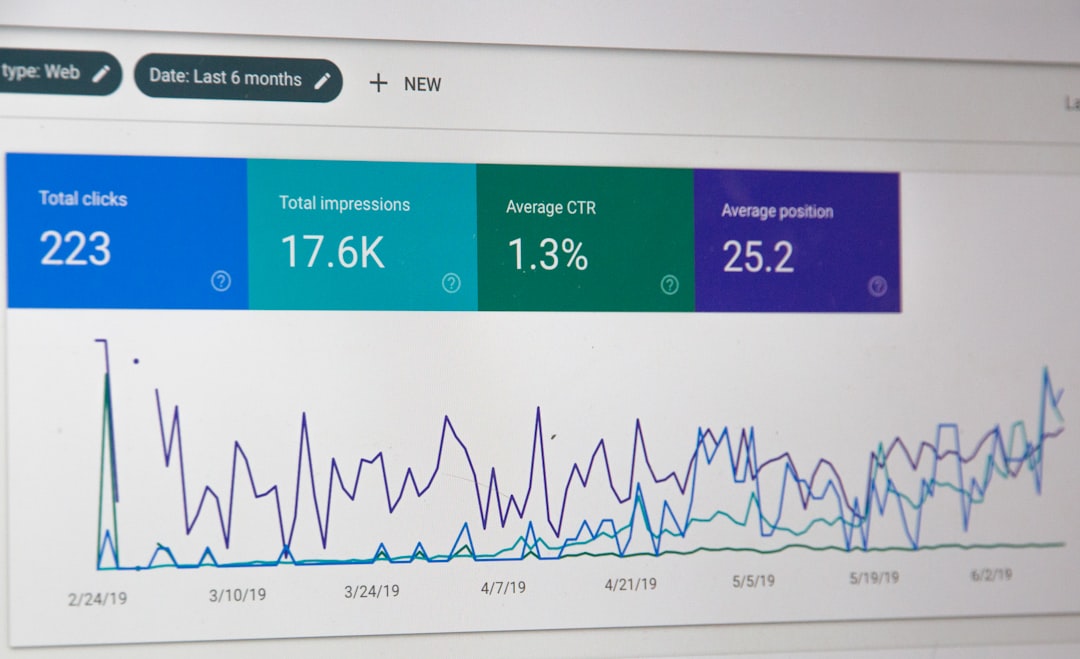
The Volume-First Trap: Why Your Traffic Isn’t Growing
Keyword research has fundamentally shifted from volume-first to intent-first methodology. With 58.5% of searches now resulting in zero clicks, 91.8% of all searches being long-tail keywords, and AI search platforms accounting for a growing search share, successful 2026 keyword research must serve two purposes: ranking in traditional search results and being cited in AI-generated answers.
That last part is the game-changer most people are ignoring. If you’re only optimizing for the Google blue-link experience, you’re leaving a massive and growing slice of your potential audience on the table.
Analysis reveals that 90% of webpages receive no Google traffic, as Ahrefs reports — and poor keyword selection drives most of these failures. The brutal truth is that choosing the wrong keywords isn’t a minor misstep; it’s a full strategy collapse.
Intent Is the New Keyword Density
Keyword research in 2026 means identifying the exact questions, problems, and decisions your target audience is searching for, then matching your content to the intent behind each search — not just the words used.
Think about it this way: two people searching “best running shoes” and “best running shoes for flat feet marathon training” are in completely different moments of their decision journey. Same root topic, entirely different intent — and if you serve them the same content, you’re failing at least one of them.
Despite repeated claims that “keywords are dead,” the reality is nuanced: keywords still signal relevance and help search engines understand what content is about. Exact match chasing is obsolete — keyword stuffing does not improve rankings. Context matters more — today’s systems focus on meaning, intent, and topic coverage rather than exact word counts.
Here’s a concrete cause-effect relationship worth burning into your workflow: targeting a transactional keyword with an informational blog post will almost never outrank a dedicated service or product page. The mistake most brands make is writing informational content for transactional keywords, or creating service pages for informational queries. The match between intent and content format is more important than keyword density.
The Data Behind Long-Tail: Stop Overlooking Small Numbers
Long-tail keywords are specific phrases (3+ words) with lower volume but higher conversion rates. Research shows 91.8% of searches are long-tail, and they convert at 2.5 times the rate of short-tail terms. That’s not a marginal edge — that’s a fundamental structural advantage for anyone willing to do the deeper research.
B2B companies using strategic keyword research achieve 702–1,389% ROI from SEO, according to First Page Sage research. The spread in that range is telling: the difference between 702% and 1,389% is almost entirely determined by how well your keyword strategy aligns with intent and topical authority.
And for those worried about zero-volume keywords: many valuable B2B queries don’t register in keyword tools because search volume is too low — but they represent high-intent buyers. Terms like “HubSpot onboarding agency London” may show zero volume yet drive qualified pipeline.

The 5-Phase Workflow That Actually Works in 2026
Here’s the structured approach I now recommend to anyone who asks — tested, refined, and built for the current search landscape:
- Phase 1 — Define Intent & Audience: Pinpoint the problem you solve, the buyer journey stage, and the exact questions users ask at each step. Define your primary business objective (traffic, leads, sales) with a measurable KPI. List audience personas and their information needs, plus typical objections.
- Phase 2 — Seed Keyword Brainstorm: Before opening any keyword tool, write down the 10–20 most common questions your customers ask before hiring you or buying from you. These are your seed keywords. Real customer language is almost always better than industry jargon.
- Phase 3 — Expand & Score: Keyword Difficulty (KD) indicates ranking challenge. Lower KD equates to more accessible targets — beginners should focus on terms scoring below 30. Pair KD with traffic potential and commercial value.
- Phase 4 — Cluster Into Topic Silos: Rather than targeting one keyword per page, create clusters of thematically linked content. This approach increases authority and ranks for multiple related terms.
- Phase 5 — Map to Content Format: For each keyword you’re considering, search it manually. Look at what types of content currently rank. Create content that matches the format of what’s already ranking.
Tools: What to Use (And One Thing to Avoid)
Use Google Keyword Planner, Semrush, Ahrefs, or similar tools to expand your seed keywords. For question-based research, tools like AnswerThePublic, Google’s “People Also Ask,” and SEMrush’s Keyword Magic Tool help reveal long-tail variations related to your core topic.
One tool to be careful with: don’t ask ChatGPT to give you blog keywords — it’ll lie to you. The data is never accurate in terms of how popular or difficult a particular keyword is. Use AI for content ideation and clustering, not for raw keyword data validation.
Also, don’t forget social platforms as a research layer. Searches on TikTok, YouTube, Instagram, and Reddit reveal how your audience actually phrases their questions. These social search queries often translate directly to blog and content opportunities.
How Often Should You Revisit Your Keyword Strategy?
More often than you think. Review keyword strategy quarterly for most businesses. Search behaviour, competitor positioning, and AI search patterns evolve continuously. Monthly reviews are appropriate for fast-moving industries or during major product launches. Annual keyword research is insufficient given the pace of change in 2026.
If your situation is a stable, evergreen niche — quarterly audits are likely enough. If you’re in tech, finance, or health, where AI-driven search results shift rapidly, monthly monitoring is the safer bet.
The AI Search Dimension You Can’t Ignore
Even in 2026, AI search isn’t fully “freeform.” It still leverages structured content signals — keywords being one of them — to index and retrieve relevant pages. Without those signals, AI models may struggle to interpret your content’s purpose, especially in crowded niches. So while AI makes search smarter, it doesn’t make keyword data obsolete — it actually enhances the need to understand and use keywords intelligently.
In 2026, search engines weigh relevance and user satisfaction heavily, so choosing the right keywords ensures your content aligns with what real people are looking for. AI-driven ranking systems also evaluate context, meaning your keyword strategy should focus on clarity, precision, and intent rather than stuffing or repetition.
The practical upshot? Your content needs to be structured so both a human reader and an AI retrieval system can quickly extract the answer. That means clear headers, direct answers early in the content, and supporting context that reinforces topical authority — not just keyword frequency.
Bottom line: If you’ve been grinding out content and wondering why the traffic needle won’t move, chances are the problem isn’t your writing — it’s the keywords you’re writing for. Stop chasing raw volume. Start mapping intent. Build clusters, not just pages. And review your strategy at least every quarter. The formula hasn’t become more complicated — it’s just become more honest: the right keyword, matched to the right intent, inside quality content, is still the core equation for everything that works in 2026.
📚 관련된 다른 글도 읽어 보세요
- Global Bond Market Interest Rate Trends in 2026: What Every Fixed-Income Investor Needs to Know Right Now
- Why My Old Keyword Strategy Crashed and Burned — Real 2026 Rebuild Guide
- I Wasted Weeks Chasing Volume — The 2026 Keyword Research Reality Check
태그: []
Leave a Reply