Picture this: it’s early 2026, and you’re sitting at a coffee shop, scrolling through headlines that all seem to scream the same thing — economic slowdown, tightening credit, job market uncertainty. Sound familiar? Whether you’re a seasoned investor, a small business owner, or just someone trying to keep their household budget intact, the whispers of a global recession in 2026 are impossible to ignore. But here’s the thing — panic rarely pays off. Let’s actually dig into what the numbers are saying and, more importantly, what you can realistically do about it.
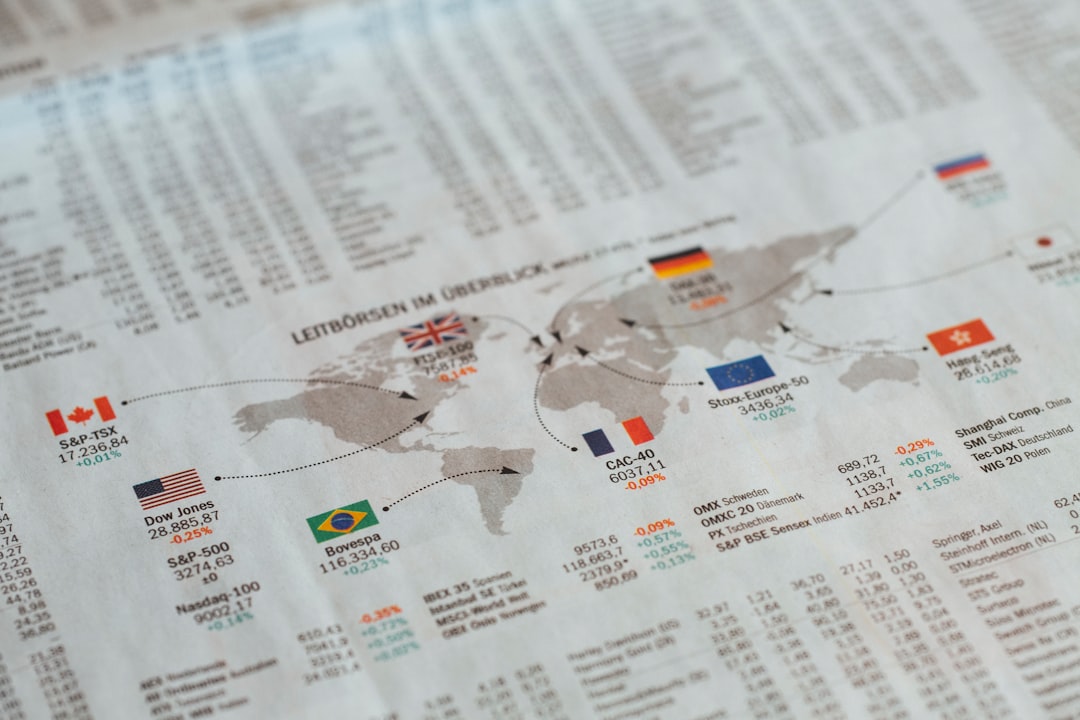
📊 What the Key Indicators Are Telling Us Right Now
As of March 2026, several macroeconomic signals have aligned in ways that economists haven’t seen since the post-pandemic correction of the early 2020s. The IMF’s World Economic Outlook, updated in January 2026, revised global GDP growth downward to approximately 2.4% — a figure that technically avoids the textbook definition of a recession (two consecutive quarters of negative growth), but masks enormous regional disparities.
Here’s what’s driving that concern:
- Persistent high interest rates: Central banks in the U.S., EU, and the UK have kept benchmark rates elevated well into 2026, with the Federal Reserve holding its rate at 4.75% as of Q1 2026. This has been strangling consumer credit and business investment.
- China’s slow structural rebalancing: China’s GDP growth is projected at just 3.8% for 2026 — far below the 6–7% benchmarks that once powered global demand. Its real estate sector remains a drag, affecting commodity exporters worldwide.
- Eurozone fragility: Germany entered a technical recession in late 2025 and has yet to fully recover. Industrial output remains suppressed, and energy cost normalization has been slower than anticipated.
- Emerging market debt stress: Nations like Egypt, Pakistan, and several sub-Saharan African economies are navigating dollar-denominated debt at punishing exchange rates.
- Consumer sentiment decline: In the U.S., the Conference Board Consumer Confidence Index dropped to 97.4 in February 2026 — below the 100 neutral threshold — suggesting households are tightening their belts.
🌍 Real-World Case Studies: Who’s Feeling It Most?
Numbers are one thing, but let’s look at where this is actually playing out on the ground in 2026.
South Korea — Export Vulnerability: South Korea, one of Asia’s most export-dependent economies, saw its trade surplus narrow significantly in early 2026 as demand from both China and the EU softened. The semiconductor sector, which powered Korea’s recovery in 2023–2024, is now facing a new inventory correction cycle. The Bank of Korea has responded with cautious rate cuts, but domestic consumption hasn’t picked up the slack yet.
Germany — Industrial Recession Lingers: Germany’s industrial heartland — particularly its auto and chemical sectors — continues to suffer. Volkswagen’s announced restructuring in late 2025, which included plant closures, sent ripple effects through supplier networks across Central Europe. The EU’s Green Deal transition costs are adding pressure at the worst possible moment.
United States — Soft Landing or Stumble?: The U.S. has managed to avoid outright recession through 2025, but 2026 is a more uncertain story. While employment remains nominally strong on the surface, underemployment and part-time work substitution have risen noticeably. Tech sector layoffs continued into early 2026, and commercial real estate remains a systemic risk sitting on bank balance sheets.
Brazil & India — Relative Bright Spots: Interestingly, both Brazil and India are showing more resilience. India’s domestic consumption-driven economy is projected to grow at 6.1% in 2026, making it one of the few major economies outperforming expectations. Brazil, benefiting from agricultural exports and energy independence, is holding steady — though both nations remain vulnerable if global trade volumes contract sharply.

🤔 So, Is a 2026 Global Recession Actually Inevitable?
Here’s where I want to push back on the doom-and-gloom narrative a little. A synchronized global recession — where the U.S., EU, China, and emerging markets all contract simultaneously — is not the base-case scenario for most credible forecasters in 2026. What we’re more likely navigating is a prolonged period of sub-trend growth, sometimes called a “growth recession” — not dramatic collapse, but a frustratingly slow grind that chips away at living standards, investment returns, and government fiscal space.
The distinction matters because your response strategy should be different. A full crash calls for one playbook; a slow burn calls for another — and honestly, the slow burn is harder to navigate psychologically because there’s no clear “bottom” to buy into.
💡 Realistic Alternatives: How to Protect Yourself Without Overreacting
Let’s think through this together practically. Whether you’re managing personal finances, a small business, or a portfolio, here are grounded, 2026-relevant strategies:
- Build a 4–6 month emergency fund: Not sexy, but in a slow-growth environment with job market softening, liquidity is your single best hedge. High-yield savings accounts are still offering 3.5–4% APY in early 2026 — use them.
- Reduce variable-rate debt aggressively: With rates staying elevated, variable-rate mortgages and credit card balances are bleeding you. Prioritize paydown over speculative investment right now.
- Diversify income streams: The gig economy and creator economy have matured significantly by 2026. A second income stream — even modest — provides buffer against sector-specific layoffs.
- Look at defensive sectors for investment: Healthcare, consumer staples, and utility stocks historically outperform during slow-growth cycles. If you’re invested in high-growth tech, consider rebalancing gradually.
- Upskill toward recession-resistant roles: Healthcare, AI infrastructure maintenance, trades (electricians, plumbers), and cybersecurity remain structurally undersupplied even in downturns.
- For small businesses: Focus on customer retention over acquisition — it’s 5–7x cheaper — and review your supplier chain exposure to economically stressed regions.
🔮 Looking Ahead: What Could Change the Trajectory?
It’s worth being honest that economic forecasting — even at the IMF level — carries enormous uncertainty. Several developments could meaningfully alter the 2026 outlook in either direction:
Upside risks: A faster-than-expected Fed rate cut cycle (if inflation cools sufficiently), a breakthrough in China’s property sector stabilization, or a surprise productivity boost from AI adoption at scale could all push growth higher than feared.
Downside risks: An escalation of geopolitical tensions affecting energy supply chains, a financial contagion event from commercial real estate stress, or a sovereign debt crisis in a major emerging market could tip the balance into a harder landing.
The honest answer is: nobody knows for certain. But reasonable preparation doesn’t require certainty — it just requires acknowledging the range of possibilities and positioning yourself to be resilient across multiple scenarios.
The goal isn’t to predict the future perfectly. It’s to make sure a bad economic outcome doesn’t derail your future.
Editor’s Comment : What strikes me most about the 2026 recession conversation is how much of the anxiety is driven by uncertainty rather than confirmed catastrophe. The data shows a world that’s slowing, stressed, and uneven — but not necessarily collapsing. The smartest move right now isn’t to make dramatic financial pivots based on fear; it’s to quietly shore up your foundations — savings, skills, and flexible income. Recessions, whether mild or severe, tend to reward those who prepared calmly over those who reacted loudly. Stay curious, stay grounded, and remember: economic cycles are exactly that — cycles. This chapter, too, will eventually turn.
태그: [‘2026 global recession’, ‘economic outlook 2026’, ‘recession preparation tips’, ‘global economy forecast’, ‘personal finance recession strategy’, ‘IMF 2026 GDP forecast’, ‘how to survive recession 2026’]
Leave a Reply