I remember chatting with a friend over coffee last month — she’d just watched a documentary about the global energy transition and came to me with a burning question: “If everything is shifting toward clean energy and AI infrastructure, shouldn’t raw materials be going crazy right now?” Honestly? She wasn’t wrong. And that conversation got me digging deep into the world of commodity ETFs heading into the second quarter of 2026.
Whether you’re a seasoned investor or someone who just opened their first brokerage account, commodity ETFs (Exchange-Traded Funds focused on raw materials like gold, oil, copper, and agricultural goods) offer a fascinating — and often underutilized — way to diversify a portfolio. Let’s think through this together.
Why Commodity ETFs Are Getting Serious Attention in 2026
The macroeconomic environment of 2026 is unlike anything we’ve seen in the previous decade. Here’s what’s actually moving the needle right now:
- AI Infrastructure Boom: The explosive demand for data centers has sent copper and rare earth metals into overdrive. According to the International Energy Agency’s early 2026 report, copper demand from data center construction alone is projected to grow by 18% year-over-year. That’s not a rumor — that’s structural demand.
- Green Energy Transition Acceleration: Solar panels, EV batteries, and wind turbines require enormous quantities of lithium, cobalt, nickel, and silver. Governments in the EU and the U.S. are still pouring subsidies into these sectors, creating a long-runway demand story.
- Geopolitical Supply Constraints: Ongoing disruptions in key mining regions across South America and Central Africa have tightened supply chains for critical minerals. Supply shocks + steady demand = upward price pressure.
- Dollar Fluctuation: With the Fed navigating a complex rate environment in 2026 — balancing stubborn inflation pockets against slowing GDP growth — commodities priced in dollars (like gold and oil) tend to act as a natural hedge.
- Agricultural Commodity Volatility: Climate anomalies in 2025-2026 have disrupted wheat and corn supply chains in key producing regions, pushing agricultural commodity ETFs back into the spotlight.
Top Commodity ETFs Worth Considering in 2026
Let me walk you through a curated shortlist based on current performance trends, underlying asset quality, and expense ratios. I’m not giving you financial advice here — I’m thinking through the options with you, so always do your own due diligence or consult a licensed advisor.
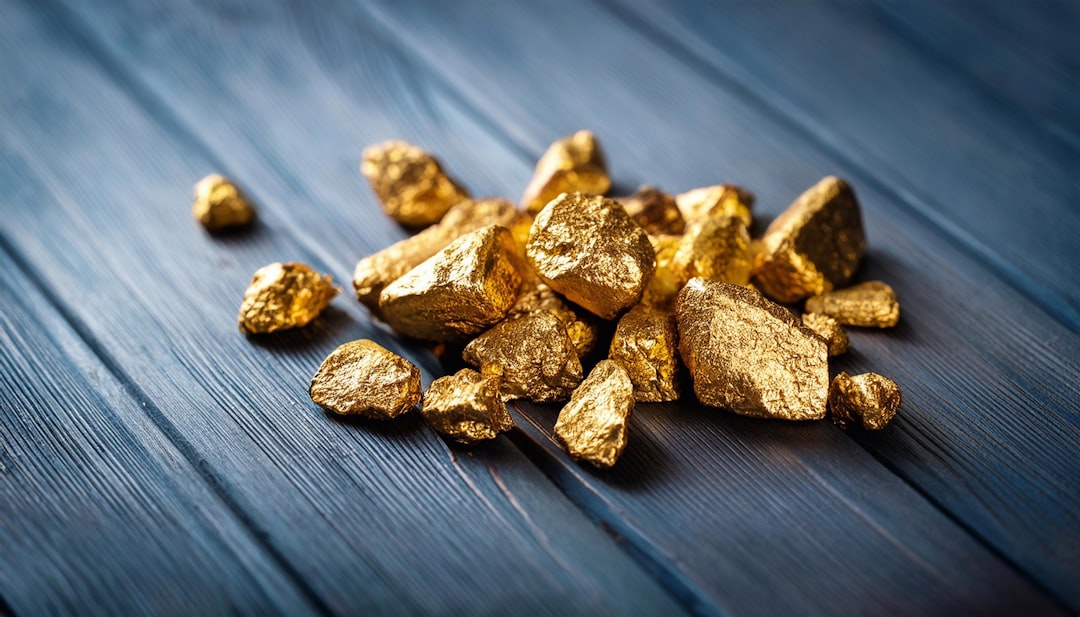
- SPDR Gold Shares (GLD): The gold standard (pun intended) of commodity ETFs. With gold hovering near record highs in early 2026 driven by central bank buying from BRICS nations and safe-haven demand, GLD remains a foundational holding for many portfolios. Expense ratio: ~0.40%.
- Invesco DB Commodity Index Tracking Fund (DBC): A diversified basket covering energy, metals, and agriculture. If you don’t want to pick a single commodity, DBC gives you broad exposure. It’s been one of the more resilient performers year-to-date in 2026.
- iShares Copper and Metals Mining ETF (ICOP): Given the AI-driven copper demand story, this ETF has attracted significant inflows throughout early 2026. It tracks companies mining the metals most critical to digital infrastructure.
- Global X Lithium & Battery Tech ETF (LIT): Lithium’s narrative is complex — prices corrected sharply in 2024-2025 — but 2026 is showing early signs of a demand recovery as EV adoption in Southeast Asia and India accelerates. A speculative but interesting play.
- Teucrium Corn Fund (CORN): For those looking at agricultural commodities, CORN offers pure-play exposure to corn futures. Weather-driven volatility in 2026 has made this a trader’s favorite, though it requires a higher risk tolerance.
- iShares Silver Trust (SLV): Silver benefits from both its safe-haven status AND its industrial demand (used heavily in solar panels). In 2026, this dual-demand dynamic makes SLV arguably more interesting than gold on a risk-adjusted basis.
International and Domestic Examples: How Real Investors Are Playing This
In South Korea, retail investors (commonly called “개미” or “ants”) have shown surging interest in commodity ETFs listed on the Korea Exchange (KRX) in 2026. Products like KODEX Gold Futures ETF and TIGER Crude Oil Futures ETF have seen trading volumes spike by over 30% compared to the same period last year, according to KRX market data from February 2026. Korean investors are particularly drawn to gold as the won has experienced moderate depreciation pressure.
Meanwhile, in the U.S., institutional investors like pension funds have been quietly increasing their commodity ETF allocations as part of an “inflation-resilient portfolio” strategy. BlackRock’s 2026 Global Outlook noted that commodities as an asset class are underweight in most retail portfolios relative to their historical role as an inflation hedge.
In Europe, the push for “critical mineral sovereignty” has boosted ETFs focused on rare earth metals and battery materials, with funds like WisdomTree Battery Solutions UCITS ETF recording strong net inflows through Q1 2026.
The Risks You Can’t Ignore
Look, I’d be doing you a disservice if I only gave you the bullish case. Here’s where commodity ETFs can hurt you:
- Contango Roll Cost: Many commodity ETFs hold futures contracts, not the physical asset. When they roll expiring contracts to new ones, they often pay a premium (called contango). Over time, this erodes returns even if the underlying commodity price rises.
- Concentration Risk: Single-commodity ETFs like CORN or SLV can swing wildly based on one factor — weather, one country’s policy decision, or a single supply shock.
- Currency Risk for Non-U.S. Investors: If you’re investing in USD-denominated ETFs from outside the U.S., exchange rate movements can significantly alter your actual returns.
- Regulatory and Tax Complexity: Some commodity ETFs are structured as limited partnerships (common with oil ETFs), which come with unique tax reporting requirements (K-1 forms in the U.S., for example).
Realistic Alternatives If Commodity ETFs Feel Too Volatile
Not everyone has the stomach for raw commodity exposure — and that’s completely valid. Here are some gentler on-ramps to the commodity theme:
- Commodity-Producing Company ETFs: Instead of buying copper futures, consider an ETF like Freeport-McMoRan heavy-weighted mining ETFs or VanEck Gold Miners ETF (GDX). These give you indirect commodity exposure with the added buffer of corporate earnings.
- Infrastructure ETFs: Funds that invest in pipelines, ports, and storage facilities benefit from commodity flows without direct price exposure. Think Global X U.S. Infrastructure Development ETF (PAVE).
- Multi-Asset Inflation-Protected Funds: Some balanced funds blend TIPS (Treasury Inflation-Protected Securities) with commodity ETFs and real estate, offering diversified inflation protection with lower volatility.
- Thematic ESG Commodity ETFs: If sustainability matters to you, look at ETFs that focus on responsibly sourced critical minerals. They’ve been growing rapidly in 2026 as ESG-conscious capital flows into green supply chains.
The bottom line? Commodity ETFs in 2026 aren’t a one-size-fits-all solution, but they’re absolutely worth understanding — especially given the structural megatrends (AI infrastructure, energy transition, geopolitical fragmentation) that are reshaping demand for raw materials at a fundamental level. Start small, diversify across commodity types, and always keep an eye on those roll costs.
Editor’s Comment : The most underrated part of commodity ETF investing in 2026 isn’t picking the right metal or energy source — it’s understanding the structure of the fund itself. Before you buy, take 10 minutes to look at whether your ETF holds physical assets or futures contracts. That single detail can mean the difference between capturing a commodity rally and quietly losing money to roll costs while the headline price climbs. Small detail, massive impact.
태그: [‘commodity ETF 2026’, ‘best commodity ETFs’, ‘gold ETF investment’, ‘copper ETF 2026’, ‘raw materials investing’, ‘inflation hedge ETF’, ‘commodity portfolio diversification’]
Leave a Reply