Picture this: It’s early 2026, and you’re sitting across from your energy supplier, watching the invoice climb higher than you budgeted for last quarter. Sound familiar? Whether you’re a small business owner trying to manage operational costs or a household trying to keep utility bills in check, the volatility of energy and raw material prices has become one of the most pressing lifestyle and financial concerns of our time.
Let’s think through this together — because the 2026 energy raw materials landscape isn’t just a story for Wall Street traders. It’s your story too.
Where Are We Right Now? The 2026 Baseline
As of Q1 2026, global energy markets are navigating a complex trifecta: post-geopolitical recalibration in Eastern Europe, aggressive clean-energy transition policies from the G7, and a surprisingly resilient demand surge from Southeast Asian manufacturing hubs. Here’s a snapshot of key price indicators heading into mid-2026:
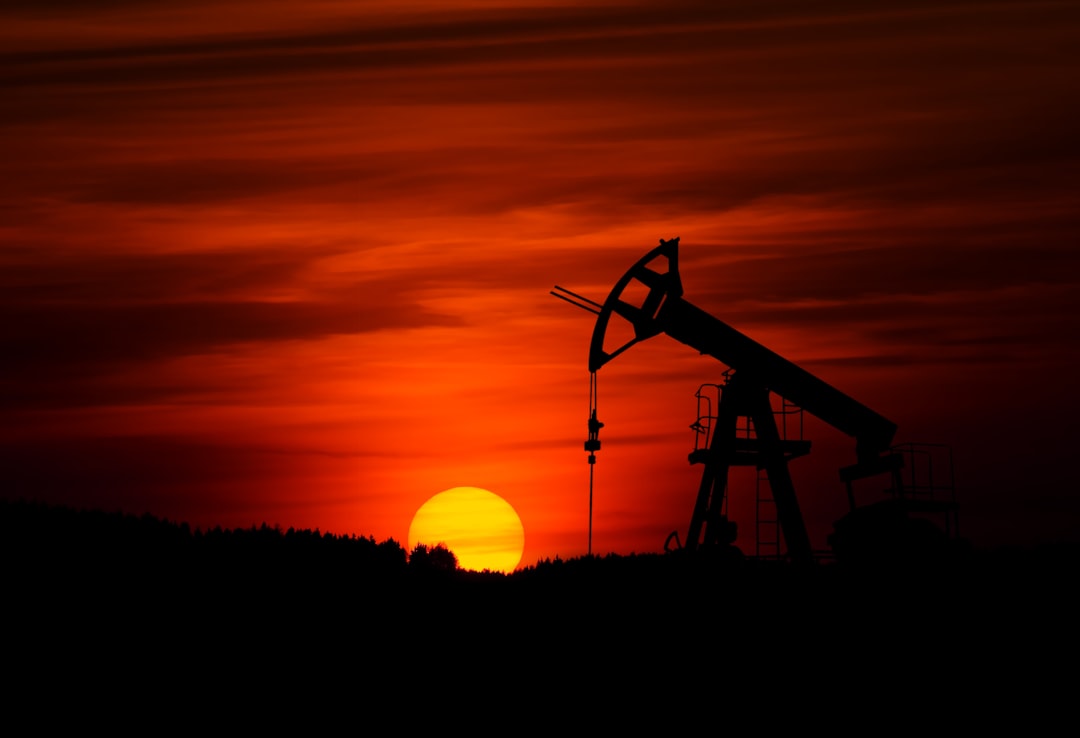
- Crude Oil (Brent): Trading in the $78–$92/barrel range, driven by OPEC+ managed output cuts and moderate U.S. shale recovery.
- Natural Gas (Henry Hub): Around $3.20–$4.10/MMBtu — elevated compared to 2023 lows, largely due to LNG export demand from Europe.
- Lithium Carbonate: After the dramatic crash of 2023–2024, prices have stabilized around $14,000–$17,000/metric ton as EV demand re-accelerates.
- Copper: Sitting at approximately $9,500–$10,200/metric ton — a critical bellwether for global industrial activity and green infrastructure buildout.
- Coal (thermal): Gradually declining in developed markets but still elevated in emerging economies at around $110–$130/metric ton.
The Big Drivers You Can’t Ignore in 2026
Understanding raw material prices means understanding the forces pulling at them from multiple directions. Let’s break down the major catalysts:
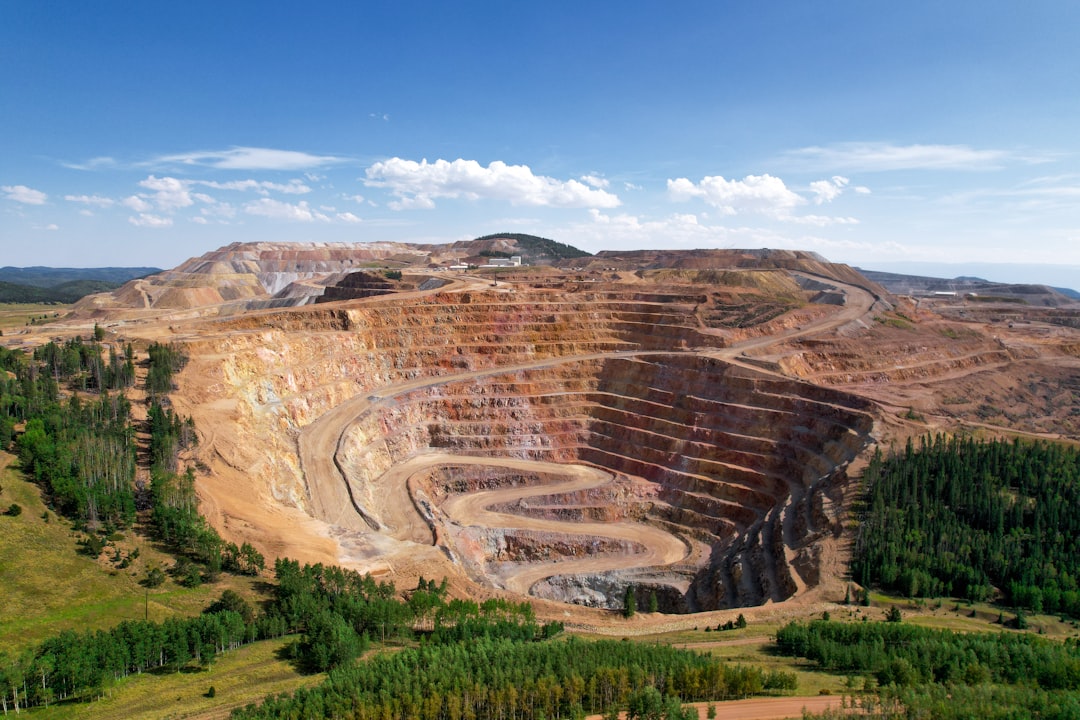
1. The Energy Transition Paradox: Here’s something counterintuitive — the faster we push toward renewables, the more short-term demand we create for metals like copper, cobalt, and rare earth elements. Solar panels, wind turbines, and EV batteries are all incredibly mineral-intensive. The IEA’s 2025 Critical Minerals Report flagged that demand for lithium alone could triple by 2030, putting sustained upward pressure on prices even as fossil fuel demand softens.
2. Geopolitical Supply Chain Fragility: The Red Sea shipping disruptions of late 2023–2024 left lasting structural changes in global logistics. In 2026, we’re seeing regionalized supply chains — sometimes called “friend-shoring” — which can add cost premiums of 8–15% on certain industrial metals simply due to longer or more politically managed trade routes.
3. Dollar Dynamics and Inflation Stickiness: Energy commodities are predominantly dollar-denominated. With the Fed maintaining a “higher for longer” posture through much of 2025 and only beginning gradual cuts in late 2025/early 2026, the strong dollar has partially offset price spikes for U.S. consumers — but amplified them significantly for emerging market buyers.
Real-World Examples: How Countries Are Responding
Let’s look at how different economies are actually dealing with this pricing environment — because abstract data only tells half the story.
South Korea: As a major LNG importer and manufacturer, South Korea has doubled down on long-term supply contracts with Qatar and Australia in 2025–2026, locking in prices rather than riding spot market volatility. KEPCO (Korea Electric Power Corporation) has also accelerated its domestic offshore wind capacity, aiming to reduce import dependency by 12% by 2028.
Germany: Post-Russian gas dependency, Germany’s industrial sector faced brutal energy cost adjustments. By 2026, German manufacturers have broadly adopted demand-response energy programs — essentially getting paid by grid operators to reduce consumption during peak pricing windows. It’s a fascinating market mechanism that’s spreading across the EU.
United States: The Inflation Reduction Act’s downstream effects are very visible in 2026 — domestic lithium mining projects in Nevada and North Carolina are ramping up, and federal procurement is actively prioritizing domestically sourced critical minerals. This is gradually reshaping the global pricing baseline.
Indonesia & Vietnam: These Southeast Asian powerhouses are playing a fascinating dual role — as both consumers with booming industrial demand AND suppliers of nickel and rare earth materials. Indonesia’s nickel export processing requirements continue to ripple through global battery material supply chains.
What This Means for You: Practical Scenarios
Okay, so the macro picture is complex — but let’s get practical. Depending on your situation, here’s how to think about the 2026 energy and raw materials environment:
- Homeowners: If you haven’t already locked in a fixed-rate energy plan, Q1–Q2 2026 may represent a reasonable window before potential summer demand spikes. Look into net metering solar programs — the 30% federal tax credit is still accessible and payback periods have shortened considerably.
- Small Business Owners: Consider energy audits NOW. With commercial electricity rates creeping up 6–9% year-over-year in many U.S. states, efficiency investments (LED upgrades, smart HVAC controls) yield faster ROI than ever before. Also explore group purchasing cooperatives for energy contracts.
- Investors: The critical minerals space is genuinely compelling but volatile. Rather than single-stock bets on individual miners, diversified ETFs focused on battery metals or clean energy infrastructure offer exposure with managed risk. Look at funds with copper, lithium, and rare earth diversification.
- Manufacturing Businesses: Material substitution strategies are worth serious R&D investment. Companies exploring aluminum alternatives to copper in certain wiring applications, or manganese-rich battery chemistries instead of cobalt-heavy ones, are insulating themselves from the most volatile pricing nodes.
- Everyday Consumers: Timing large appliance purchases or EV buying decisions around raw material price cycles actually matters now. When lithium prices dip (as they did in 2024 and are relatively stable in early 2026), EV manufacturers have more margin flexibility — which can translate to better deals and incentives.
The Realistic Outlook for the Rest of 2026
Here’s my honest read: We’re unlikely to see dramatic crashes or explosive spikes in most energy commodities through the remainder of 2026 — barring a major geopolitical shock. What we’re more likely to see is persistent range-bound volatility with a slight upward bias, driven by:
- Continued clean-energy infrastructure investment competing for the same metals as traditional industrial demand
- OPEC+ actively managing oil output to defend price floors around $75–80/barrel
- Natural gas prices gradually easing as new LNG export terminals come online in the U.S. and Qatar
- Critical minerals like lithium and cobalt remaining sensitive to EV adoption pace announcements
The most important thing to understand? This isn’t a market where you “wait for prices to normalize.” The structural forces at play in 2026 suggest that energy and raw material cost management is now a permanent strategic discipline — not a temporary response to a crisis.
Editor’s Comment : What strikes me most about the 2026 energy and raw materials picture is how it’s forcing all of us — from policymakers to individual households — to think more strategically about resources we used to take for granted. The era of cheap, abundant, stable commodity pricing that characterized the early 2010s is genuinely over, and I think that’s actually pushing us toward smarter, more resilient energy behaviors. The volatility is uncomfortable, yes — but it’s also the market’s way of telling us exactly where the opportunities and vulnerabilities are. Use that signal wisely.
태그: [‘2026 energy prices’, ‘raw material price outlook 2026’, ‘crude oil forecast 2026’, ‘critical minerals 2026’, ‘lithium copper price trend’, ‘energy cost management’, ‘commodity market analysis’]
Leave a Reply