A colleague of mine — a mid-career finance professional with about fifteen years of market experience — called me up last month absolutely torn. He’d been sitting on a chunk of cash after selling some tech equities, and he kept going back and forth between two classic commodity plays: gold and crude oil. “Which one do I actually want right now?” he asked. Honestly, it’s a question I’ve been fielding a lot lately. As commodity markets have gone through a wild recalibration in early 2026 — geopolitical tension in the Middle East, stubborn dollar strength, and the ongoing energy transition narrative — the gold-vs-oil debate has never felt more relevant or more complicated. So let’s dig in together and actually compare these two beasts head-to-head.
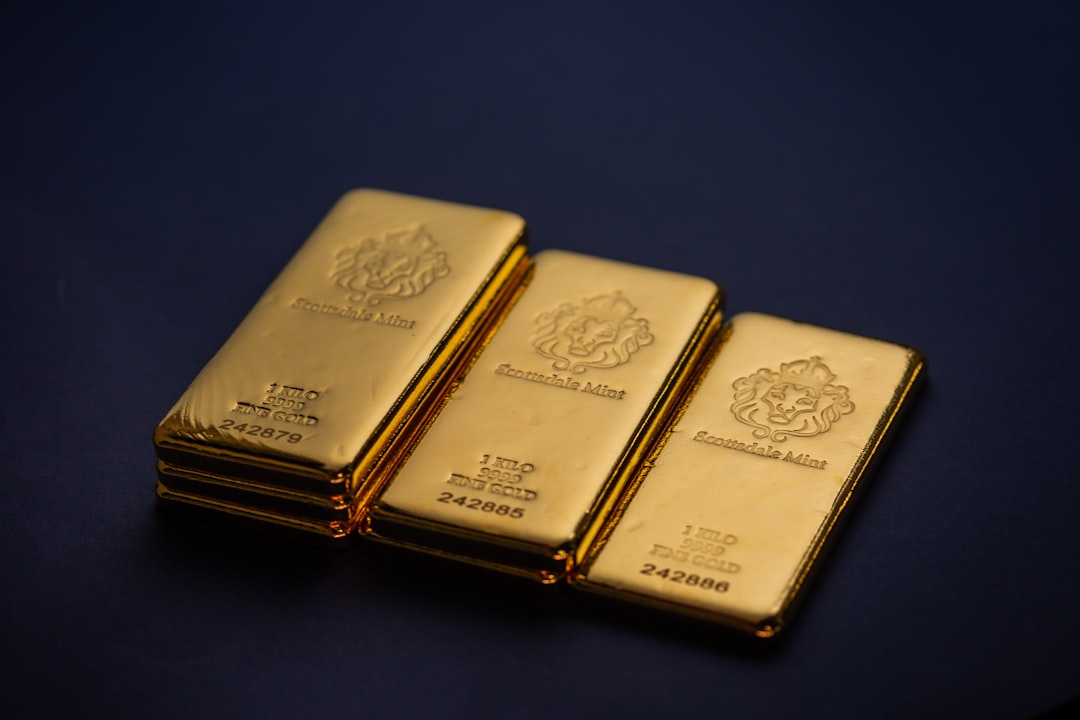
The Big Picture: Where Gold and Oil Stand in April 2026
First, let’s ground ourselves in the current data. As of early April 2026, gold (XAU/USD) is trading in the $3,050–$3,120 per troy ounce range — a level that reflects persistent safe-haven demand driven by dollar debasement fears and central bank accumulation (particularly from BRICS-aligned nations). Meanwhile, WTI crude oil is hovering around $78–$85 per barrel, caught in a tug-of-war between OPEC+ supply discipline and weaker-than-expected demand from China’s industrial sector.
On the surface, both assets have underperformed the S&P 500 on a pure price-return basis over the past 12 months. But that framing misses the point. Commodities — especially gold and oil — serve fundamentally different portfolio functions, and that’s where the real comparison starts.
Gold: The Monetary Relic That Keeps Winning
Gold doesn’t produce cash flows. It doesn’t pay dividends. And yet, central banks globally added over 1,045 metric tons to reserves in 2025 (World Gold Council data), the third consecutive year above the 1,000-ton mark. That’s institutional validation you can’t ignore.
What drives gold in 2026? A few key forces:
- Real interest rates: When the Fed’s real rate (nominal minus inflation) is low or negative, gold shines. With U.S. CPI still sticky around 3.2% and the Fed funds rate at 4.25%, real rates are marginally positive — but just barely. Any dovish pivot would be rocket fuel for gold.
- Dollar dynamics: The DXY index has been relatively strong in Q1 2026, which historically pressures gold. However, de-dollarization narratives from BRICS nations are creating structural demand independent of USD movements.
- Geopolitical risk premium: Ongoing tensions in the Red Sea corridor and unresolved conflicts in Eastern Europe are keeping a “fear premium” embedded in gold prices.
- ETF and retail flows: SPDR Gold Shares (GLD) has seen net inflows of approximately $4.2 billion YTD in 2026 — a significant reversal from 2024’s outflow trend.
From a technical standpoint, gold’s volatility (annualized) typically runs around 12–15%, making it a relatively smooth ride compared to crude oil.
Crude Oil: High Octane Returns, High Octane Risk
Oil investing is a completely different animal. You’re not just buying a commodity — you’re essentially placing a macro bet on global economic activity, OPEC+ discipline, and the pace of the energy transition simultaneously. That’s a lot of variables.
Crude oil’s annualized volatility regularly clocks in at 30–40% — more than double gold’s. That means the reward potential is higher, but so is the potential for brutal drawdowns. Remember WTI’s brief dip to negative territory back in 2020? That kind of tail risk is structurally possible in oil in a way it simply isn’t in gold.
Key drivers for crude oil in 2026:
- OPEC+ supply management: The cartel has maintained production cuts of approximately 3.66 million barrels per day. Any breakdown in discipline — historically Saudi Arabia’s biggest headache — could trigger a sharp selloff.
- Chinese demand uncertainty: China’s industrial recovery has been patchier than markets hoped. Demand from the world’s largest crude importer remains the single biggest swing factor for global prices.
- U.S. shale production: American producers are pumping around 13.3 million bpd, keeping a natural ceiling on prices and limiting how high OPEC+ can push them.
- Energy transition headwinds: EV adoption is accelerating, particularly in Europe and China. Long-term structural demand for oil faces genuine secular pressure — a factor gold simply doesn’t have to worry about.
- Contango/backwardation: If you’re investing through futures-based ETFs (like USO), roll costs in contango markets can quietly eat your returns alive. This is a real-world mechanic that catches a lot of retail investors off guard.

Head-to-Head: A Practical Comparison Framework
Let’s stack these two investments across the dimensions that actually matter for portfolio construction:
- Inflation hedge effectiveness: Gold — better for monetary inflation (currency debasement). Oil — better for cost-push inflation (supply shocks). Both matter, but they hedge different inflationary regimes.
- Liquidity: Both are highly liquid markets. Gold spot and futures trade over $180 billion daily. Oil futures (WTI + Brent combined) trade even higher volumes. No edge either way for most investors.
- Investment vehicles: Gold: Physical bullion, GLD/IAU ETFs, gold miners (GDX), futures. Oil: Futures (USO, UCO), oil major equities (XOM, CVX), sector ETFs (XLE). Equities give you cash flow + commodity exposure but add equity market correlation.
- Portfolio correlation: Gold has historically shown near-zero to slightly negative correlation with equities, making it genuinely diversifying. Oil correlates more positively with equities (both sensitive to economic growth), reducing its diversification benefit in risk-off scenarios.
- Storage/carry costs: Physical gold has modest storage fees (~0.1–0.5% annually for ETFs). Physical oil is simply impractical for retail investors. Futures-based oil ETFs carry roll costs that can be substantial in contango.
- Long-term structural tailwinds: Gold benefits from de-dollarization and central bank demand. Oil faces growing structural headwinds from energy transition. Advantage: gold over a 5-10 year horizon.
- Short-term tactical opportunity: Oil’s higher volatility creates bigger short-term trading opportunities — but only if you have the stomach and the conviction on macro calls.
Case Studies: What Real Investors Are Doing in 2026
Looking at actual market behavior gives us useful signal. Norway’s Government Pension Fund (the world’s largest sovereign wealth fund) has gradually increased its commodity exposure with a clear tilt toward gold-related instruments while reducing direct energy exposure — a reflection of their own carbon reduction commitments as much as return optimization.
On the retail side, Vanguard’s commodity strategy funds have seen a noticeable rotation in 2026: broader commodity fund inflows are being led by precious metals, not energy. Meanwhile, the iShares Gold Trust (IAU) has consistently traded at lower expense ratios (0.25%) compared to oil-focused ETFs, making it a more cost-efficient passive hold.
For active traders, platforms like Interactive Brokers and CME Group report that WTI crude options volume has surged ~22% YoY in Q1 2026, suggesting sophisticated participants are using options to manage oil exposure rather than straight futures — a sign they respect oil’s volatility and want defined risk profiles.
Meanwhile, Korean retail investors (a market I follow closely given domestic data from the Korea Investment & Securities annual survey) have increased gold ETF allocations by nearly 18% year-over-year, with many citing uncertainty around won weakness and geopolitical risk near the Korean peninsula as primary motivations.
So Who Should Invest in What?
Here’s my honest take after chewing through all this data:
- If you want a core, long-term inflation hedge with lower volatility and genuine portfolio diversification: Gold is the cleaner choice. Buy IAU or GLD, or physical through a reputable dealer like APMEX or JM Bullion, and hold with conviction.
- If you have a strong macro thesis on short-term energy demand recovery (especially Chinese industrial rebound) and can manage volatility: A tactical oil position through XLE (energy sector ETF) or large-cap integrated majors like Exxon Mobil gives you commodity upside with cash flow and dividend buffer.
- For most balanced portfolios: A 5–8% gold allocation as a strategic hold + 0–3% tactical oil/energy exposure when macro conditions favor it is a framework many institutional allocators quietly use. You don’t have to choose exclusively — position sizing is your real tool here.
- What to avoid: Leveraged oil ETFs (2x/3x) as long-term holds — the volatility decay will grind you down regardless of directional calls. And avoid physical oil entirely as a retail investor. It sounds obvious, but I’ve heard stories.
The energy transition is real and accelerating. That doesn’t mean oil is dead in 2026 — supply discipline and macro cycles still create real trading opportunities. But as a structural, multi-year hold, gold’s risk/reward profile looks considerably cleaner at this stage of the macro cycle.
Editor’s Comment : I’ve spent a long time watching investors overcomplicate this comparison by chasing the “better” commodity — when really, the question should be “better for what, and for how long?” Gold is your portfolio’s financial immune system; oil is more like a seasonal trade. Used together with clear position limits and an understanding of your own risk tolerance, they’re not rivals — they’re complementary tools. Don’t let volatility scare you out of either one entirely. Just go in with open eyes, realistic cost accounting (especially roll costs on oil futures), and a clear exit thesis. That’s the difference between commodity investing and commodity gambling.
📚 관련된 다른 글도 읽어 보세요
- 금 원자재 ETF 투자 방법 2026: 초보자도 바로 시작하는 실전 가이드
- Strong Dollar, Weak Dollar: How Currency Swings Are Crushing (and Creating) Commodity Opportunities in 2026
- Fed Rate Cuts in 2026: What’s Really Happening to Markets and Your Portfolio
태그: gold vs oil investment, commodity investment 2026, gold ETF analysis, crude oil market outlook, portfolio diversification strategy, inflation hedge assets, WTI gold comparison
Leave a Reply