Let me take you back to early 2026, when headlines were screaming about the U.S. dollar hitting multi-year lows against a basket of major currencies. Around the same time, a friend of mine — a small-scale coffee importer in Seoul — called me in a mild panic. His bean costs had jumped nearly 18% in three months, and he couldn’t quite figure out why his supplier in Brazil was suddenly charging so much more. The answer, as we’ll explore together today, had a lot to do with the dollar — and understanding that relationship could genuinely change how you think about everything from grocery prices to investment strategy.
The Mechanics: Why Does a Weak Dollar Push Commodity Prices Up?
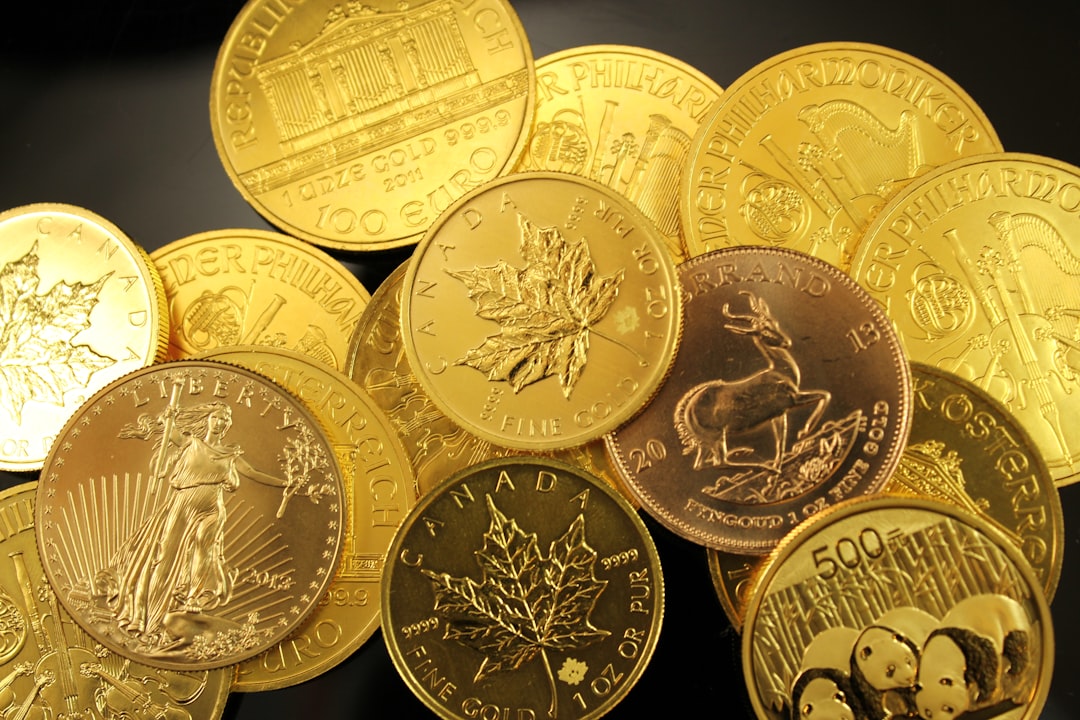
Most major commodities — crude oil, gold, copper, wheat, soybeans — are priced globally in U.S. dollars. This is a legacy of the Bretton Woods era, and it creates a fascinating inverse relationship that plays out almost like clockwork. Here’s the logic chain, step by step:
- Dollar weakens → commodities get cheaper for foreign buyers: When the dollar loses value, a Brazilian farmer or a Saudi oil producer effectively gets fewer dollars for the same amount of goods. To maintain their revenue in local currency terms, they either reduce supply or prices rise in dollar terms — or both.
- Commodity producers price to protect purchasing power: Nations and companies that earn in dollars but spend in local currencies constantly recalibrate. A weaker dollar means their dollar revenues buy less at home, so upward price pressure is baked in.
- Speculative flows amplify the move: Institutional investors often treat commodities, especially gold, as dollar-hedge assets. When the DXY (U.S. Dollar Index) falls, money flows into commodity futures, driving prices further.
- Inflation expectations compound the cycle: A weak dollar typically signals or causes broader inflation, which itself drives commodity demand as a store of value.
The Data in 2026: Correlation Coefficients That Matter
Let’s get specific. As of Q1 2026, the DXY has declined approximately 8.3% from its late-2025 peak, settling in a range around 98–101. Here’s how key commodities have responded during the same window:
- Gold (XAU/USD): Up roughly 14.2%, breaking above $3,100/oz and testing all-time highs. The inverse correlation with the DXY has been especially tight — a -0.87 correlation coefficient over the trailing 90 days. This is about as close to a perfect inverse relationship as financial markets get.
- Crude Oil (WTI): Up approximately 9.5%, though the picture here is murkier. OPEC+ supply decisions and geopolitical tensions in the Middle East have added noise. Still, the dollar-oil correlation sits around -0.61 — meaningful but not as clean as gold.
- Copper: Up around 11.8%, driven by both dollar weakness and surging demand from the EV battery and grid infrastructure sectors. Copper is now widely called “the new gold” by commodity analysts, and its correlation with dollar moves has strengthened to roughly -0.74.
- Wheat & Agricultural Commodities: More volatile and driven by seasonal and weather factors, but still showing a notable -0.52 average correlation with the DXY. This is exactly what hit my coffee-importer friend — agricultural prices don’t move as cleanly, but the dollar tailwind is real.
Real-World Examples: From Seoul to São Paulo to Riyadh
The theory is clean, but the real world adds fascinating layers. Let’s look at a few cases from 2026 that illustrate how this plays out differently across economies.
South Korea — Import Cost Pressure: South Korea imports roughly 92% of its energy needs and is a massive importer of industrial metals and agricultural goods. As the won has strengthened modestly against the dollar in 2026 (partially offsetting commodity price rises), Korean manufacturers are caught in a complex squeeze: cheaper dollar costs partially offset by higher commodity benchmark prices. The Bank of Korea has had to carefully calibrate rate decisions with one eye firmly on commodity inflation.
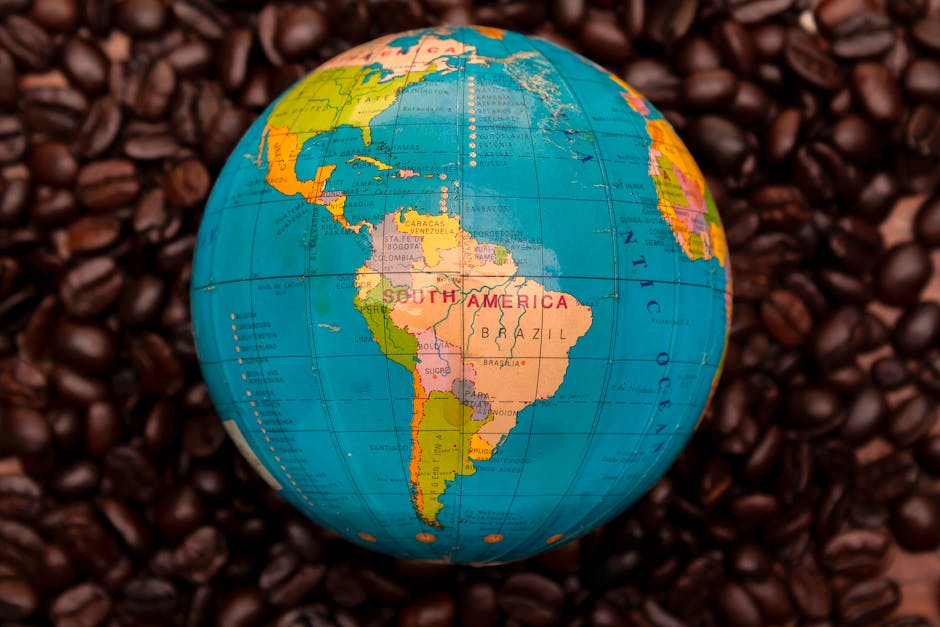
Brazil — The Producer’s Windfall: Brazil is a textbook beneficiary of dollar weakness. As a massive exporter of soybeans, iron ore, coffee, and oil, Brazilian producers receive higher dollar prices while their costs remain primarily in reais. In Q1 2026, Brazil’s trade surplus widened noticeably, and the Bovespa index showed strong commodity sector gains. My coffee-importer friend’s pain is literally a Brazilian farmer’s gain.
Saudi Arabia & OPEC+ — The Complication: Here’s where it gets interesting. Saudi Arabia pegs the riyal to the dollar, so dollar weakness directly erodes the kingdom’s real purchasing power. This creates internal pressure within OPEC+ to maintain higher oil prices in dollar terms — one reason why production cut discussions intensified in early 2026. It’s a self-reinforcing cycle: weak dollar → OPEC wants higher prices → supply restrictions → oil prices rise further.
When the Correlation Breaks Down — And It Does
Here’s something I think is really important to understand: the dollar-commodity correlation is powerful, but it’s not universal or unbreakable. There are several scenarios where it decouples:
- Supply shocks override dollar effects: A drought in Australia or a conflict disrupting shipping lanes can send wheat or oil surging regardless of where the dollar is trading.
- Demand collapse: A sharp global recession can crush commodity demand even as the dollar weakens, as we saw in parts of 2015–2016.
- Currency interventions: When major central banks aggressively intervene in FX markets, the natural correlation can be temporarily disrupted.
- Commodity-specific fundamentals: Natural gas in Europe, for example, has often traded on its own supply dynamics with a much weaker dollar correlation than oil.
Realistic Alternatives: How to Actually Use This Knowledge
Now, let’s bring this home to what you can actually do with this understanding. I’m not here to tell you to become a commodity trader overnight — that’s a specialized field with real risks. But there are practical, tiered approaches depending on your situation:
- For investors: Consider a modest allocation (typically 5–15% of a diversified portfolio, depending on risk tolerance) to commodity-linked assets — gold ETFs, commodity index funds, or stocks of resource-producing companies — as a dollar-hedge component. In a sustained weak-dollar environment like 2026, this has historically provided meaningful portfolio stabilization.
- For small business owners (like my coffee importer): Look seriously at currency hedging instruments. Forward contracts and options are not just for big corporations. Many banks and fintech platforms in 2026 offer accessible hedging tools for SMEs. Locking in favorable exchange rates when the dollar is weak can provide a crucial buffer.
- For consumers: The practical play is awareness and timing. If you’re planning a large purchase of imported goods — electronics, vehicles, food commodities — dollar weakness is a signal that prices may rise further. Acting with some lead time can save real money.
- For policy-aware citizens: Understanding this correlation helps you interpret news more critically. When your government talks about inflation, you can now ask the right follow-up question: “And what’s the dollar doing?”
The dollar-commodity relationship is one of those macroeconomic patterns that, once you see it, you can’t unsee it. It doesn’t predict the future perfectly — nothing does — but it gives you a framework for thinking about why prices move the way they do. And in a year like 2026, where dollar volatility has been a defining story, that framework is genuinely valuable.
So next time you see the DXY dropping in the news ticker, don’t just scroll past. Think about what that might mean for your grocery bill, your investment portfolio, or your business costs. The global economy is more connected than it often feels, and the dollar is one of its most important threads.
Editor’s Comment : The dollar-commodity correlation is one of the most consistently misunderstood relationships in everyday economic life — people feel its effects at the supermarket and gas station without realizing the macro thread connecting them. In 2026, with dollar weakness becoming a sustained rather than episodic story, this knowledge isn’t just academic. The most actionable takeaway here isn’t to become a macro trader, but to develop the habit of checking dollar direction alongside commodity news — that dual-lens view will make you a sharper thinker about prices, inflation, and economic trends than 95% of the people around you.
📚 관련된 다른 글도 읽어 보세요
- China’s Economic Growth Slowdown in 2026: What It Really Means for the Rest of Us
- 달러 약세와 원자재 가격 상관관계 완벽 분석 (2026년 최신)
- 달러 강세·약세가 원자재 가격에 미치는 영향 완전 정리 (2026년 최신)
태그: [‘dollar weakness commodity prices’, ‘DXY commodity correlation 2026’, ‘gold oil dollar inverse relationship’, ‘commodity investing strategy 2026’, ‘weak dollar inflation hedge’, ‘raw materials price analysis’, ‘dollar index commodity market’]
Leave a Reply