Let me take you back to early 2026. A friend of mine — a mid-level marketing manager with a modest savings account — called me in a mild panic. “Everyone’s talking about gold again,” she said. “But I don’t want to buy actual bars and store them under my bed.” Sound familiar? You’re definitely not alone. As global inflation continues to wrestle with central bank policies and geopolitical tensions remain stubbornly persistent, gold has once again become everyone’s favorite dinner-table investment topic. And thankfully, you don’t need a vault to participate. Gold commodity ETFs are arguably the most accessible, liquid, and cost-efficient way to get exposure to the precious metal in 2026 — and today we’re going to think through exactly how to use them.
What Exactly Is a Gold Commodity ETF?
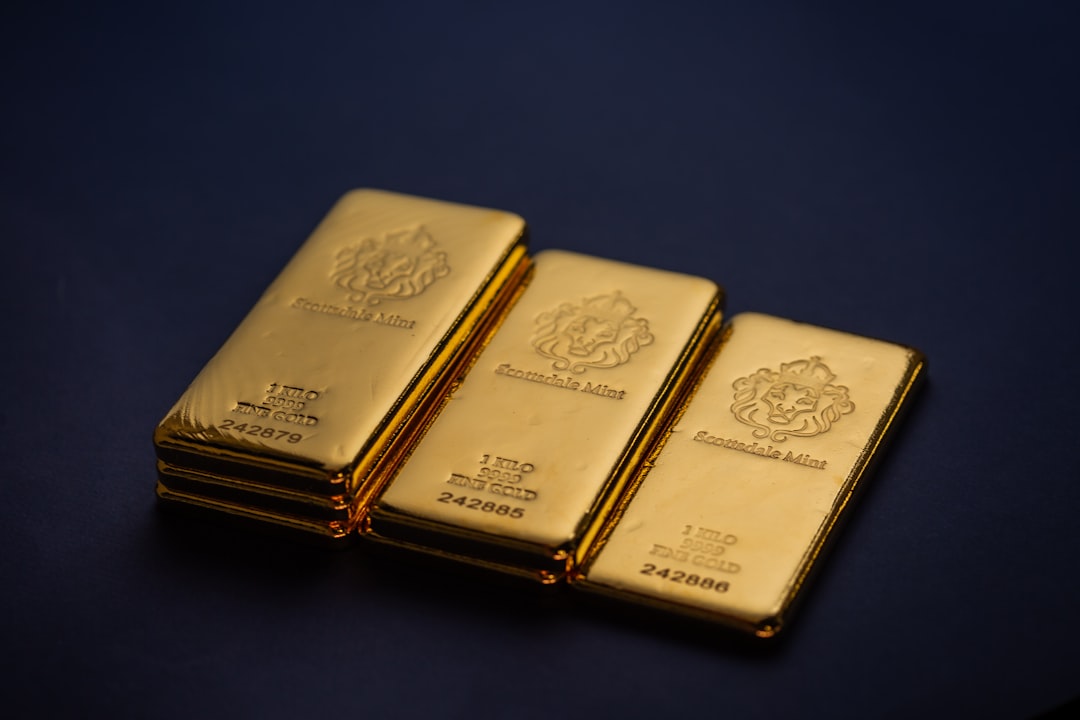
Before we dive into strategy, let’s make sure we’re on the same page. A Gold Commodity ETF (Exchange-Traded Fund) is a fund that trades on a stock exchange just like a regular stock, but its value is tied to the price of gold. Some ETFs hold physical gold bullion in vaults (these are called physically-backed ETFs), while others use futures contracts to track gold prices synthetically. The difference matters more than you might think — physically-backed ETFs tend to track gold prices more closely, while futures-based ETFs can experience something called “roll costs” that slightly erode returns over time.
The 2026 Gold Market Landscape: What the Data Tells Us
Gold has been on a notable run. As of early 2026, spot gold prices have hovered in the $2,800–$3,100 per troy ounce range, reflecting continued demand from central banks (particularly in Asia and the Middle East), retail investors hedging against currency devaluation, and institutional players rebalancing portfolios away from volatile tech equities. The World Gold Council reported that central bank gold purchases in 2025 reached near-record levels for the third consecutive year, adding structural upward pressure to prices.
For retail investors, this environment makes gold ETFs especially compelling — not as a get-rich-quick play, but as a portfolio stabilizer and inflation hedge. Historically, gold has maintained a low or negative correlation with equities, meaning it often holds value (or gains) when stock markets fall. That diversification benefit is very real in 2026’s mixed macro environment.
Top Gold ETFs Worth Knowing in 2026
Here’s a breakdown of some of the most widely traded gold ETFs this year, with key characteristics to help you compare:
- SPDR Gold Shares (GLD) — The granddaddy of gold ETFs. Physically backed, massive liquidity, and widely available on US brokerage platforms. Expense ratio: ~0.40%. Best for: investors who want rock-solid liquidity and global recognition.
- iShares Gold Trust (IAU) — Also physically backed but with a lower expense ratio (~0.25%). A slightly smaller fund than GLD but extremely popular with cost-conscious long-term holders.
- Aberdeen Standard Physical Gold Shares ETF (SGOL) — Stores gold in Swiss vaults, which appeals to investors who appreciate geographic diversification of custody. Expense ratio: ~0.17%.
- VanEck Merk Gold Trust (OUNZ) — Unique feature: you can actually redeem shares for physical gold delivered to you. A favorite among gold purists.
- Korea’s KODEX Gold Futures ETF (한국) — For readers investing through Korean brokerage accounts (e.g., Kiwoom, Mirae Asset), this futures-based domestic ETF offers easy access without currency conversion. Note the futures roll cost consideration.
- iShares Physical Gold ETC (IGLN) — London-listed — Popular among European and UK investors; trades in USD and GBP, physically backed and low-cost.
Domestic vs. International ETF Access: A Practical Comparison
One question I hear constantly: “Should I buy a US-listed gold ETF or a domestic one?” The honest answer is — it depends on your brokerage setup, tax situation, and how much currency risk you’re comfortable with.
If you’re a Korean investor, for example, buying GLD through a foreign stock account means your returns are affected by the KRW/USD exchange rate. When the dollar strengthens against the Korean won, your returns get a bonus boost; when the dollar weakens, it cuts into gains even if gold prices rose. Domestic ETFs like KODEX Gold Futures or TIGER Gold Futures remove that currency layer — but they introduce futures roll costs and may not track spot gold as cleanly. For US-based investors, this is a non-issue, but it’s worth flagging for international readers.
In Japan, ETFs like NEXT FUNDS Gold Price Linked ETF (1328) on the Tokyo Stock Exchange offer yen-denominated exposure, which has been particularly interesting in 2026 given ongoing yen volatility. Similarly, European investors have benefited from the spread of physically-backed ETCs (Exchange-Traded Commodities) across Euronext and the London Stock Exchange.
How Much Should You Actually Allocate to Gold ETFs?
This is where I want us to think realistically together, rather than throwing out a generic number. The classic “10% in gold” rule of thumb has been around for decades, but your ideal allocation really depends on:
- Your investment horizon: Gold shines as a long-term hedge, not a short-term trade. If you’re investing for 10+ years, a 5–15% allocation makes logical sense.
- Your existing equity exposure: If your portfolio is already heavy in international stocks and bonds, gold adds meaningful diversification. If you’re mostly in cash or real estate, the case is weaker.
- Your inflation outlook: Believe inflation will remain sticky through the late 2020s? Lean toward the higher end. Think central banks have it under control? A smaller satellite position works fine.
- Your risk tolerance: Gold can be volatile month-to-month even if it’s stable decade-to-decade. Don’t over-allocate if price swings will keep you up at night.
Step-by-Step: How to Actually Buy a Gold ETF in 2026
Let’s make this concrete. Here’s a simplified flow for most retail investors:
- Step 1 — Choose your brokerage: In the US, Fidelity, Schwab, and TD Ameritrade all support ETF trading with zero commission. Internationally, platforms like Interactive Brokers give access to global ETFs. Korean investors can use Kiwoom Securities or Samsung Securities for both domestic and foreign ETFs.
- Step 2 — Decide: physical-backed or futures-based? For most long-term investors, physically-backed (GLD, IAU, SGOL) is the cleaner choice due to better price tracking.
- Step 3 — Check the expense ratio: Over 10 years, the difference between a 0.40% and 0.17% expense ratio is real money. Don’t ignore it.
- Step 4 — Place a limit order, not a market order: Gold ETFs are liquid, but during volatile sessions, limit orders protect you from unfavorable fills.
- Step 5 — Set a review cadence: Check your gold position quarterly, not daily. Rebalance annually if your allocation drifts significantly from your target.
Tax Considerations You Shouldn’t Skip
Here’s something many new investors overlook: in the United States, physically-backed gold ETFs are classified as collectibles by the IRS, which means long-term capital gains are taxed at a maximum rate of 28% — higher than the standard 15–20% long-term rate for most stock ETFs. This doesn’t make gold ETFs a bad investment, but it does mean holding them in a tax-advantaged account like a Roth IRA or Traditional IRA is especially advantageous. For non-US investors, consult your local tax authority on ETF classification rules, as they vary significantly by country.
Realistic Alternatives If Gold ETFs Don’t Fit Your Situation
Maybe your brokerage doesn’t support the ETF you want, or the tax situation is unfavorable, or you simply want more options on the table. Here are some thoughtful alternatives:
- Gold Mining Stocks or ETFs (e.g., GDX, GDXJ): These give leveraged exposure to gold prices — mining companies benefit disproportionately when gold rises — but they carry operational and management risk beyond just the commodity price.
- Gold Savings Accounts (골드뱅킹): In Korea, banks like KB Kookmin and Shinhan offer gold savings accounts where you buy gold in grams directly. No brokerage needed, no futures complications.
- Digital Gold Platforms: Services like Kinesis Money or platforms integrated into fintech apps allow fractional gold ownership with blockchain-based certificates. Still emerging, but gaining traction in 2026.
- Physical Gold (coins/bars): Still valid, especially for very long-term wealth preservation. Just factor in storage costs, insurance, and liquidity constraints.
- Commodity Mutual Funds: If you’re not comfortable with ETF mechanics, some mutual funds offer gold exposure with active management — typically at a higher cost, but with a professional manager making tactical decisions.
The bottom line? Gold commodity ETFs in 2026 are genuinely one of the most elegant tools for everyday investors to access a multi-thousand-year store of value without ever touching a single gold coin. The key is matching the right ETF structure (physical vs. futures), the right allocation size, and the right account type to your personal financial picture. Don’t let analysis paralysis stop you — starting with even a small, intentional position beats waiting indefinitely for the “perfect” moment.
Editor’s Comment : I want to be honest with you — gold isn’t magic, and it won’t make you wealthy overnight. But as I’ve watched countless friends and readers build portfolios that weather economic storms, the ones who included a thoughtful gold allocation consistently slept better during market turbulence. In 2026’s complex macro environment, that peace of mind is genuinely worth something. Start small, understand what you own, and let compounding do its slow, steady work. 🏅
📚 관련된 다른 글도 읽어 보세요
- Commodities as a Safe Haven in 2026: How to Navigate Global Recession With Smart Raw Material Investing
- 2026년 글로벌 경기침체, 원자재 투자로 자산을 지키는 현실적인 방법
- Commodity Futures Investment Strategy in Practice: What Actually Works in 2026
태그: [‘gold ETF 2026’, ‘commodity ETF investing’, ‘gold investment strategy’, ‘how to buy gold ETF’, ‘portfolio diversification’, ‘inflation hedge 2026’, ‘GLD IAU gold fund’]
Leave a Reply