Picture this: you’re lending a friend $100 for one year, and they offer you 5% interest. But then they ask to borrow the same amount for ten years — and only offer 4.5%. You’d probably raise an eyebrow, right? That’s essentially what’s happening when the U.S. Treasury yield curve inverts, and in 2026, this phenomenon is still one of the most closely watched — and most misunderstood — signals in global finance. Let’s unpack it together.
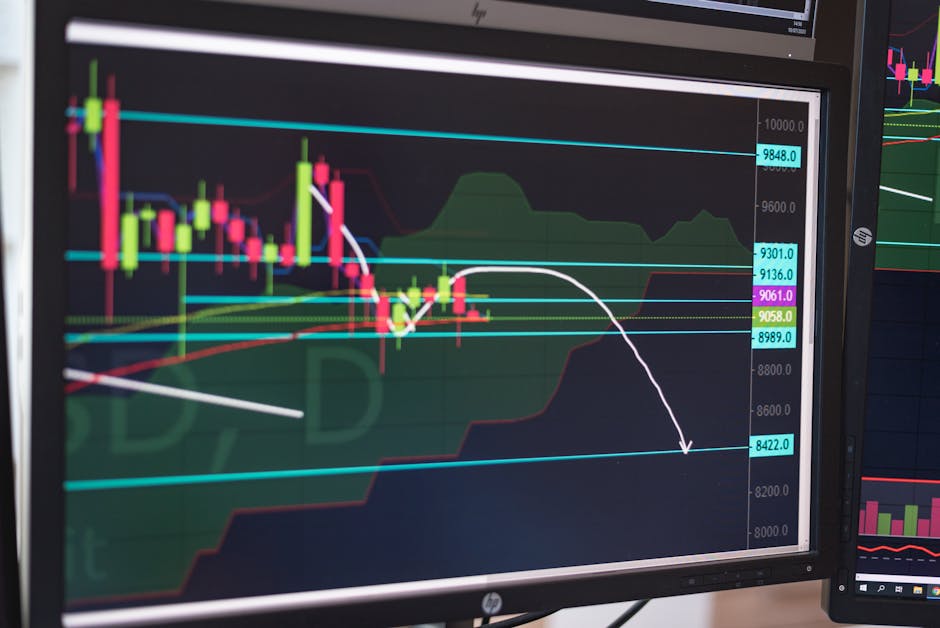
So, What Exactly Is a Yield Curve Inversion?
Under normal circumstances, lending money for longer periods means taking on more risk — uncertainty about inflation, economic shifts, default possibilities — so lenders demand higher interest rates for long-term loans. This creates an upward-sloping yield curve: short-term Treasury yields are lower, long-term yields are higher.
A yield curve inversion happens when this relationship flips. Short-term Treasury bonds (like the 2-year note) start yielding more than long-term ones (like the 10-year note). The most closely watched spread is the 2-year vs. 10-year Treasury yield, often called the “2s10s.”
As of early 2026, the 2s10s spread has been hovering in a narrow range, having gone through an extended inversion period between 2022 and 2024 — the longest inversion in modern U.S. financial history. Watching what follows that inversion is exactly why economists are on high alert right now.
Why Does an Inversion Happen in the First Place?
Here’s where it gets genuinely fascinating. An inversion isn’t some random glitch — it’s the market’s collective opinion screaming at us. There are two main forces at work:
- The Fed’s short-term rate policy: When the Federal Reserve hikes interest rates aggressively (as it did from 2022 through 2023), short-term yields rise sharply because they’re tightly linked to the Fed Funds Rate.
- Long-term investor pessimism: Meanwhile, investors who buy 10-year or 30-year bonds are essentially betting on the future. If they believe economic growth will slow, inflation will cool, and the Fed will eventually cut rates, they accept lower yields on long-term bonds — locking in those rates before they fall further.
The inversion, then, is the bond market whispering (sometimes shouting): “We think the economy is going to struggle, and rates will be lower down the road.”
The Recession Signal: Reliable or Overhyped?
Here’s the data that makes investors nervous. The 2-year/10-year inversion has preceded every U.S. recession since the 1970s — with a typical lag of 12 to 24 months after the inversion first appears. That’s a remarkable track record.
But — and this is crucial — the relationship is a leading indicator, not a guarantee. The 2019 inversion preceded the COVID-19 recession, but that recession was triggered by an exogenous shock, not the underlying financial dynamics the inversion was signaling. The 2022–2024 inversion was the deepest (the spread hit nearly -100 basis points at its worst) and longest on record, yet the U.S. economy showed surprising resilience through much of that period thanks to robust consumer spending and a tight labor market.
In 2026, as the curve has partially normalized, economists are debating whether we’re in the “clear” window between inversion and recession — historically a dangerous spot — or whether the economy has genuinely engineered a soft landing.
Global Examples: It’s Not Just an American Story
The U.S. yield curve gets the headlines, but inversions have played out elsewhere with instructive results:
- Japan (1990s): Japan experienced yield curve distortions during its asset bubble collapse, contributing to the “Lost Decade” — a cautionary tale about ignoring bond market signals.
- Germany (2022–2023): The German Bund curve also inverted as the European Central Bank hiked rates, and the Eurozone did slip into a mild technical recession in late 2023, validating the signal.
- UK (2023–2024): Britain’s curve inverted deeply amid its inflation crisis, and the Bank of England faced the difficult trade-off between fighting inflation and supporting growth — a challenge the yield curve was telegraphing well in advance.
- South Korea & Taiwan (2023): Export-driven economies in Asia saw their own versions of curve flattening as global demand cooled, reflecting interconnected vulnerability to U.S. monetary policy.
The pattern is consistent: inversions tend to reflect genuine macroeconomic anxiety, and dismissing them entirely has historically been a costly mistake for both policymakers and investors.
What This Actually Means for Everyday Financial Decisions
Okay, so the bond market is nervous. What should you actually do with this information? Let’s think through some realistic options based on where you are:
- If you’re a conservative investor: An inverted curve historically means short-term bonds (like 6-month or 1-year T-bills) offer unusually high yields. In 2026, locking in those rates while they’re still elevated can be a smart capital preservation move before the Fed cuts further.
- If you’re invested in equities: Historically, stock markets can continue rising for 6–18 months after an inversion, then pull back sharply. It’s worth reviewing your sector exposure — defensive sectors like utilities, healthcare, and consumer staples tend to hold up better.
- If you’re considering a mortgage or large loan: Fixed long-term rates may actually be more attractive in an inverted environment than variable rates, because variable rates follow short-term benchmarks which are currently elevated.
- If you’re a small business owner: Tighter credit conditions often follow inversions as banks become more cautious. Building cash reserves and locking in existing credit lines before conditions tighten is a prudent step.
- If you’re just starting to invest: Don’t panic. Yield curve inversions are signals, not sentences. Dollar-cost averaging into diversified assets through economic cycles has consistently outperformed reactive market timing over the long run.
The Bigger Picture: What 2026 Is Teaching Us
The extended inversion of 2022–2024 and its slow normalization into 2026 has been a masterclass in how complex modern economies have become. Traditional recession timelines got stretched by pandemic-era fiscal stimulus, AI-driven productivity gains in certain sectors, and the resilience of the U.S. consumer. But the underlying vulnerabilities — commercial real estate stress, elevated corporate debt refinancing needs, and geopolitical trade disruptions — haven’t disappeared. They’ve been delayed.
The yield curve inversion didn’t lie. It may have just needed more time than usual to fully express itself. Watching the curve carefully in 2026 means watching one of the most honest, data-driven conversations happening in global finance right now.
Editor’s Comment : The yield curve is essentially the bond market’s long-term mood ring — and right now, it’s saying “cautiously optimistic, but still watching my back.” Whether you’re managing a portfolio worth millions or just trying to decide whether to lock in a mortgage rate, understanding this signal gives you a genuine edge. You don’t need to be a Wall Street trader to read the room — you just need to know what the room is saying. And in 2026, it’s saying: stay informed, stay diversified, and don’t mistake a delayed signal for a false one.
태그: [‘US Treasury yield curve inversion’, ‘yield curve recession signal 2026’, ‘2-year 10-year Treasury spread’, ‘bond market investing strategy’, ‘Federal Reserve interest rate policy’, ‘recession indicators 2026’, ‘personal finance investment tips’]
Leave a Reply