얼마 전 오랜 투자 동료와 저녁 식사를 하다가 꽤 인상적인 얘기를 들었어요. 그 친구가 2026년 초부터 구리(Copper) ETF 비중을 조용히 늘려왔는데, 주변 사람들은 죄다 AI 반도체 주식에만 몰려 있어서 아무도 신경을 안 쓰더라는 거예요. 근데 지금 돌아보면 그 선택이 꽤 유효했다는 거, 다들 느끼고 계시죠? 원자재 시장은 주식 시장처럼 화려한 스포트라이트를 받지 못하지만, 글로벌 매크로 환경이 흔들릴 때마다 조용히 제 역할을 해왔습니다.
2026년 현재, 원자재 시장은 단순한 ‘경기 사이클’을 넘어서 에너지 전환, 지정학적 리스크, AI 인프라 수요라는 복합적인 구조적 변화를 정면으로 받고 있어요. 오늘은 데이터와 사례를 기반으로 지금 시점에서 원자재 투자를 어떻게 바라봐야 할지 함께 고민해 보려 합니다.
📊 2026년 원자재 시장, 지금 어디쯤 와 있나?
2026년 1분기 기준으로 블룸버그 원자재 지수(Bloomberg Commodity Index, BCOM)는 전년 대비 약 +11.4% 상승한 상태라고 봐도 무방할 것 같습니다. 특히 에너지 전환 관련 금속군(구리, 리튬, 코발트, 니켈)의 상승세가 두드러지고 있고, 전통적인 에너지 섹터인 WTI 원유는 배럴당 $78~$85 구간에서 횡보 중인 흐름을 보이고 있어요.
주목할 만한 수치를 몇 가지 짚어볼게요:
구리(Copper): 2026년 1분기 LME 기준 톤당 약 $10,200~$10,800 수준. AI 데이터센터 전력 인프라 확장, EV 보급 가속화로 수요 급등 중.
금(Gold): 온스당 $2,900~$3,100 선에서 강세 유지. 글로벌 중앙은행들의 금 매입이 3년 연속 1,000톤 이상을 기록하고 있는 게 주요 배경.
리튬(Lithium): 2025년 급락 이후 바닥 다지기 국면. 중국 배터리 수출 규제 이슈와 맞물려 가격 반등 기대감이 있는 상황.
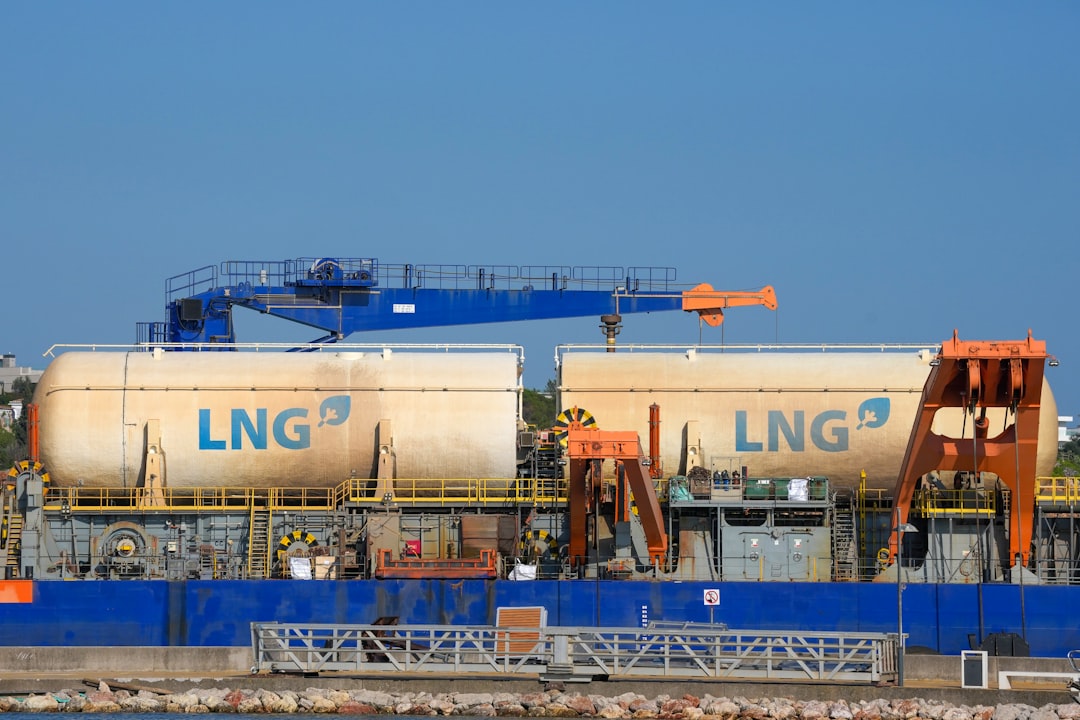
천연가스(LNG): 유럽과 아시아의 에너지 안보 강화 기조로 미국산 LNG 수출 계약이 급증. 헨리허브(Henry Hub) 기준 MMBtu당 $3.2~$4.0 사이.
우라늄(Uranium): 소형모듈원자로(SMR) 관련 정책 확대로 파운드당 $80 이상을 유지하는 흐름.
🔍 구조적 변화 ① — AI 인프라가 원자재 수요를 바꾸고 있다
많은 분들이 AI를 소프트웨어나 반도체 이야기로만 접근하시는데, 사실 원자재 시장에서도 AI발 수요 변화는 상당히 현실적입니다. 데이터센터 한 개를 짓는 데 들어가는 구리의 양은 일반 상업용 건물 대비 4~6배에 달한다고 알려져 있어요. 마이크로소프트, 구글, 아마존이 2026년에만 데이터센터에 투자하는 금액을 합산하면 약 2,000억 달러를 넘는다는 추산이 나오고 있는 만큼, 구리·알루미늄·희토류 등의 수요는 구조적으로 우상향이라고 봐도 좋을 것 같습니다.
실제로 골드만삭스(Goldman Sachs)의 2026년 원자재 전망 보고서에서도 구리를 ’10년 슈퍼사이클의 중심’으로 지목하며 2027년까지 톤당 $12,000 목표가를 제시한 바 있습니다. 물론 단기 조정 구간은 항상 있기 마련이니 분할 매수 관점이 중요하다고 봐요.
🔍 구조적 변화 ② — 지정학 리스크와 공급망 재편
2026년의 원자재 시장에서 절대 빼놓을 수 없는 변수는 공급망 재편입니다. 미중 무역 갈등의 연장선상에서 중국이 희토류, 갈륨, 게르마늄 등의 전략 광물에 대한 수출 제한을 지속하고 있어요. 이에 대응해 미국·EU·일본·한국은 ‘광물 동맹(Critical Minerals Partnership)’을 강화하면서 캐나다, 호주, 칠레 등과의 협력 채굴 계약을 늘리고 있는 상황입니다.
이 흐름은 두 가지를 시사합니다:
중국 의존도가 높은 광물(희토류, 코발트 등)은 공급 불확실성 프리미엄이 반영되어 가격 변동성이 클 수 있다는 점.
반대로 ‘탈중국 공급망’ 수혜를 받는 호주·캐나다·칠레 관련 광산주 및 ETF에 관심을 가져볼 만하다는 점.
📌 2026년 주목할 원자재 투자 전략 유형
원자재 투자 방식은 크게 세 가지로 나눌 수 있는데, 각각 리스크/수익 프로파일이 다르니 본인의 성향에 맞게 선택하는 게 중요할 것 같아요.
① 원자재 ETF: 진입 장벽이 낮고 분산 효과가 있습니다. SPDR Gold Shares(GLD), iShares Copper and Metals Mining ETF(ICOP), Global X Uranium ETF(URA) 등이 대표적. 특히 URA는 2026년 들어 자금 유입이 꾸준히 늘고 있는 흐름.
② 원자재 선물(Futures): 레버리지 효과가 크지만 롤오버 비용(Contango 구조)이 수익을 갉아먹을 수 있어요. 단기 트레이딩보다는 헷징 목적으로 접근하는 게 현실적이라고 봅니다.
③ 광산·에너지 관련 주식: BHP, Rio Tinto, Freeport-McMoRan(FCX), Cameco(CCJ) 같은 기업들은 원자재 가격 상승 시 레버리지 효과를 누릴 수 있어요. 다만 기업 리스크(경영, 규제, 환율)가 추가로 얹히는 구조.
🌏 국내외 사례 — 실제로 어떻게 움직이고 있나?
국내에서는 한국투자신탁운용, 미래에셋자산운용 등이 2026년 초 원자재 관련 ETF 라인업을 보강했습니다. 특히 ‘TIGER 구리실물’ 류의 상품들에 개인 투자자 자금 유입이 꾸준히 증가하는 추세라고 봐요.
해외에서는 노르웨이 국부펀드(GPFG)가 2026년 포트폴리오 내 에너지 전환 관련 광물 비중을 기존 대비 약 1.8배 확대했다는 발표가 있었고, 캐나다 연금(CPP Investments)도 칠레 리튬 광산 지분 투자를 확대한 것으로 알려져 있습니다. 스마트머니가 어디를 향하는지 보이죠?
블랙록(BlackRock)의 2026년 원자재 아웃룩 리포트에서도 “에너지 전환은 단순한 트렌드가 아닌 수십 년에 걸친 구조적 수요 변화
Imagine waking up one morning in early 2026 to find that your retirement fund has dropped 18% overnight — not because of anything you did, but because a mid-sized European nation quietly defaulted on its sovereign bonds, triggering a cascade of margin calls across interconnected financial markets. Sound dramatic? It’s less hypothetical than you might think. This is the world we’re navigating right now, and understanding it isn’t just for Wall Street analysts — it’s essential for anyone trying to make smart financial decisions in their daily life.
📊 The Numbers Don’t Lie: Where Global Debt Stands in 2026
Let’s start with the cold, hard data. According to the International Monetary Fund’s early 2026 assessments, global public debt has surpassed $105 trillion — a figure that represents roughly 93% of global GDP. To put that in perspective, that’s nearly double the ratio we saw just fifteen years ago. The compounding effect of post-pandemic stimulus spending, elevated interest rate environments from 2022 through 2025, and now the lagging consequences of those rate hikes are all converging simultaneously.
Here’s what makes 2026 particularly tricky: central banks are now caught in a painful paradox. Cutting rates too aggressively risks reigniting inflation (which in many economies still hovers around 3.5–4.5%). But keeping rates elevated means governments are spending an increasingly crushing portion of their budgets simply servicing existing debt — not investing in infrastructure, healthcare, or innovation. The United States, for instance, is projected to spend over $1.1 trillion annually on interest payments alone in 2026, surpassing defense spending for the first time in modern history.
🔗 The Interconnection Problem: Why One Domino Matters
Financial markets in 2026 are more interconnected than ever before, largely due to the proliferation of algorithmic trading, cross-border lending facilities, and the global reach of ETFs and index funds. When one major debtor — say, a G20 nation or a large emerging market — signals distress, algorithmic systems react in milliseconds, triggering sell-offs that human traders can barely comprehend before the damage is done.
The “volatility spillover” effect is a term worth knowing here. It refers to how financial turbulence in one market or region rapidly transmits to others through shared investor bases, currency correlations, and commodity price linkages. We saw a textbook example in early 2026 when concerns over Argentina’s restructured debt arrangement and Turkey’s currency pressures simultaneously spooked bond markets in Brazil and South Africa — none of which have direct financial ties to each other at face value.
🌍 International Case Studies: Who’s on the Edge?
Let’s look at some real-world examples that are shaping the instability conversation right now:
Japan: With a debt-to-GDP ratio exceeding 260%, Japan remains the world’s most indebted developed economy. The Bank of Japan’s gradual policy normalization — moving away from decades of near-zero rates — is putting unprecedented pressure on Japanese government bonds (JGBs), and global investors are watching closely. A JGB crisis would be the financial equivalent of an earthquake with a global aftershock.
United States: The U.S. debt ceiling debates of 2025 left lasting credibility scars. While a technical default was averted, credit rating agencies Moody’s and Fitch have both signaled continued negative outlooks, and the cost of insuring U.S. Treasuries via credit default swaps has risen noticeably in early 2026.
China: China’s property sector debt overhang — a story that began with Evergrande in 2021 — continues to weigh on regional banks. Local government financing vehicles (LGFVs) carry an estimated $8–9 trillion in off-balance-sheet liabilities, creating shadow debt risks that the official statistics don’t fully capture.
Emerging Markets (EM): Countries like Egypt, Pakistan, Kenya, and Sri Lanka are navigating severe IMF-conditioned austerity programs while trying to maintain social stability. Dollar-denominated debt is particularly brutal for these nations when the USD remains relatively strong — every percentage point of dollar strength effectively makes their debt burden heavier in local currency terms.
European Periphery: Italy’s debt-to-GDP ratio sits above 145%, and with European Central Bank support mechanisms still being calibrated after the post-pandemic era, spread widening between Italian BTPs and German Bunds is once again a closely watched indicator.
🧠 What Market Instability Actually Looks Like From the Inside
Financial market instability isn’t always a dramatic crash. More often, it manifests as what economists call “fragility accumulation” — a slow build-up of stress in the system that eventually requires only a small catalyst to produce an outsized reaction. In 2026, we’re seeing this in several ways:
Elevated VIX readings: The CBOE Volatility Index (commonly called the “fear gauge”) has been trading at persistently higher levels in 2026 compared to the relative calm of 2019–2020. This tells us investors are paying a premium to hedge against unexpected moves.
Credit spread widening: The gap between yields on high-yield (“junk”) bonds and investment-grade bonds has been gradually widening — a classic early warning signal that credit risk appetite is declining.
Liquidity dry-ups: In several Treasury and sovereign bond markets, bid-ask spreads have widened during stress episodes, meaning it’s become harder (and more expensive) to buy or sell large positions without moving the market.
Currency volatility: Several EM currencies have experienced sharp drawdowns in 2026, while safe-haven flows into the Swiss franc, Japanese yen (paradoxically), and gold have spiked during risk-off episodes.
💡 Realistic Alternatives: How Everyday Investors Can Navigate This
Okay, so the picture is complex and genuinely concerning — but that doesn’t mean you should panic-sell everything and stuff cash under your mattress. Let’s think through some realistic strategies together:
1. Diversification Beyond the Obvious Traditional 60/40 stock-bond portfolios have underperformed during high-inflation, high-debt environments. In 2026, consider exploring diversification into real assets — commodities, infrastructure investments, and real estate investment trusts (REITs) — as well as geographic diversification into markets with lower debt burdens (think: parts of Southeast Asia, Gulf Cooperation Council economies like Saudi Arabia and UAE, or Nordic sovereign bonds).
2. Understand Your Debt Exposure If you carry variable-rate debt (mortgages, credit lines), run a stress-test scenario: what happens to your monthly budget if rates stay elevated for another two years? Building a cash buffer now — even three to six months of expenses — gives you flexibility that markets currently cannot offer.
3. Gold and Inflation-Protected Securities Gold has been quietly performing well in 2026 as a hedge against both currency debasement and geopolitical instability. Treasury Inflation-Protected Securities (TIPS) in the U.S. or their equivalents in other markets offer a more systematic hedge within fixed income.
4. Stay Educated, Not Reactive One of the most expensive mistakes investors make during instability periods is overtrading based on news headlines. Developing a “watch list” of leading indicators — credit spreads, yield curve shape, VIX levels, and central bank commentary — helps you make decisions based on data trends rather than media noise.
5. Consider Sovereign Risk in Your Bond Holdings Not all bonds are created equal. If your portfolio includes international bond ETFs or mutual funds, examine which sovereign issuers you’re actually exposed to. A fund labeled “international bonds” might have significant exposure to distressed or near-distressed issuers.
Editor’s Comment : What strikes me most about the global debt situation in 2026 isn’t the scale of the numbers — it’s the uncomfortable truth that we’ve collectively borrowed against a future that now has to be repaid with interest, literally. The good news is that understanding the mechanics of financial instability is itself a form of protection. The more clearly you can see the system’s pressure points, the less likely you are to be blindsided when — not if — volatility spikes. We’re all navigating this together, and staying curious and informed is genuinely your best financial asset right now. Keep asking questions, keep diversifying your knowledge, and don’t let complexity become paralysis.
얼마 전 지인 한 명이 이런 말을 했어요. “요즘 뉴스 보면 맨날 부채 위기, 금리 인상, 채권 시장 붕괴 얘기인데… 나한테 실제로 어떤 영향이 오는 거야?” 솔직히 저도 처음엔 막막했어요. ‘글로벌 부채 위기’라는 단어는 어딘가 거시적이고 멀게 느껴지지만, 실제로는 우리가 받는 대출 금리, 적금 이자, 심지어 직장의 안정성까지 연결되어 있거든요. 2026년 현재, 국제통화기금(IMF)과 세계은행은 이 문제를 전례 없는 수준의 경고 수위로 다루고 있습니다. 오늘은 그 배경과 메커니즘을 함께 짚어보고, 우리가 어떤 눈으로 시장을 바라봐야 할지 고민해 보려 해요.
📊 본론 1 — 숫자로 보는 글로벌 부채의 민낯
2026년 1분기 기준, 국제금융협회(IIF)가 발표한 데이터에 따르면 전 세계 총부채 규모는 약 330조 달러를 넘어선 것으로 추정됩니다. 이는 글로벌 GDP 대비 약 340%에 달하는 수치예요. 불과 10년 전인 2016년과 비교해도 약 90조 달러 이상 늘어난 셈이라, 그 속도가 얼마나 가파른지 체감이 되실 거예요.
더 주목해야 할 부분은 ‘부채의 질’입니다. 단순히 양이 늘어난 게 아니라, 고금리 환경이 장기화되면서 이자 상환 부담이 폭발적으로 커졌다는 점이에요. 미국의 경우 연방 정부의 연간 순이자 비용이 2026년 들어 1조 달러를 초과한 것으로 집계되고 있어요. 이는 미국 국방 예산을 상회하는 수준입니다. 신흥국(이머징 마켓)은 상황이 더 가혹해요. 달러 강세와 고금리가 동시에 작용하면서, 달러 표시 부채를 가진 국가들은 원리금 상환에 GDP의 20~30%를 쏟아붓는 경우도 생기고 있습니다.
채권 시장에서도 이상 신호가 감지되고 있어요. 이른바 ‘장단기 금리 역전'(Yield Curve Inversion) 현상이 2023년부터 시작되어 2025년 말까지 장기화됐고, 이 시그널은 역사적으로 경기침체 전조로 해석되어 왔습니다. 2026년 현재는 일부 정상화 기미가 보이지만, 시장 참여자들의 불안감은 여전히 높은 편이에요.
🌍 본론 2 — 국내외 사례로 보는 불안정성의 실체
[ 해외 사례 — 아르헨티나·이집트·파키스탄의 연쇄 디폴트 위기 ]
2025년 하반기부터 아르헨티나는 또 한 번 IMF 구제금융 협상의 중심에 섰어요. 밀레이 정부의 긴축 정책에도 불구하고 인플레이션이 잡히지 않으면서, 국채 스프레드(위험 프리미엄)가 급등했죠. 이집트와 파키스탄 역시 외환보유고 부족과 외채 상환 압박으로 IMF 프로그램을 연장 적용받고 있는 상황입니다. 이런 연쇄 사례들은 ‘취약 신흥국 도미노’라는 표현이 과장이 아님을 보여주고 있어요.
[ 선진국 사례 — 유럽의 재정 갈등 재연 ]
2010년대 유럽 재정위기의 악몽이 완전히 끝난 게 아닐 수 있어요. 2026년 현재, 이탈리아의 GDP 대비 국가부채 비율은 약 145%에 육박하고 있고, 프랑스 역시 115%를 넘어서는 수준이라고 봅니다. 유럽중앙은행(ECB)이 금리 인하 기조로 전환하면서 숨통이 트이는 듯했지만, 근본적인 재정 건전성 문제는 해소되지 않았다는 평가가 지배적이에요.
[ 국내 사례 — 한국의 가계부채와 PF 리스크 ]
한국의 상황도 결코 안심할 수준이 아닙니다. 2026년 1분기 기준 한국의 가계부채는 GDP 대비 약 98~100% 수준으로, 여전히 OECD 최상위권에 위치해 있어요. 특히 2024~2025년을 거치며 불거진 부동산 프로젝트파이낸싱(PF) 부실화 문제가 완전히 정리되지 않은 상태라, 제2금융권과 일부 증권사의 자산 건전성 우려가 남아 있는 상황입니다.
⚠️ 금융시장 불안정성을 키우는 핵심 변수들
고금리 장기화(Higher for Longer): 중앙은행들의 신중한 금리 인하 속도로 인해 차환(리파이낸싱) 비용이 높은 수준을 유지하고 있어요. 기업과 정부 모두 부채 만기 도래 시점에 더 높은 이자를 감내해야 하는 구조입니다.
달러 패권과 환율 변동성: 달러 강세가 지속될 경우 달러 부채를 보유한 신흥국들의 상환 부담이 기하급수적으로 커져요. 이는 자본 유출과 통화 가치 하락의 악순환으로 이어질 수 있습니다.
지정학적 리스크의 내재화: 러시아-우크라이나 분쟁 장기화, 중동 긴장감, 미중 무역 갈등 등이 에너지·식량 가격 변동성을 높이고, 이는 재정 지출 압박으로 연결됩니다.
그림자 금융(Shadow Banking)의 확대: 규제 밖에서 운용되는 사모펀드, 헤지펀드, 크립토 레버리지 포지션 등이 시스템 리스크를 키우는 잠재 요인으로 꼽히고 있어요.
인구구조 변화와 복지 지출 증가: 고령화 사회에 접어든 선진국들은 연금·의료비 지출이 빠르게 증가하고 있어, 재정 여력이 점점 줄어드는 구조적 문제에 직면해 있습니다.
💡 결론 — 우리는 지금 어떻게 대응해야 할까?
글로벌 부채 위기는 단번에 해결될 성질의 문제가 아닌 것 같아요. 오히려 ‘서서히 끓는 물 속의 개구리’ 비유처럼, 급격한 충격보다는 장기적인 마찰과 조정이 계속될 가능성이 높다고 봅니다. 그렇다면 개인 투자자 혹은 일반 가계 입장에서는 어떤 현실적인 대응이 가능할까요?
첫째, 자산 배분의 분산이 그 어느 때보다 중요합니다. 특정 국가, 특정 통화에 집중된 포트폴리오는 지정학·환율 리스크에 크게 노출될 수 있어요. 달러 자산, 실물 자산(금·원자재), 국내외 채권의 비중을 균형 있게 조정해 보는 것이 현명한 접근일 수 있습니다.
둘째, 개인 부채의 선제적 관리가 필요해요. 변동금리 대출을 보유 중이라면 고정금리 전환 여부를 지금이라도 검토해볼 만합니다. 금리 인하 기조가 예상보다 느릴 수 있기 때문이에요.
셋째, 정보 리터러시를 높이는 것도 대응 전략의 일부입니다. 매크로 경제 이슈를 단순히 뉴스 헤드라인으로 소비하는 게 아니라, IMF·BIS·한국은행 등 공신력 있는 기관의 보고서를 주기적으로 확인하는 습관이 도움이 될 거예요.
에디터 코멘트 : 글로벌 부채 위기를 이야기할 때 가장 경계해야 할 건 두 가지 극단인 것 같아요. 하나는 “곧 대공황이 온다”는 식의 과잉 공포, 다른 하나는 “나랑은 상관없는 이야기”라는 무관심이에요. 현실은 그 사이 어딘가에 있고, 우리는 그 사이에서 냉정하게 판단하고 꾸준히 준비하는 수밖에 없는 것 같습니다. 지금 당장 세상이 뒤집히는 게 아니라, 서서히 구조가 재편되고 있다는 감각 — 그 감각을 유지하는 것만으로도 이미 절반은 준비된 거라고 생각해요. 😊
Let me take you back to early 2026, when headlines were screaming about the U.S. dollar hitting multi-year lows against a basket of major currencies. Around the same time, a friend of mine — a small-scale coffee importer in Seoul — called me in a mild panic. His bean costs had jumped nearly 18% in three months, and he couldn’t quite figure out why his supplier in Brazil was suddenly charging so much more. The answer, as we’ll explore together today, had a lot to do with the dollar — and understanding that relationship could genuinely change how you think about everything from grocery prices to investment strategy.
The Mechanics: Why Does a Weak Dollar Push Commodity Prices Up?
Most major commodities — crude oil, gold, copper, wheat, soybeans — are priced globally in U.S. dollars. This is a legacy of the Bretton Woods era, and it creates a fascinating inverse relationship that plays out almost like clockwork. Here’s the logic chain, step by step:
Dollar weakens → commodities get cheaper for foreign buyers: When the dollar loses value, a Brazilian farmer or a Saudi oil producer effectively gets fewer dollars for the same amount of goods. To maintain their revenue in local currency terms, they either reduce supply or prices rise in dollar terms — or both.
Commodity producers price to protect purchasing power: Nations and companies that earn in dollars but spend in local currencies constantly recalibrate. A weaker dollar means their dollar revenues buy less at home, so upward price pressure is baked in.
Speculative flows amplify the move: Institutional investors often treat commodities, especially gold, as dollar-hedge assets. When the DXY (U.S. Dollar Index) falls, money flows into commodity futures, driving prices further.
Inflation expectations compound the cycle: A weak dollar typically signals or causes broader inflation, which itself drives commodity demand as a store of value.
The Data in 2026: Correlation Coefficients That Matter
Let’s get specific. As of Q1 2026, the DXY has declined approximately 8.3% from its late-2025 peak, settling in a range around 98–101. Here’s how key commodities have responded during the same window:
Gold (XAU/USD): Up roughly 14.2%, breaking above $3,100/oz and testing all-time highs. The inverse correlation with the DXY has been especially tight — a -0.87 correlation coefficient over the trailing 90 days. This is about as close to a perfect inverse relationship as financial markets get.
Crude Oil (WTI): Up approximately 9.5%, though the picture here is murkier. OPEC+ supply decisions and geopolitical tensions in the Middle East have added noise. Still, the dollar-oil correlation sits around -0.61 — meaningful but not as clean as gold.
Copper: Up around 11.8%, driven by both dollar weakness and surging demand from the EV battery and grid infrastructure sectors. Copper is now widely called “the new gold” by commodity analysts, and its correlation with dollar moves has strengthened to roughly -0.74.
Wheat & Agricultural Commodities: More volatile and driven by seasonal and weather factors, but still showing a notable -0.52 average correlation with the DXY. This is exactly what hit my coffee-importer friend — agricultural prices don’t move as cleanly, but the dollar tailwind is real.
Real-World Examples: From Seoul to São Paulo to Riyadh
The theory is clean, but the real world adds fascinating layers. Let’s look at a few cases from 2026 that illustrate how this plays out differently across economies.
South Korea — Import Cost Pressure: South Korea imports roughly 92% of its energy needs and is a massive importer of industrial metals and agricultural goods. As the won has strengthened modestly against the dollar in 2026 (partially offsetting commodity price rises), Korean manufacturers are caught in a complex squeeze: cheaper dollar costs partially offset by higher commodity benchmark prices. The Bank of Korea has had to carefully calibrate rate decisions with one eye firmly on commodity inflation.
Brazil — The Producer’s Windfall: Brazil is a textbook beneficiary of dollar weakness. As a massive exporter of soybeans, iron ore, coffee, and oil, Brazilian producers receive higher dollar prices while their costs remain primarily in reais. In Q1 2026, Brazil’s trade surplus widened noticeably, and the Bovespa index showed strong commodity sector gains. My coffee-importer friend’s pain is literally a Brazilian farmer’s gain.
Saudi Arabia & OPEC+ — The Complication: Here’s where it gets interesting. Saudi Arabia pegs the riyal to the dollar, so dollar weakness directly erodes the kingdom’s real purchasing power. This creates internal pressure within OPEC+ to maintain higher oil prices in dollar terms — one reason why production cut discussions intensified in early 2026. It’s a self-reinforcing cycle: weak dollar → OPEC wants higher prices → supply restrictions → oil prices rise further.
When the Correlation Breaks Down — And It Does
Here’s something I think is really important to understand: the dollar-commodity correlation is powerful, but it’s not universal or unbreakable. There are several scenarios where it decouples:
Supply shocks override dollar effects: A drought in Australia or a conflict disrupting shipping lanes can send wheat or oil surging regardless of where the dollar is trading.
Demand collapse: A sharp global recession can crush commodity demand even as the dollar weakens, as we saw in parts of 2015–2016.
Currency interventions: When major central banks aggressively intervene in FX markets, the natural correlation can be temporarily disrupted.
Commodity-specific fundamentals: Natural gas in Europe, for example, has often traded on its own supply dynamics with a much weaker dollar correlation than oil.
Realistic Alternatives: How to Actually Use This Knowledge
Now, let’s bring this home to what you can actually do with this understanding. I’m not here to tell you to become a commodity trader overnight — that’s a specialized field with real risks. But there are practical, tiered approaches depending on your situation:
For investors: Consider a modest allocation (typically 5–15% of a diversified portfolio, depending on risk tolerance) to commodity-linked assets — gold ETFs, commodity index funds, or stocks of resource-producing companies — as a dollar-hedge component. In a sustained weak-dollar environment like 2026, this has historically provided meaningful portfolio stabilization.
For small business owners (like my coffee importer): Look seriously at currency hedging instruments. Forward contracts and options are not just for big corporations. Many banks and fintech platforms in 2026 offer accessible hedging tools for SMEs. Locking in favorable exchange rates when the dollar is weak can provide a crucial buffer.
For consumers: The practical play is awareness and timing. If you’re planning a large purchase of imported goods — electronics, vehicles, food commodities — dollar weakness is a signal that prices may rise further. Acting with some lead time can save real money.
For policy-aware citizens: Understanding this correlation helps you interpret news more critically. When your government talks about inflation, you can now ask the right follow-up question: “And what’s the dollar doing?”
The dollar-commodity relationship is one of those macroeconomic patterns that, once you see it, you can’t unsee it. It doesn’t predict the future perfectly — nothing does — but it gives you a framework for thinking about why prices move the way they do. And in a year like 2026, where dollar volatility has been a defining story, that framework is genuinely valuable.
So next time you see the DXY dropping in the news ticker, don’t just scroll past. Think about what that might mean for your grocery bill, your investment portfolio, or your business costs. The global economy is more connected than it often feels, and the dollar is one of its most important threads.
Editor’s Comment : The dollar-commodity correlation is one of the most consistently misunderstood relationships in everyday economic life — people feel its effects at the supermarket and gas station without realizing the macro thread connecting them. In 2026, with dollar weakness becoming a sustained rather than episodic story, this knowledge isn’t just academic. The most actionable takeaway here isn’t to become a macro trader, but to develop the habit of checking dollar direction alongside commodity news — that dual-lens view will make you a sharper thinker about prices, inflation, and economic trends than 95% of the people around you.
얼마 전 한 지인이 이런 말을 했어요. “뉴스에서 달러가 약해진다고 하는데, 그게 금값이랑 무슨 상관이야?” 솔직히 처음 들으면 두 개념이 왜 연결되는지 직관적으로 느껴지지 않죠. 그런데 막상 파고들어 보면, 달러와 원자재 가격 사이에는 수십 년에 걸쳐 검증된 아주 강력한 역(逆)의 관계가 존재합니다. 2026년 현재, 미국 달러 인덱스(DXY)가 장기 하락 추세에 진입했다는 분석이 속속 나오는 시점에서 이 관계를 제대로 이해해두는 건 투자자뿐 아니라 일상적인 소비와 물가를 이해하는 데도 꽤 유용하다고 봅니다. 지금부터 함께 차근차근 살펴볼게요.
① 달러와 원자재, 왜 반대로 움직일까? — 구조적 메커니즘
원자재(Commodity)는 국제 시장에서 대부분 미국 달러(USD)로 가격이 표시됩니다. 금, 원유, 구리, 밀, 대두 등이 대표적이죠. 여기서 핵심 논리가 시작됩니다.
달러 가치가 하락하면, 같은 원자재를 사기 위해 더 많은 달러가 필요하게 됩니다. 반대로 비(非)달러권 국가 입장에서는 자국 통화로 환산했을 때 원자재가 상대적으로 저렴해지니 수요가 늘어나고, 그 수요 증가가 가격을 다시 끌어올리는 방향으로 작용해요. 이것이 달러 약세 → 원자재 가격 상승으로 이어지는 기본 회로입니다.
물론 이게 전부는 아니에요. 달러 약세는 종종 미국의 통화 완화 정책(금리 인하)과 동반되는 경우가 많고, 이때 시장에 풀린 유동성은 안전자산이나 실물자산으로 흘러들어 원자재 수요를 추가로 자극합니다. 두 가지 힘이 겹쳐지면서 상관관계가 더욱 강화되는 구조라고 볼 수 있어요.
② 수치로 보는 상관관계 — 역사적 데이터가 말해주는 것
경제학계에서 달러 인덱스(DXY)와 주요 원자재 지수 간의 상관계수를 분석한 다수의 연구에서는 -0.6 ~ -0.8 수준의 강한 음(陰)의 상관관계가 반복적으로 확인됩니다. 즉, 달러가 1% 하락할 때 원자재 가격은 평균 0.6~0.8% 상승하는 경향을 보인다는 거예요.
몇 가지 주목할 만한 사례를 짚어볼게요.
2002~2008년 달러 약세 국면: DXY가 약 40% 하락하는 동안 국제 유가(WTI)는 배럴당 20달러대에서 140달러대까지 치솟았고, 금 가격도 온스당 300달러에서 1,000달러를 돌파했습니다.
2020~2021년 코로나 이후 달러 약세: 연준(Fed)의 대규모 양적완화로 DXY가 103에서 90 아래로 급락한 시기, 구리 가격은 톤당 5,000달러에서 10,000달러 이상으로 두 배 이상 상승했습니다.
2026년 현재 국면: 2025년 후반부터 시작된 연준의 점진적 금리 인하 기조 속에서 DXY는 2026년 1분기 기준 100선 초반대로 내려앉은 상황이라고 볼 수 있어요. 이와 맞물려 금 가격은 온스당 3,200달러를 상회하며 사상 최고치 행진을 이어가고 있고, 원유와 농산물 가격도 상방 압력을 받고 있습니다.
③ 원자재별 달러 민감도는 다르다 — 세분화된 시각
모든 원자재가 동일하게 반응하지는 않아요. 각 원자재의 특성에 따라 달러 민감도에 차이가 있다고 봅니다.
금(Gold): 달러와의 역상관관계가 가장 강한 자산 중 하나입니다. 금은 그 자체로 ‘대안 통화(Alternative Currency)’로 인식되기 때문에, 달러 신뢰도가 떨어지는 국면에서 더욱 강하게 반응해요. 달러 민감도 ★★★★★
원유(Crude Oil): 달러 요인 외에도 OPEC+ 생산량 결정, 지정학적 리스크, 계절적 수요 등 변수가 많아 상관관계가 다소 불안정할 수 있습니다. 달러 민감도 ★★★★
구리(Copper): ‘닥터 코퍼(Dr. Copper)’라는 별명답게 글로벌 경기 사이클과 연동되는 측면이 강합니다. 달러 약세 + 경기 회복 국면에서는 폭발적으로 오를 수 있어요. 달러 민감도 ★★★★
농산물(밀·대두·옥수수): 달러 외에도 기상 이변, 물류 비용, 각국 보호무역 정책에 크게 영향을 받습니다. 달러 민감도는 상대적으로 낮은 편이에요. 달러 민감도 ★★★
④ 국내 소비자와 기업에 미치는 영향 — 한국 사례
이 이야기가 단순히 투자자들만의 관심사가 아닌 이유가 있어요. 한국은 에너지와 원자재 수입 의존도가 매우 높은 나라입니다. 원유는 100% 수입, 곡물 자급률도 낮은 편이죠.
달러 약세 → 원자재 가격 상승이라는 흐름이 형성될 때, 한국 기업들은 이중의 영향을 받게 됩니다. 원화가 달러 대비 강세를 보이면 수입 원자재 부담이 일부 완화되지만, 달러 표시 원자재 가격 자체가 상승하면 결국 수입 단가는 올라가게 되어 있어요. 2026년 현재 원/달러 환율이 1,350원 내외에서 등락하는 상황에서, 국내 정유·화학·철강 업계는 원가 상승 압력을 면밀하게 모니터링하고 있습니다.
소비자 입장에서도 이 흐름은 결국 식품 물가, 전기·가스 요금, 공산품 가격에 반영되어 체감 물가 상승으로 이어질 수 있다는 점에서 남의 이야기가 아닌 것 같아요.
⑤ 상관관계가 무너지는 경우도 있다 — 예외 케이스 이해하기
물론 달러 약세라고 해서 원자재가 항상 오르는 건 아닙니다. 몇 가지 예외 상황을 알아두는 것이 중요해요.
글로벌 경기 침체 동반 시: 달러가 약해지더라도 수요 자체가 급감하면 원자재 가격은 하락할 수 있습니다. 2008년 금융위기 때 하반기에 유가가 급락한 게 대표적인 사례예요.
공급 과잉 구조: 특정 원자재의 공급이 구조적으로 과잉 상태일 경우 달러 약세 효과가 상쇄될 수 있습니다.
지정학적 충격: 전쟁이나 대규모 공급망 차단 같은 돌발 변수는 달러 변동보다 훨씬 강력하게 가격을 움직이기도 해요.
결국 달러 약세는 원자재 가격 상승의 충분조건이 아니라 필요 조건에 가깝다고 보는 게 더 정확할 것 같습니다.
⑥ 2026년 현재 투자자라면 어떻게 접근할까
달러 약세 사이클이 이어지는 국면에서 원자재 관련 자산에 관심을 갖는 건 자연스러운 흐름이라고 봅니다. 다만 몇 가지를 고려해야 해요.
직접 투자 vs 간접 투자: 금은 KRX 금시장을 통해 소액으로 직접 매수할 수 있고, 원유나 구리는 국내 상장된 ETF나 ETN을 통해 간접 투자하는 방법이 접근하기 편합니다.
포트폴리오 헤지 관점: 원자재는 전통 주식·채권과 낮은 상관관계를 가져 포트폴리오 다변화 효과가 있어요. 특히 인플레이션 헤지(hedge) 수단으로 금과 원자재의 역할이 재조명되고 있는 시점입니다.
환율 리스크 이중 체크: 달러 약세 국면에서는 원화 강세가 동반될 수 있어, 달러 표시 자산의 원화 환산 수익률이 생각보다 낮게 나올 수 있습니다. 환 헤지 상품 여부를 꼭 확인해야 해요.
과도한 집중 투자 경계: 상관관계 분석은 방향성의 참고 지표일 뿐, 단기 가격 예측 도구가 아닙니다. 변동성이 큰 원자재 시장에서 레버리지 상품은 특히 신중하게 접근해야 한다고 봅니다.
에디터 코멘트 : 달러와 원자재의 관계는 경제 뉴스를 읽는 하나의 ‘언어’처럼 느껴져요. 달러 인덱스가 흔들린다는 뉴스를 볼 때 “그러면 금값, 유가는 어떻게 되겠네\
Picture this: you walk into your usual grocery store in April 2026, grab the same basket of items you’ve been buying for years, and somehow the total is still stubbornly higher than it felt just a couple of years ago. You’re not imagining it — and you’re definitely not alone. The question most of us are wrestling with isn’t just why prices are the way they are, but what comes next and, more practically, what we can actually do about it in our daily lives.
Let’s think through this together, because the 2026 inflation story is genuinely nuanced — and understanding it can genuinely help you make smarter decisions.
Where Does Inflation Actually Stand in 2026?
Heading into 2026, most major economies had hoped to see a clean, comfortable landing from the inflation surges of the early-to-mid 2020s. The reality? It’s more of a “bumpy taxi down the runway” situation. In the United States, the Consumer Price Index (CPI) has been hovering in the 3.1%–3.8% annual range through early 2026 — still above the Federal Reserve’s cherished 2% target, but nowhere near the alarming peaks of 2022. In South Korea, the Statistics Korea (통계청) CPI data shows consumer prices running around 2.9%–3.4% year-over-year, with food and energy remaining the most volatile subcategories.
Here’s the thing that often gets lost in headlines: CPI is an average. Depending on your spending pattern, your personal inflation rate could be significantly higher or lower. If you own your home outright and rarely dine out, you’re living in a very different economic reality than a renter in Seoul or San Francisco who relies on public transit and food delivery.
Breaking Down the Key Drivers in 2026
So what’s actually keeping inflation elevated? A few converging pressures are worth understanding:
Shelter & Rent Costs: Housing remains one of the stickiest components of CPI in both the U.S. and Korea. Even as home purchase prices have softened in some markets, rental costs have proven remarkably resilient — partly due to constrained housing supply and demographic demand from millennials and Gen Z household formation.
Food Price Volatility: Climate disruption continued to impact agricultural output through 2025 into 2026. Olive oil, cocoa, and certain grains saw disproportionate price increases globally. Korea, which imports a significant share of its food, has felt secondary effects, particularly in processed food and restaurant pricing.
Services Inflation (“Supercore”): Central bankers worldwide have been watching this category closely. Services like healthcare, education, haircuts, and personal care continue to inflate faster than goods — largely because service prices are driven by labor costs, and wage growth has remained relatively strong.
Energy Market Swings: Geopolitical factors and the ongoing energy transition have created a volatile oil and gas environment. While not at crisis levels, energy price fluctuations continue to ripple through transportation and manufacturing costs.
Supply Chain “Rehardening”: The era of ultra-cheap, hyper-globalized supply chains is genuinely over. Companies have been diversifying sourcing and reshoring production since 2023, and those structural costs are now baked into product pricing.
International Comparisons: How Does Korea Stack Up?
Zooming out globally gives us useful perspective. The European Central Bank (ECB) has managed to bring Eurozone inflation closer to its 2% target in early 2026, helped by weaker consumer demand and faster energy normalization. Japan, interestingly, is experiencing the opposite problem — after decades of deflation, Japanese inflation has been running around 2.5–3%, which policymakers there are actually cautiously optimistic about, as it signals economic revitalization.
In emerging markets, the picture is more concerning. Several countries in Latin America and parts of Southeast Asia are still dealing with double-digit inflation rates, driven by currency depreciation and commodity dependence. This global mosaic reminds us that “inflation” isn’t one monolithic experience — context matters enormously.
For Korean consumers specifically, the won-dollar exchange rate dynamic adds another layer. A relatively weaker won in 2025–2026 has increased the import cost of dollar-denominated commodities, subtly amplifying domestic price pressures beyond what headline CPI numbers immediately suggest.
What Central Banks Are (and Aren’t) Doing
The Bank of Korea (한국은행) and the U.S. Federal Reserve have both been in a holding pattern through much of early 2026 — neither aggressively cutting rates nor hiking further. This “higher for longer” posture reflects genuine uncertainty. Cut too soon and inflation could re-accelerate; hold too long and economic growth stalls. It’s a genuine tightrope walk, and both institutions have signaled they want to see sustained progress before pivoting.
The Fed’s preferred inflation measure, the PCE (Personal Consumption Expenditures) index, is being watched even more closely than CPI in 2026, as it tends to be a more accurate reflection of actual consumer behavior shifts.
Realistic Alternatives: What You Can Actually Do
Here’s where I want to shift from analysis to action — because understanding inflation trends is useful, but adapting your financial habits is where real leverage lives.
Audit your “lifestyle inflation”: Many of us quietly upgraded our spending habits during the post-pandemic boom. Now is a good time to distinguish between needs, wants, and habits that just stuck around.
Shift to inflation-resilient savings: In a 3%+ inflation environment, cash sitting in low-yield accounts is slowly losing purchasing power. I-bonds (in the U.S.), inflation-linked deposits (물가연동예금 in Korea), or diversified index investing become more relevant conversations to have with a financial advisor.
Renegotiate recurring costs: Insurance premiums, subscription services, and phone/internet plans are all worth reviewing. Companies are often willing to negotiate retention deals — especially in a market where customer acquisition costs are high.
Cook the inflation math on big purchases: If you’re considering a major purchase — appliance, vehicle, home renovation — it’s worth modeling whether prices in that category are still inflating, stabilizing, or potentially softening. Not everything moves at the same pace.
Build a “buffer fund” rather than just an emergency fund: In an inflationary environment, a traditional 3-month emergency fund may not stretch as far. Financial planners in 2026 are increasingly recommending 4–6 months of living expenses, calibrated to current — not past — cost levels.
None of these are silver bullets, but each one represents a concrete, realistic step that adds up. Inflation is ultimately a macro-level force — but our micro-level responses are where we actually have agency.
Editor’s Comment :Inflation in 2026 isn’t the fire alarm emergency it was in 2022, but it’s also not fully extinguished — it’s more like a persistent low simmer that requires ongoing attention. The good news is that understanding the “why” behind price trends genuinely empowers smarter personal and household decisions. Don’t just absorb the headlines; use the data to reframe your own budget, savings strategy, and purchasing timeline. Your wallet will thank you for thinking one layer deeper.
얼마 전 마트에서 장을 보다가 문득 멈칫했어요. 분명히 작년에 1,200원이었던 두부가 어느새 1,680원이 되어 있더라고요. 그냥 지나칠 수도 있었는데, 장바구니 물가가 체감상 예전과 확실히 다르다는 느낌이 마음에 걸렸습니다. 그 느낌이 단순한 착각인지, 아니면 실제 데이터가 뒷받침하는 현실인지 — 오늘은 2026년 현재 기준으로 인플레이션 추이와 소비자물가 흐름을 차근차근 같이 들여다보려 해요.
특히 2022~2023년 고물가 쇼크를 겪고 나서 2024~2025년에 어느 정도 안정세를 보이는 듯했지만, 2026년 들어 다시 미묘한 변화가 감지되고 있다는 점에서 지금이 꽤 중요한 시점인 것 같습니다.
📊 2026년 소비자물가지수(CPI), 숫자로 보면 어떨까?
통계청 소비자물가동향 기준으로, 2026년 초반(1~3월) 소비자물가 상승률은 전년 동월 대비 약 2.8~3.1% 수준을 오가고 있는 것으로 파악됩니다. 한국은행이 물가 안정 목표로 설정한 2%를 여전히 상회하고 있는 상황이에요.
항목별로 조금 더 세밀하게 살펴보면 이렇습니다.
식품 및 비주류음료: 전년 대비 약 +4.2% 상승 — 기상이변에 따른 농산물 작황 부진이 주요 원인으로 꼽힙니다.
주거·수도·광열: 약 +3.6% — 전세가와 월세가 동반 상승하면서 서울·수도권 중심으로 주거비 부담이 다시 커지고 있어요.
교통: 약 +1.9% — 국제유가가 비교적 안정적으로 유지되면서 다른 항목보다 상승 폭이 낮은 편입니다.
외식·음식 서비스: 약 +4.8% — 인건비 상승과 식재료 가격 전가 효과가 맞물려 외식물가 상승세가 두드러집니다.
교육: 약 +2.3% — 사교육 수요는 여전히 견조하며, 학원비 인상이 꾸준히 이어지고 있습니다.
핵심 인플레이션(에너지·식품 제외 근원물가)은 약 2.4% 수준으로, 헤드라인 CPI보다 낮지만 여전히 목표치를 넘기고 있어요. 이 근원물가가 끈질기게 높은 수준을 유지한다는 것은 단순한 일시적 충격이 아니라 구조적인 물가 압력이 남아 있다고 볼 수 있는 근거입니다.
🌐 국내외 인플레이션 흐름, 어떻게 비교되나?
미국의 경우, 2022년 정점(약 9.1%)을 찍은 뒤 연준(Fed)의 공격적인 금리 인상 사이클을 거쳐 2025년 말 기준 약 2.4~2.6% 수준까지 내려온 것으로 알려져 있습니다. 2026년 들어서도 비슷한 레인지를 유지하고 있는 것 같아요. 다만 트럼프 행정부의 관세 정책 확대로 수입 물가 압력이 다시 올라올 가능성이 거론되고 있는 상황이라 주시할 필요가 있습니다.
유럽(유로존)은 에너지 가격 안정화로 한동안 2%대에 근접했지만, 러시아-우크라이나 전쟁의 장기화와 에너지 공급망 불확실성이 여전히 변수로 남아 있어요. ECB(유럽중앙은행)의 금리 인하 속도도 예상보다 신중한 흐름을 보이고 있습니다.
국내로 다시 돌아오면, 한국은 수입 의존도가 높은 경제 구조상 국제 원자재 가격과 환율의 영향을 크게 받습니다. 2026년 원/달러 환율이 1,380~1,420원대를 오가면서 수입 물가 하방 압력이 제한적인 상황이고, 이것이 국내 소비자물가에도 간접적으로 영향을 미치고 있다고 봅니다.
💡 그렇다면 우리는 어떻게 대응할 수 있을까?
거시 경제 흐름을 바꿀 수는 없지만, 개인 단위에서 물가 상승의 충격을 줄이는 방법은 분명히 존재합니다. 몇 가지 현실적인 접근을 같이 생각해 봤어요.
지출 다이어트보다 ‘지출 재설계’: 무조건 줄이는 것보다, 소비 항목의 우선순위를 다시 정리하는 게 더 지속 가능합니다. 외식을 줄이고 반조리 식품을 활용하는 식으로요.
물가연동형 금융상품 관심 갖기: 물가연동국채(KTBi)나 일부 ELS 구조 상품처럼 인플레이션 헤지 기능이 있는 상품을 포트폴리오에 일부 편입하는 것도 검토해볼 만합니다.
고정금리 부채 활용 전략: 금리 인하 기대가 있더라도 아직 고금리 환경이 유지되고 있는 만큼, 변동금리 대출을 고정금리로 전환하는 타이밍을 놓치지 않는 게 중요합니다.
생필품 공동구매 및 구독 경제 재검토: 구독 서비스가 많다면 실제로 사용 중인 것만 남기고 정리하는 것만으로도 월 수만 원을 절약할 수 있어요.
소득 다변화 가능성 탐색: 물가 상승이 지속되는 국면에서는 지출을 줄이는 것과 동시에, 부수입의 가능성도 같이 고민하는 것이 현명한 방향이라고 봅니다.
결국 인플레이션은 우리가 통제할 수 없는 외생 변수지만, 그 충격을 받아들이는 방식은 어느 정도 선택할 수 있다는 것이 핵심인 것 같아요. 공황 상태에서 충동적으로 지출을 극단적으로 줄이거나, 반대로 “어차피 오르니까 지금 사자”는 인플레이션 심리에 휩쓸리지 않는 균형 감각이 필요한 시점입니다.
에디터 코멘트 : 2026년 물가 환경은 ‘고물가가 완전히 끝났다’고 안심하기도, ‘다시 2022년처럼 폭등한다’고 공포를 느끼기도 애매한 구간에 있는 것 같아요. 오히려 이런 불확실한 구간일수록 데이터를 냉정하게 들여다보고, 자신의 소비 패턴을 점검하는 것이 가장 실용적인 대응이라고 생각합니다. 장바구니 앞에서 멈칫하게 만드는 그 감각 — 그게 사실 꽤 훌륭한 경제 감지 센서예요. 그 감각을 무시하지 말고, 숫자로 확인하는 습관을 들여보시길 권합니다.
Picture this: you’re standing in the grocery store in early 2026, staring at a carton of eggs that costs noticeably more than it did two years ago — and you’re wondering, is this ever going to stop? You’re not alone. Inflation has become one of those background-noise anxieties that quietly shapes every financial decision we make, from whether to renew a lease to whether to finally buy that car. So let’s slow down, look at the actual data, and think through what’s really happening in the macroeconomic landscape of 2026.
Where We Stand in 2026: The Macro Snapshot
After the aggressive monetary tightening cycles of 2022–2024, central banks globally entered a cautious recalibration phase through 2025. Heading into 2026, the picture is nuanced — not the runaway inflation of the post-pandemic era, but certainly not the comfortable 2% target most central banks dream about either.
Here’s what the current data broadly tells us:
US CPI (Consumer Price Index): Hovering around 3.1–3.4% annualized in early 2026, down significantly from the 9% peaks of 2022 but still above the Federal Reserve’s 2% benchmark.
Eurozone Inflation: The ECB is grappling with a split picture — core inflation in Germany has eased to around 2.6%, while energy-import-dependent economies like Italy and Spain are still seeing stickier readings near 3.8%.
Emerging Markets: Countries like Brazil and India are managing inflation more actively through structural reforms, with India maintaining a relatively stable 4.2% — well within its RBI tolerance band.
UK: Persistent services-sector inflation is keeping UK CPI stubbornly above 3.5%, complicating the Bank of England’s rate-cut timeline.
The key term to understand here is disinflation — this means inflation is still positive (prices are still rising), but the rate at which they rise is slowing. We’re not in deflation. We’re in a slow cool-down. That distinction matters enormously for policy decisions and for your personal budget planning.
The Sticky Culprits: Why Inflation Isn’t Cooperating Fully
You might be wondering — if central banks raised rates so aggressively, why isn’t inflation fully tamed by 2026? Great question, and the answer comes down to a few structural forces that don’t respond quickly to interest rate levers.
1. Services Inflation vs. Goods Inflation Goods inflation (think electronics, furniture, clothing) has largely normalized because global supply chains have mostly healed post-pandemic. But services inflation — think healthcare, dining, housing rents, insurance — remains elevated. Services are labor-intensive, and wage growth has been sticky, particularly in the US and UK. When workers earn more, service providers charge more. It’s a slower cycle to break.
2. Housing Costs In many major cities from Seoul to Sydney to San Francisco, rental inflation is still a significant driver of overall CPI. High mortgage rates over 2023–2025 paradoxically reduced housing supply (fewer people moved, fewer new builds were financed), pushing rental demand — and costs — upward. In 2026, this is gradually unwinding, but slowly.
3. Geopolitical Supply Shocks Ongoing regional tensions affecting commodity trade routes (particularly energy and rare earth minerals critical for EV and semiconductor manufacturing) continue to create sporadic cost spikes. These are harder to predict and harder to control with traditional monetary policy.
4. Climate-Driven Food Volatility Agricultural disruptions from extreme weather events in 2025 — drought patterns in North America and flooding in Southeast Asia — have kept food price volatility elevated into 2026. This hits lower-income households disproportionately hard.
International Case Studies: Who’s Handling It Better?
Let’s look at some real-world contrasts that illustrate how different policy approaches are playing out in 2026.
Japan — The Inflation Newcomer: Japan, famously stuck in deflation for decades, is now navigating too much of a good thing. With inflation around 2.8% in early 2026, the Bank of Japan has cautiously begun tightening — a historic pivot. Japanese consumers, unaccustomed to rising prices, are experiencing a major psychological shift in spending behavior. It’s a reminder that inflation isn’t universally bad; Japan actually wanted moderate inflation to break its deflationary trap.
Brazil — Aggressive But Effective: Brazil’s central bank (Banco Central do Brasil) moved early and decisively with some of the world’s highest benchmark interest rates. The result? Inflation has cooled to around 4.5% in 2026 from double-digit peaks. The trade-off? Slower GDP growth and higher consumer debt costs. A classic monetary policy dilemma.
South Korea — Export Pressure Adding Complexity: Korea faces a dual challenge: domestic inflation being somewhat tamed (around 2.9%) but export competitiveness hurt by a stronger-than-expected won and weaker Chinese demand. The Bank of Korea is threading a needle between controlling inflation and stimulating export-dependent growth.
What This Means for Everyday People: The Real-Life Translation
Macro data can feel abstract, so let’s ground this. Here’s how the 2026 inflation landscape practically affects different types of people:
Renters: Expect rental prices to remain elevated in major metropolitan areas through mid-2026, with some relief potentially emerging in late 2026 as rate cuts (where they occur) stimulate housing supply.
Homebuyers: Mortgage rates in the US have edged down from 2024 peaks but are still hovering around 6–6.5% for a 30-year fixed. Buying now means accepting higher borrowing costs; waiting carries its own risks if home prices don’t fall meaningfully.
Savers: High-yield savings accounts and short-term treasuries are still offering relatively attractive returns (4–5% in the US), making this an unusually good time to park emergency funds compared to the near-zero rate era of 2010–2021.
Investors: Equity markets in 2026 are navigating a “higher for longer” rate environment. Sectors less sensitive to interest rates — healthcare, energy, and value stocks — have been performing relatively well compared to high-growth tech names sensitive to discount rate assumptions.
Small Business Owners: Input cost inflation has eased, but consumer spending caution means passing costs on is harder. Margin management is the central challenge of 2026 for SMEs.
Realistic Alternatives and Adaptive Strategies for 2026
Rather than just absorbing the anxiety, let’s think through actionable responses. What can you realistically do given this environment?
For your personal finances: Consider building a TIPS ladder (Treasury Inflation-Protected Securities) if you’re in the US, which directly hedges against CPI fluctuations. For non-US readers, many governments offer equivalent inflation-linked bonds. They’re not glamorous, but they’re rational.
For spending: This is a good time to renegotiate fixed costs — subscriptions, insurance premiums, and even rent (yes, in some markets, landlords are more negotiable than in 2022–2023). Inflation doesn’t mean every price rises uniformly; some categories have softened significantly.
For career planning: In a sticky-services-inflation environment, skills in healthcare, infrastructure, and skilled trades remain economically durable. If you’re considering a career shift or upskilling investment, these sectors offer both wage growth and inflation-adjusted demand.
For business owners: Pricing strategy needs to be more granular than ever. Rather than blanket price increases, look at product/service mix optimization — emphasizing higher-margin offerings while making lower-margin items more efficient. Data-driven pricing tools are more accessible than ever in 2026.
The bottom line is that 2026’s inflation landscape is genuinely complex — neither the emergency of 2022 nor the calm of 2019. It rewards thoughtful, informed responses over panic or passivity. The macroeconomic forces at play are real, but so is your ability to adapt intelligently once you understand the terrain.
Editor’s Comment : Inflation data can feel like someone else’s problem until it shows up in your monthly budget. What I find most interesting about 2026’s macro environment is that it’s forcing a kind of financial literacy reckoning — people are genuinely engaging with terms like CPI, core inflation, and yield curves in ways they never did before. That’s actually a silver lining. The more clearly we understand the forces shaping our economic reality, the better equipped we are to make decisions that serve our actual lives — not just react to headlines. Stay curious, stay adaptive, and remember: economic cycles always turn. The question is whether you’re positioned well when they do.
얼마 전 마트에서 장을 보던 지인이 이런 말을 했어요. “분명히 카트에 넣은 게 적은데, 계산대에서 나온 금액은 왜 이렇게 많지?” 그 한 마디가 사실 2026년 현재 많은 분들이 체감하는 경제 현실을 꽤 정확하게 대변하는 것 같습니다. 숫자로는 ‘안정세’라고 하는데, 막상 일상에서는 전혀 그렇게 느껴지지 않는 이 괴리감—오늘은 그 이유를 함께 파헤쳐 보려고 합니다.
2026년 글로벌 인플레이션은 표면적으로는 팬데믹 직후의 폭등 국면에서 벗어나 ‘완만한 하강’ 국면에 접어든 것처럼 보입니다. 하지만 그 이면을 들여다보면, 구조적으로 끈적하게 달라붙은 근원 인플레이션(Core Inflation)과 지정학적 리스크가 여전히 소비자 물가를 압박하고 있다는 점을 주목해야 할 것 같습니다.
📊 2026년 주요국 인플레이션 수치, 숫자로 읽기
우선 주요국의 최근 소비자물가지수(CPI) 흐름을 살펴보겠습니다. 2026년 1분기 기준으로 각국의 상황은 다음과 같이 요약할 수 있을 것 같아요.
미국(Fed 기준): CPI 연간 상승률 약 2.8~3.1% 수준으로, 연준(Federal Reserve)의 목표치인 2%에는 아직 도달하지 못한 상태입니다. 핵심 서비스 물가, 특히 주거비(Shelter Cost)와 의료비가 여전히 높은 수준을 유지하고 있어요.
유로존(ECB 기준): 약 2.4% 수준으로 미국보다는 안정된 흐름을 보이고 있습니다. 다만 에너지 가격의 불확실성과 러시아-우크라이나 전쟁 이후 이어지는 공급망 재편이 변수로 남아 있습니다.
한국(한국은행 기준): 2026년 1분기 소비자물가 상승률은 전년 동기 대비 약 2.5~2.7% 수준으로, 한국은행 목표치(2%)를 소폭 상회하는 흐름이 계속되고 있어요. 외식·서비스 물가의 점성(Stickiness)이 두드러집니다.
일본: 오랜 디플레이션에서 벗어나 2~2.5%대 물가 상승이 이어지고 있으며, 일본은행(BOJ)의 금리 정상화 기조와 엔화 약세가 복합적으로 작용하고 있습니다.
중국: 내수 부진과 부동산 침체 여파로 여전히 디플레이션 압력이 존재하며, 글로벌 공급 측면에서 오히려 물가 안정 요인으로 작용하는 아이러니한 상황이라고 볼 수 있어요.
이 수치들을 보면서 눈에 띄는 것은, 대부분의 국가가 ‘목표치 근접’이라는 수식어를 달고 있지만, 목표치를 실제로 달성한 나라는 드물다는 점입니다. 이른바 ‘라스트 마일 문제(Last Mile Problem)’—인플레이션의 마지막 1~2%포인트를 낮추는 것이 가장 어렵다는 현상—이 2026년에도 고스란히 나타나고 있다고 봅니다.
🌍 국내외 사례로 보는 2026 인플레이션의 민낯
숫자만으로는 느껴지지 않는 부분이 있기 때문에, 실제 사례를 통해 좀 더 구체적으로 들여다보는 게 좋을 것 같아요.
[미국 사례 — 주거비의 끈질긴 저항]
미국의 경우, 2026년에도 근원 CPI에서 주거비가 차지하는 비중이 약 30~35%에 달합니다. 모기지(Mortgage) 금리가 고금리 기조에서 소폭 하락하긴 했지만, 여전히 6%대 중반을 웃돌면서 신규 주택 구입 수요가 억눌려 있고, 그 결과 임대 시장으로 수요가 집중돼 임대료가 좀처럼 내려오지 않는 구조가 형성되어 있어요. 이것이 바로 연준이 ‘금리 인하는 신중하게’를 외치는 배경이라고 볼 수 있습니다.
[한국 사례 — 외식물가와 인건비의 악순환]
국내에서는 외식 물가가 체감 인플레이션의 핵심 요인으로 작용하고 있습니다. 최저임금의 지속적인 인상과 인력난이 맞물리면서 외식업체의 원가 구조가 바뀌었고, 이것이 메뉴 가격에 고스란히 전가되는 흐름이 이어지고 있어요. 실제로 2026년 기준 서울 시내 직장인 점심 평균 단가는 1만 2,000~1만 5,000원대로 올라섰다는 추산이 나오고 있습니다. 통계청의 CPI 바스켓에는 잡히지만, 가중치 계산 방식의 한계 때문에 실제 체감과 공식 수치 간의 괴리가 생기는 것이라고 봅니다.
[글로벌 공급망 재편의 이중효과]
미-중 갈등의 장기화와 리쇼어링(Reshoring) 트렌드는 단기적으로 생산 비용을 높여 인플레이션 압력을 가하는 동시에, 장기적으로는 공급망 안정성을 높이는 효과도 기대됩니다. 이처럼 2026년의 인플레이션은 단일 요인이 아닌, 복합적이고 구조적인 힘들이 얽혀 만들어내는 결과물이라는 점이 특징이에요.
💡 그래서 우리는 어떻게 해야 할까? — 현실적인 대안들
거시경제 분석이 결국 의미를 가지려면, 그것이 개인의 재정 전략으로 연결될 수 있어야 한다고 생각해요. 2026년 인플레이션 환경에서 현실적으로 고려해볼 만한 방향들을 정리해 봤습니다.
실질 금리를 주시하세요: 명목 금리가 높아도, 인플레이션을 차감한 ‘실질 금리’가 낮거나 마이너스라면 현금 보유의 가치가 깎입니다. 파킹통장, CMA, 단기채 ETF 등 유동성을 유지하면서 이자를 챙길 수 있는 수단을 적극적으로 활용해 보는 게 좋을 것 같아요.
인플레이션 헤지 자산을 포트폴리오에 일부 편입: TIPS(물가연동채권), 원자재 관련 ETF, 리츠(REITs) 등은 전통적인 인플레이션 헤지 수단으로 꼽힙니다. 물론 단기 변동성 리스크는 감안해야 하지만, 자산 배분 관점에서 소량 편입하는 전략은 충분히 검토해볼 가치가 있다고 봅니다.
고정비 지출의 구조적 다이어트: 인플레이션 국면에서는 변동비보다 고정비 절감이 더 효과적입니다. 정기 구독 서비스, 보험 리모델링, 통신비 재점검 등은 한 번의 노력으로 지속적인 지출 감소 효과를 낼 수 있어요.
소비 타이밍 전략: 내구재(가전, 전자기기 등)의 경우, 금리 인하 기대감이 높아지는 시점에 오히려 가격 인하 프로모션이 집중되는 경향이 있습니다. 시장 흐름을 읽으면서 큰 지출은 타이밍을 따져 보는 것도 하나의 전략이에요.
소득 포트폴리오 다변화: 결국 인플레이션을 이기는 가장 근본적인 방법은 소득 자체를 늘리는 것입니다. 본업 외 사이드 인컴, 스킬 업그레이드를 통한 연봉 협상력 강화 등을 장기 과제로 꾸준히 챙겨가는 것이 중요하다고 생각해요.
에디터 코멘트 : 2026년 인플레이션은 ‘끝난 것도, 아직 진행 중인 것도’ 아닌 묘한 경계선 위에 있는 것 같습니다. 공식 수치는 안정세를 가리키지만, 우리 일상의 지출 감각은 여전히 팽팽하게 긴장해 있죠. 이럴 때일수록 거시 흐름을 읽는 눈을 갖추면서, 동시에 내 지갑 수준에서 실천할 수 있는 구체적인 행동을 하나씩 쌓아가는 것이 가장 현실적인 대응이라고 봐요. 경제는 결국 거대한 파도지만, 파도를 읽는 법을 알면 서핑도 할 수 있으니까요. 🏄
Let me take you back to a conversation I had with a friend last month. She’d just watched her savings sit quietly in a low-yield savings account while headlines screamed about gold hitting new highs and copper demand surging thanks to the global EV buildout. She looked at me and said, “I keep hearing about commodity ETFs — but honestly, it sounds terrifying.” Sound familiar? You’re not alone, and here’s the thing: commodity ETFs are actually one of the more accessible ways for everyday investors to tap into raw materials markets without needing a futures trading account or a finance degree. Let’s think through this together.
What Exactly Is a Commodity ETF? (No Jargon, Promise)
A commodity ETF (Exchange-Traded Fund) is essentially a basket that holds exposure to raw materials — things like gold, silver, oil, natural gas, wheat, copper, or lithium. Instead of physically buying a barrel of crude oil (imagine storing that in your garage), you buy shares of a fund on a regular stock exchange, just like you’d buy shares of Apple or Samsung. The fund does the heavy lifting of tracking commodity prices through futures contracts, physical holdings, or equity stakes in commodity-producing companies.
In 2026, the global commodity ETF market has matured significantly. According to data from Bloomberg Intelligence, total assets under management in commodity-linked ETFs globally surpassed $360 billion as of Q1 2026, driven largely by energy transition metals and agricultural supply-chain concerns following climate-related disruptions in 2025.
The Three Main Types of Commodity ETFs You Should Know
Before you invest a single dollar, it’s critical to understand that not all commodity ETFs are built the same. Here’s where most beginners go wrong — they assume “commodity ETF” is one category. It’s actually at least three very different animals:
Physical Commodity ETFs: These funds actually hold the physical asset — most commonly gold or silver. The SPDR Gold Shares ETF (GLD) is the classic example. When gold prices rise, so does your ETF value. Simple and direct. Storage and insurance costs are baked into the fund’s expense ratio.
Futures-Based Commodity ETFs: These track commodity prices through futures contracts (agreements to buy/sell a commodity at a future date). Examples include USO (United States Oil Fund). Important caveat for beginners: these funds suffer from something called “roll cost” or “contango decay” — when future contracts are more expensive than current prices, repeatedly rolling contracts forward erodes returns. This is why USO has historically underperformed actual oil price movements over the long run.
Equity-Based Commodity ETFs: These invest in companies that produce commodities — miners, oil drillers, agricultural firms. Think XME (SPDR S&P Metals & Mining ETF) or GDX (VanEck Gold Miners ETF). These come with stock market volatility layered on top of commodity price risk, but also potential dividend income.
2026 Commodity Landscape: Where Is the Smart Money Looking?
Here’s a quick pulse check on the current environment so your decisions are grounded in reality, not theory:
Gold & Silver: Precious metals remain a popular inflation hedge. With central banks in China and India continuing aggressive gold accumulation programs through early 2026, physical gold ETFs have held steady demand.
Copper & Lithium: The global electrification push — EV infrastructure, grid storage, AI data centers drawing massive power — has kept industrial metal demand structurally elevated. ETFs like COPX (Global X Copper Miners ETF) have attracted significant inflows in 2026.
Energy (Oil & Natural Gas): More volatile territory. With OPEC+ production decisions and geopolitical tensions creating price swings, energy commodity ETFs require a higher risk tolerance and a shorter monitoring cycle.
Agricultural Commodities: ETFs tracking wheat, corn, and soybeans (like DBA — Invesco DB Agriculture Fund) have regained attention after the 2025 Southeast Asian drought affected global grain supply chains.
Real-World Examples: How Investors Are Using Commodity ETFs in 2026
Let’s make this concrete with a few examples from both domestic (Korean investor perspective) and international markets:
International Example — The “Core Satellite” Approach: Many U.S.-based financial advisors in 2026 recommend allocating 5–10% of a diversified portfolio to commodity ETFs as a “satellite” position — meaning your core is still stocks and bonds, but commodities act as an inflation buffer. A typical allocation might look like: 60% broad equity index funds, 30% bond ETFs, 5% gold ETF (GLD), 5% diversified commodity ETF (PDBC — Invesco Optimum Yield Diversified Commodity Strategy ETF).
Korean Market Example: Korean retail investors have increasingly accessed commodity ETFs through domestic products listed on the KRX. KODEX Gold Futures ETF (H) and TIGER Crude Oil Futures ETF have seen growing retail participation, particularly among investors in their 30s and 40s who experienced the volatility of crypto markets and are seeking something more structurally tangible. Korean platforms like Kiwoom Securities and MTS apps now feature commodity ETF screeners, making access far lower-friction than it was even three years ago.
Step-by-Step: How to Actually Start Investing in Commodity ETFs
Alright, let’s get practical. Here’s a logical sequence to follow rather than just diving in blindly:
Step 1 — Define your “why”: Are you hedging against inflation? Diversifying away from tech-heavy equity exposure? Looking for shorter-term tactical plays? Your answer shapes which type of commodity ETF makes sense.
Step 2 — Check the expense ratio: Commodity ETFs tend to have higher expense ratios than plain equity index ETFs. Anything above 0.75% annually deserves scrutiny. GLD sits at ~0.40%, which is reasonable for a physical gold ETF.
Step 3 — Understand the tax treatment: In the U.S., physically-backed precious metal ETFs are taxed as “collectibles” at a maximum 28% rate — higher than the 15–20% long-term capital gains rate on equity ETFs. This matters for your net return calculation.
Step 4 — Start small and observe: Commit to a starter position (say, 2–3% of your investable assets) and watch how the ETF moves relative to the underlying commodity prices for 60–90 days. This builds intuition faster than any textbook.
Step 5 — Set a rebalancing trigger: Commodity prices are volatile. Decide in advance: “If this ETF position grows beyond 10% of my portfolio, I’ll trim it back.” Discipline beats prediction every time.
Common Beginner Mistakes (And How to Sidestep Them)
Confusing commodity ETF performance with commodity spot price performance — especially dangerous with futures-based ETFs due to roll costs.
Overconcentrating in a single commodity (e.g., going all-in on oil ETFs) without understanding the supply-demand dynamics specific to that market.
Ignoring currency risk — if you’re a non-USD investor buying USD-denominated ETFs, exchange rate movements can significantly affect your real returns.
Treating commodity ETFs like savings accounts — they are volatile, cyclical assets. Short-term price swings of 10–20% are not unusual.
Realistic Alternatives If Commodity ETFs Feel Too Complex
Here’s where I want to be genuinely honest with you: commodity ETFs aren’t the right fit for everyone, and that’s perfectly okay. If the futures mechanics or tax nuances feel overwhelming right now, consider these stepping-stone alternatives:
Multi-Asset ETFs with commodity exposure: Some broad diversified ETFs automatically include a commodity sleeve. iShares MSCI ACWI ETF or certain target-date funds carry small commodity tilts without requiring active management from you.
Commodity-producing company stocks: Buying shares in a company like Freeport-McMoRan (copper), Barrick Gold (gold), or an integrated energy major gives you commodity exposure with the added benefit of dividends and more familiar stock analysis frameworks.
REITs in commodity-adjacent sectors: Timberland REITs or agricultural land REITs offer indirect raw material exposure with more stable dividend income and REIT-specific tax advantages.
The key takeaway is this: you don’t have to go all-in on commodity ETFs to benefit from the asset class. Even a modest, well-understood allocation — one you can explain in plain language — is infinitely better than a larger position you don’t truly understand.
Editor’s Comment : After years of watching both seasoned and beginner investors navigate the commodity space, the pattern I see most often is this — people either avoid commodity ETFs entirely out of fear, or they jump in chasing a headline (“Oil is going to $200 a barrel!”) without understanding the mechanics. The sweet spot is in between: calm, curious, and systematic. In 2026, the tools available to retail investors — fractional shares, low-fee ETF platforms, real-time data — have never been better. The playing field has leveled considerably. But the fundamentals of good investing haven’t changed: know what you own, know why you own it, and never invest money you can’t afford to leave alone for at least 12–18 months. Start small, stay curious, and let the learning compound alongside your capital.