A colleague of mine — a mid-career engineer with a modest investment portfolio — called me last month, genuinely frustrated. He’d been watching copper prices swing wildly, lithium stocks crater and recover, and gold hit new highs, all while sitting on the sidelines thinking, “I know something big is happening here, but I can’t figure out where to put my money.” Sound familiar? If you’re trying to navigate the commodities market in 2026, you’re not alone — and honestly, the complexity is part of what makes it so interesting right now.
The raw materials landscape in 2026 is unlike anything we’ve seen in the past decade. Geopolitical realignments, the accelerating green energy transition, AI-driven industrial demand, and shifting supply chains from Asia to nearshore regions are all colliding at once. Let’s think through this together — logically, practically, and with real data on the table.
📊 Where the Data Points in 2026
Let’s start with the hard numbers, because strategy without data is just guessing.
Copper remains the bellwether of global industrial health. As of early 2026, copper is trading near $4.80–$5.10 per pound, driven by EV manufacturing demand, grid infrastructure upgrades in the US and EU, and constrained supply from Chile and Peru (both of which have faced ongoing labor disputes and regulatory delays). The International Copper Study Group projects a structural supply deficit continuing through at least 2028.
Lithium, after its dramatic boom-bust cycle from 2022–2024, has stabilized in a more mature pricing band. Lithium carbonate prices in early 2026 hover around $13,000–$15,000 per metric ton — far below the 2022 peak of $80,000, but analysts at Wood Mackenzie suggest this is closer to a sustainable floor as battery demand from solid-state EV technology ramps up in 2026–2027.
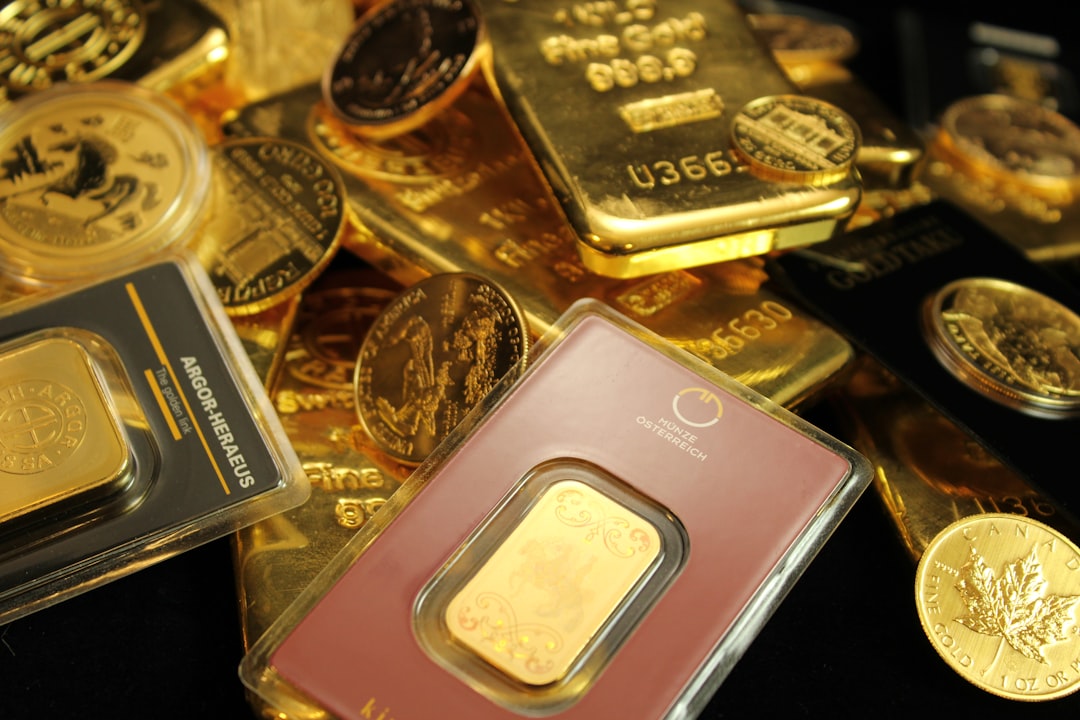
Gold crossed the $3,100/oz threshold in early 2026, reflecting persistent inflation uncertainty, central bank accumulation (particularly from BRICS-aligned nations), and geopolitical hedging. It’s not just a fear trade anymore — it’s becoming a structural allocation for institutional portfolios.
Rare Earth Elements (REEs) — neodymium, dysprosium, and terbium especially — are seeing aggressive price appreciation due to China’s continued export restrictions and the US-EU push for domestic rare earth refining capacity. This is arguably the highest-risk, highest-reward corner of the raw materials world in 2026.
🌍 Domestic & International Examples Worth Watching
South Korea’s POSCO Holdings offers a fascinating domestic case study. The company has aggressively pivoted from pure steel production into a vertically integrated battery materials company — controlling lithium extraction stakes in Argentina, nickel refining in Indonesia, and cathode material manufacturing in Korea. Their 2026 Q1 reports show battery materials now contributing over 18% of total revenue. For Korean investors, POSCO Holdings is essentially a diversified commodities play wrapped in a familiar brand.
Internationally, Rio Tinto’s Jadar lithium project in Serbia — after years of environmental controversy and political back-and-forth — received final permits in late 2025 and broke ground in early 2026. This is expected to become one of Europe’s largest lithium sources by 2029. Investors tracking Rio Tinto (ASX: RIO) are essentially buying a long-duration bet on European battery supply independence.
In the US, MP Materials (Mountain Pass, California) is scaling its rare earth processing capacity significantly in 2026, benefiting from the Inflation Reduction Act’s successor provisions under current industrial policy. Their partnership with GM for rare earth magnets in EV motors makes them a proxy for both the commodities story and the auto electrification story simultaneously.
Brazil’s Vale continues to dominate the nickel and iron ore space, but what’s interesting in 2026 is their growing copper portfolio in Zambia and the Democratic Republic of Congo — positioning Vale as a major player in what analysts are calling the “Copper Belt Renaissance.”
🧭 Strategy Frameworks: How to Actually Think About This
Rather than chasing individual commodity price swings (which is essentially speculation), let’s think about three logical approaches based on your risk profile:
- Conservative Approach — Commodity ETFs & Diversified Exposure: If you’re new to this space or want measured exposure, ETFs like the iShares S&P GSCI Commodity-Indexed Trust or the Invesco DB Commodity Index Tracking Fund give you broad, rebalanced exposure. The key advantage here is that you’re not betting on a single metal — you’re betting on the overall commodity cycle, which in 2026 looks structurally bullish for a 3–5 year horizon.
- Moderate Approach — Mining Equity with Diversification: Investing in well-capitalized mining companies (think Freeport-McMoRan for copper, Albemarle for lithium, Newmont for gold) gives you commodity upside with the added layer of corporate cash flow management. In 2026, companies with strong balance sheets and producing assets (not just explorers) are the sweet spot. Look for companies with a debt-to-equity ratio under 0.5 and active shareholder return programs.
- Growth/Aggressive Approach — Junior Miners & Critical Mineral Plays: If you have a longer time horizon and can stomach volatility, junior miners in the critical minerals space (REEs, cobalt, lithium) can offer 3x–10x returns — but also total loss scenarios. The key filter here is: does the company have a defined resource, a clear path to production, and offtake agreements with credible buyers? Those three criteria eliminate 80% of speculative noise.
- Thematic Approach — Green Metals Basket: Build a focused allocation around the metals specifically required for clean energy infrastructure: copper, lithium, nickel, cobalt, and REEs. This is essentially a bet that the energy transition continues regardless of short-term political turbulence — which, based on corporate capital expenditure commitments in 2026, looks highly likely.
- Inflation Hedge Approach — Gold & Silver with Physical or Streaming Companies: For those primarily worried about currency debasement and macro uncertainty, a 5–10% allocation to gold (via physical ETFs like GLD, or streaming companies like Franco-Nevada or Wheaton Precious Metals) acts as portfolio insurance. Streaming companies are particularly interesting because they provide commodity price upside without direct mining operational risk.
⚠️ The Risks You Absolutely Cannot Ignore
Let’s be honest about the other side of this. China’s demand trajectory is the single biggest wildcard. If China’s property sector continues its slow-burn deleveraging and industrial output softens, base metal prices (copper, nickel, zinc) could face significant downward pressure regardless of supply constraints. Watch China’s monthly PMI data and fixed asset investment figures religiously if you’re in this space.
Geopolitical supply disruptions cut both ways — they can spike prices short-term, but they also invite policy responses that restructure markets entirely. The US CHIPS and Science Act-style approach is now being applied to critical minerals, which could create new domestic supply sources that undermine current price assumptions.
Technology substitution risk is real for some commodities. Sodium-ion batteries, for example, could meaningfully reduce lithium demand in certain applications by 2027–2028. Always consider the technology roadmap alongside the commodity thesis.
💡 Realistic Alternatives If You’re Not Ready for Direct Commodity Exposure
Not everyone has the stomach or capital for commodity-specific plays — and that’s completely fine. Here are some genuinely useful alternatives that give you commodity-adjacent upside:
- Industrial infrastructure REITs that own mining-adjacent logistics and storage facilities — lower volatility, regular income.
- Clean energy ETFs (like ICLN or QCLN) which are effectively downstream beneficiaries of the green metals story.
- Diversified materials sector mutual funds managed by commodity specialists — great for hands-off investors who want professional rebalancing.
- Savings products linked to commodity indices offered by major Korean banks (if you’re a domestic investor) — lower-risk structured products that participate in upside with capital protection floors.
The raw materials story in 2026 is genuinely one of the most compelling investment themes of our time — but it rewards the patient, the informed, and the disciplined far more than it rewards the reactive. Build a framework, size your positions appropriately, and keep learning as the landscape evolves.
Editor’s Comment : The biggest mistake I see investors make with commodities is treating them like stocks — expecting quarterly earnings logic to apply to materials that move on decade-long supply cycles and geopolitical forces. The best raw materials investors I know think like geologists and geopolitical analysts first, and financial traders second. In 2026, with the green energy transition hitting its messy middle phase and great power competition reshaping supply chains, that long-view mindset isn’t just helpful — it’s essential. Start small, diversify across the metals spectrum, and treat every position as a thesis to be tested, not a bet to be won.
태그: [‘2026 commodity investment strategy’, ‘raw materials investing 2026’, ‘copper lithium gold investment’, ‘green metals portfolio’, ‘critical minerals 2026’, ‘mining stocks strategy’, ‘commodity ETF 2026’]
📚 관련된 다른 글도 읽어 보세요
- Gold, Oil & Copper Portfolio Strategy in 2026: How to Build a Commodity-Backed Investment Portfolio That Actually Works
- Diversified Commodities Investing in 2026: How to Balance Agriculture, Energy, and Metals for Real Returns
- Rare Metal Rush 2026: A Smart Investor’s Guide to Lithium & Cobalt Strategies That Actually Work
Leave a Reply