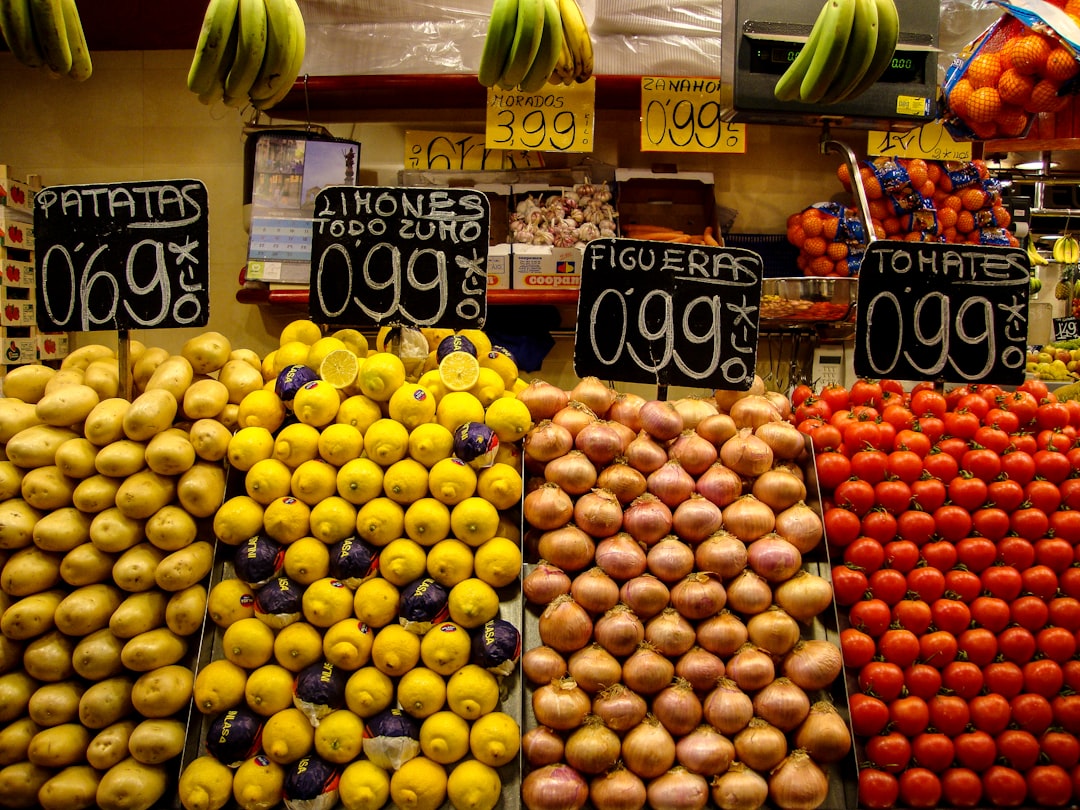
Picture this: you’re standing in the grocery aisle in early 2026, comparing the price of your usual brand of olive oil to what you paid just a year ago. It’s a small moment, but it perfectly captures something millions of households are quietly wrestling with — the stubborn, slow-burning reality of inflation that just won’t fully let go. So let’s sit down together and actually think through what’s happening with prices in 2026, why it matters to your daily decisions, and what you can realistically do about it.
Where Does Inflation Stand in 2026?
After the wild volatility of the early 2020s — pandemic-era supply shocks, the post-COVID spending surge, and aggressive central bank rate hikes — 2026 finds us in what economists are cautiously calling a “sticky disinflation” phase. That’s a fancy way of saying: yes, inflation has come down from its painful peak, but it’s not quite behaving the way we’d like it to.
As of Q1 2026, the U.S. Consumer Price Index (CPI) is hovering around 3.1–3.4% year-over-year, still above the Federal Reserve’s sacred 2% target. The Eurozone is tracking similarly, with headline inflation around 2.8–3.0%, while South Korea’s consumer price index has settled near 2.5–2.7% — actually one of the more controlled environments globally. Meanwhile, emerging markets like Brazil and Turkey continue to battle elevated inflation in the 7–12% range, reminding us that this is very much a global, uneven story.
The key insight here? The rate of inflation has slowed considerably, but price levels remain elevated. Your grocery bill isn’t going back to 2021 numbers — those price increases are largely baked in permanently.
Which Categories Are Still Hurting Consumers Most?
Not all inflation is created equal. Let’s break down where the pressure is really coming from in 2026:
- Housing & Rent: Shelter inflation remains the most stubborn component, contributing roughly 40% of core CPI in the U.S. Rent prices in major metro areas are still running 4–6% above last year, driven by chronic undersupply and elevated mortgage rates that keep would-be buyers renting longer.
- Food at Home: Grocery prices have moderated but remain about 20–25% higher than pre-pandemic baselines. Proteins like eggs and beef continue to see volatility, partly due to avian flu impacts and climate-related agricultural disruptions.
- Services Inflation: This is the real wildcard. Haircuts, healthcare, childcare, and dining out — essentially anything requiring human labor — are running hot at 4–5% annually, fueled by wage growth that hasn’t fully normalized.
- Energy: A relative bright spot. Global oil prices have stabilized in the $70–80/barrel range in early 2026, keeping gasoline and utility costs from being the headline villains they were in 2022.
- Consumer Electronics & Goods: Actually deflationary in some categories, thanks to recovered supply chains and the rapid price drops in AI-integrated devices.
Central Bank Policy: The Delicate Balancing Act of 2026
The Federal Reserve has been walking a tightrope. After its aggressive rate hike cycle that brought the federal funds rate to a peak of around 5.25–5.5%, the Fed began modest cuts in late 2024 and through 2025. But with inflation proving stickier than hoped, the pace of those cuts has slowed dramatically entering 2026. As of March 2026, the benchmark rate sits around 4.0–4.25% — still meaningfully restrictive by historical standards.
The European Central Bank (ECB) has followed a broadly similar path, while the Bank of Korea (BOK) has been comparatively nimble, cutting rates slightly more aggressively given South Korea’s better inflation performance and concerns about sluggish domestic consumption.
The core tension? Cut rates too fast and inflation could re-accelerate. Keep rates high too long and you risk a harder economic landing — particularly for small businesses and variable-rate mortgage holders who are already feeling the squeeze.

International Case Studies: Learning from Global Experiences
Looking abroad gives us useful context. Japan offers a fascinating case in 2026 — after decades of deflation, it’s now managing inflation around 2.5–3%, which is actually considered a healthy development there. The Bank of Japan has been carefully normalizing its ultra-loose monetary policy, a historic pivot that global markets are watching closely.
South Korea presents a model worth studying: disciplined fiscal policy, a relatively strong won (despite some pressure), and targeted subsidies on essential goods helped keep consumer prices more anchored than peer economies. Korean households, however, still face the compounding burden of high household debt tied to elevated property prices.
In contrast, Argentina serves as a cautionary extreme — though its hyperinflation has begun to ease under aggressive austerity measures introduced in 2024–2025, everyday consumers are still experiencing price levels that have fundamentally restructured how they shop, save, and plan financially.
What This Means for Your Personal Financial Decisions Right Now
Here’s where we get practical. Knowing the macro picture is one thing — translating it into smart personal decisions is what actually moves the needle for you. A few realistic strategies worth considering:
- Reconsider variable-rate debt: With rates still elevated, any variable-rate loans (personal loans, some mortgages, credit cards) deserve urgent attention. Refinancing to fixed rates where possible is worth exploring before any potential rate cut cycles change the calculus.
- Inflation-protected assets: Treasury Inflation-Protected Securities (TIPS) and I-Bonds remain worth having in a diversified portfolio. Real assets like real estate investment trusts (REITs) that index rents can also provide partial hedges.
- Grocery strategy: Store-brand products have dramatically closed the quality gap with name brands. A consistent shift to private-label staples can realistically save 15–25% on grocery bills without meaningful lifestyle sacrifice.
- High-yield savings & CDs: With rates still relatively high, high-yield savings accounts (currently offering 4.0–4.5% APY in March 2026) and short-term CDs are genuinely useful tools for your emergency fund and near-term savings goals.
- Subscription audit: Services inflation means recurring subscription costs have crept up almost invisibly. A quarterly review of what you’re actually using versus paying for consistently frees up meaningful monthly cash flow.
- Negotiate your salary proactively: With wage growth still outpacing pre-pandemic norms, this remains one of the highest-leverage moves an individual can make against inflation’s erosive effects on purchasing power.
Looking Ahead: Will 2026 Bring Relief?
The consensus view among economists entering mid-2026 is cautiously optimistic but not celebratory. Headline inflation is expected to gradually drift closer to the 2.5% range by year-end in the U.S., assuming no major geopolitical disruptions (a big assumption, admittedly). Services inflation remains the stubborn holdout. A meaningful return to 2% as a sustained reality looks more like a 2027 story, at the earliest.
The more important reframe? Rather than waiting for inflation to return to a number, it’s wiser to build personal financial habits that are resilient regardless of what the CPI does next month. That’s not defeatist — that’s adaptive.
Editor’s Comment : Inflation in 2026 is less of an emergency and more of a slow, grinding test of financial patience. The households that are genuinely navigating it well aren’t the ones anxiously refreshing economic headlines — they’re the ones who’ve quietly restructured their spending habits, locked in favorable savings rates, and stopped assuming prices will ever “go back.” The most powerful thing you can do isn’t to predict inflation perfectly; it’s to make your financial life less vulnerable to it, whatever it does next. That’s a goal worth working toward, together.
태그: [‘2026 inflation trends’, ‘consumer price index 2026’, ‘inflation outlook 2026’, ‘personal finance inflation tips’, ‘CPI 2026 analysis’, ‘interest rates 2026’, ‘cost of living 2026’]
Leave a Reply