A friend of mine — a talented writer who’d been blogging for two years — called me frustrated last spring. She’d spent months producing articles targeting keywords with 10,000+ monthly searches. Traffic? Virtually zero. Sound familiar? That exact conversation is what pushed me to dig deep into what keyword research actually looks like in 2026, because the old playbook is genuinely broken.
Let’s unpack this together — from why volume-chasing fails, to the intent-first approach that’s working right now.
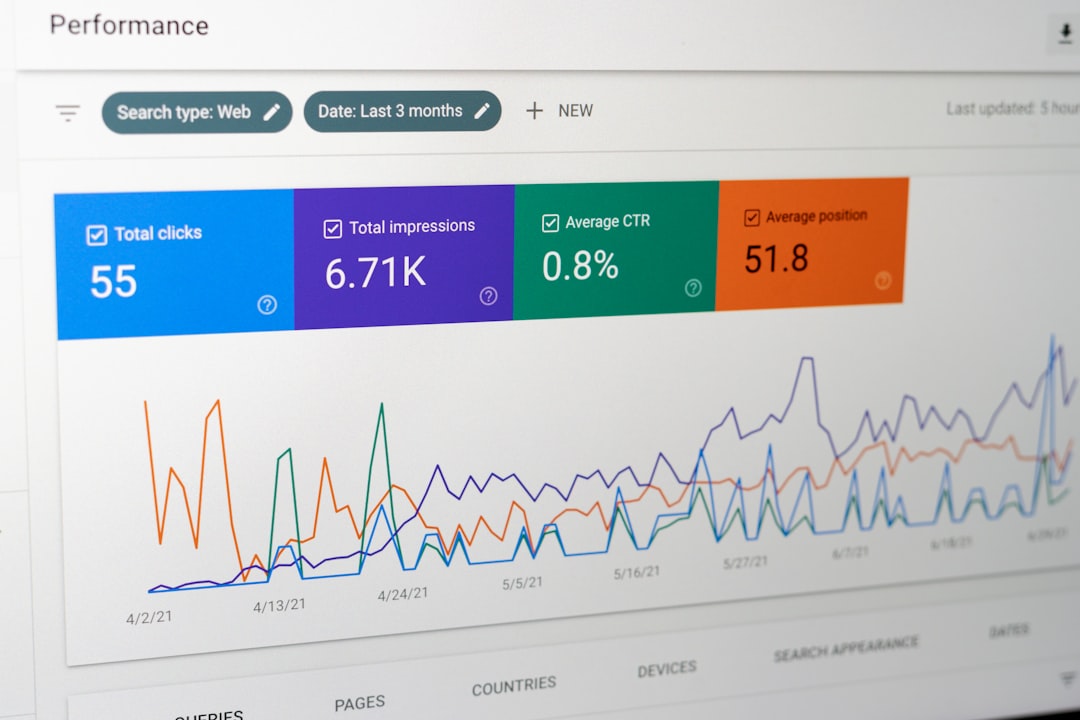
The Volume Trap: Why High-Search Keywords Are Lying to You
Here’s the uncomfortable truth most SEO guides won’t tell you up front: chasing high-volume keywords is a losing strategy in 2026. The landscape has shifted dramatically.
With 58.5% of searches now resulting in zero clicks, and 91.8% of all searches being long-tail keywords, successful 2026 keyword research must serve two purposes: ranking in traditional search results and being cited in AI-generated answers. That zero-click stat alone should make you rethink your entire approach.
For years, keyword research was simple — find a phrase with high volume and low competition. In 2026, in the era of AI Search and semantic understanding, this approach is doomed to fail.
So what actually works? Intent. Context. Specificity.
The Intent-First Shift: What Modern Keyword Research Really Means
Keyword research has fundamentally shifted from volume-first to intent-first methodology. The fundamental shift is from volume-first to intent-first thinking. Keyword research is no longer about finding high-volume terms and creating content around them. The methodology now prioritises understanding what your audience needs to know, then identifying the queries that reflect those needs across both traditional search and AI platforms.
Despite repeated claims that “keywords are dead,” the reality is nuanced: Keywords still signal relevance — they help search engines understand what the content is about. Exact match chasing is obsolete — keyword stuffing does not improve rankings. Context matters more — today’s systems focus on meaning, intent, and topic coverage rather than exact word counts.
Think of it this way: instead of targeting “weight loss” (enormous volume, brutal competition, zero clarity on intent), you target “why am I not losing weight eating 1400 calories” — a question with clear intent, a real person behind it, and a far more winnable SERP.
The Data Behind Long-Tail Keywords (It’s Bigger Than You Think)
Long-tail keywords are specific phrases (3+ words) with lower volume but higher conversion rates. Research shows 91.8% of searches are long-tail, and they convert at 2.5 times the rate of short-tail terms. That conversion multiplier is the number most people sleep on.
And the ROI case is staggering: thought leadership SEO with strategic keyword research (approximately 8 pages monthly) delivers 748% ROI over three years, whilst basic content marketing without proper keyword research (approximately 4 articles monthly) delivers only 16% ROI.
The gap between doing keyword research well and doing it poorly isn’t marginal — it’s the difference between 16% and 748% return. Let that sink in.

Semantic Keywords & the “People Also Ask” Goldmine
One of the most underused tactics in 2026 is mining Google’s own SERP features for content direction. If you’re writing about “electric cars,” Google expects you to mention “batteries,” “charging stations,” “range,” and “Tesla.” The “People Also Ask” (PAA) section in Google results shows you real, related questions that users are asking. Each of these questions is a potential H2 or H3 heading in your article.
Between 2023 and 2026, search engine algorithms have become almost sentient, leaning heavily on natural language processing and AI. The focus shifted from keyword density to content relevance and context. Covering a topic holistically — not just repeating one phrase — is now table stakes.
The 2026 Keyword Research Toolkit: What to Use (and What to Skip)
Let’s be practical. Here’s a breakdown of what the working toolkit looks like right now:
- Semrush: SEMrush remains a favorite among marketers due to its extensive database and features. The tool provides comprehensive keyword analytics, including search volumes, trends, and competitiveness. Its keyword magic tool allows users to find long-tail keywords and related queries, making it invaluable for crafting content strategies.
- Ahrefs: Ahrefs has become synonymous with high-quality backlink analysis, but its keyword research capabilities are equally impressive. The tool offers unique metrics, such as keyword difficulty and clicks per search, providing a holistic view of any keyword’s potential.
- Google Search Console: Search Console shows you what people have searched when your site appears in the results. And yes, this includes AI Overviews / AI Mode queries, too. Free, first-party, and massively undervalued.
- AlsoAsked / PAA tools: AlsoAsked is one of the best question-finding tools — just type in a keyword or trend and get a graph of all the related questions people are asking about the subject.
- Google Keyword Planner: In 2026, there’s a shift toward smarter SEO tools focused on user intent and search patterns. Trusted platforms such as Google Keyword Planner remain free and provide access to reliable insights.
- Skip ChatGPT for keyword data: Don’t ask ChatGPT to give you blog keywords; it’ll lie to you. The data is never accurate in terms of how popular or difficult a particular keyword is. Use it for ideation, not validation.
A Practical 5-Phase Workflow You Can Start Today
Use a five-phase framework: generate ideas, assess volume and difficulty, map to intent, cluster into topic silos, and build an editorial calendar. Here’s how that plays out in practice:
- Define your audience problems — What questions keep them up at night? Start there, not with a keyword tool.
- Generate seed keywords — Begin with real audience questions, problems, and goals. Prioritize terms with informational or navigational intent first, then map transactional terms to product pages or checkout paths.
- Assess difficulty vs. intent — High volume + high difficulty + vague intent = a trap. Low-to-medium volume + clear buying intent = opportunity.
- Build topic clusters — By targeting long-tail, intent-rich phrases you can outrank competitors for queries that matter most to your business. One pillar page + 6–10 supporting articles beats 10 disconnected posts every time.
- Review quarterly — Review keyword strategy quarterly for most businesses. Search behaviour, competitor positioning, and AI search patterns evolve continuously.
AI Search Is Changing the Game — But Not Killing Keywords
There’s panic in some corners of the SEO world about AI search cannibalizing traffic. The reality is more nuanced. Even in 2026, AI search isn’t fully “freeform.” It still leverages structured content signals (keywords being one of them) to index and retrieve relevant pages. Without those signals, AI models may struggle to interpret your content’s purpose, especially in crowded niches. So while AI makes search smarter, it doesn’t make keyword data obsolete — it actually enhances the need to understand and use keywords intelligently.
Keyword research in 2026 combines traditional search analysis with AI search optimisation to identify the terms and topics your audience uses across Google, ChatGPT, and Perplexity. The process involves understanding search intent, building topical authority, and structuring content for both human readers and AI extraction.
Quick Reference: The 2026 Keyword Research Checklist
- ✅ Focus on intent signals (informational, navigational, transactional) — not just search volume
- ✅ Target long-tail queries (3+ words) — they represent 91.8% of all searches and convert 2.5x better
- ✅ Mine PAA boxes for H2/H3 heading ideas that Google already validates
- ✅ Use NLP/LSI terms naturally throughout content — don’t just repeat the head keyword
- ✅ Build topic clusters instead of isolated blog posts
- ✅ Validate keyword data with Semrush, Ahrefs, or Google Search Console — not AI chatbots
- ✅ Optimize for both traditional SERPs and AI-generated answers
- ✅ Review and refresh your keyword strategy every quarter
If You’re Just Starting Out vs. If You’re Scaling
If you’re a new site or blogger with limited authority — focus exclusively on long-tail, low-competition, high-intent keywords for the first 6–12 months. Winning small builds the topical authority you need for bigger terms later. If you’re an established brand or agency scaling content — invest in topic cluster architecture, integrate keyword research with your content calendar, and track not just rankings but AI citation frequency.
The formula hasn’t disappeared — it’s just gotten smarter. Right Keyword + Right Intent + Quality Content = Traffic.
💬 Drop a comment below telling me the biggest keyword mistake you made before switching to an intent-first approach — I read every single one, and your story might just help someone else avoid losing those months my friend lost.
📚 관련된 다른 글도 읽어 보세요
- 월가가 절대 안 알려주는 인플레이션 헤지 원자재 TOP 4: 금·은·구리·원유 2026 완전분석
- Commodity Futures Trading for Beginners in 2026: Your No-Fluff, Real-Deal Starter Guide
- 월가도 숨기는 진짜 인플레이션 방어법: 글로벌 원자재 투자 핵심 ETF 5종 [2026 완전판]
태그: []
Leave a Reply