A friend of mine — sharp guy, works in tech, genuinely good at reading trends — called me a few months ago with a question that caught me off guard: “I keep hearing about crude oil futures and gold futures. Can I actually trade those, or is that Wall Street-only territory?” He’d been watching commodity prices swing wildly and figured there had to be a way to turn that volatility into opportunity. I told him: yes, absolutely — but there’s a real learning curve, and skipping it is how people blow up their accounts in week one. This guide is essentially the crash course I gave him, updated for the market reality of 2026.
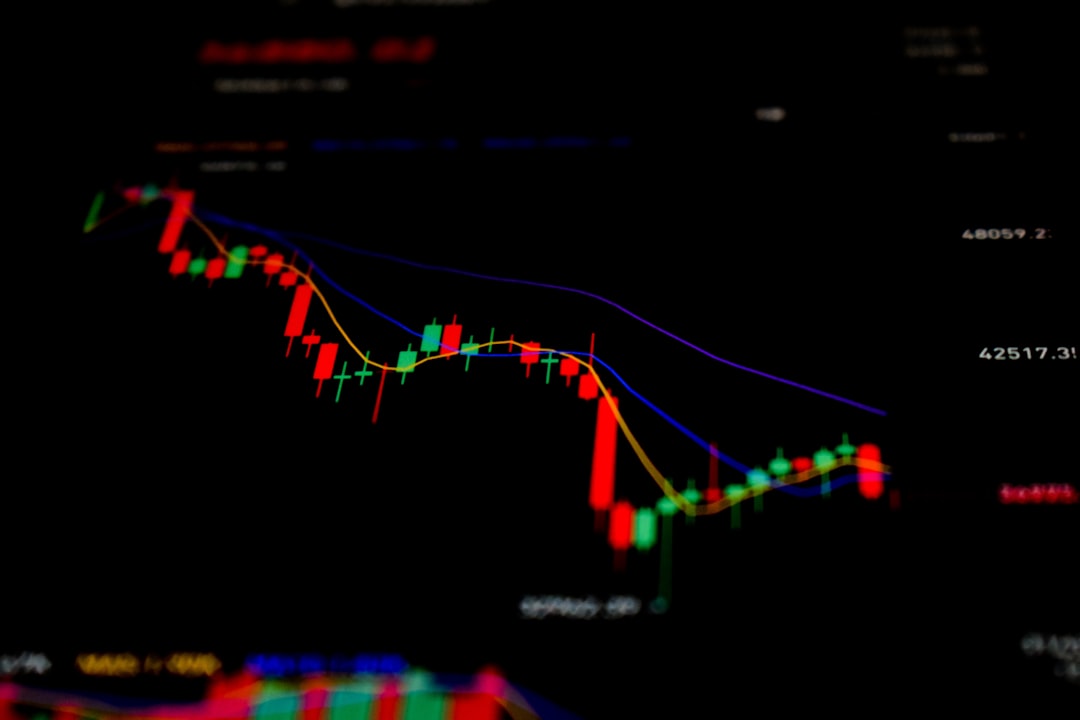
What Exactly Is a Commodity Futures Contract?
Let’s get the foundation right. A futures contract represents an agreement to buy or sell a particular commodity at a predetermined price on a future date. Think of it like locking in the price of jet fuel today so your airline budget doesn’t get wrecked if oil spikes three months from now. These standardized contracts specify quantity, quality, delivery location, and expiration date, creating transparency and liquidity.
Here’s the part that surprises most beginners: most futures contracts never result in physical delivery — instead, traders close positions before expiration, profiting from price changes without handling the actual commodity. So no, a barrel of crude oil is not showing up at your door. The goal is to profit from the price movement itself.
Futures trading is buying and selling futures contracts — standardized agreements to buy or sell an asset at a fixed price on a specific future date. You’re not buying the actual commodity (like oil or gold); you’re trading the price movement. Futures are traded on regulated exchanges like the CME Group, and you can profit whether prices go up (going long) or down (going short).
The 2026 Market Landscape: Why Now Is Worth Paying Attention
The futures market dominates commodity trading, accounting for approximately 73% of all commodity trading volume in 2026. That’s a staggering number — it tells you this isn’t a niche hobby, it’s the dominant mechanism through which global raw materials are priced and exchanged.
On the energy side: in 2026, global energy commodity markets reached $14.2 trillion in annual trading value, driven by geopolitical tensions, renewable energy transitions, and persistent demand from emerging economies. Crude oil prices in early 2026 averaged $78–82 per barrel, reflecting balanced supply and demand dynamics.
Weather events, too, can jolt prices with surprising speed. The January 2026 freeze across major US agricultural regions reduced corn planting estimates by 4.7%, triggering futures prices to spike 12% within 72 hours. That kind of rapid repricing is both the opportunity and the danger in commodity futures.
And on the macro level, don’t ignore monetary policy: interest rates affect commodity prices through their impact on storage costs, financing expenses, and currency values. The US Federal Reserve’s current benchmark rate of 4.25–4.50% influences dollar-denominated commodity pricing.
The Four Major Categories of Commodity Futures
Commodity futures are generally divided into four major categories: Energy (crude oil, natural gas, heating oil), Metals (gold, silver, copper), Agricultural (corn, soybeans, wheat, coffee), and Livestock (cattle, hogs). Each of these markets has its own seasonal patterns, supply and demand factors, and trading behaviors.
Beginners often ask: which one should I start with? Honestly? Most seasoned traders point toward gold or crude oil first — high liquidity, lots of public information to analyze, and tighter spreads compared to more exotic agricultural contracts. Commodity futures like crude oil, gold, corn, and natural gas represent the original futures markets — they’re more influenced by supply/demand fundamentals and geopolitical events, but typically carry wider spreads than index futures.
How Exchanges Work: Where the Action Happens
Key global exchanges include the Chicago Mercantile Exchange (CME), which dominates agricultural goods, livestock, and currency futures; the New York Mercantile Exchange (NYMEX), which specializes in energy commodities and precious metals; the London Metal Exchange (LME), a global center for industrial metals trading; and the Intercontinental Exchange (ICE), a major platform for energy and soft commodities.
These aren’t just abstract institutions — they set the standardized rules of the game: contract sizes, margin requirements, and expiration calendars. Know your exchange before you trade anything on it.
Leverage and Margin: The Double-Edged Sword Every Beginner Must Understand
This is where people get into trouble — fast. The key thing that makes futures different from stocks is leverage: you don’t need the full contract value to trade. You post margin (think of it as a good-faith deposit). This is both the power and the risk of futures.
Futures contracts require sufficient funds to meet initial margin requirements, which are set by exchanges and can be several thousand dollars per contract. Beginners often start with smaller amounts or indirect products to limit risk while learning how commodity markets work.
One extremely beginner-friendly entry point? Micro futures. Micro futures are smaller versions of standard futures contracts — typically 1/10th the size. For example, the Micro E-mini S&P 500 (MES) is 1/10th the size of the E-mini S&P 500 (ES). This means smaller tick values, lower margin requirements, and reduced risk per trade. Micros are ideal for beginners learning to trade or experienced traders testing new strategies.
Real-World Case Studies: What the Data Teaches Us
The 2020 oil futures event remains one of the most instructive cautionary tales in modern commodity trading history. In 2020, crude oil futures prices actually turned negative — a scenario most retail investors had considered impossible. Funds holding near-expiry contracts suddenly faced the prospect of physical delivery. It was a brutal lesson in the mechanics of rollover and contract expiration that caught even professional traders off guard.
On the more optimistic side, gold demonstrated its crisis-hedging value during the inflation surges of the early 2020s. The precious metal now trades above $4,100 an ounce, with analysts at Société Générale suggesting it could climb as high as $5,000. For investors who positioned in gold futures as a macro hedge, those returns have been significant.
Meanwhile, options trading on commodities has been on the rise: in 2026, options trading on commodities increased 18% year-over-year as traders sought defined risk parameters amid market volatility. This signals a maturing retail participant base that’s learning to use more sophisticated risk management tools.
The Rollover Problem (Nobody Talks About This Enough)
Here’s something that trips up almost every beginner. Futures contracts expire. When they do, if you want to maintain your position, you have to “roll over” into the next contract month. The act of switching to a further-dated futures contract to avoid physical delivery at expiration is called a rollover — and depending on market conditions, it can cost you money or actually generate a small profit.
The two key terms here are Contango and Backwardation: in a contango situation (where future prices are progressively higher), rolling over means buying fewer contracts for the same price — incurring a rollover cost. In backwardation (where future prices are lower), rolling over means buying more contracts for the same price — generating a rollover gain. Understanding which environment you’re in can dramatically affect your long-term returns.
Key Beginner Platforms and Tools for 2026
Commodity trading in the US is available through a limited number of regulated platforms, including Plus500 and eToro for simplified exposure, Interactive Brokers and Charles Schwab for multi-asset and exchange-traded access, and NinjaTrader for traders focused on futures markets and advanced order tools.
For charting and analysis, TradingView remains one of the best web-based charting tools — great for price action traders and capable of integrating with some brokers.
A Practical Beginner’s Checklist Before Your First Trade
- Start with a demo account: Many new traders benefit from starting with commodity ETFs or using demo accounts on regulated platforms before trading leveraged futures contracts.
- Choose one market and master it: Start with Micro futures, trade just 1 contract, and focus on one market until you build consistency.
- Set a pre-market routine: Before market open, check overnight trends, review the economic calendar, and mark key support/resistance zones. During the session, focus on only one or two setups.
- Risk only what you can lose: Trade with capital you can afford to lose while learning how commodity pricing, margin, and settlement work.
- Always use stop-losses: In the 2026 market, it’s a rookie mistake to enter a trade without an automated exit.
- Study rollover mechanics: Understand Contango and Backwardation before holding futures positions across expiration dates.
- Know the regulatory landscape: Futures are regulated by the CFTC (Commodity Futures Trading Commission), not the SEC. There’s no $25,000 minimum balance requirement and no limit on how many day trades you can make.
- Consider ETFs as a lower-complexity alternative: Investors can gain exposure to commodities without trading futures through commodity-focused ETFs and commodity stocks. Energy sector ETFs that track oil companies provide indirect commodity exposure, while precious metals ETFs often hold physical commodities in vaults.
What Are the Realistic Risks? Let’s Be Honest
Commodity futures are not a get-rich-quick vehicle. Commodities are highly volatile — crude oil moving 5–10% in a single day is not unusual. Unlike stocks or bonds, commodities offer no interest or dividends. They produce no cash flow while held — only capital gain from price appreciation is on the table.
Currency exposure also matters, especially for non-US investors. Most commodities are priced in US dollars, so if your home currency strengthens against the dollar, your commodity gains may be partially eroded. Currency fluctuations can have a significant impact on commodity investment returns.
And if you’re thinking about using commodity futures as an inflation hedge — which is a common argument — historical experience has shown clearly that not all commodities necessarily rise just because inflation occurs. Supply chain disruptions, geopolitical events, and production policy changes in major producing nations all play a far more dominant role in individual commodity prices than inflation alone.
Smarter Alternatives if Direct Futures Feel Too Risky
If you’ve read this far and you’re thinking “maybe direct futures is a step too far for me right now” — that’s actually a really mature assessment. Here are realistic entry points that still give you commodity exposure with less complexity:
- Commodity ETFs: The introduction of commodity-based ETFs has made it possible to trade commodities like you would company shares. ETFs seek to track the performance of a particular commodity, either by holding the physical asset or by purchasing commodity futures.
- Commodity-Linked Stocks: Commodity stocks — shares of companies producing, processing, or distributing commodities — offer another avenue for exposure.
- Options on Futures: Options contracts provide the right but not the obligation to buy or sell the underlying asset at a set price before expiration. Traders can use options on futures contracts themselves, creating sophisticated hedging and speculative strategies.
Editor’s Comment : Commodity futures trading in 2026 is genuinely more accessible than it’s ever been — the tools, the educational resources, and the micro contract structures have lowered the barriers significantly. But “accessible” doesn’t mean “easy.” The traders who thrive here are the ones who treat risk management like a religion, not an afterthought. Start small, trade one market, learn the rollover mechanics cold, and build confidence over months — not days. The commodity markets have been around for centuries and will be here when you’re ready. There’s no trophy for rushing in unprepared.
📚 관련된 다른 글도 읽어 보세요
- Europe’s Stagflation Trap in 2026: What the Data Is Really Telling Us (And Why It Should Worry You)
- Energy Commodity Price Outlook 2026: Oil Shock, Gas Surge & What Smart Investors Are Watching Right Now
- Lithium & Cobalt Investment Outlook 2026: Is Now the Time to Go All-In on Rare Metals?
태그: []
Leave a Reply