A friend of mine — a mechanical engineer who’s been quietly building a portfolio on the side — called me a few weeks ago almost giddy with excitement. He’d just read a headline about lithium carbonate prices rebounding and was ready to dump a significant chunk of his savings into a lithium ETF. “This is the bottom, right?” he asked. I had to pump the brakes. I’ve seen this movie before. Rare metals like lithium and cobalt have a way of looking like obvious gold mines right up until they don’t. So let’s actually dig into this together — what do the numbers say, what’s really driving the 2026 market, and where does the smart risk-adjusted money go?
Where Lithium Prices Stand in 2026
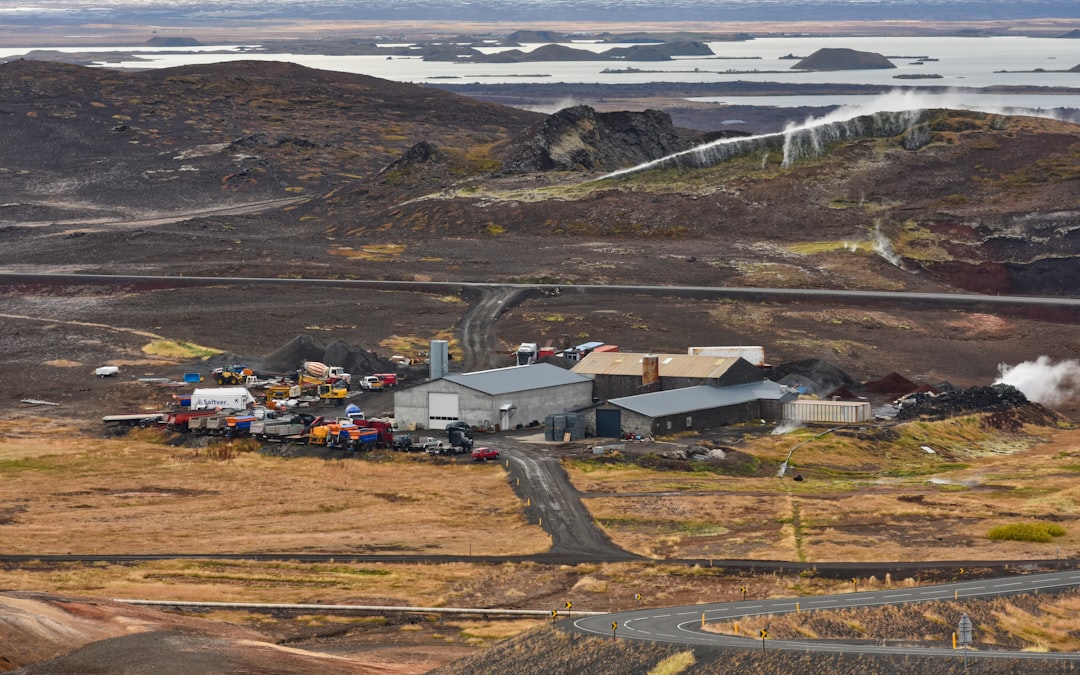
Let’s start with the cold, hard data because that’s where any serious analysis has to begin. Lithium carbonate prices (battery-grade, CIF China) bottomed out around $9,500–$11,000 per metric ton in late 2025 after an absolutely brutal two-year correction from the all-time highs of roughly $80,000/mt in late 2022. As of Q1 2026, spot prices have recovered modestly to the $13,000–$16,000/mt range — still well below the euphoric peaks, but showing clear stabilization signals.
What’s driving the floor? A few structural factors:
- EV demand resilience: Global EV sales hit approximately 22 million units in 2025, and 2026 projections from BloombergNEF point to 26–28 million units — that’s not a trend reversing, that’s a freight train.
- Supply-side recalibration: Several high-cost Australian and Chilean lithium projects mothballed production in 2024–2025, tightening the supply overhang that crushed prices.
- Battery storage buildout: Grid-scale energy storage is now consuming lithium at a rate that almost rivals EV demand — a demand pillar that barely existed three years ago.
- Geopolitical sourcing anxiety: Western governments (US IRA, EU Critical Raw Materials Act) are actively incentivizing domestic and allied-nation lithium supply chains, creating policy tailwinds.
Cobalt: The Complicated Sibling
Cobalt is a different beast, and honestly a more treacherous investment. Here’s the uncomfortable truth: the battery industry has been actively engineering cobalt out of its chemistries. LFP (lithium iron phosphate) batteries — which contain zero cobalt — now represent roughly 45% of EV battery deployments globally in 2026, up from about 30% in 2023. BYD, CATL, and increasingly Western OEMs are defaulting to LFP for standard-range vehicles.
That said, cobalt isn’t going extinct. NMC (nickel-manganese-cobalt) and NCA chemistries still dominate high-energy-density applications — think premium EVs, aerospace, and defense batteries. Cobalt prices in Q1 2026 sit around $28,000–$32,000 per metric ton, having bounced off multi-year lows. The DRC (Democratic Republic of Congo) still controls roughly 70% of global cobalt mining output, which means political risk is permanently baked into this trade.
Investment Vehicles: How Are People Actually Playing This?
This is where I see the most confusion. Buying “lithium” or “cobalt” isn’t a single clean trade. Let me break down the actual vehicles:
- Pure-play miners: Albemarle (ALB), SQM, Ganfeng Lithium, Pilbara Minerals — direct exposure to lithium prices but with massive operational leverage (amplified gains AND losses).
- Cobalt-specific plays: Glencore remains the dominant publicly traded cobalt producer; Jervois Global has had a rocky road but is worth watching as a speculative position.
- ETFs for diversification: The Global X Lithium & Battery Tech ETF (LIT) and the Amplify Lithium & Battery Technology ETF (BATT) give broader exposure with lower single-stock risk — my friend’s original idea wasn’t wrong, just the timing obsession was.
- Battery manufacturers as a proxy: Companies like CATL (via Hong Kong listing), Panasonic, and LG Energy Solution give you lithium/cobalt exposure filtered through better business model diversification.
- Royalty & streaming companies: A less-discussed but genuinely interesting angle — companies that finance mining projects in exchange for future metal deliveries offer leveraged upside with lower operational risk.
Real-World Case Studies Worth Studying
Let’s look at some actual market signals rather than theoretical frameworks:
Albemarle’s 2025–2026 Pivot: Albemarle, the world’s largest lithium producer, slashed capex aggressively in 2024–2025 when prices tanked. Their Q4 2025 earnings showed a return to profitability at current price levels, which is a meaningful signal about their cost structure — they can survive at $12,000/mt lithium. This is the kind of fundamental resilience you want in a long-term rare metal holding.
Chile’s National Lithium Strategy: Chile’s state-controlled lithium model (following the 2023 nationalization announcement) has moved into implementation phase in 2026. SQM operates under a joint-venture arrangement with CODELCO through 2030+. This creates regulatory risk but also government-backed production certainty. International investors should track the Santiago exchange closely.
The IRA Effect on US-Linked Lithium: The US Inflation Reduction Act’s battery sourcing requirements have made where lithium comes from as important as the price. Projects in Canada (Frontier Lithium, Patriot Battery Metals) and Argentina’s Lithium Triangle have seen renewed institutional interest specifically because of IRA compliance demand from US automakers.
CATL’s Sodium-Ion Wildcard: Here’s the uncomfortable research note: CATL has been scaling sodium-ion battery production in 2026 for lower-end EV segments. Sodium batteries require zero lithium and zero cobalt. This isn’t an imminent demand killer — sodium-ion can’t yet match lithium-ion on energy density — but it’s a genuine long-term substitution risk that institutional analysts are factoring into 5–7 year price models. Resource: CATL investor relations page and Benchmark Mineral Intelligence quarterly reports are excellent for staying current on this.
Risk Factors You Cannot Ignore
- Oversupply cycles are brutal and fast: The 2022–2025 price crash happened within 24 months of peak euphoria. The rare metals market has zero mercy for late buyers.
- Currency and geopolitical exposure: Most lithium trades in USD, but production is in Chile, Argentina, Australia, and China — multi-layered currency and political risk.
- Technology substitution: Solid-state batteries (Toyota, Samsung SDI targeting 2028 commercial scale) could reshape which metals matter most.
- Liquidity risk in smaller miners: Junior mining stocks can go to zero. Position sizing discipline is non-negotiable.
- ESG scrutiny: Cobalt from the DRC carries serious ethical sourcing concerns that institutional investors are increasingly walking away from without certified supply chain documentation.
A Realistic 2026 Investment Framework
Rather than betting the farm on a single commodity call, here’s the framework that makes sense given where we are in the cycle:
Think in three buckets. Bucket one (core position, ~50% of your rare metals allocation): diversified ETFs like LIT or BATT — lower volatility, still meaningful upside if the recovery holds. Bucket two (opportunistic, ~30%): one or two high-quality producers with proven cost curves and balance sheet resilience — Albemarle and Pilbara Minerals are worth the DD right now. Bucket three (speculative, ~20% max): junior miners or royalty plays where the upside is asymmetric but position sizing protects the overall portfolio from a wipeout.
The key risk management principle: never buy a commodity investment without knowing your exit thesis. Is this a 12-month trade on a price recovery? A 5-year structural EV demand bet? Those require completely different position sizes and stop-loss strategies.
Editor’s Comment : My engineer friend ended up putting 8% of his investment portfolio into a lithium ETF after we talked it through — not the all-in move he was initially excited about, but a disciplined, sized position he can actually hold through volatility without panic-selling. That’s the real skill in rare metals investing: not picking the perfect entry point (nobody can), but sizing your position so that a 30% drawdown doesn’t ruin your sleep or your financial plan. The 2026 setup for lithium is genuinely more interesting than it’s been in two years — but “interesting” and “put everything in” are very different things.
📚 관련된 다른 글도 읽어 보세요
- 2026년 희귀금속 투자 트렌드: 리튬·코발트, 지금 사야 할까요?
- 달러 약세와 원자재 가격 상관관계 완벽 분석 (2026년 최신)
- Inflation Is Cooling in 2026 — But Are Consumers Actually Spending Again? Here’s What’s Really Changing
태그: lithium investment 2026, cobalt price outlook, rare metals ETF, battery metal investing, lithium mining stocks, EV battery supply chain, critical minerals portfolio
Leave a Reply