Picture this: you’re standing in the grocery store in early 2026, staring at a carton of eggs that costs noticeably more than it did two years ago — and you’re wondering, is this ever going to stop? You’re not alone. Inflation has become one of those background-noise anxieties that quietly shapes every financial decision we make, from whether to renew a lease to whether to finally buy that car. So let’s slow down, look at the actual data, and think through what’s really happening in the macroeconomic landscape of 2026.
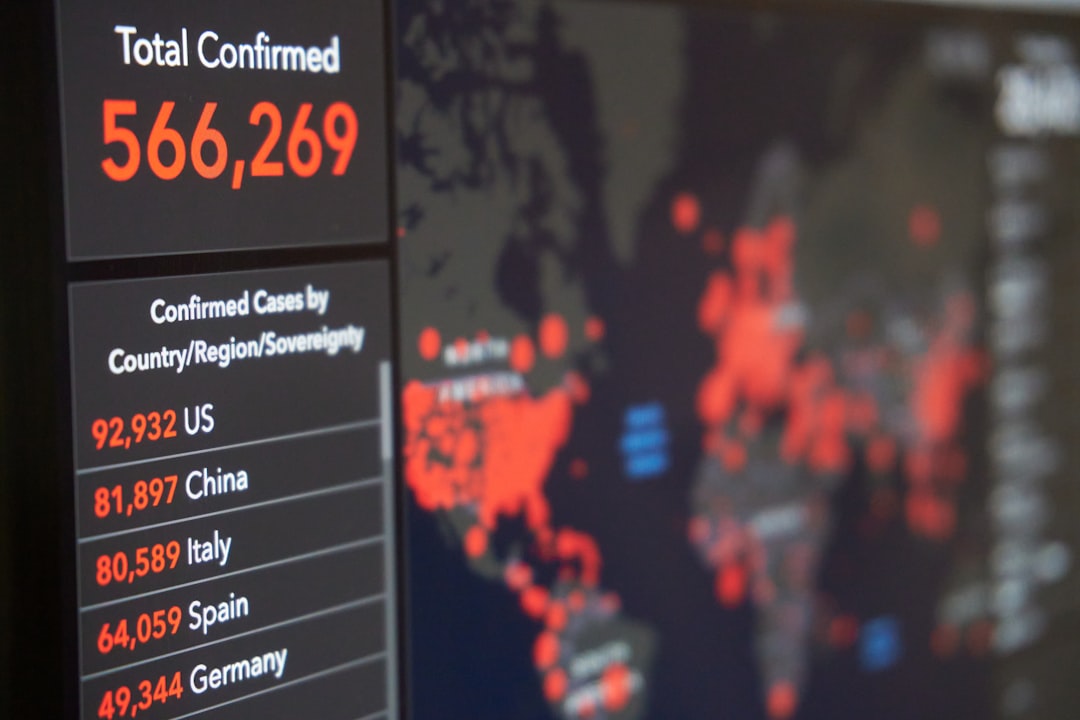
Where We Stand in 2026: The Macro Snapshot
After the aggressive monetary tightening cycles of 2022–2024, central banks globally entered a cautious recalibration phase through 2025. Heading into 2026, the picture is nuanced — not the runaway inflation of the post-pandemic era, but certainly not the comfortable 2% target most central banks dream about either.
Here’s what the current data broadly tells us:
- US CPI (Consumer Price Index): Hovering around 3.1–3.4% annualized in early 2026, down significantly from the 9% peaks of 2022 but still above the Federal Reserve’s 2% benchmark.
- Eurozone Inflation: The ECB is grappling with a split picture — core inflation in Germany has eased to around 2.6%, while energy-import-dependent economies like Italy and Spain are still seeing stickier readings near 3.8%.
- Emerging Markets: Countries like Brazil and India are managing inflation more actively through structural reforms, with India maintaining a relatively stable 4.2% — well within its RBI tolerance band.
- UK: Persistent services-sector inflation is keeping UK CPI stubbornly above 3.5%, complicating the Bank of England’s rate-cut timeline.
The key term to understand here is disinflation — this means inflation is still positive (prices are still rising), but the rate at which they rise is slowing. We’re not in deflation. We’re in a slow cool-down. That distinction matters enormously for policy decisions and for your personal budget planning.
The Sticky Culprits: Why Inflation Isn’t Cooperating Fully
You might be wondering — if central banks raised rates so aggressively, why isn’t inflation fully tamed by 2026? Great question, and the answer comes down to a few structural forces that don’t respond quickly to interest rate levers.
1. Services Inflation vs. Goods Inflation
Goods inflation (think electronics, furniture, clothing) has largely normalized because global supply chains have mostly healed post-pandemic. But services inflation — think healthcare, dining, housing rents, insurance — remains elevated. Services are labor-intensive, and wage growth has been sticky, particularly in the US and UK. When workers earn more, service providers charge more. It’s a slower cycle to break.
2. Housing Costs
In many major cities from Seoul to Sydney to San Francisco, rental inflation is still a significant driver of overall CPI. High mortgage rates over 2023–2025 paradoxically reduced housing supply (fewer people moved, fewer new builds were financed), pushing rental demand — and costs — upward. In 2026, this is gradually unwinding, but slowly.
3. Geopolitical Supply Shocks
Ongoing regional tensions affecting commodity trade routes (particularly energy and rare earth minerals critical for EV and semiconductor manufacturing) continue to create sporadic cost spikes. These are harder to predict and harder to control with traditional monetary policy.
4. Climate-Driven Food Volatility
Agricultural disruptions from extreme weather events in 2025 — drought patterns in North America and flooding in Southeast Asia — have kept food price volatility elevated into 2026. This hits lower-income households disproportionately hard.
International Case Studies: Who’s Handling It Better?
Let’s look at some real-world contrasts that illustrate how different policy approaches are playing out in 2026.
Japan — The Inflation Newcomer: Japan, famously stuck in deflation for decades, is now navigating too much of a good thing. With inflation around 2.8% in early 2026, the Bank of Japan has cautiously begun tightening — a historic pivot. Japanese consumers, unaccustomed to rising prices, are experiencing a major psychological shift in spending behavior. It’s a reminder that inflation isn’t universally bad; Japan actually wanted moderate inflation to break its deflationary trap.
Brazil — Aggressive But Effective: Brazil’s central bank (Banco Central do Brasil) moved early and decisively with some of the world’s highest benchmark interest rates. The result? Inflation has cooled to around 4.5% in 2026 from double-digit peaks. The trade-off? Slower GDP growth and higher consumer debt costs. A classic monetary policy dilemma.
South Korea — Export Pressure Adding Complexity: Korea faces a dual challenge: domestic inflation being somewhat tamed (around 2.9%) but export competitiveness hurt by a stronger-than-expected won and weaker Chinese demand. The Bank of Korea is threading a needle between controlling inflation and stimulating export-dependent growth.
What This Means for Everyday People: The Real-Life Translation
Macro data can feel abstract, so let’s ground this. Here’s how the 2026 inflation landscape practically affects different types of people:
- Renters: Expect rental prices to remain elevated in major metropolitan areas through mid-2026, with some relief potentially emerging in late 2026 as rate cuts (where they occur) stimulate housing supply.
- Homebuyers: Mortgage rates in the US have edged down from 2024 peaks but are still hovering around 6–6.5% for a 30-year fixed. Buying now means accepting higher borrowing costs; waiting carries its own risks if home prices don’t fall meaningfully.
- Savers: High-yield savings accounts and short-term treasuries are still offering relatively attractive returns (4–5% in the US), making this an unusually good time to park emergency funds compared to the near-zero rate era of 2010–2021.
- Investors: Equity markets in 2026 are navigating a “higher for longer” rate environment. Sectors less sensitive to interest rates — healthcare, energy, and value stocks — have been performing relatively well compared to high-growth tech names sensitive to discount rate assumptions.
- Small Business Owners: Input cost inflation has eased, but consumer spending caution means passing costs on is harder. Margin management is the central challenge of 2026 for SMEs.
Realistic Alternatives and Adaptive Strategies for 2026
Rather than just absorbing the anxiety, let’s think through actionable responses. What can you realistically do given this environment?
For your personal finances: Consider building a TIPS ladder (Treasury Inflation-Protected Securities) if you’re in the US, which directly hedges against CPI fluctuations. For non-US readers, many governments offer equivalent inflation-linked bonds. They’re not glamorous, but they’re rational.
For spending: This is a good time to renegotiate fixed costs — subscriptions, insurance premiums, and even rent (yes, in some markets, landlords are more negotiable than in 2022–2023). Inflation doesn’t mean every price rises uniformly; some categories have softened significantly.
For career planning: In a sticky-services-inflation environment, skills in healthcare, infrastructure, and skilled trades remain economically durable. If you’re considering a career shift or upskilling investment, these sectors offer both wage growth and inflation-adjusted demand.
For business owners: Pricing strategy needs to be more granular than ever. Rather than blanket price increases, look at product/service mix optimization — emphasizing higher-margin offerings while making lower-margin items more efficient. Data-driven pricing tools are more accessible than ever in 2026.
The bottom line is that 2026’s inflation landscape is genuinely complex — neither the emergency of 2022 nor the calm of 2019. It rewards thoughtful, informed responses over panic or passivity. The macroeconomic forces at play are real, but so is your ability to adapt intelligently once you understand the terrain.
Editor’s Comment : Inflation data can feel like someone else’s problem until it shows up in your monthly budget. What I find most interesting about 2026’s macro environment is that it’s forcing a kind of financial literacy reckoning — people are genuinely engaging with terms like CPI, core inflation, and yield curves in ways they never did before. That’s actually a silver lining. The more clearly we understand the forces shaping our economic reality, the better equipped we are to make decisions that serve our actual lives — not just react to headlines. Stay curious, stay adaptive, and remember: economic cycles always turn. The question is whether you’re positioned well when they do.
📚 관련된 다른 글도 읽어 보세요
- 2026 원자재 가격 전망 완전 분석 — 지금 우리가 주목해야 할 핵심 신호들
- Commodities as a Safe Haven in 2026: How to Navigate Global Recession With Smart Raw Material Investing
- Fed Rate Cuts in 2026: When Will the Fed Finally Pull the Trigger — And What Should You Do Now?
태그: [‘2026 inflation trends’, ‘macroeconomic analysis 2026’, ‘global inflation 2026’, ‘consumer price index’, ‘central bank policy 2026’, ‘personal finance inflation’, ‘inflation investing strategy’]
Leave a Reply