Back in early 2022, a friend of mine who runs a mid-sized furniture manufacturing business told me something that stuck with me: “I used to price my products six months in advance. Now I can barely predict next week.” That conversation perfectly captures what raw material volatility feels like from the ground level. Fast forward to 2026, and while the dust has settled somewhat from the post-pandemic supply chain chaos, we’re navigating a whole new set of economic pressures — geopolitical realignments, the green energy transition, and shifting demand from Asia’s evolving industrial base.
So let’s think through what the 2026 raw material price landscape actually looks like, what’s driving it, and — most importantly — what you can realistically do about it whether you’re a business owner, investor, or just someone trying to understand why everyday goods keep getting more expensive.
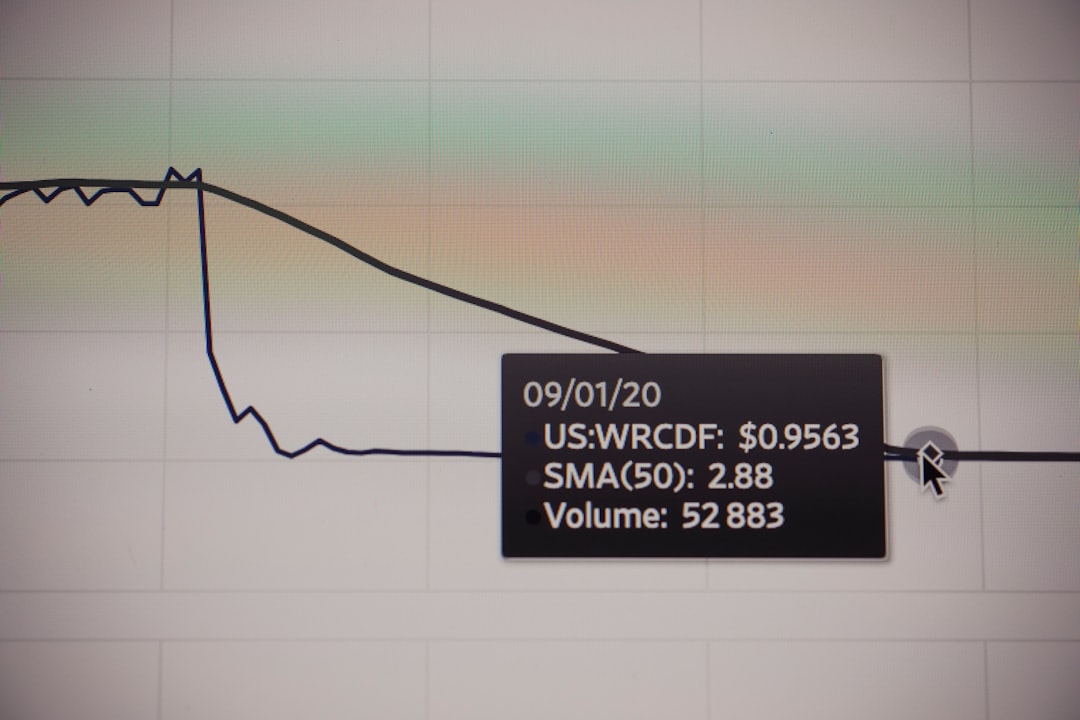
📊 The Big Picture: Where Raw Material Prices Stand in 2026
Heading into 2026, the global commodities market is operating under what analysts are calling a “constrained equilibrium” — prices are neither in freefall nor in runaway inflation territory, but they’re being held up by structural forces that aren’t going away anytime soon.
Here’s a snapshot of key sectors:
- Energy (Oil & Natural Gas): Brent crude has been hovering in the $78–$90 per barrel range through Q1 2026, influenced by OPEC+ production discipline and continued demand from Southeast Asian manufacturing hubs. European natural gas markets remain sensitive following the ongoing restructuring of supply chains away from Russian dependency.
- Metals — Base: Copper prices remain elevated above $9,500/metric ton, largely because of surging demand from EV battery infrastructure and grid expansion projects in the US, EU, and China. Aluminum has seen moderate relief as smelting capacity recovered in parts of the Middle East and Southeast Asia.
- Metals — Precious: Gold has held strong above $2,700/oz in 2026, serving as a hedge against dollar fluctuation and ongoing geopolitical uncertainty. Silver is benefiting from dual demand — both as an investment hedge and as a critical input for solar panels.
- Agricultural Commodities: Wheat and corn prices have stabilized compared to 2022–2023 peaks, but remain structurally higher than pre-2020 baselines due to climate-related yield unpredictability and higher fertilizer costs (which are themselves tied to natural gas pricing).
- Critical Minerals (Lithium, Cobalt, Nickel): This is arguably the most volatile segment of 2026. Lithium saw a dramatic price correction in 2024–2025 after oversupply from Australian and South American mines, but is recovering as EV adoption accelerates. Cobalt remains geopolitically sensitive given DRC supply concentration.
🔍 The Structural Drivers You Need to Understand
Raw material prices don’t move in a vacuum — they’re the output of intersecting forces. Let’s break down the three biggest ones shaping 2026:
1. The Green Transition Premium
Decarbonization isn’t just an environmental story — it’s a commodity super-cycle story. The International Energy Agency estimated that transitioning to net-zero requires roughly six times more minerals than a fossil-fuel-based energy system. In 2026, that demand is increasingly real and visible: copper wiring for offshore wind, lithium for grid storage, rare earth elements for EV motors. This is structurally bullish for a specific basket of materials over the next decade.
2. Geopolitical Fragmentation
The world isn’t exactly deglobalizing, but it is “friend-shoring” — meaning supply chains are being rebuilt along geopolitical alliances rather than pure economic efficiency. This adds cost and friction. The US Inflation Reduction Act and the EU’s Critical Raw Materials Act, both now in full implementation mode in 2026, are reshaping where materials are sourced and processed, adding premiums to domestically aligned supply chains.
3. Dollar Dynamics & Emerging Market Demand
Commodities are predominantly dollar-denominated, so USD strength/weakness plays a huge role. In 2026, the Federal Reserve’s cautious easing cycle has kept the dollar in a relatively stable but slightly weakened position compared to its 2022–2023 highs — this is mildly supportive for commodity prices globally. Meanwhile, India’s continued industrial buildout is emerging as a new pillar of raw material demand, partially compensating for China’s slower growth trajectory.
🌍 Real-World Examples: How Different Economies Are Responding
Let’s ground this in actual case studies, because the abstract data only tells part of the story.
South Korea — Steel & Semiconductor Materials: South Korea’s POSCO has been aggressively diversifying its iron ore supply away from single-country dependency, with new long-term contracts signed with Canadian and Australian suppliers in late 2025. For the semiconductor sector, Korean firms like Samsung and SK Hynix are navigating rare gas and specialty chemical supply constraints by investing in domestic recycling and purification technology — a smart hedge against import volatility.
Germany — Industrial Manufacturing Under Pressure: German Mittelstand (mid-sized industrial companies) are among the hardest hit by elevated energy and metal input costs in 2026. The German government’s industrial energy subsidy program, extended into 2026, has provided some relief, but many manufacturers are accelerating automation investment to reduce material waste per unit output — effectively managing price exposure through efficiency gains.
United States — The Critical Minerals Buildout: The Biden-to-current-administration transition hasn’t meaningfully reversed the Critical Minerals Strategy. Domestic lithium projects in Nevada and North Carolina are ramping production, and the DoE’s loan programs are backing new processing facilities. This is beginning to create a modest domestic supply buffer, though full self-sufficiency remains 5–10 years away.
Brazil & Indonesia — The Supplier Power Shift: Both countries are increasingly asserting resource nationalism — requiring more domestic processing before export (Indonesia’s nickel ore export ban, Brazil’s leverage in iron ore negotiations). This is reshaping the cost structure for manufacturers globally and adding a “sovereignty premium” to raw material prices.
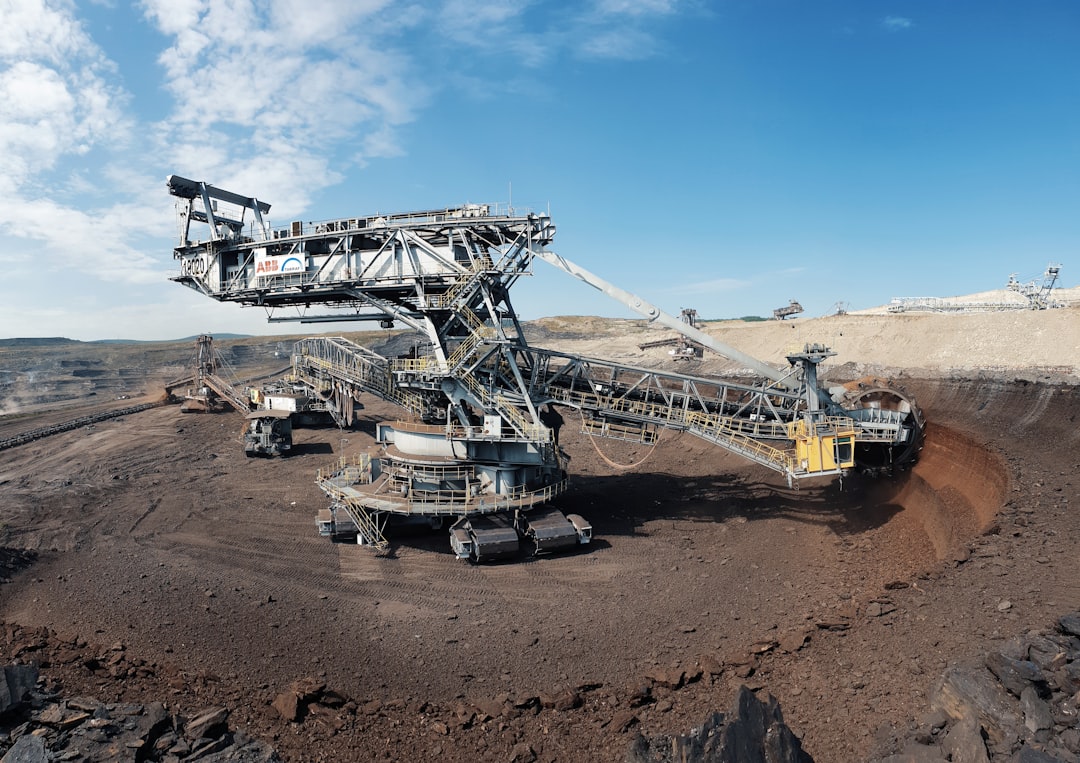
💡 Realistic Strategies: What Can You Actually Do?
Here’s where I want to be practical rather than just analytical. Depending on your situation, the 2026 raw material environment calls for different responses:
- For small business owners (manufacturing/retail): Consider locking in forward contracts for your top 2–3 input materials where possible. Even simple 3–6 month price agreements with suppliers provide meaningful budget predictability. Also, audit your material waste — a 10% efficiency improvement can offset a 10% price increase.
- For investors: A diversified commodities ETF exposure (covering energy, base metals, and agriculture) makes more sense in 2026 than concentrated single-commodity bets. Critical minerals funds with ESG screening are gaining traction for those with a longer time horizon. But be aware of the lithium price volatility — timing matters here.
- For consumers trying to understand cost-of-living pressures: Higher raw material costs flow through to finished goods with a 6–18 month lag typically. If copper and aluminum stay elevated, expect appliance and electronics prices to tick up in late 2026. This is worth factoring into major purchase timing.
- For policymakers and procurement professionals: Supply chain mapping — knowing exactly where your Tier 2 and Tier 3 suppliers source materials — has become non-negotiable. The companies and agencies that built this visibility in 2023–2024 are significantly more resilient in 2026.
⚖️ The Balanced View: Reasons for Caution vs. Reasons for Optimism
It’s tempting to go full doom-and-gloom or full optimism on commodities — both are wrong. Here’s a more balanced read:
Reasons prices could ease: Lithium and nickel supply expansions are genuinely coming online. China’s slower-than-expected industrial recovery is dampening demand for steel and base metals. Technological efficiency in manufacturing (less material per unit of output) is a quiet but real deflationary force.
Reasons prices could stay elevated or spike: Climate disruptions to agricultural supply (unpredictable and underpriced by markets). Any escalation in major geopolitical flashpoints affecting shipping lanes or mining regions. The green transition demand curve accelerating faster than supply investment can respond.
The honest answer is: expect continued volatility within a structurally elevated range for most industrial commodities through at least 2028.
Editor’s Comment : What I find most fascinating about the 2026 commodity landscape is that it’s forcing a kind of strategic maturity on businesses and investors that the cheap-money, cheap-materials era of 2010–2019 didn’t require. The companies navigating this best aren’t necessarily the ones with the deepest pockets — they’re the ones thinking three supply chain steps ahead and treating material cost management as a core competency rather than an afterthought. If there’s one takeaway here: volatility isn’t going away, so adaptability is the real asset worth investing in.
📚 관련된 다른 글도 읽어 보세요
- 중국 경제 성장률 둔화, 우리 일상과 투자에 어떤 영향을 미칠까? 2026년 총정리
- 원자재 선물 투자 초보자 가이드 2026 — 처음 시작하기 전에 반드시 알아야 할 것들
- 원자재 선물 투자 전략 실전 2026: 초보자도 따라할 수 있는 단계별 접근법
태그: [‘2026 raw material prices’, ‘commodity market outlook 2026’, ‘critical minerals investment’, ‘green energy supply chain’, ‘copper lithium price forecast’, ‘global economic analysis 2026’, ‘raw material inflation strategy’]
Leave a Reply