Picture this: It’s early 2026, and a small-scale retail investor in Seoul decides to pour their savings into corn futures after hearing buzz about drought conditions in South America. Three months later, a surprise bumper harvest in the U.S. Midwest sends prices tumbling 18% in a single week. Sound familiar? Agricultural commodity investing has always been a high-stakes game — and in 2026, the rules have gotten even more complicated.
Whether you’re a seasoned trader or someone just starting to explore raw material investments beyond gold and oil, agricultural commodities (think wheat, soybeans, coffee, cotton) offer genuinely compelling opportunities — but also a unique constellation of risks that deserve serious, clear-eyed analysis. Let’s think through this together.
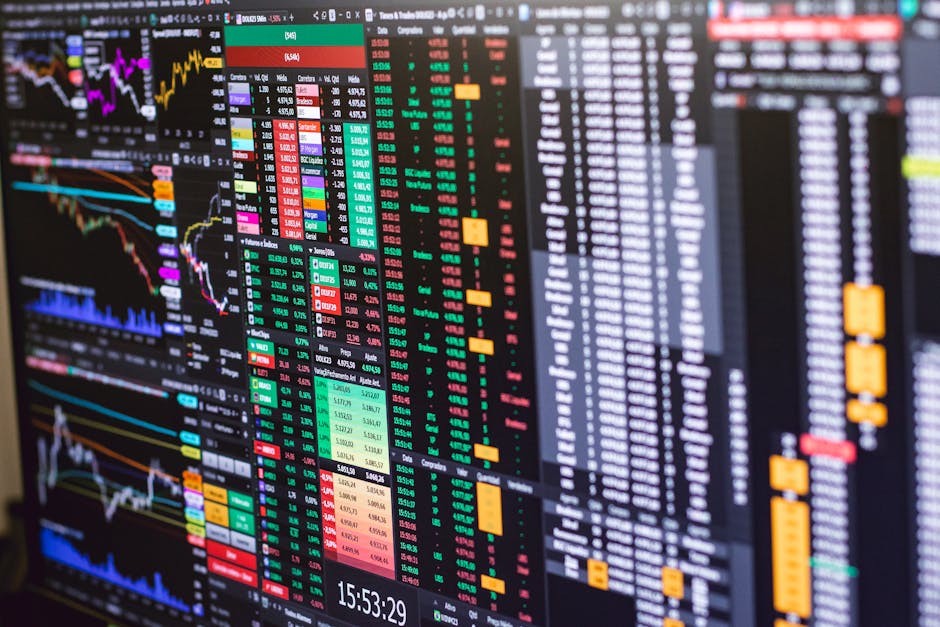
Why Agricultural Commodities Are Attracting Attention in 2026
Global food security has become a front-page issue. The 2025–2026 El Niño cycle has disrupted rainfall patterns across Southeast Asia and sub-Saharan Africa, pushing soft commodity prices into volatile territory. Meanwhile, geopolitical tensions in the Black Sea region continue to create uncertainty in wheat and sunflower oil supply chains. The FAO Food Price Index hit multi-year highs in Q1 2026, drawing speculative capital from institutional and retail investors alike.
On paper, this sounds like a gold rush. But let’s be honest — the story underneath is far more nuanced.
The Core Risk Factors You Need to Understand
Agricultural commodity investing isn’t like buying tech stocks. The risk profile is fundamentally different, and here’s why:
- Weather & Climate Volatility: A single unexpected frost in Brazil can move coffee prices by 10–15% overnight. In 2026, climate unpredictability has reached a level where even seasoned meteorologists admit forecast accuracy beyond 10 days is severely limited. This makes position-sizing genuinely treacherous.
- Supply Chain Disruption: Port congestion, shipping cost spikes, and geopolitical embargoes can sever supply routes unexpectedly. The 2026 Red Sea shipping rerouting, for example, has added 12–18 days to grain shipments from Europe to Asia.
- Currency Risk: Most agricultural commodities are priced in USD. For non-U.S. investors — say, Korean or Japanese retail traders — a strengthening dollar can erode gains even when commodity prices rise in nominal terms.
- Futures Roll Costs (Contango): Many retail investors access agriculture through ETFs or futures contracts. When the market is in contango (futures prices higher than spot), rolling contracts forward costs money over time — a phenomenon that silently bleeds returns.
- Regulatory & Policy Risk: Export bans, tariffs, and government price controls can flip a profitable position overnight. India’s 2025 wheat export restrictions and Indonesia’s ongoing palm oil export quota policies are textbook recent examples.
- Leverage Amplification: Many agricultural futures platforms offer 10:1 to 20:1 leverage. Without strict risk management, a 5% adverse move wipes out 50–100% of a leveraged position.
Real-World Examples: Lessons from the Field
The Soybean Squeeze of Late 2025: Brazilian soybean production was projected to hit record highs in late 2025. Traders who went short on soybeans based on that data were blindsided when fungal blight (sudden death syndrome) damaged an estimated 8% of Mato Grosso yields. CBOT soybean futures surged 14% in three weeks. Many retail investors using CFD platforms were liquidated before the move peaked.
South Korea’s Grain Import Hedging Dilemma: South Korea imports roughly 80% of its feed grain needs. In 2026, domestic agricultural cooperatives (agri-cooperatives like Nonghyup) have been caught in a difficult hedging bind — locking in forward contracts at elevated prices only to see spot rates decline as U.S. crop estimates improved. This illustrates that even professional hedgers can get the timing wrong.
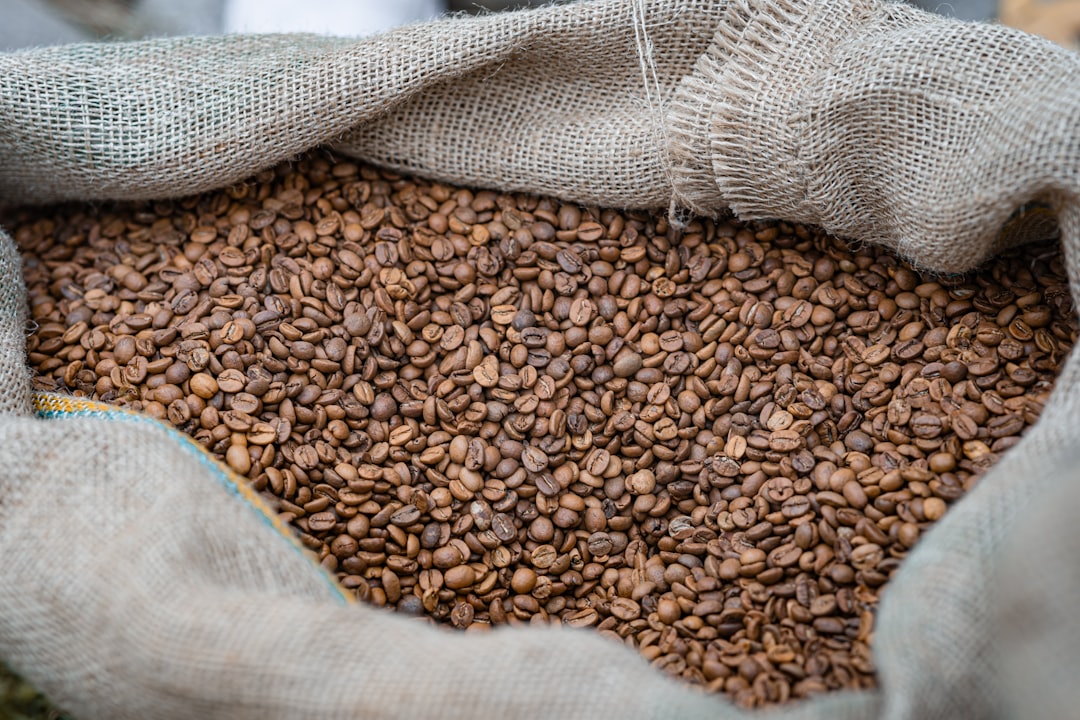
Coffee Volatility in Vietnam: Vietnam, the world’s second-largest coffee producer, experienced a Robusta crop shortfall in 2025 due to irregular monsoons. ICE Robusta futures in London surged over 60% through 2025 into early 2026. While early entrants profited handsomely, latecomers who bought near the peak are now sitting on significant losses as supply normalizes.
Quantifying the Risk: What the Data Says
Let’s ground this in numbers. The annualized volatility of major agricultural commodities in 2026 tells a stark story:
- Wheat (CBOT): ~35–42% annualized volatility
- Soybeans: ~28–34% annualized volatility
- Arabica Coffee: ~45–55% annualized volatility
- Corn: ~30–38% annualized volatility
- For comparison, the S&P 500’s annualized volatility sits around 18–22% in the same period.
This means agricultural commodities are, statistically speaking, roughly 1.5 to 2.5 times more volatile than broad equity markets. Sharpe ratios (risk-adjusted returns) for pure agricultural commodity futures strategies have historically ranged from 0.2 to 0.5 — relatively low compared to diversified equity portfolios.
Smarter Alternatives: Getting Exposure Without the Full Rollercoaster
Here’s where it gets practical. If you’re genuinely interested in the agricultural macro story — and there are real, legitimate reasons to be — you don’t have to play in the most dangerous end of the pool. Let’s think through some realistic alternatives:
- Agri-Focused Equity ETFs: Funds like the Invesco DB Agriculture Fund or newer 2026-vintage agri-tech ETFs give you exposure to the sector’s tailwinds (food security, precision farming) with significantly less day-to-day volatility than direct futures.
- Upstream Agriculture Companies: Investing in companies like fertilizer producers (Nutrien, Mosaic), seed technology firms (Corteva Agriscience), or irrigation infrastructure businesses provides indirect commodity exposure with the added buffer of corporate earnings diversification.
- Agri-Tech Startups (Private Markets): In 2026, platforms offering fractional investment in vertical farming ventures or precision agriculture software are genuinely compelling for long-term growth investors comfortable with illiquidity.
- Commodity-Linked Bonds or Structured Notes: Some banks now offer principal-protected notes linked to agricultural commodity indices — you participate in upside while capping downside. Yields are lower, but the risk profile is far more manageable for conservative investors.
- REITs with Farmland Exposure: Farmland REITs (such as Farmland Partners or American Farmland in the U.S. market) let you benefit from land appreciation and rental income from farming operations, without direct commodity price exposure.
Who Should (and Shouldn’t) Invest Directly in Agricultural Commodities?
Direct agricultural futures trading is realistically suited for: institutional players with robust risk management infrastructure, traders with deep sectoral knowledge and time to monitor positions actively, and professional hedgers with natural offsetting exposure (e.g., food manufacturers hedging input costs).
If you’re a retail investor with a 3–10 year horizon, moderate risk tolerance, and limited time to monitor global crop reports, the indirect approaches above will almost certainly serve you better — not because the opportunity isn’t real, but because the execution risk of direct commodity trading is genuinely high.
Final Thought: The Opportunity Is Real, But So Is the Complexity
In 2026, food security, climate disruption, and shifting global supply chains make agricultural commodities one of the most structurally important sectors in the global economy. The investment thesis is solid. What varies enormously is the vehicle you choose to express that thesis — and getting that wrong is where most retail investors lose money, not in being wrong about the macro story.
Take your time, size your positions sensibly, and seriously consider whether the indirect routes might get you where you want to go with a lot less turbulence.
Editor’s Comment : Agricultural investing in 2026 is one of those areas where being directionally right doesn’t automatically mean being financially right. The gap between “the fundamentals look good” and “I made money on this trade” can be enormous when volatility is this high. My honest recommendation? Build your thesis first, then choose the instrument that matches your actual risk capacity — not the one that sounds most exciting at a dinner party.
태그: [‘agricultural commodity investment’, ‘commodity risk analysis 2026’, ‘futures trading risks’, ‘food security investing’, ‘agri ETF alternatives’, ‘commodity market volatility’, ‘farmland investment strategies’]
Leave a Reply