Let me paint a picture for you. It’s early 2026, and a friend of mine — a graphic designer with zero finance background — called me excitedly after watching a YouTube video about crude oil futures. ‘I put $2,000 into a leveraged oil contract,’ she said. Three days later, she lost 60% of it. Not because she was careless. She just didn’t understand the machinery underneath commodity futures investing. That call is exactly why I’m writing this guide today.
So, let’s think through this together — carefully, practically, and without the hype.
What Exactly Are Commodity Futures? (And Why They’re Not Like Stocks)
A commodity future is a legally binding contract to buy or sell a specific quantity of a raw material — crude oil, gold, wheat, copper, natural gas — at a predetermined price on a future date. Unlike buying Apple stock, you’re not purchasing ownership in a company. You’re making a bet (or a hedge) on where a physical resource’s price will go.
Here’s the key mechanic that trips beginners up: leverage. Most commodity futures accounts allow you to control a large contract with a relatively small deposit called margin. On the CME (Chicago Mercantile Exchange), a single WTI crude oil contract represents 1,000 barrels. At roughly $78/barrel (as of early 2026 pricing trends), that’s $78,000 worth of oil — but your margin requirement might be as low as $5,000–$7,000. That’s 10x–15x leverage baked right in.
This is thrilling when you’re right. It’s devastating when you’re not.
The 2026 Commodity Landscape: What Data Tells Us
Let’s look at where we actually stand. The commodity markets in 2026 are shaped by several overlapping forces:
- Energy transition pressure: Crude oil demand has plateaued in developed markets, but emerging economies in Southeast Asia and Africa are still driving consumption. Brent crude has been trading in a volatile $72–$88 band in early 2026.
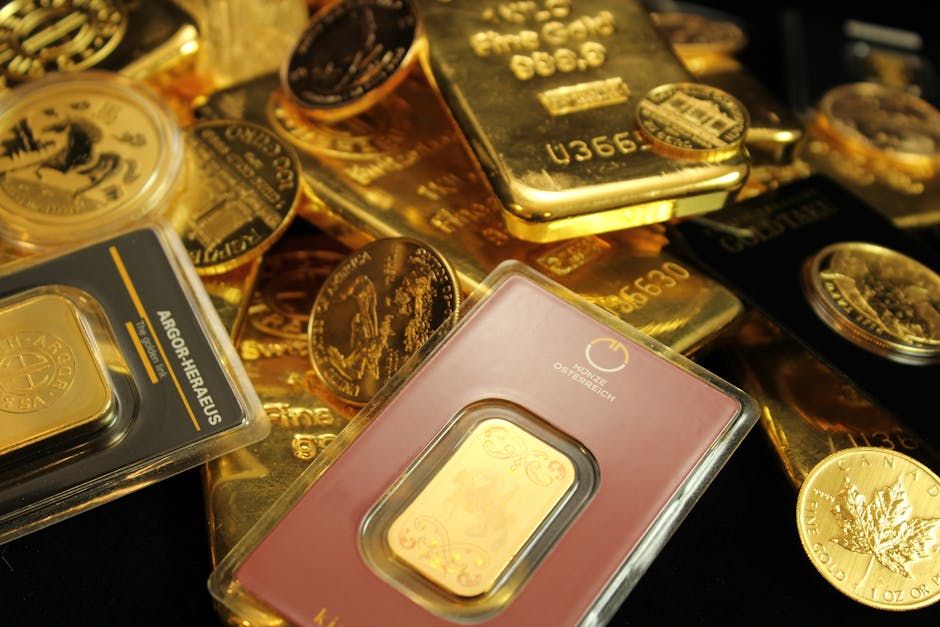
- Gold’s continued role as a safe haven: Gold crossed $2,800/oz in late 2025 and has maintained elevated levels through Q1 2026, driven by central bank accumulation (especially from China and India) and persistent geopolitical uncertainty.
- Agricultural volatility: Wheat and corn futures have seen sharp swings due to El Niño-related weather disruptions in key growing regions, making agricultural futures particularly high-risk for beginners.
- Copper as a “green metal” play: With EV infrastructure buildout accelerating globally, copper futures have attracted significant institutional interest — a trend worth watching in 2026.
- Natural gas pricing divergence: U.S. Henry Hub prices remain moderate, while European TTF gas prices stay structurally higher due to ongoing energy policy shifts post-Ukraine conflict resolution negotiations.
Real-World Examples: How Investors Are Navigating This in 2026
Let’s look at two contrasting approaches from real market participants this year.
Example 1 — South Korean retail investors (domestic): Korea’s Financial Supervisory Service reported a 34% increase in retail participation in commodity ETFs (not direct futures) between 2024 and early 2026. Many Korean investors, burned by the crypto volatility of 2023-2024, shifted toward gold and oil ETFs as a “tangible” alternative. The lesson? Most savvy retail investors are accessing commodity exposure through ETFs and ETNs, not raw futures contracts.
Example 2 — U.S. institutional trend in 2026: Major hedge funds like Citadel and Bridgewater have reportedly increased their commodity allocations to 12–15% of portfolios in 2026, hedging against what they see as a new commodity supercycle. But notice — these are professionals with risk management desks. They’re also using options on futures to cap their downside, not raw directional bets.
The Core Risks Beginners Consistently Underestimate
- Contango and backwardation: These are the pricing structures of futures curves. In contango (common in oil markets), rolling over contracts monthly can silently eat your returns even if the underlying commodity price goes up. Many beginners don’t realize their ETF is losing value due to this “roll cost.”
- Margin calls: If your position moves against you and your account balance drops below the maintenance margin, your broker will demand more cash — immediately. Failure to respond can mean automatic liquidation at the worst possible moment.
- Geopolitical black swans: A single OPEC+ decision, a Middle East escalation, or a surprise U.S. export policy change can move crude oil 5–8% in a single session. Futures amplify that move dramatically.
- Seasonality misreads: Natural gas and agricultural commodities have strong seasonal patterns, but these can be overridden by weather anomalies and policy shocks — making simple seasonality bets unreliable in 2026’s climate-disrupted world.
Realistic Alternatives: Smarter Entry Points for Beginners
Here’s where I want to be genuinely helpful rather than just educational. If you’re new to this space, here are tiered alternatives ranked from lowest to highest complexity:
- Tier 1 — Commodity ETFs: Funds like GLD (gold), USO (oil), or DJP (diversified commodities index) give you exposure without margin calls or contract rollovers. Perfect starting point.
- Tier 2 — Commodity producer stocks: Investing in companies like Barrick Gold, ExxonMobil, or Freeport-McMoRan (copper) gives indirect commodity exposure with the additional buffer of corporate earnings and dividends.
- Tier 3 — Commodity-focused mutual funds or ETFs of ETFs: Managed exposure with professional oversight. Lower returns ceiling, but also lower floor.
- Tier 4 — Micro futures contracts: CME now offers micro WTI crude oil and micro gold futures, where contract sizes are 1/10th of standard contracts. This is the most reasonable “real futures” entry point for beginners who want genuine market experience with capped downside.
- Tier 5 — Standard futures contracts: Only consider this after you’ve paper-traded for at least 3–6 months and have a clearly defined risk management system.
Building Your Framework Before You Trade a Single Dollar
Before placing any trade, get honest answers to these questions:
- Do I understand what drives this commodity’s price? (Supply chains, geopolitics, weather, currency effects?)
- What is my maximum acceptable loss on this position — in dollars, not percentages?
- Have I paper-traded this strategy for at least 30 days?
- Do I understand the specific contract specs — expiration date, settlement type (physical vs. cash), and tick size?
- What’s my exit plan if the trade moves 10% against me immediately?
If you can’t answer all five clearly, you’re not ready for direct futures trading — and that’s completely okay. Building toward readiness is itself a smart investment strategy.
The Bottom Line
Commodity futures investing in 2026 is genuinely exciting — the macro forces at play (energy transition, green metal demand, global food security concerns) create real opportunities. But the leverage mechanics mean that excitement cuts both ways. The smartest path for a beginner isn’t to avoid commodities entirely — it’s to build your exposure intelligently, starting with ETFs or producer stocks, learning the market’s language, and only graduating to futures when you’ve earned the right through knowledge and practice.
My friend with the oil contract? She’s now a patient GLD ETF holder. She’s up 11% this year and sleeping much better.
Editor’s Comment : The commodity markets in 2026 are genuinely one of the most intellectually rich places to invest — full of real-world supply chains, geopolitics, and physics (yes, storage capacity matters!). But they reward preparation ruthlessly and punish impatience just as hard. My honest advice? Start by reading one commodity’s market fundamentals deeply for 60 days before touching real money. Understand why gold prices move. Understand what OPEC actually is. The traders who survive long-term aren’t the bravest — they’re the most prepared.
태그: [‘commodity futures investing 2026’, ‘beginner futures trading guide’, ‘gold futures 2026’, ‘crude oil futures explained’, ‘commodity ETF vs futures’, ‘raw material investment strategy’, ‘futures trading risk management’]
Leave a Reply