A few years ago, a friend of mine — a schoolteacher with zero finance background — told me she’d started buying bags of rice futures contracts because she’d watched food prices climb relentlessly at her local grocery store. “If I’m paying more for it anyway,” she said, “shouldn’t I own a piece of the supply chain?” She wasn’t wrong in her instinct. She was just missing the map. That’s exactly what we’re going to build today.
Agricultural commodity investing — or 농산물 원자재 투자 — is one of those areas that feels intimidating at first glance but opens up beautifully once you understand a few core mechanics. Let’s think through this together, step by step.
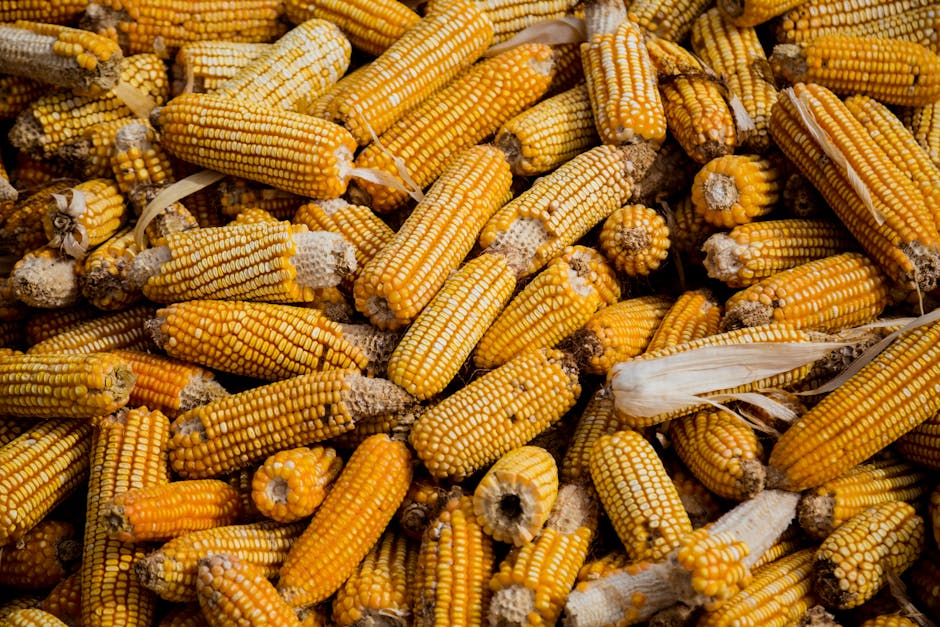
Why Agricultural Commodities Are Back in the Spotlight in 2026
The global agricultural market has been under compounding pressure. Climate volatility, geopolitical disruptions in major grain-producing regions, and the ongoing energy-food price linkage (fertilizer costs remain closely tied to natural gas prices) have pushed agricultural raw material prices into serious investor focus. According to the FAO Food Price Index, real food commodity prices in early 2026 remain approximately 18–22% above their 2019–2021 baseline average — a structurally elevated range that many analysts believe is here to stay, not a temporary spike.
For investors, this creates both opportunity and responsibility. Let’s map out the actual vehicles available to you.
The Main Ways to Invest in Agricultural Commodities
Think of these as different “doors” into the same building. Each has a different risk profile, cost structure, and level of hands-on involvement.
- Commodity Futures Contracts: This is the traditional route — buying contracts for wheat, corn, soybeans, coffee, sugar, or cattle on exchanges like the CME Group (Chicago Mercantile Exchange). You’re essentially agreeing to buy or sell a specific quantity at a future date. High leverage, high precision, but also high risk. Not recommended for pure beginners without a broker intermediary.
- Agricultural ETFs and ETNs: Products like the Invesco DB Agriculture Fund (DBA) or iPath Bloomberg Agriculture Subindex ETN track baskets of agricultural futures. These are accessible through any standard brokerage account and give you diversified exposure without managing individual contracts. In 2026, several new ESG-screened agricultural ETFs have also launched, filtering out companies with poor environmental practices.
- Agricultural Stocks (Agribusiness Equities): Instead of buying the crop, you buy shares in the companies that grow, process, or distribute them — think Archer-Daniels-Midland (ADM), Bunge Global, or Nutrien (the world’s largest fertilizer producer). This approach gives you equity upside plus dividend income in some cases.
- REITs Focused on Farmland: Farmland REITs like Farmland Partners (FPI) or Gladstone Land (LAND) let you effectively own a slice of productive agricultural land without ever touching a tractor. As land values in the U.S. Midwest and Brazil’s Cerrado region have continued rising through 2026, these have attracted significant institutional interest.
- Commodity Mutual Funds: Some actively managed funds blend agricultural exposure with broader natural resource holdings. Lower flexibility than ETFs but potentially useful inside a retirement account structure.
- Direct Farmland Investment Platforms: Platforms like AcreTrader or FarmTogether (both expanded internationally in 2025–2026) allow accredited investors to pool money into specific farmland parcels. Think of it like real estate crowdfunding, but for soil.
Real-World Examples: What’s Actually Happening in 2026
Let’s ground this in reality with a few current examples worth watching:
South Korea’s Domestic Context: Korean institutional investors, including the National Pension Service (NPS), have quietly increased allocations to global agri-assets since 2024. With Korea importing roughly 70% of its grain supply, there’s a strong sovereign-level interest in diversifying agricultural exposure — and retail investors are beginning to follow suit through ETFs listed on the KRX (Korea Exchange). Products tracking global food indexes have seen inflow growth of roughly 30–40% year-over-year as of Q1 2026.
Brazil’s Agri-Boom: Brazil continues to be the world’s top exporter of soybeans, sugar, and coffee. ETFs with heavy Brazil agri-sector weighting — or direct stock exposure to companies like SLC Agrícola — have delivered notable returns as the Brazilian Real stabilized and crop output hit record levels in 2025’s harvest season.
The Fertilizer Play: With global nitrogen fertilizer prices still elevated due to European natural gas constraints, companies like Nutrien and Mosaic have remained compelling plays. Investing in the “inputs” side of agriculture (fertilizers, seeds, agricultural technology) is a more indirect but often lower-volatility route than betting on commodity prices directly.
Key Risks You Should Honestly Understand
I’d be doing you a disservice if I didn’t walk through the real risks here. Agricultural commodities are genuinely complex:
- Weather and Climate Risk: A drought in the U.S. Midwest or floods in Southeast Asia can swing prices 20–30% in weeks. You can’t model weather reliably.
- Futures Roll Costs (Contango): If you hold agricultural ETFs backed by futures, be aware of “roll yield” drag — when futures contracts are rolled forward in a contango market, you lose value over time even if spot prices don’t move. This is a silent killer in long-term commodity ETF holdings.
- Currency Risk: Most global agricultural commodities are priced in USD. If you’re investing from Korea or another non-dollar economy, exchange rate movements can significantly impact your real returns.
- Policy and Trade Risk: Export bans (like India periodically imposes on rice) or import tariff changes can destabilize specific commodity prices overnight.
Realistic Alternatives for Different Investor Profiles
Let’s think practically about who should be doing what:
If you’re brand new and risk-averse: Start with a broad agricultural ETF like DBA or a global food-sector equity ETF. Keep your allocation to 3–5% of your total portfolio. Think of it as an inflation hedge, not a get-rich vehicle.
If you have some market experience: Consider adding one or two agribusiness stocks (ADM, Nutrien, or a regional player you understand) alongside an ETF position. This gives you both commodity exposure and equity-style upside.
If you’re an accredited investor with longer time horizons: Farmland REITs or direct farmland investment platforms are worth serious exploration. The illiquidity is real, but the inflation-hedging and non-correlation properties of physical farmland are genuinely valuable in a diversified portfolio.
If you’re based in Korea: Look at KRX-listed ETFs tracking global commodity indexes to avoid complex overseas account setup. Products linked to Bloomberg Commodity Index or S&P GSCI Agriculture Subindex are becoming increasingly available through domestic brokerages.
My friend the schoolteacher, by the way? She ended up putting a small portion of her savings into a diversified agricultural ETF rather than individual futures. Two years later, she told me it was the first investment she fully understood — because she could see its connection to the food on her table every single day. That tangibility is underrated.
Editor’s Comment : Agricultural commodity investing in 2026 isn’t just a niche play for traders — it’s increasingly relevant for anyone trying to build an inflation-resilient portfolio in a world where food security is becoming a macro-level conversation. The key is matching the right vehicle to your experience level and risk tolerance, rather than jumping straight into leveraged futures because a headline spooked you. Start small, stay curious, and remember that the best investment in any asset class is the time you spend genuinely understanding it. You’ve already started that journey by reading this far — that counts for more than you think.
태그: [‘agricultural commodity investing’, ‘farmland investment 2026’, ‘agricultural ETF’, ‘commodity futures beginner guide’, ‘agribusiness stocks’, ‘inflation hedge investments’, ‘food commodity market 2026’]
Leave a Reply